In 2022, 41-year-old Bindra Budha of Tinkar, a village in ward 1 of Byas Rural Municipality in Darchula district, returned home after spending nearly three months in Taklakot, across the border in Tibet. Three days later, she developed a sudden, severe headache and began feeling dizzy.
As her condition worsened, her family sought help from other villagers. Several young men gathered and set off carrying her on a stretcher, hoping to reach the nearest road in India. But after nearly seven hours on foot, they had yet to get her there. Bindra died before they could reach the road.
Her family never learned what had caused her illness.
“There is no health post in the village, and without one, there are no health workers either,” said her husband, Chandra Singh Budha. “How are ordinary people like us supposed to know what is wrong with someone?”
He is still haunted by the thought that his wife might have survived if basic medical services had been available in the village. “If someone here had been able to examine patients and give them medicine, we might have treated her before taking her to hospital. She might not have died so young,” he said.
Bindra was not the only Tinkar resident to die while being taken for treatment. With no provision for even basic first aid, residents of the remote border settlement face serious risks when they fall ill or suffer injuries.
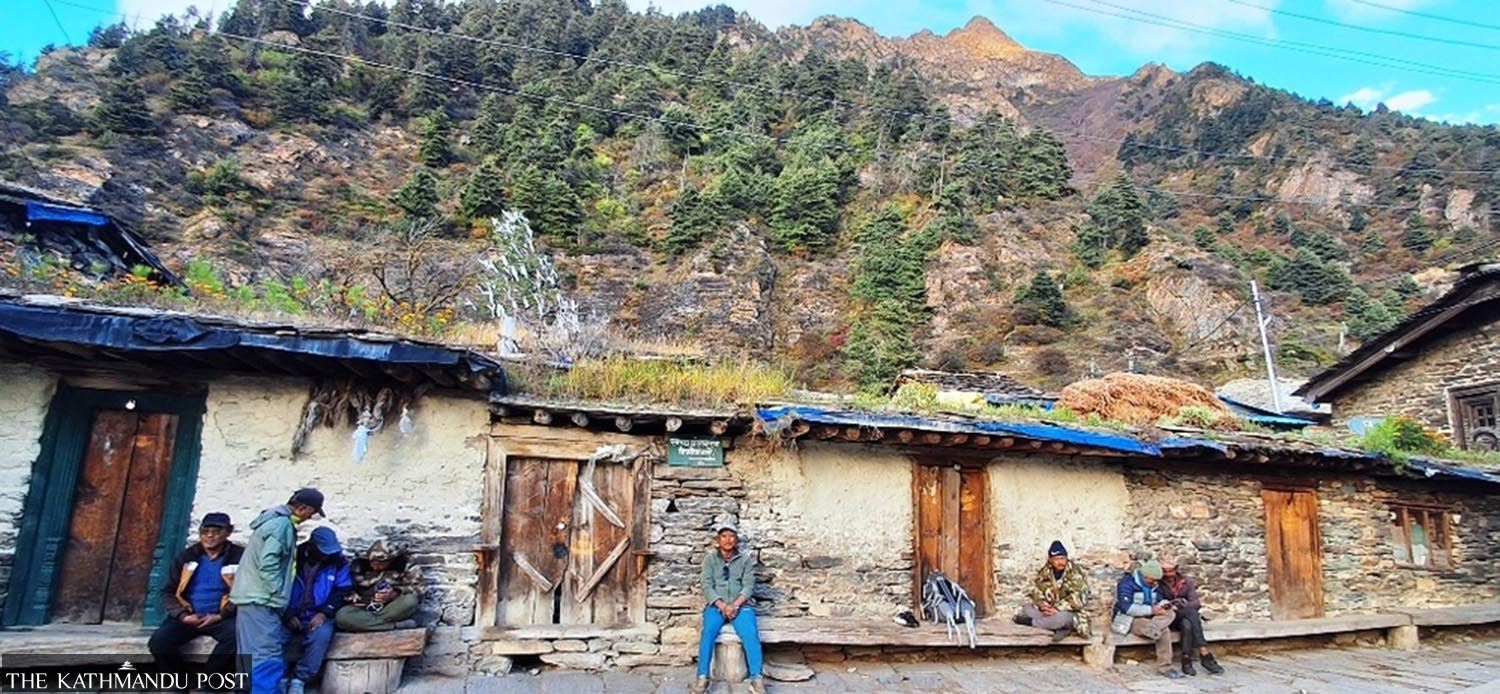
Tinkar has 75 households and a population of around 450. The absence of health services not only puts lives at risk but also forces residents to spend large sums travelling to Indian towns or Khalanga, the district headquarters, for treatment, even for relatively minor ailments.
Residents say police personnel and government employees have also died while being taken for medical care.
“About a year after Bindra died, an assistant sub-inspector of police also died on the way to hospital,” said Dan Singh Tinkari, a resident and former district development committee member. “He had appeared perfectly healthy. But when his blood pressure rose, police personnel and villagers carried him for treatment. He died on the way.”
Tinkari said the officer might have survived if someone in the village had been able to provide basic medical care.
Without a health facility, residents often turn to medicinal herbs and home remedies when they fall ill or are injured, said Duchung Dorje Tamang, a local resident.
“Those who can afford it take seriously ill patients to Khalanga or to India. Those who cannot rely on herbs and pray to the gods. If they recover by divine grace, so be it. Otherwise, they have to wait for death,” Tamang said.
Many residents also make offerings and pray to local deities in the hope of recovering because proper medical treatment is beyond their reach.
Although Tinkar has no health post, health personnel occasionally visit the village. Santosh Tinkari, an office assistant at Chhangru Health Post, sometimes travels there as a field worker. He is also a Tinkar resident.
“I give patients whatever medicines I know how to use and provide basic first aid. Sometimes I administer injections as well,” he said. “But there is no health worker based here. People live in constant fear that someone might fall ill and die.”
He said patients’ conditions often worsen because they cannot get timely treatment. Even illnesses that could be treated with basic medical care sometimes prove fatal because help is unavailable.
The nearest health facility, Chhangru Health Post, is a seven-hour walk from Tinkar and offers only basic treatment. Residents therefore often travel to Indian towns such as Garbyang, Haldwani and Pithoragarh, or to Khalanga, for medical attention.
Before the Covid-19 pandemic, residents also travelled to Taklakot in Tibet for treatment. But after the pandemic began, the Chinese government kept the Tinkar border crossing closed for nearly seven years. Although it has since reopened, crossing remains difficult. Chinese authorities allow people to enter only in groups and during designated periods, restricting another route to medical care for Tinkar residents.
Pregnant women face particular difficulties because of the lack of healthcare facilities.
“Women leave the village once they become pregnant. Some families have homes in the district headquarters, so they do not face much difficulty,” said Mina Budhathoki, a Tinkar resident. “Those with nowhere else to stay have to rent a room for at least five or six months. It costs Rs300,000 to Rs400,000.”
She said women from financially struggling families often fall into debt to cover the cost of accommodation until they give birth.
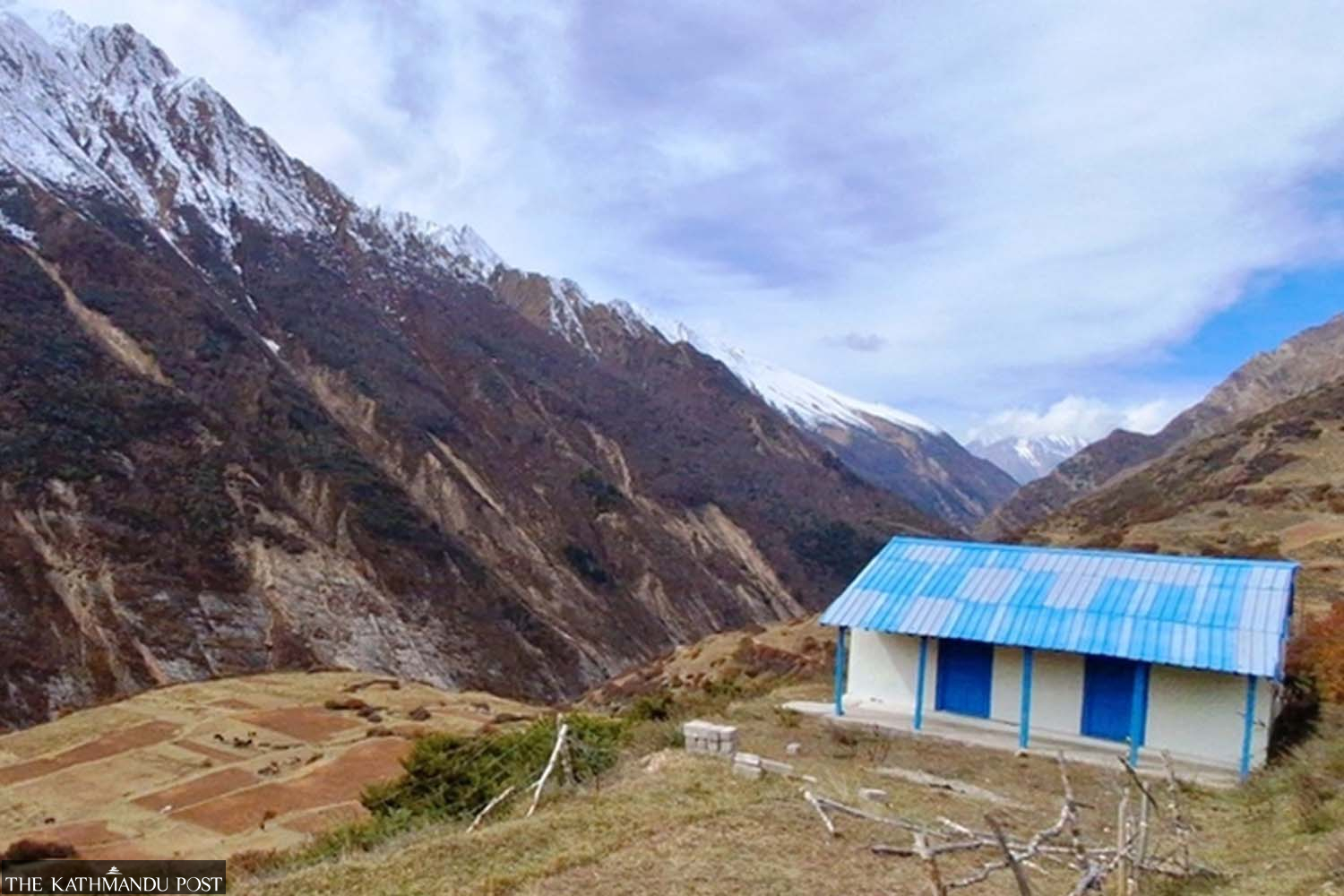
Tinkar does have a two-room building intended to serve as a community health centre. But the structure, built with provincial government funding four years ago, has never opened. The project was estimated to cost around Rs3.2 million, but only half the amount has been paid. The outstanding payment has held up the building’s formal handover.
The rural municipality plans to deploy staff and open the centre once the building is handed over, said Mukesh Singh Kunwar, chief of the municipality’s health section.
“People in Tinkar have suffered enormously because the dispute over the building has not been resolved,” he said. “Once it is handed over, we are ready to open the health centre immediately.”
He could not say when the handover would take place or when the facility would begin operating.
Basant Pratap Singh is the Bajhang correspondent for Kantipur Publications.