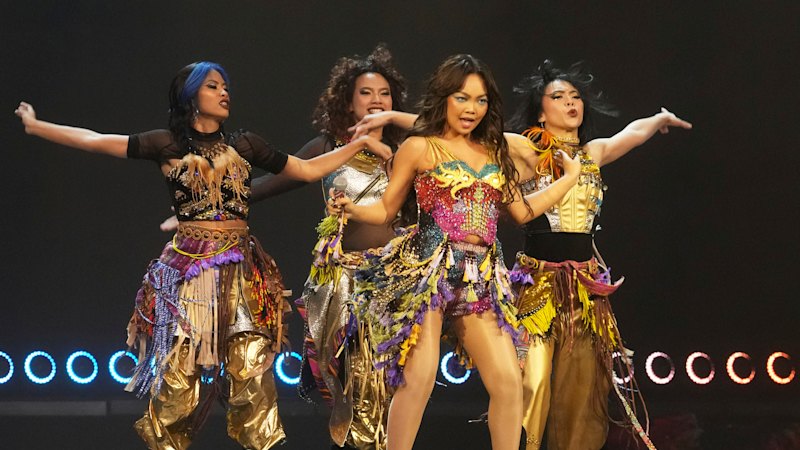
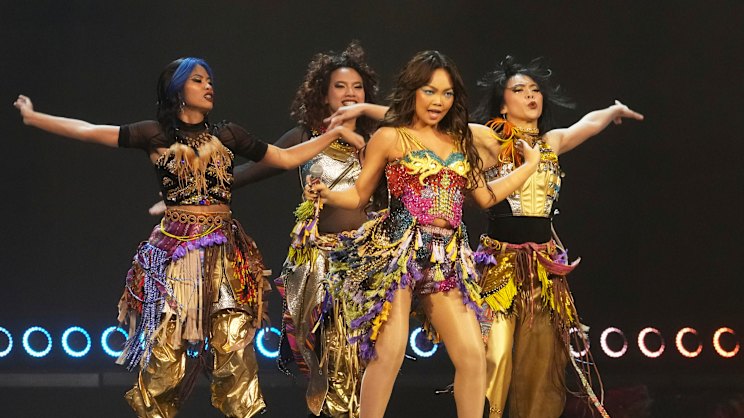
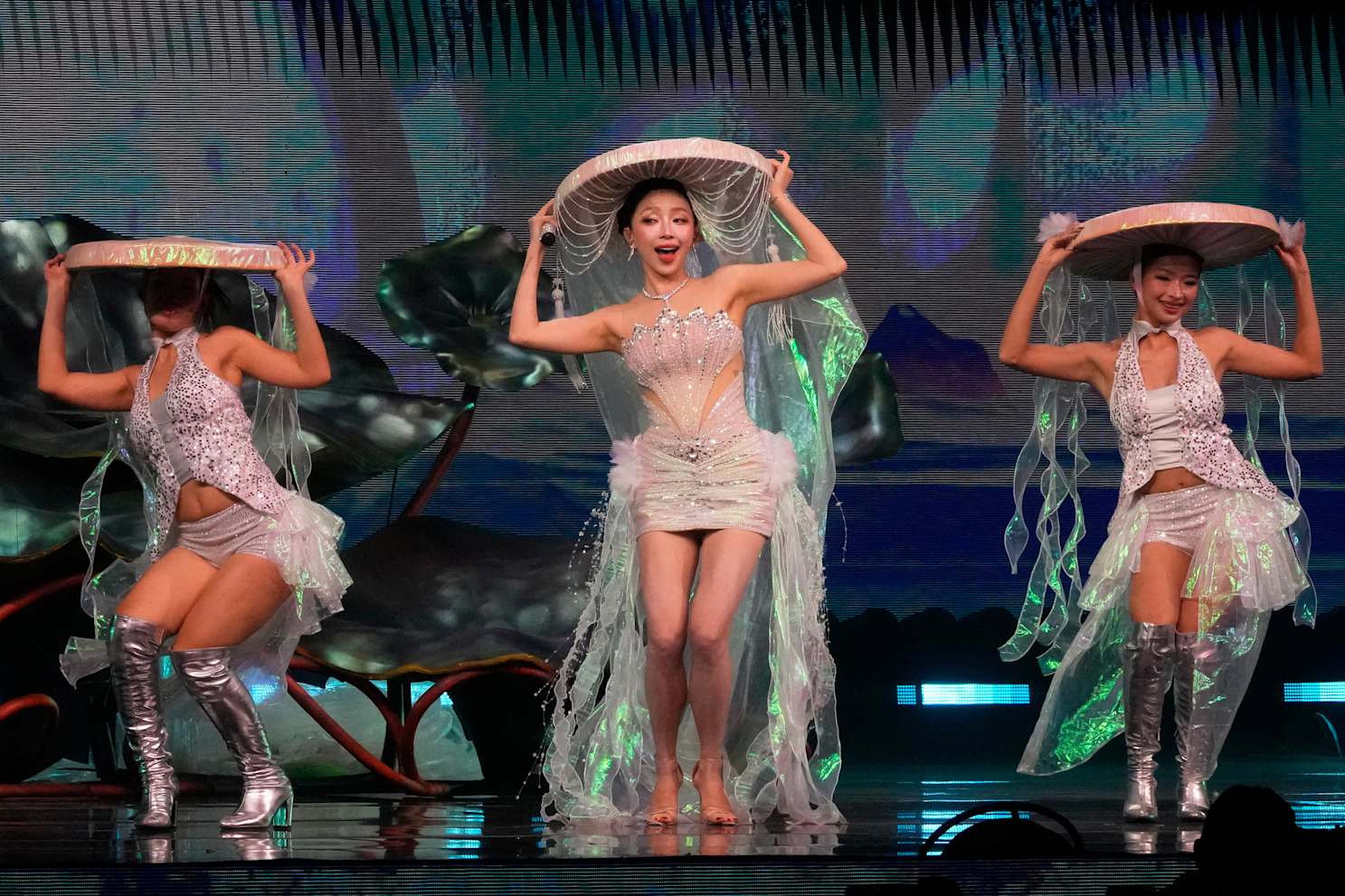
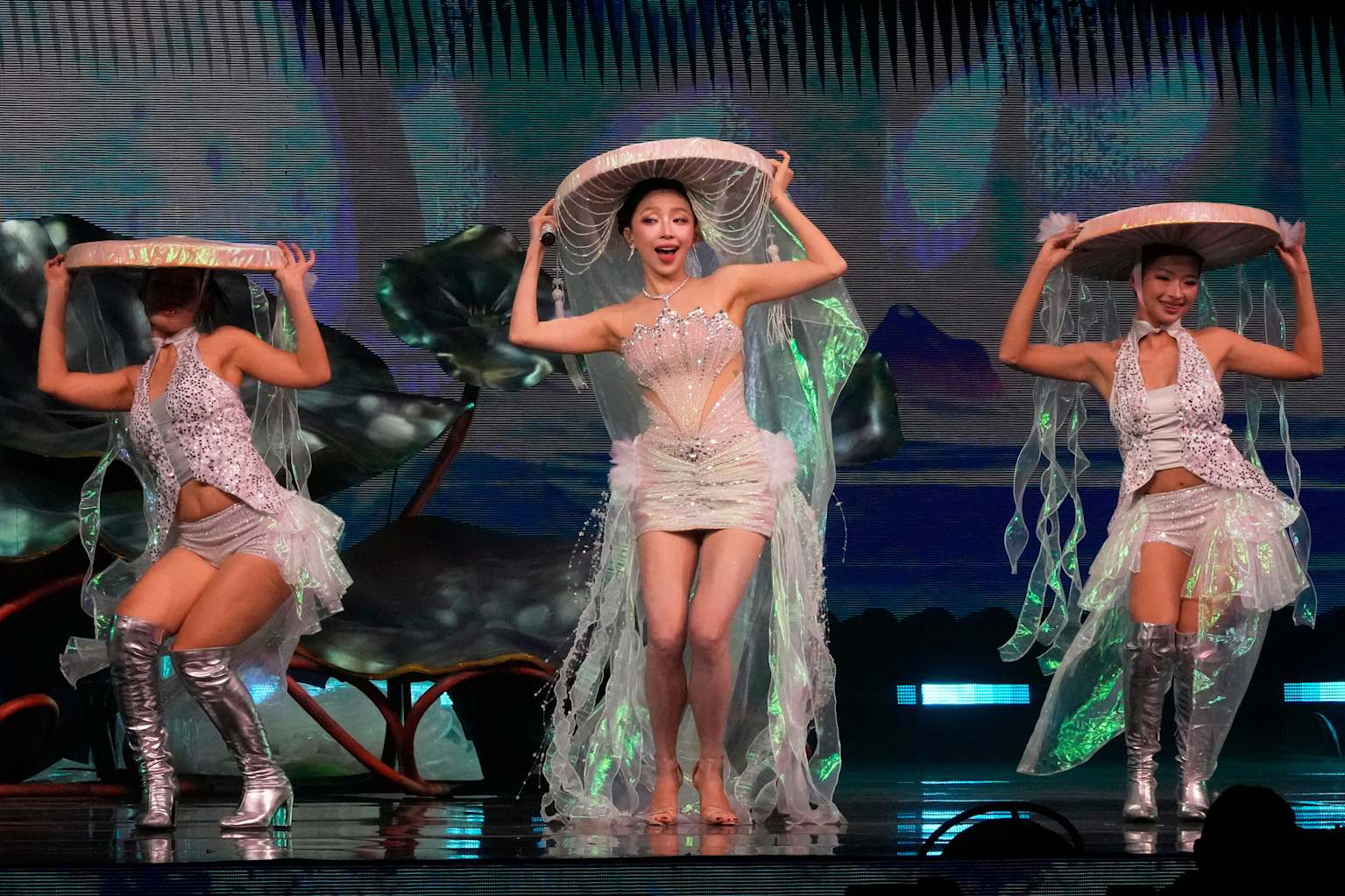
The Eurovision Song Contest, some may argue, is one of a kind. For 70 years the wacky, campy and joyous competition has delivered fresh batches of craziness to millions of viewers – from heavy metal monster jams to foul-mouthed turkey puppets . Is this level of weirdness something only Europe (and, inexplicably, Australia) can truly pull off? The Eurovision Song Contest Asia – the first iteration to solely feature Asian entrants – put that to the test.
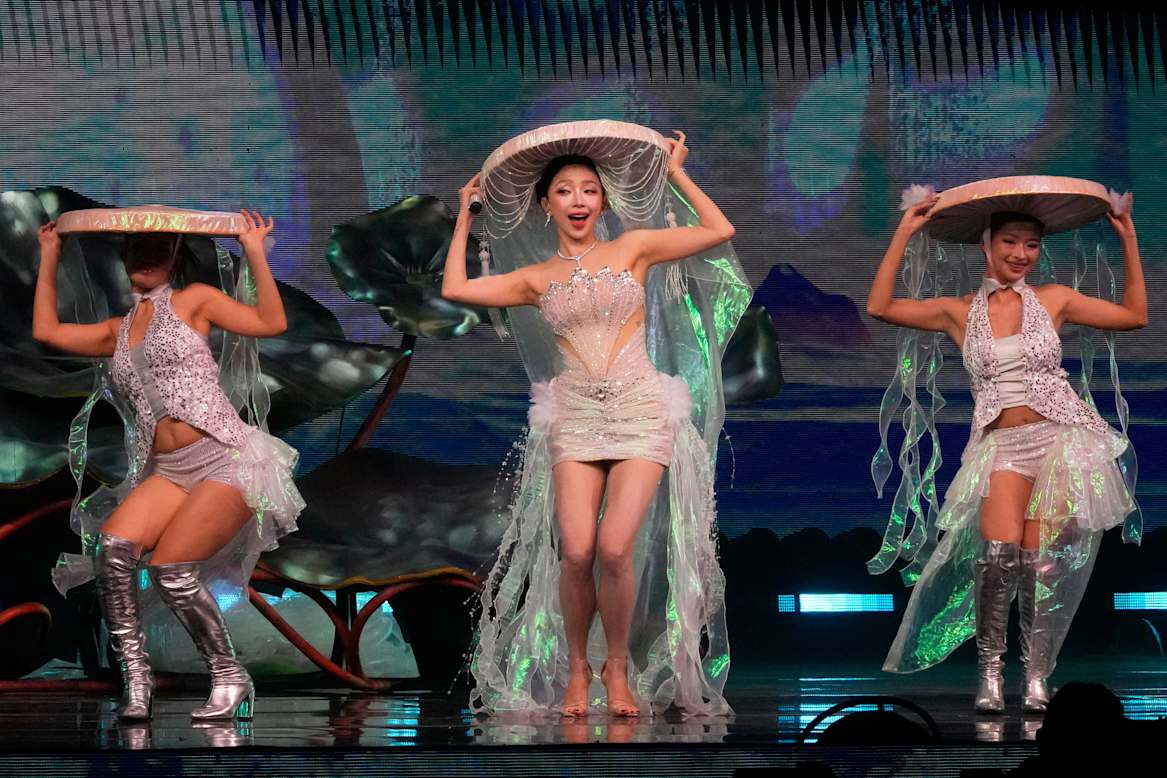
Taking place at the One Bangkok Forum in Thailand overnight, the inaugural competition kicked off with a bang, filling the stage with dancers atop street-food carts, neon deities, backflipping Muay Thai fighters and blinged-up tuk-tuks . It was a worthy introduction not only to the 11 participating countries – Bhutan, Bangladesh, Cambodia, Laos, Malaysia, Mongolia, Nepal, the Philippines, the Republic of Korea, Thailand and Vietnam – but also to a Eurovision spin-off 18 years in the making .
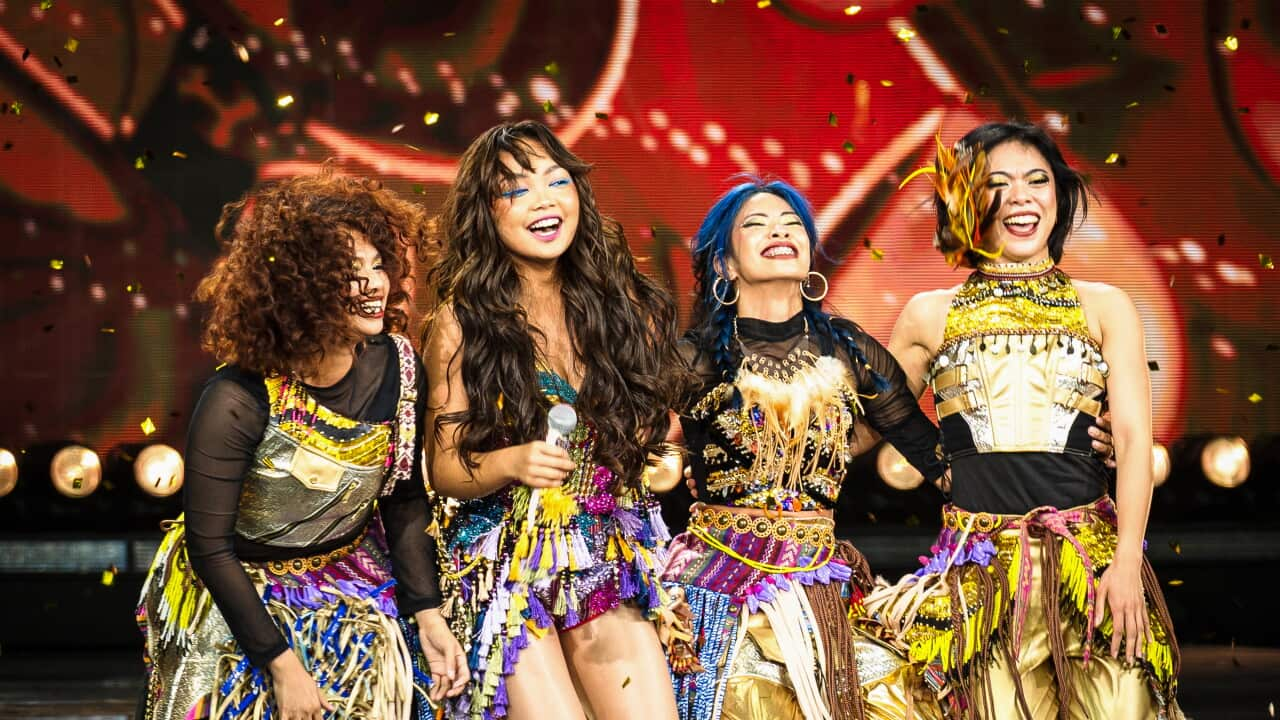
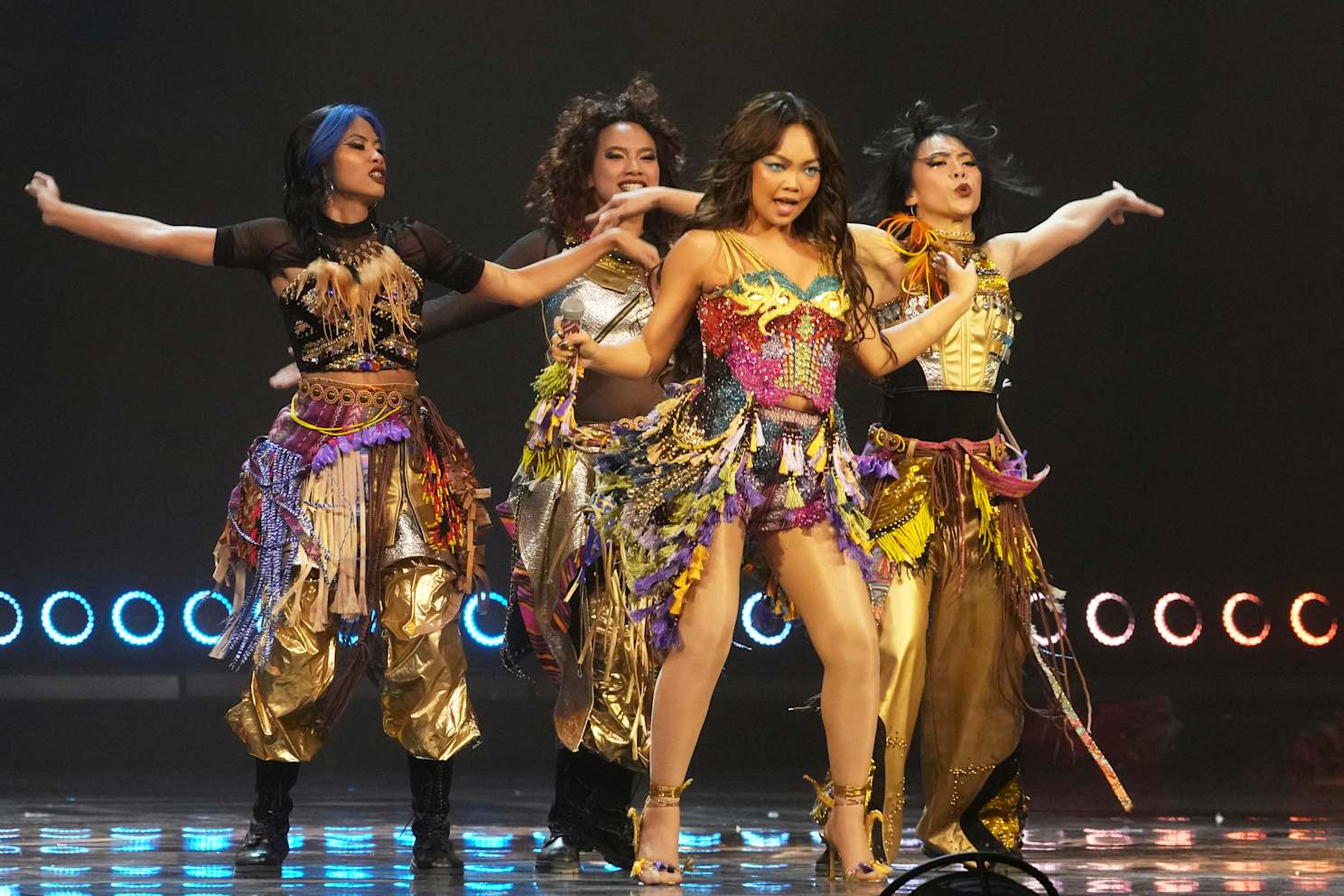
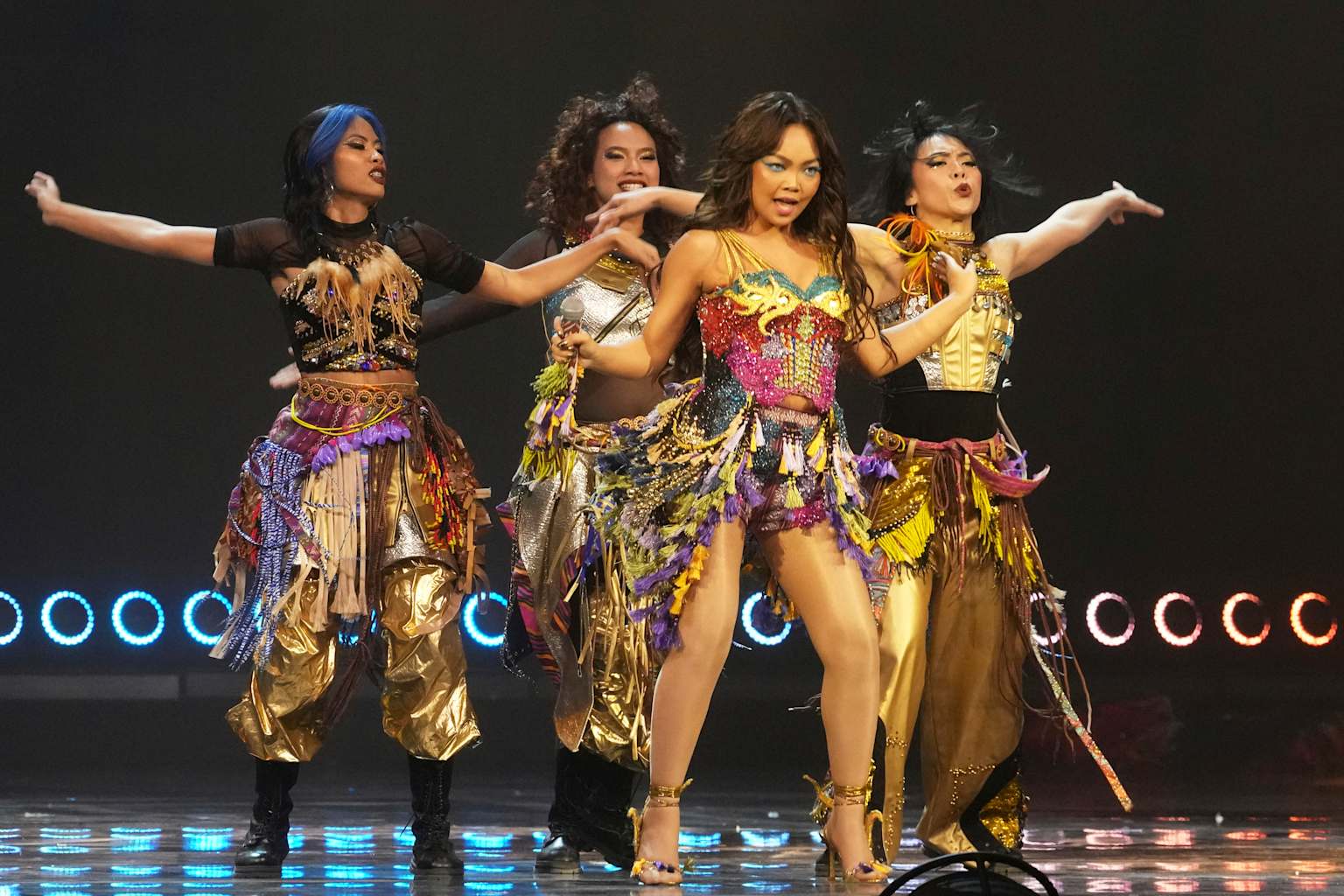
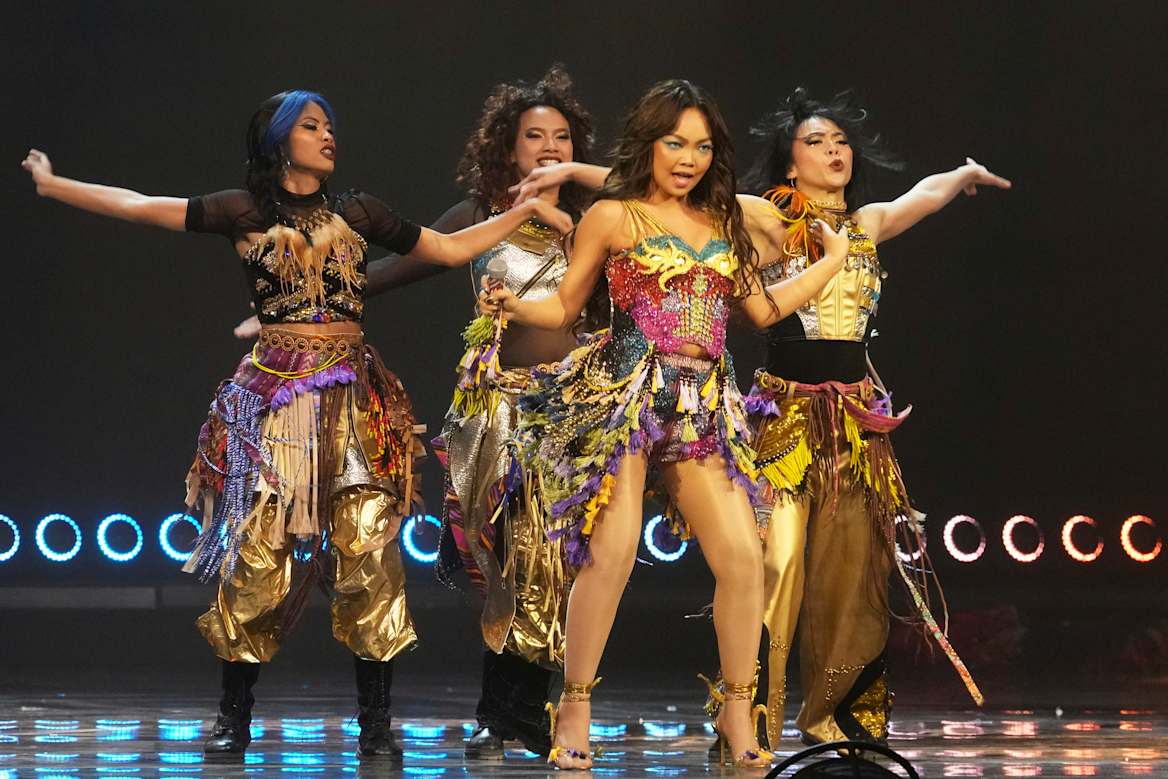
A 19-year-old Filipina ultimately took home the trophy , making history for what organisers hope becomes a regular Eurovision instalment. Carmelle Collado’s pop-rap combo Sobra-Sobra won the hearts of both the professional juries and public voters. Thailand’s duo Mang x Daou took out second place, followed by competitors for Vietnam and Malaysia.
While it didn’t quite meet the OG Eurovision’s level of camp and kookiness, it suggested that, with time, it certainly could. So here are some of the wildest, weirdest and most wonderful moments from the world’s first Eurovision Asia.
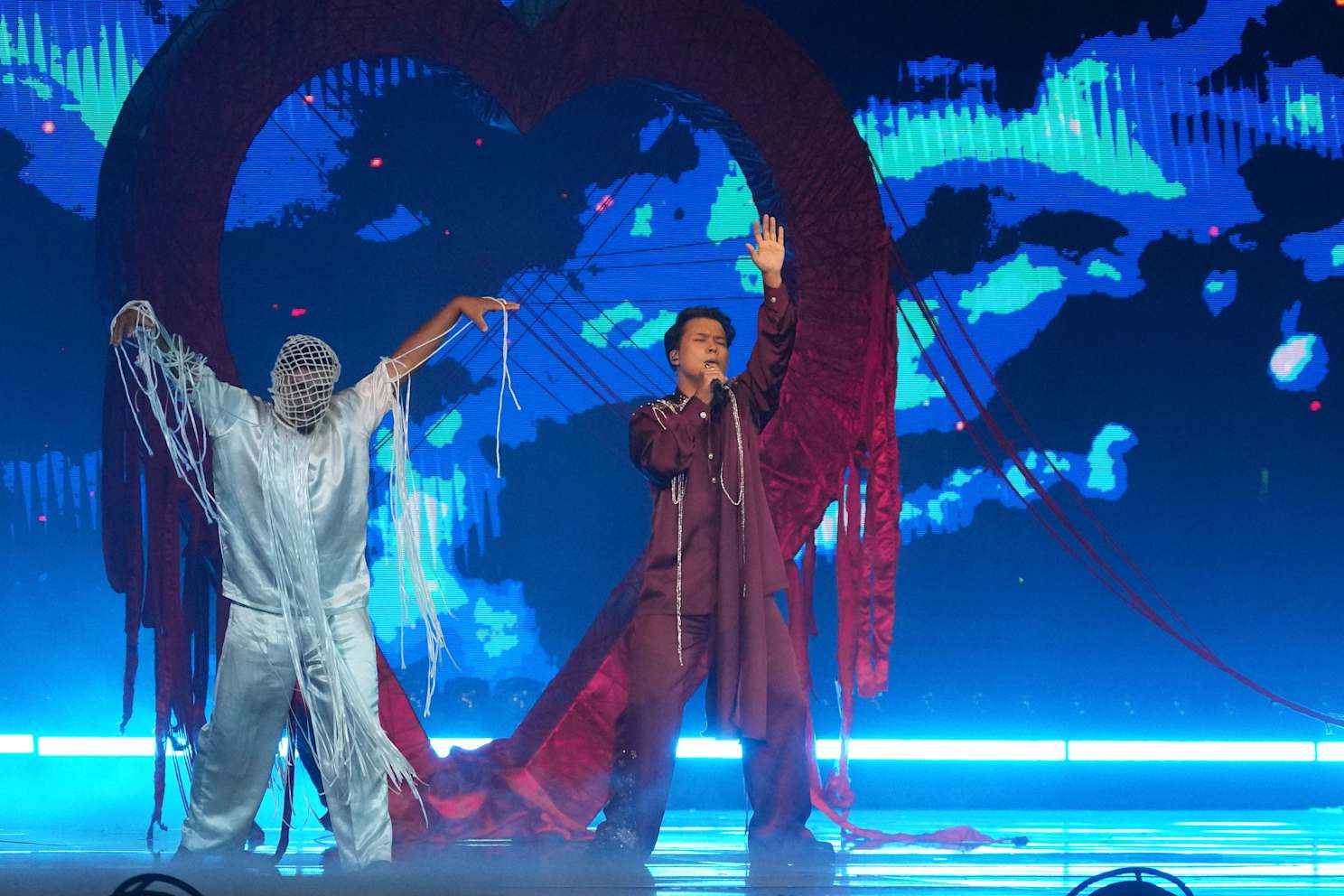
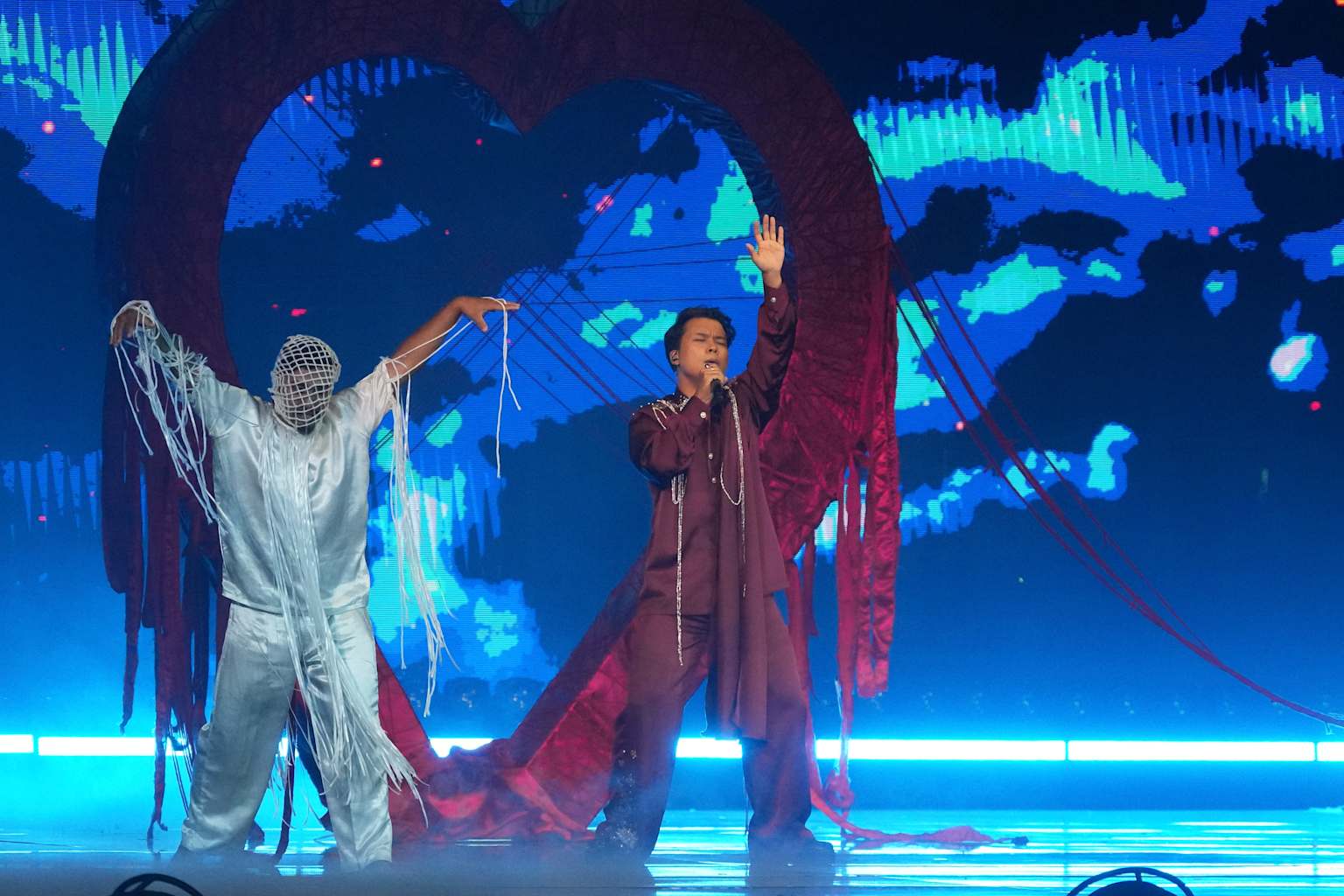
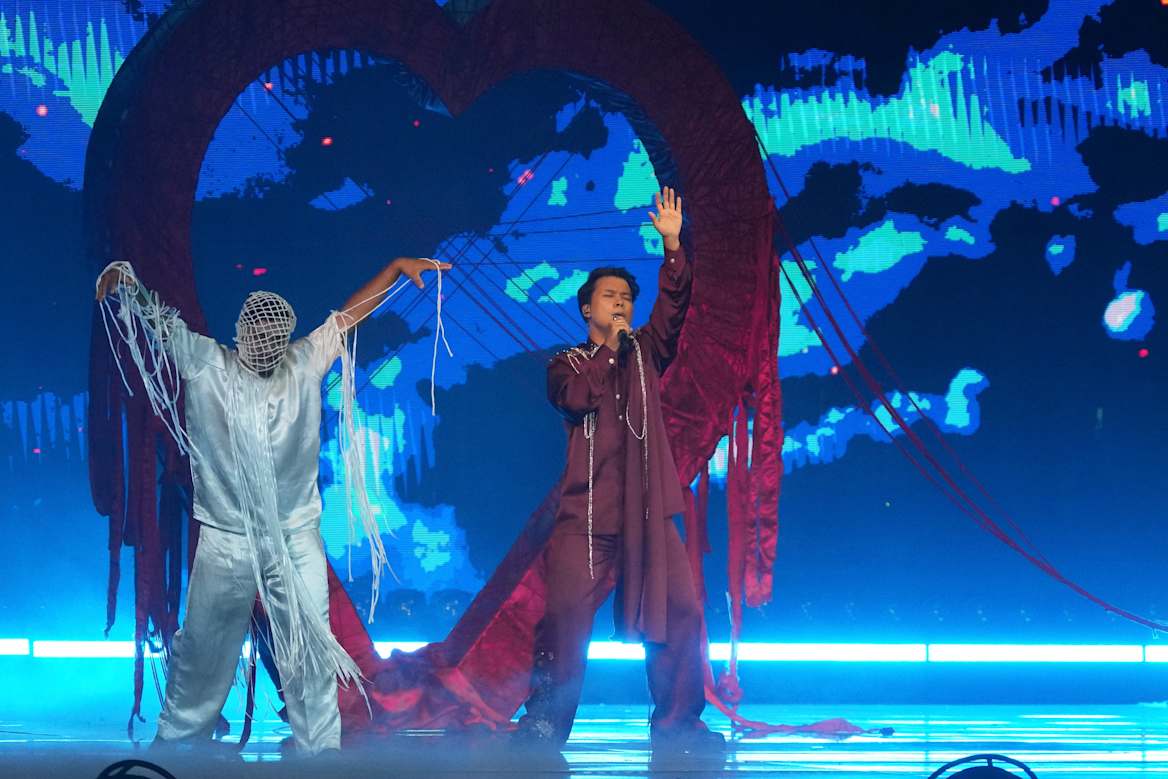
Nepal’s Pratik Himal Rai delivered arguably the most Eurovision-coded performance of the night. He appeared on-stage looking like any Joe Blow, as if he’d strolled in from the office. But then, suddenly, he erupted into the hard rock ballad Ananta Maya , hitting both unexpectedly high and low, gravelly notes. Fire projections surrounded the stage, pyro erupted from all sides, two back-up dancers in what looked like string straitjackets were tied to a giant heart structure, also covered in string. It was precisely what you’d expect from a Eurovision number: over-the-top and so theatrical it verged on kitsch. Rai, it turns out, is far from your average Joe Blow.
In one of few quasi-political moments on the night, the Nepalese performer implored the audience to offer their support for his home nation, which he said is currently “going [through a] very hard situation” following catastrophic ice and rock avalanches and major floods in August.
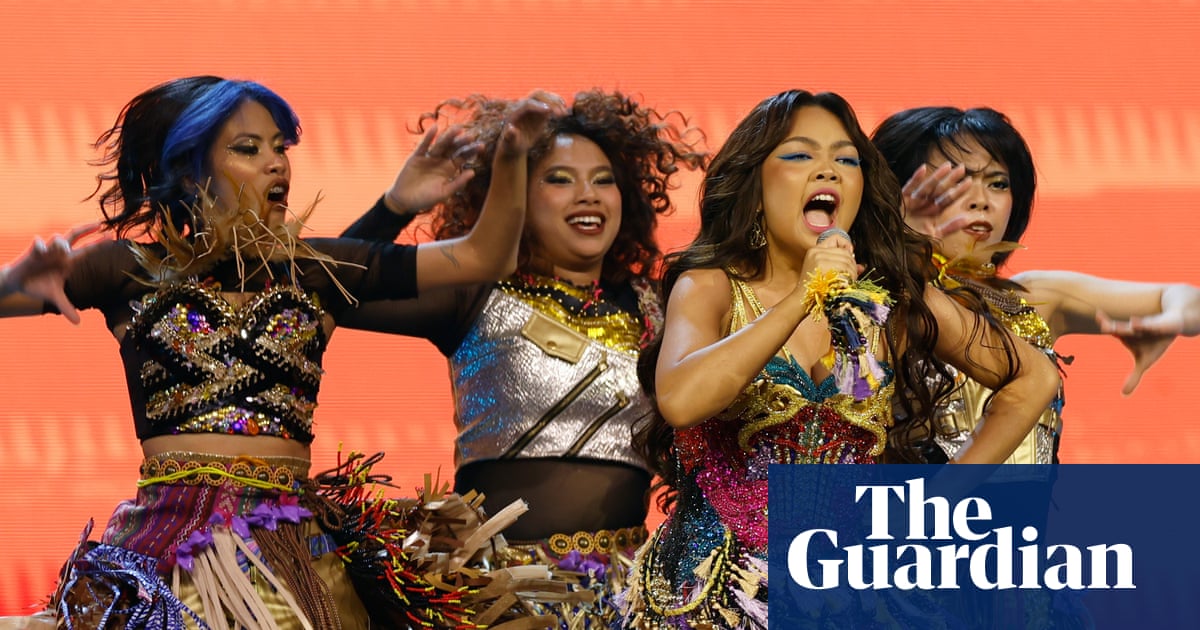
Carmelle may have only recently become a legal adult but the Filipina singer looked like a veteran performer on the Eurovision stage. Having competed in televised singing contests since she was 12, her song Sobra-Sobra hit all the right notes (literally and figuratively): it was upbeat, it seamlessly combined pop and rap, and its chorus became an immediate earworm. It also featured traditional Philippine instruments and the Tagalog language.
“I made history, since this was the first time,” the 19-year-old told the Associated Press following her win. “It’s such a big responsibility for me because this one is a global stage, so thank you everybody who voted for me.”
Carmelle received her trophy from the winner of the 2026 Eurovision Contest, Bulgarian singer Dara, who also performed her winning number Bangaranga on-stage. Getting to watch that live again was, as expected, a banging treat.
Given Eurovision is a live show, naturally things can go wrong. In an unlucky turn of events, Laos’ Thinla experienced a sound malfunction during her performance of Bae , which meant she couldn’t hear her music. This, in turn, resulted in an off-pitch, low-energy number – highly unusual for Eurovision.
The evening’s hosts – Thai television personalities Woody Milintachinda and Cindy Bishop – explained the mishap once all the performances were complete, and said that in the interest of fairness, Thinla’s dress rehearsal would be shown and judged. It was a reminder of Eurovision’s long-standing spirit of community, especially given Thinla went on to receive the third-highest public score of the night.
For Aussie Eurovision fans, Delta Goodrem’s cameo would have been an immediate highlight. The beloved singer, who performed on behalf of Australia at Eurovision 2026 (and placed fourth), appeared via a pre-recorded video call with each of the 11 participants, wishing them luck and reminiscing on her own experience in the contest.
“As long as I knew I had done the very best I could have done, and I was proud of what I did – that no matter where I placed, I felt like I had won, that I had represented my country well,” she said. “That was all I wanted to be proud of … Whatever [place] you come, as long as you know that you did the very best you possibly could’ve, that’s all we can ever ask for in life.”
She didn’t stop there, though (this is Delta we’re speaking about). She recorded her own versions of all 11 competing entries for the inaugural Eurovision Asia. That’s right, you can listen to Goodrem singing Bae ad nauseam.
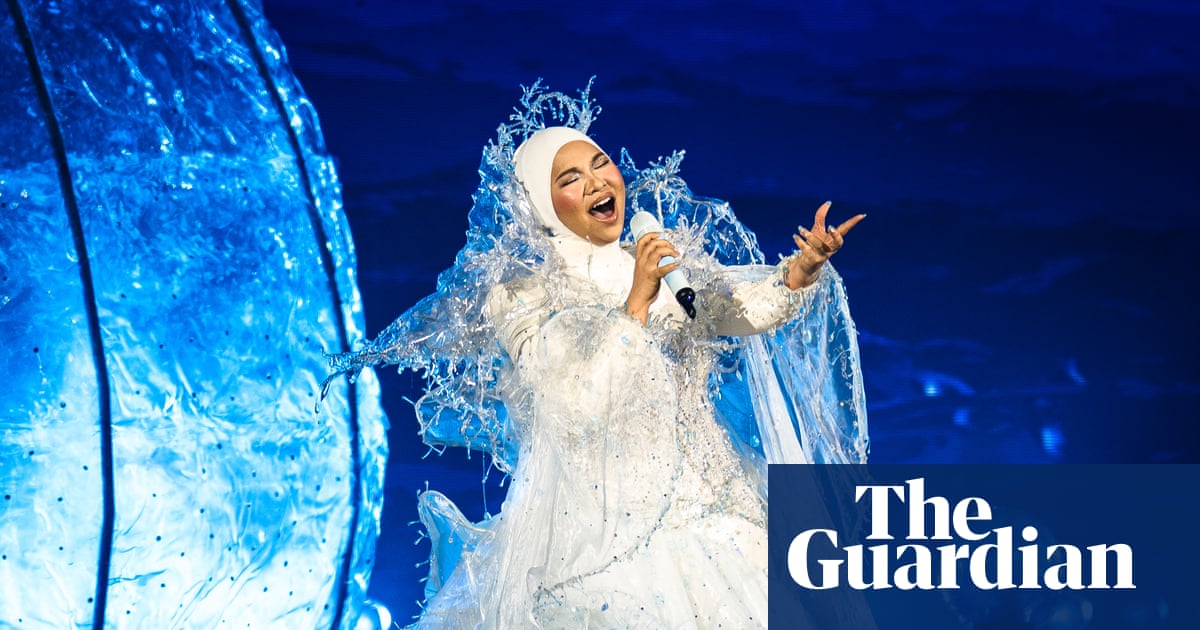
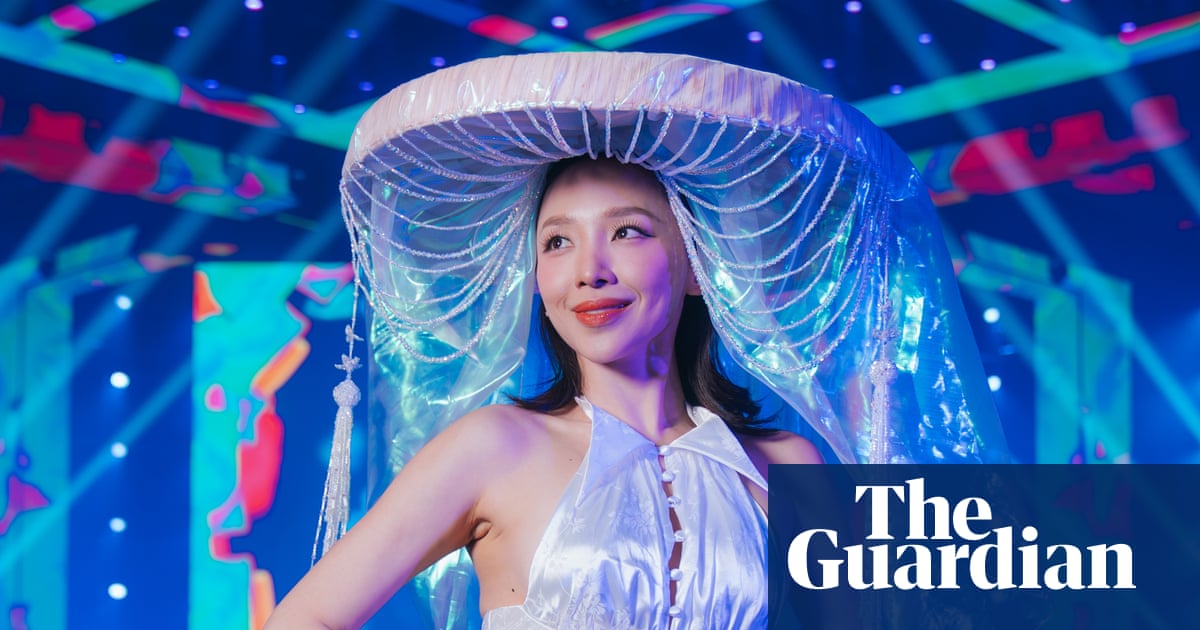
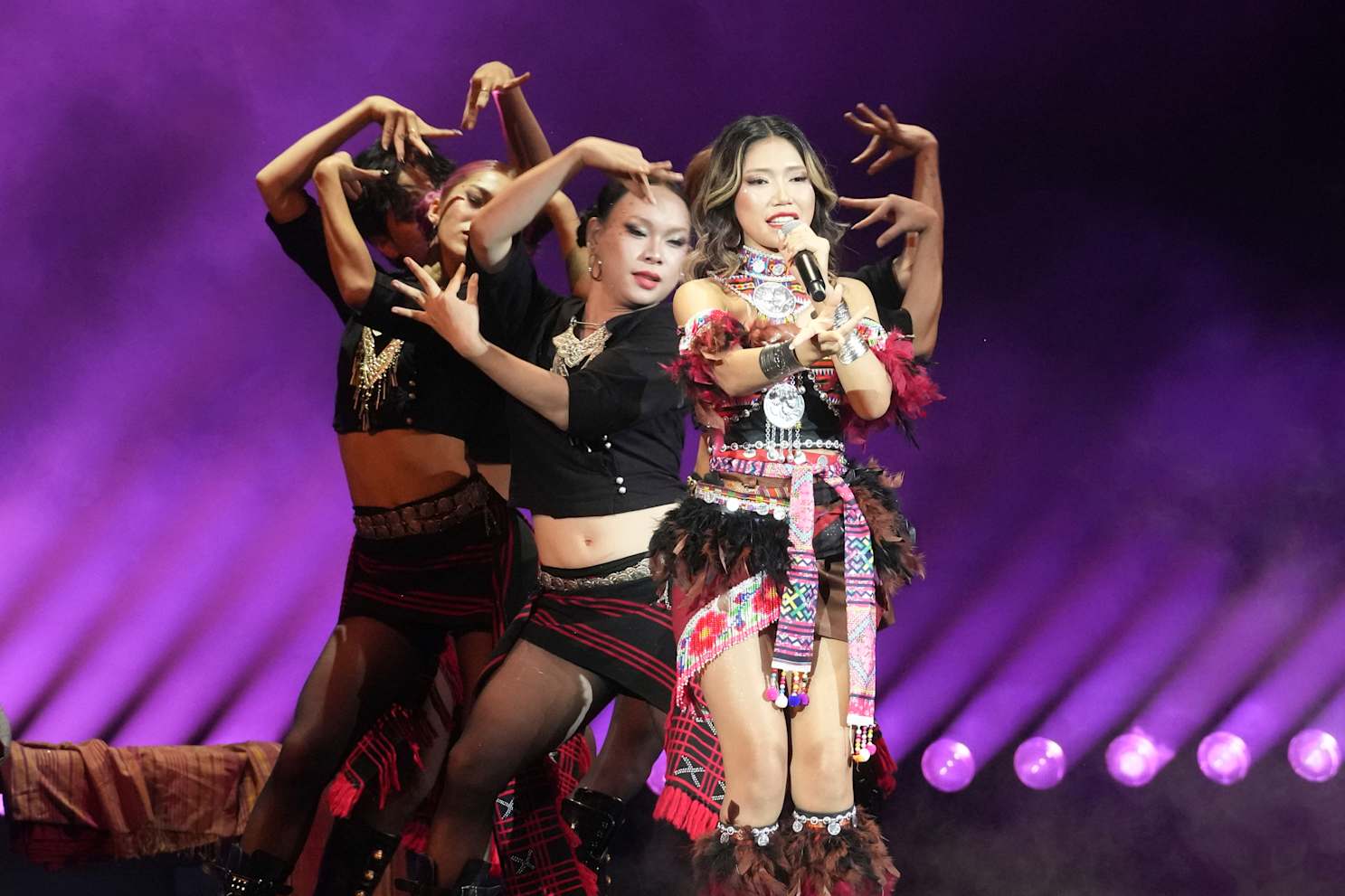
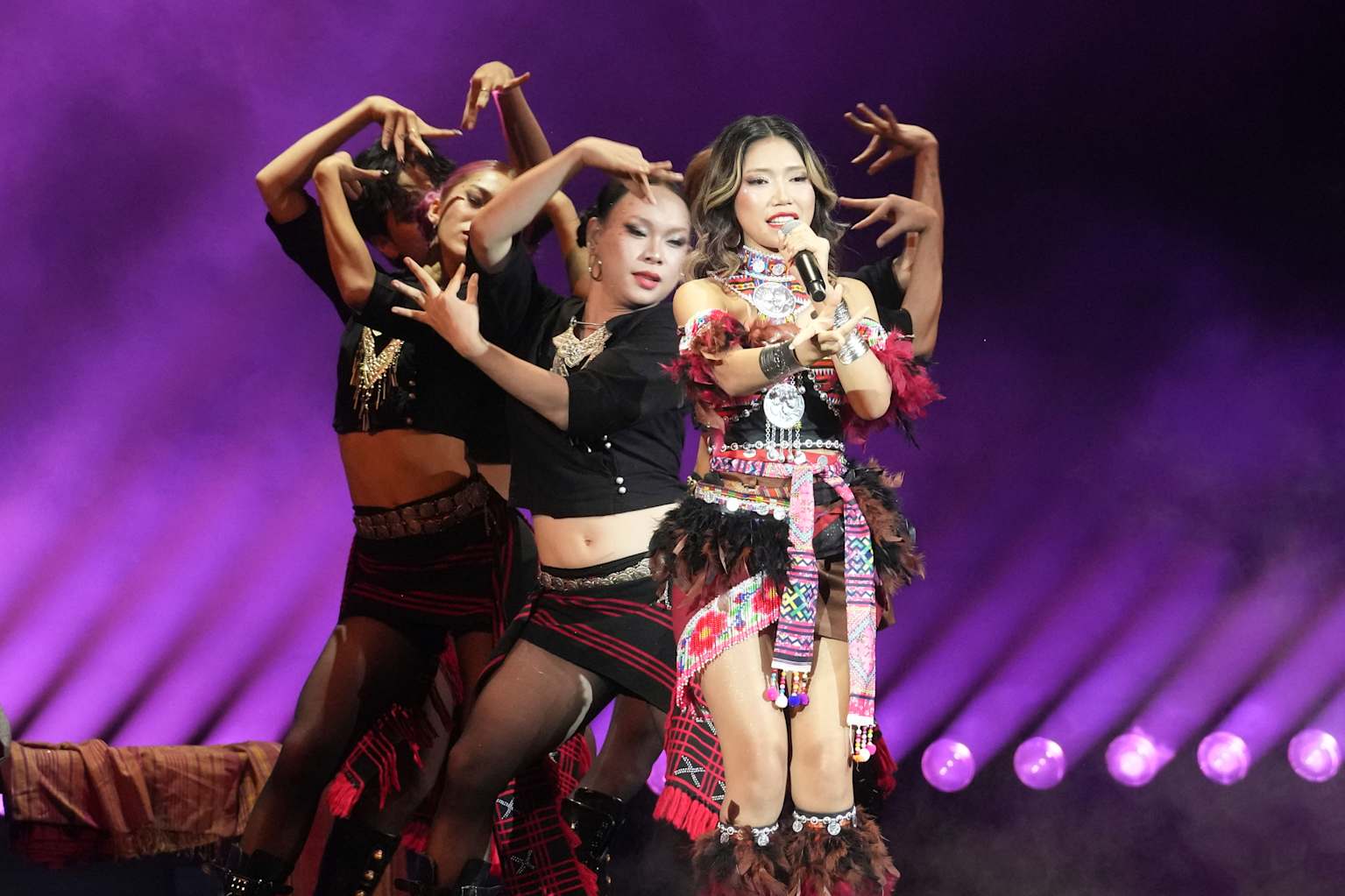
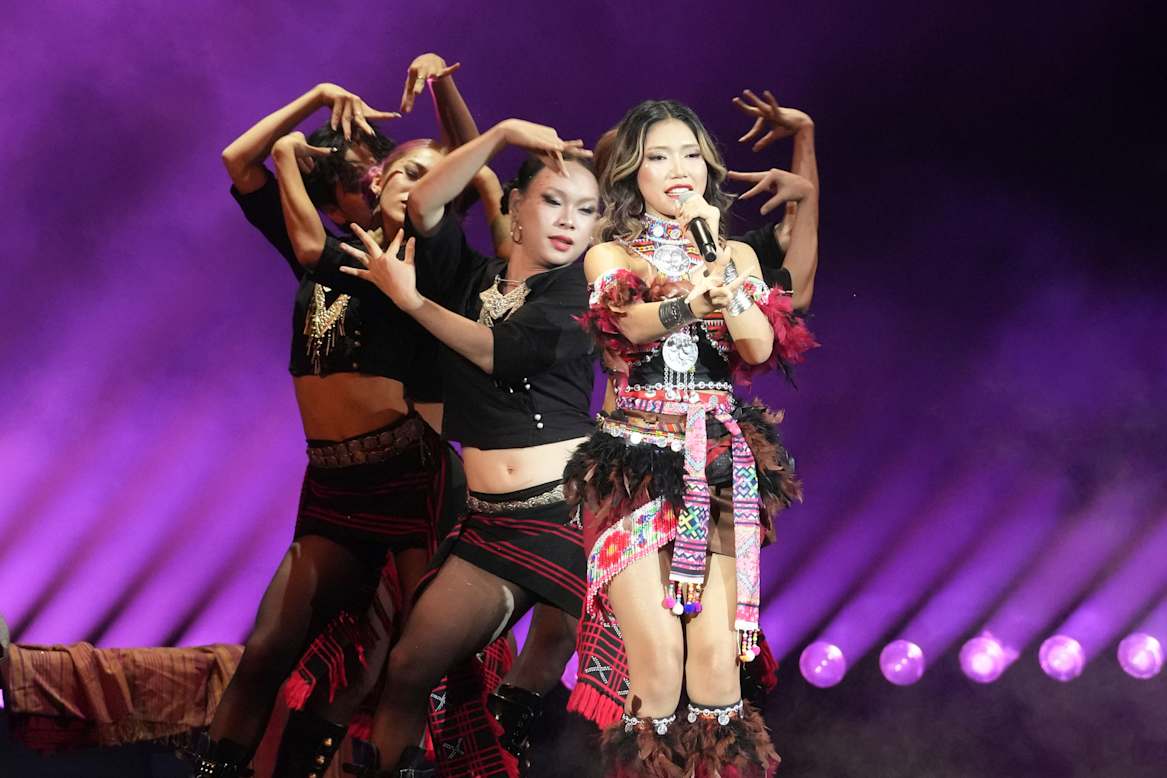
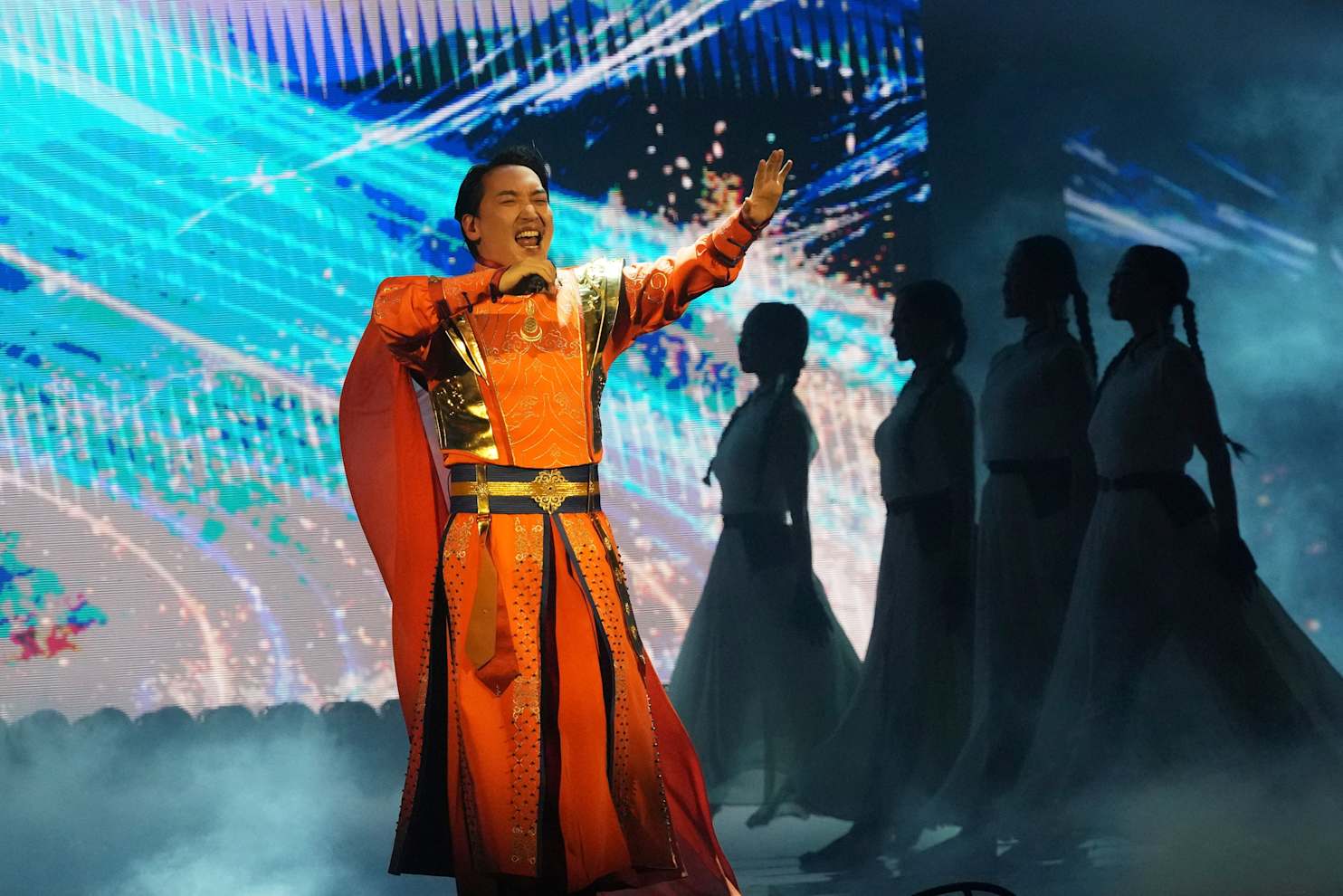
These contestants didn’t come to play, with most of them donning gorgeous costumes representing their cultures. Bhutan’s Nyendra (who didn’t even have a passport before joining Eurovision) dressed in his country’s national dress for men, the gho. Mongolia’s Beck, meanwhile, sang in an elevated orange and gold deel, which he described as a “suit of a warrior” . And Thinla wore a colourful hill-tribe outfit traditional to Laos.
In a slightly weirder (and therefore classic Eurovision) choice, several performances, including Nepal’s and Thailand’s, featured masked back-up dancers. Their faces were fully concealed by mesh masks for reasons difficult to determine. It was presumably related to the songs they were singing but this is Eurovision, so it could also have been entirely random.
The instrumentals also brought local flair to the competition, including the Philippines’ kulintang and kubing, a jaw harp. Some country’s entrants, however, didn’t use any instruments at all, such as Bangladesh’s beatboxing troupe Beatmosphere, who solely used their six members’ voices to create a rich backing track.
To hosting duo Woody Milintachinda and Cindy Bishop’s credit, they gave it their all. Equipped with kilowatt smiles throughout, the pair attempted to explain Eurovision’s confusing, lengthy rules and scoring process to the audience. But it appeared they were just as confused as us, often leaving awkward pauses and encouraging far more laughter from the crowd than they were obviously willing to give. They may not have reached the iconic levels of former Eurovision hosts like Hannah Waddingham or Petra Mede but that, in a strange way, added to the appeal. What’s Eurovision without a sprinkle of cringe anyway?
Find out the next TV, streaming series and movies to add to your must-sees. Get The Watchlist delivered every Thursday .
You have reached your maximum number of saved items.
Remove items from your saved list to add more.
You've used all of your gift articles. 3 more will become available on the 1st of every month.