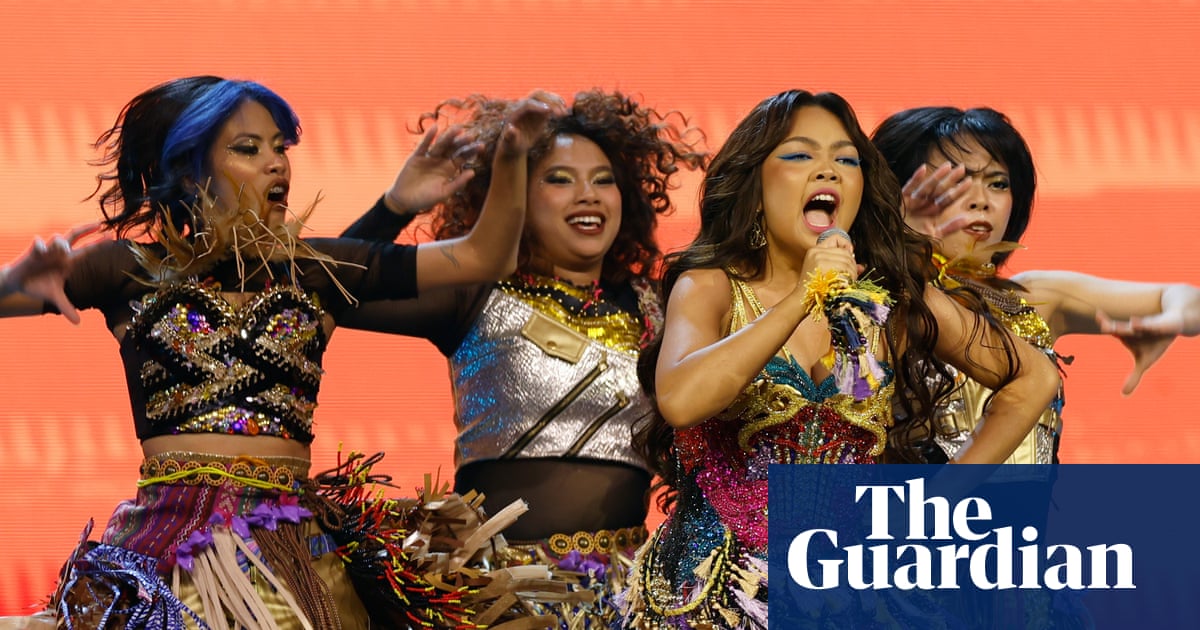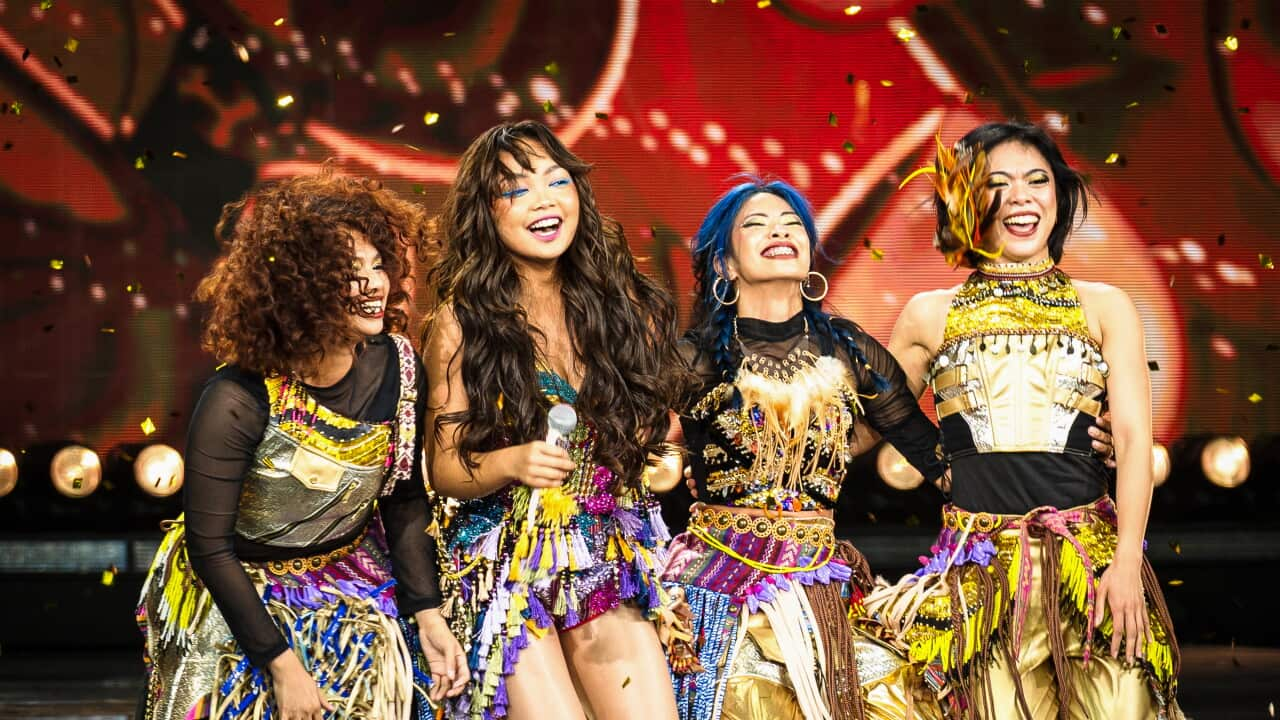
A teenage pop star from the Philippines won the first Asia edition of Eurovision overnight after a night of power ballads, pop-dance hits and pyrotechnics from the makers of the cult European kitsch fest.
Carmelle, 19, was crowned queen of the inaugural Eurovision Song Contest Asia in Bangkok for her performance of Sobra-Sobra (Too Much), a shoutout to strong women.
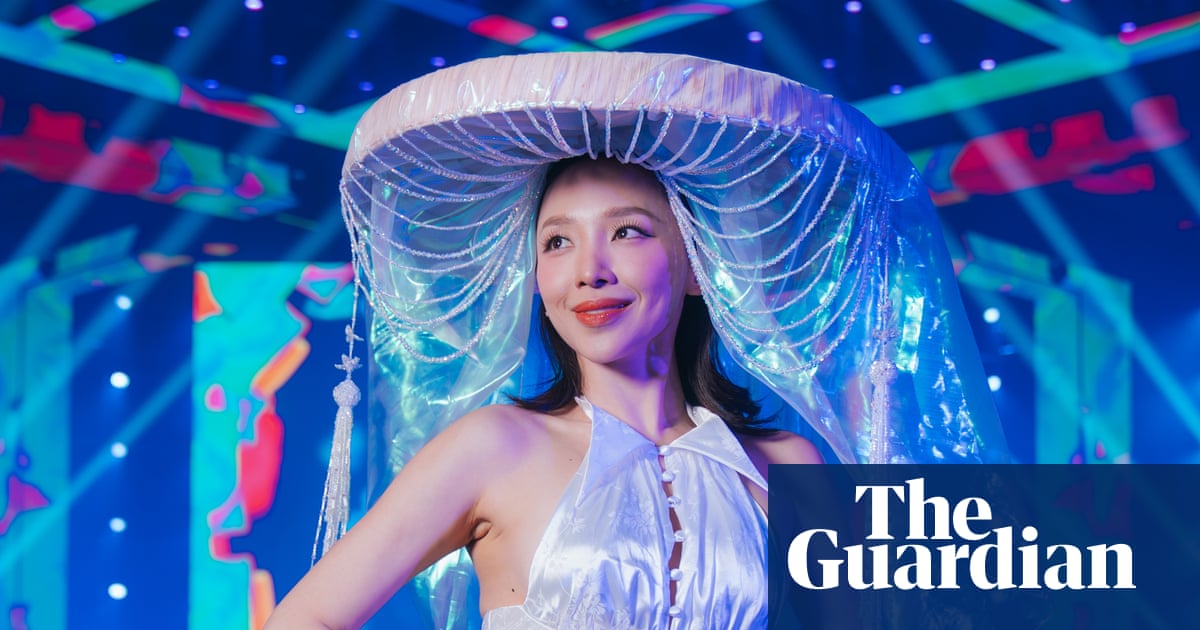
Hosts Thailand finished a close second, followed by Vietnam, Malaysia and Laos, with Nepal, Cambodia and Bangladesh at the bottom of the points table.
Eleven countries joined the competition that organisers hope will start a new chapter for Eurovision , a cultural phenomenon in Europe for its lavish outfits, soaring vocals — and sometimes tricky geopolitics.
"I'm genuinely impressed with what they've done, the vibe and the music," said Alex Cobham, 33, a British Eurovision fan who lives in Thailand and could not believe her luck when it was staged in Bangkok.
Your trusted source for staying up-to-date with the world around you. Get free daily news updates and analysis, straight to your inbox.
"It's embodying the spirit for sure — camp, fun, gorgeous, good songs."
Eurovision is the world's biggest televised live music event, drawing 131 million viewers in 2026, and over the past 70 years has helped to launch the careers of global superstars such as ABBA and Celine Dion.
But the big question is whether it can take off in Asia, the world's most populous region with more than enough music shows of its own.
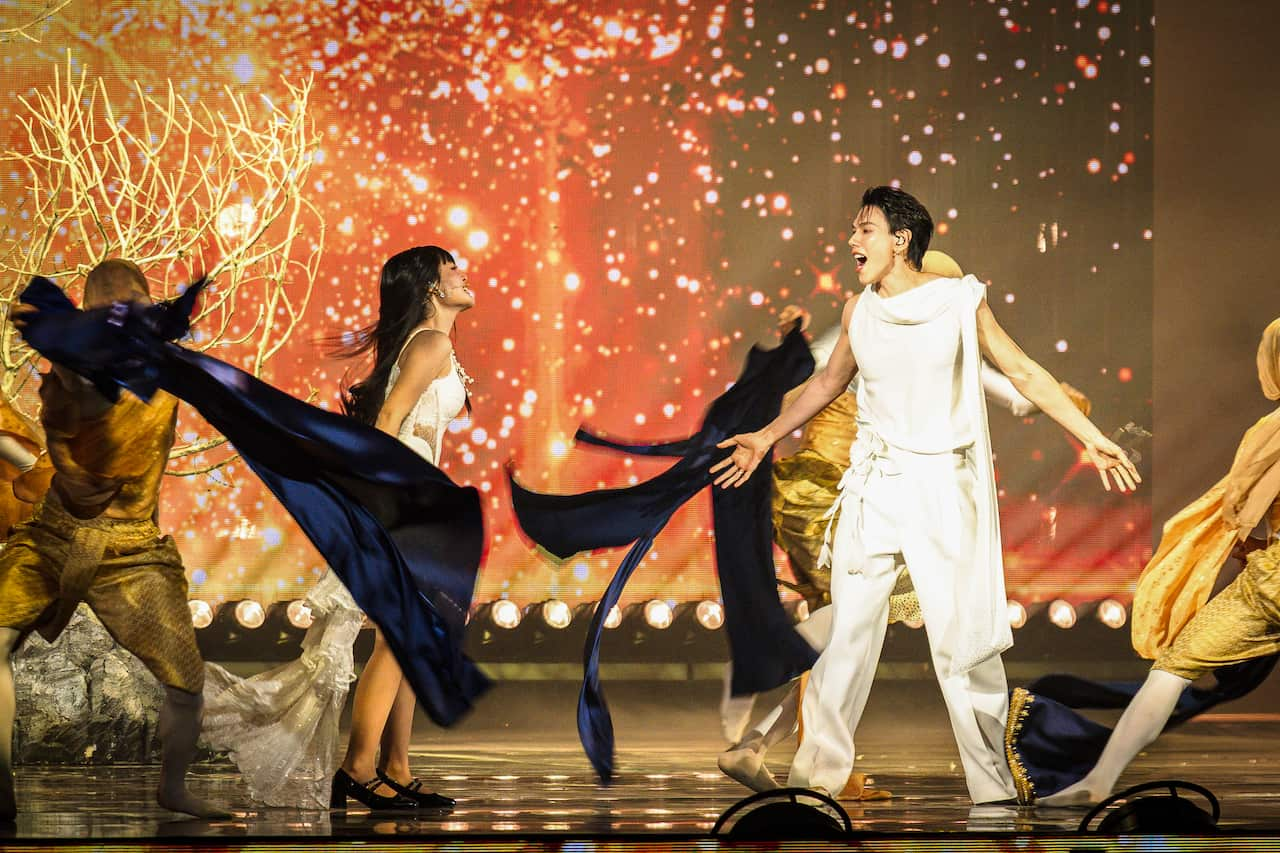
The audience was small in Bangkok on Saturday (local time) but the energy was big, with the international crowd going wild for Thailand's pop duo Mang x Daou and South Korea's K-pop star Junhee.
"I'm very pleased it's come to Asia. We've been waiting so long!" said Malaysian mega-fan Fauzan, 37, one of the first in line for the show.
He was wearing a blue corset over a white trouser suit in honour of his nation's entry Aina Abdul, who performed her song inside a giant water droplet wearing a dress that took 600 hours to make.
She was an early favourite after juries from participating countries cast their votes, but Carmelle shot ahead on the public vote.
"This is such an unexpected journey for me," the singer told AFP afterwards, brandishing her trophy, admitting she did not know about Eurovision before.
"I really enjoyed it. I feel like it's not a competition, I feel like I just did my own concert," she said.
In her song, Carmelle declares that anyone who says she is too much for them is not enough for her.
It's a "tribute to all the Filipino women", she said.
Spectacular staging is a hallmark of Eurovision but budgets were tight in Bangkok, so most performers relied on smoke, flares and eye-catching visuals.
There were deeply heartfelt performances but also a lot of fun, including the use of multi-coloured tuk-tuks -- the symbol of Bangkok -- to ferry contestants on stage.
Singing must be live under Eurovision rules and some of the performers struggled, but the producers ramped up the energy, with a pop track by Vietnam's Toc Tien morphing into a heavy dance tune.
The Asia edition was organised by commercial television -- unlike Eurovision, which is run by national broadcasters -- and the contestants were mostly well known in their home countries.
But some have a less typical background, including Mongolian singer Beck, a trained economist who advises his country's deputy prime minister.
Bhutan's Nyendra, a 24-year-old singer-songwriter who had never before left his home country, admitted to AFP that "nobody knows me".
Eurovision marks its 70th birthday this year under a cloud, with 2026 viewing figures down 35 million on-year after a boycott by five countries over Israel's participation.
Organisers brush off any link between this controversy and the Asia show, noting the contest has been trying to expand for years. There was a US version in 2022, but it fell flat.
India, Japan and China were notably absent at Saturday's contest, but organisers hope to get them on board at a later date.
Martin Green, director of the European Broadcasting Union, which organises Eurovision, said it could take "two, three, five years" to establish the brand.
"Eurovision number one was basically with seven singers doing two songs each with a pot plant and a microphone," he told reporters, saying Saturday's show was "profoundly not the case".