First published 15 Nov 2026, 5:00am
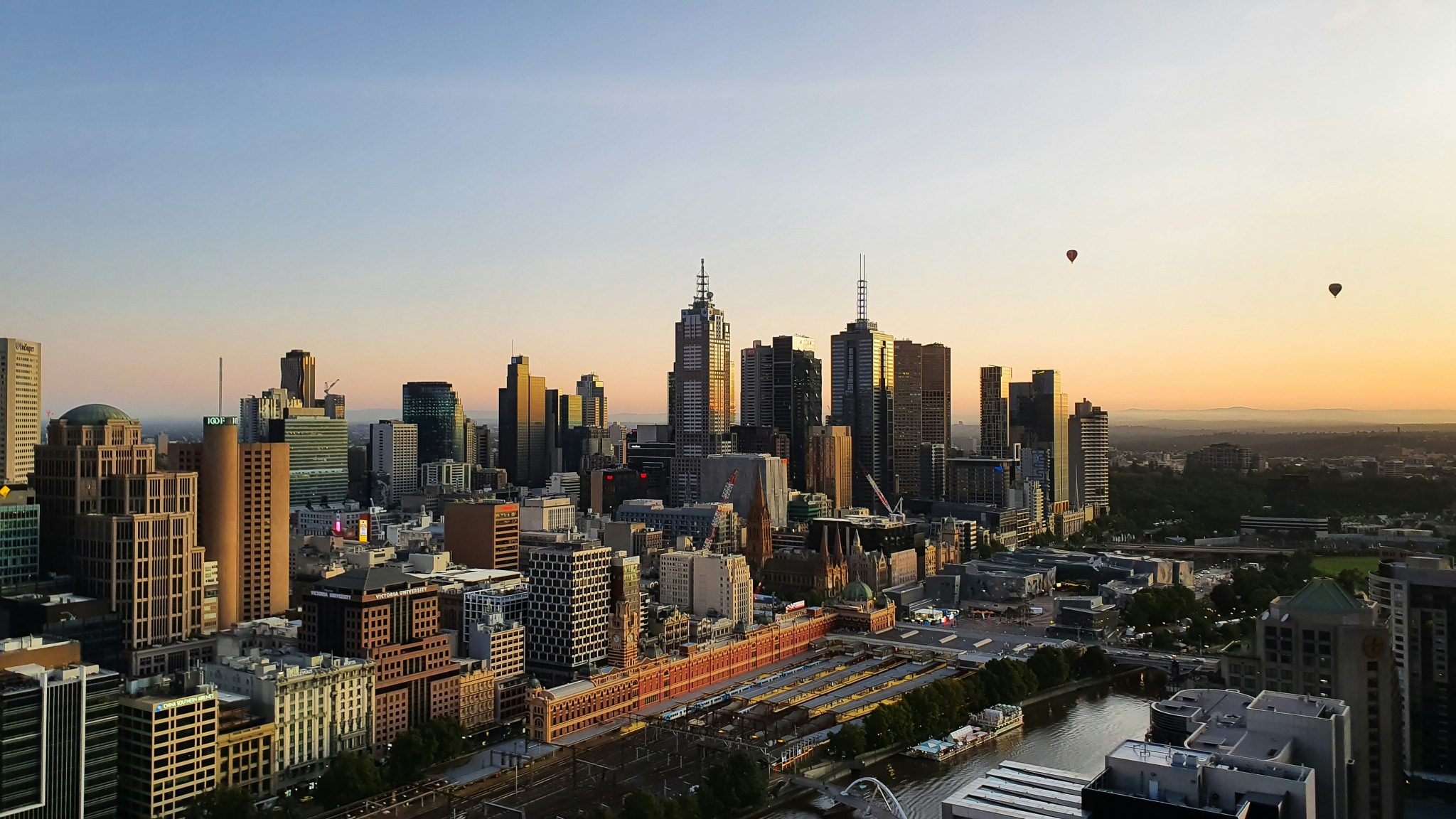
Melbourne could have one of the biggest risks to its housing market in the country as a result of the rise of generative learning AI models and their impacts on automation.
Melbourne’s inner northern suburbs are projected to face the worst of Victoria’s AI-led home price impacts, and the city’s workers face the nation’s greatest risks from the technology.
The Victorian capital’s weaker economy is expected to leave homeowners more vulnerable than those in Sydney, even though mortgages there are much higher.
There are growing concerns displaced workers will find it harder to land another job.
AMP Capital chief economist Dr Shane Oliver warned AI-driven job losses could accelerate in the next two to three years.
He also cautioned there is no guarantee the new roles created by the technology will pay as much as those lost.
RELATED: ‘Crashed’: Major Australian state losing the AI race
Sneaky bank computer trapping Vic mortgage holders
Expert warns: Aus not ready for life or death summer
Analysis from homebuyer support firm FoundIt shows that across Melbourne there are 101 regions facing risks from AI.
The top seven centre around Brunswick as well as inner-western pockets Yarraville, Seddon, Kingsville and Newport, and the Hawthorn region.
All are already facing the risk of falling home values from current market factors.
FoundIt head of research Kent Lardner found the wider Brunswick area had a vulnerability score of nine out of 12 as AI use rises.
Mr Lardner said jobs in banking and insurance were particularly vulnerable as these industries faced headwinds from the housing market downturn.
“If you look at where the highest numbers of bank employees are living in recently bought properties, it’s Melbourne,” Mr Lardner said.
“It’s possible that there is more (AI) risk in Melbourne. The mortgages are not as large as in Sydney, but what other jobs are available for those affected by AI? The Victorian economy is not as good.”
FoundIt head of research Kent Lardner has indicated Melbourne could be among the nation’s worst placed capitals for impacts to housing from the rise of AI.
Major employers are already cutting staff, including the Commonwealth Bank, which revealed in July it would shed 276 jobs partly due to automation.
This week, Qantas also announced plans to axe 850 corporate roles as it accelerates its use of AI.
Mr Lardner said the hardest-hit housing markets would be those with large numbers of workers in AI-exposed industries and a high share of recent buyers carrying big mortgages. He also warned the fallout would not be felt evenly across the market.
He added that AI adoption could also stifle wages, making it harder for already stretched households to pull themselves out of mortgage stress.
“The danger is that we already have so many people on the brink after five interest rate hikes this year … soft wage growth has a significant impact when your mortgage costs keep rising,” he said.
“The average wage earner sits as a loser due to AI, but the average investor or business owner ends up a winner.”
The housing market for Brunswick in Melbourne’s north has been identified as having some of the greatest risks ahead of it from the rise of AI.
AMP Capital chief economist Dr Shane Oliver said it was entirely possible AI would affect the housing sector in the coming years.
He warned wealthier neighbourhoods were much more likely to bear the brunt of it.
Mr Oliver said past tech-driven job losses mostly hit blue-collar workers, particularly when manufacturing declined across Australia in the 1990s.
The rise of the internet also wiped out clerical and postal roles, which mostly affected housing markets in more affordable price brackets.
“But here the impact is more of white-collar workers, finance and professional services,” he said.
“So it’s quite likely you will see more of an impact in areas where home prices are otherwise quite high.”
AMP Capital’s chief economist Dr Shane Oliver believes any AI-impact on jobs is likely to affect more white-collar-based industries in a way that hasn’t been seen before.
The economist added higher-earning white-collar workers could struggle to replace their pay if they lose their jobs. Even if AI creates new roles, they may not come with the same salaries.
“They won’t necessarily be high-end jobs that will be created. So there’s a lot of uncertainty over which way it goes over the long term.”
However, Mr Oliver said the technology could also give remaining workers more leisure time and extra spending money. He noted this could boost demand for tradies and hospitality staff.
Mr Oliver said employment could initially rise as companies hire extra staff to work out how to use AI to cut their workforces.
He noted it would likely take two or three years before wider job losses became “more pronounced”.
“The optimist in me says that it will probably turn out OK and you don’t have to worry about it, but that doesn’t mean that there won’t be a period of upset for white-collar jobs.”
Tradies and hospitality workers might wind up benefiting from increased demand as AI continues to grow.
However, the recent US midterm election results could also slow the pace of AI-driven change.
The outcome appeared to deliver a mandate for tighter regulation of the sector in the superpower that has led most of the innovation so far.
FoundIt’s research tracks roles rated by Jobs and Skills Australia as most exposed to generative AI and automation, mostly in clerical, administrative and professional fields. However, the agency has stressed the main risk is jobs changing rather than disappearing.
FoundIt also compared suburb ownership levels, including how many homes were owned outright or with a mortgage, alongside listings, sales and six-month price trends.
The analysis also factored in how most residents earned their income.
With higher access to investment and business revenues, residents in areas like Toorak and South Yarra were considered among the better placed to dodge impacts.
Brunswick East — AI risk: high; six-month outlook: 8.6 per cent home value fall
Brunswick (south) — AI risk: high; six-month outlook: 8.4 per cent home value fall
Brunswick (north) — AI risk: high; six-month outlook: 8.8 per centhome value fall
Yarraville — AI risk: high:; six-month outlook: 9.7 per cent home value fall
Hawthorn (south) — AI risk: high:; six-month outlook: 8 per cent home value fall
Seddon-Kingsville — AI risk: high; six-month outlook: 8.2 per cent home value fall
Newport — AI risk: high; six-month outlook: 8.9 per cent home value fall
Heidelberg-Rosanna — AI risk: medium; six-month outlook: 6.5 per cent home value fall
Mentone — AI risk: medium; six-month outlook: 9.2 per cent home value fall
Mordialloc-Parkville — AI risk: medium; six-month outlook: 9.2 per cent home value fall
Data tracks expected price declines from current market forces, which will leave areas more exposed to changes caused by AI-led job transformation in the future.
Sign up to the Herald Sun Weekly Real Estate Update. Click here to get the latest Victorian property market news delivered direct to your inbox.
MORE: Ex-Magpie Heath Shaw scores $2.9m deal
Vic homes not ready to survive future weather
Vic govt, Albo called on to fill landlord hole
Help us improve your reading experience
Got a minute? Your feedback will help us build a better experience for you.