Trending
Prev Story
Next Story

Millions in US use unapproved GLP-1s—and use them in unapproved ways

Ars Technica •
November 13, 2026 • 09:59 PM
1
1 reads 0 reactions

Cost and access barriers are pushing people to modified use and unapproved versions.

Millions in US use unapproved GLP-1s—and use them in unapproved ways

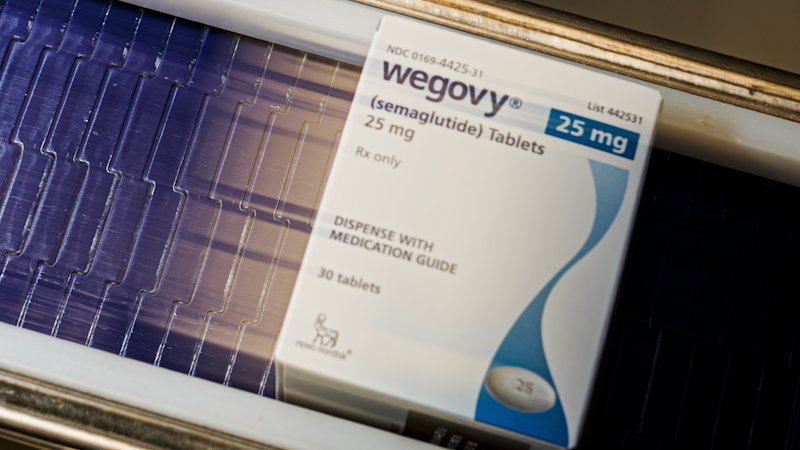
GLP-1 medications are everywhere these days. The peptide-based drugs are both highly effective and wildly popular for diabetes, weight loss and a growing range of connected chronic health conditions, including cardiovascular disease and obstructive sleep apnea. But, amid the boom, the latest data suggests millions of Americans have turned to unapproved versions and are using the potent drugs in ways doctors never intended, raising questions about what that real-world use means for safety and efficacy.

In a study published this week , researchers at the Centers for Disease Control and Prevention broke down survey data of GLP-1 use collected between July and August of 2025. Based on responses from over 8,000 US adults, the researchers estimate that about one in 10 US adults (9.8 percent) used a glucagon-like peptide-1 receptor agonist, aka GLP-1 medication, in 2025. That’s around 27 million adults. The study was published in the CDC’s Morbidity and Mortality Weekly Report.

Among GLP-1 users, nearly half (44 percent) reported using their GLP-1 in a way that was different from how it was prescribed. Users skipped doses, delayed getting refills, and used smaller doses than prescribed, among other changes. More than half of the people modifying how they used the drug said the changes were because of cost or availability reasons. Cost and access barriers were most pronounced among younger GLP-1 users. Fifty-eight percent of adults 14­–39 years old who modified their use cited cost as a barrier, compared with just 20 percent of adults 65 or older who said the same.

Modified use of GLP-1 medications was particularly common among those using compounded versions of GLP-1 medications. Among all GLP-1 users, at least 23 percent used a compounded version; an additional 9 percent said they didn’t know whether their GLP-1 was compounded or not.

Prev Swipe Story Next

Same Story from Other Publications

Compare how 6 other independent news outlets reported on this story.

6 Publications
CNN International
11h ago
What GLP-1 Side Effects Are Really Like | CNN

What GLP-1 Side Effects Are Really Like | CNN

9 women share their GLP-1 side effects. Watch the full episode at CNN.com/BodyLanguage.

BBC News
3d ago
Makers of GLP-1 drugs ordered to add warnings about rare eye condition that can lead to blindness

Makers of GLP-1 drugs ordered to add warnings about rare eye condition that can lead to blindness

The US Food and Drug Administration says Ozempic, Wegovy, and other weight-loss drugs must have labels about the condition, known as NAION.

CNBC World
3d ago
FDA warns of vision loss risk linked to popular GLP-1 drugs like Wegovy, Zepbound

FDA warns of vision loss risk linked to popular GLP-1 drugs like Wegovy, Zepbound

The agency has found evidence of a potential increased risk of a rare eye condition linked to the use of GLP-1 drugs used for weight management and diabetes.

The Age
6d ago
‘Feeling really weak and shaky’: Experts warn of malnutrition risks on GLP-1s

‘Feeling really weak and shaky’: Experts warn of malnutrition risks on GLP-1s

Rapid weight loss can trigger hair loss, heart complications and vitamin deficiencies if nutrient needs go unmet, health experts have warned.

SBS News Australia
1w ago
A GLP-1 weight loss pill has been approved in Australia. Here's what we know

A GLP-1 weight loss pill has been approved in Australia. Here's what we know

The medication, traditionally used for diabetes, has been approved for weight management and cardiovascular concerns.

Sydney Morning Herald (SMH)
1w ago
First GLP-1 weight loss pill in Australia to hit market by end of the year

First GLP-1 weight loss pill in Australia to hit market by end of the year

Wegovy’s GLP-1 weight loss tablet has been approved in Australia for the first time, expected to lead to a surge in demand for the sought-after peptide which could hit the market by the end of this year.

Related Stories

World News
Build #2612