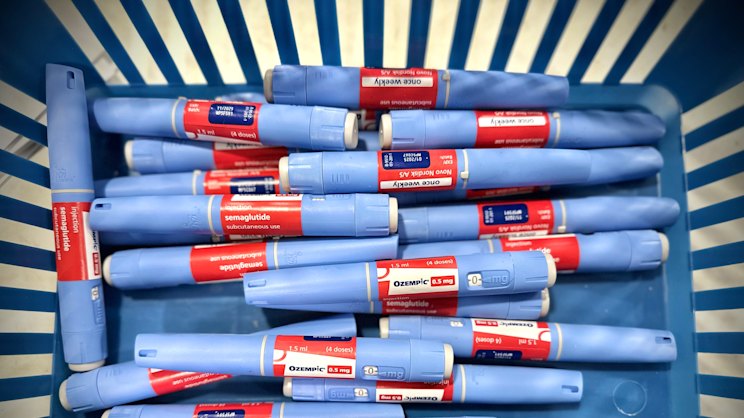



Some of the millions of Australians expected to use Ozempic and other GLP-1s could run the risk of malnutrition and muscle loss, but the extent of these complications is not being tracked, nutrition experts warn.
There is a critical gap in evidence focused on the health hazards of rapid weight loss and GLP-1s (glucagon-like peptide-1 receptor agonists), new research from the University of Newcastle found. Extreme cases of malnutrition carry the risk of brain damage, heart problems and death.
Nutrition and dietetics expert Laureate Professor Clare Collins said GLP-1s including Trulicity, Wegovy and Mounjaro had powerful positive health effects, including significant weight loss, improved blood glucose control and other metabolic health benefits.
But there was an urgent need to address the lack of research into the risk of malnutrition, which has been identified in Collins’ systematic review of studies assessing the diets of about 50,000 adults on GLP-1s.
Emily is among the surging cohort using a GLP-1. She first realised something was wrong when she struggled to pick up her three-year-old daughter.
“I weighed her, and she hadn’t moved at all on the scales,” Emily, who requested her surname be withheld for privacy, said.
The Bendigo mother had lost a significant amount of weight in a month after being prescribed a GLP-1 via a telehealth appointment. She experienced nausea and vomiting, which turned her off foods she previously enjoyed.
“I was feeling really weak and shaky … I wasn’t eating enough to keep myself going.”
Emily added more protein to her diet and started strength training, which she said has “definitely made a difference”.
Collins said that when people significantly cut down their food intake, they risked not getting enough protein to feed and protect their muscles.
“You’re also not going to get enough of these vitamins and minerals that have specific roles in things like healing wounds, keeping your hair and nails growing, producing energy throughout your body or helping [the] neurons in your brain fire up.”
She said common side effects of the peptides – fatigue, nausea, diarrhoea and constipation – overlap with symptoms of nutrient deficiencies, and can be easily missed.
Symptoms of a thiamine (B1) deficiency include a loss of appetite, nausea, fatigue and tingling in the arms and legs.
If left untreated, B1 deficiency can develop into Wernicke’s encephalopathy, a rare neurological disorder that can lead to irreversible brain damage, with some cases identified in people who have rapidly lost weight on GLP-1s.
Magnesium deficiency has similar symptoms – low appetite, nausea, fatigue and weakness – and can also develop in people who don’t eat enough. Severe cases can lead to cardiac arrest.
Dietitian and University of Sydney Clinical Associate Professor Janet Franklin said when the volume of food a person ate was small, meeting nutritional requirements became much harder.
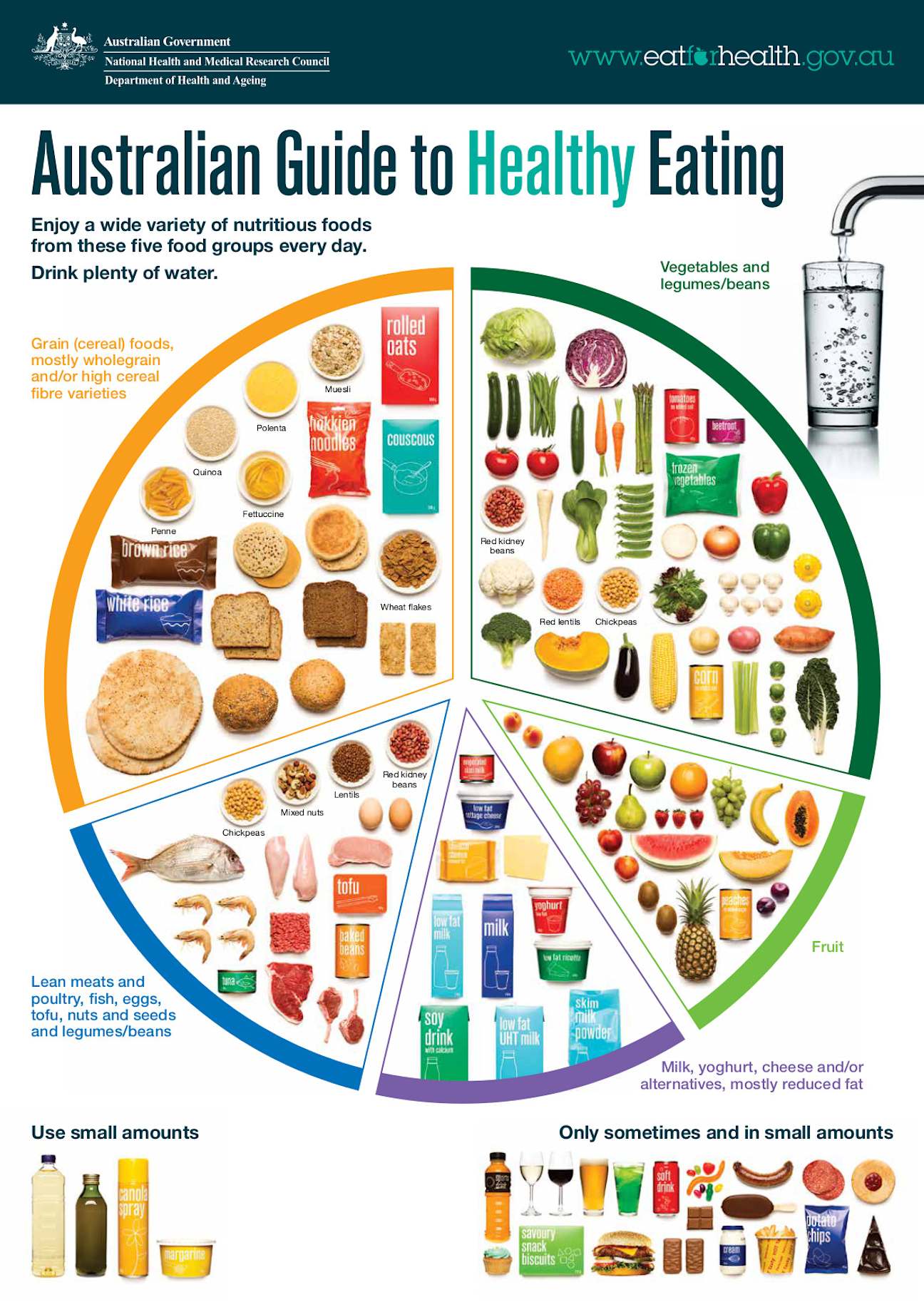
Source: Clare Collins, JAMA Network , Australian Government.
Franklin said there was limited scientific evidence linking GLP-1s with malnutrition: “But are we not seeing it because people are still eating enough … [or] because we’re not testing for it?”
“I think it’s a theoretical risk [but it’s] one that you need to be conscious of.”
A GP or dietitian may recommend nutrient or mineral supplements, exercises to prevent muscle loss and increased intake of water, protein, fibre and micronutrients through smaller, more frequent meals.
Dr Karen Spielman, chair of the RACGP’s Specific Interests Psychological Medicine group said that primary health providers needed more support to prevent inappropriate and dangerous prescribing as GLP-1s become more widespread.
“Rapid weight loss at any body-size or shape can be really scary and can precipitate medical conditions,” she said. “You’ve got to assess and monitor carefully … this is a really important opportunity for us not to cause harm.”
GLP-1s have also been linked to people developing or exacerbating eating disorders .
Spielman said developing clinical guidelines could increase awareness of disordered eating and nutrition risks, and advocated for higher rebates for longer consultations.
Commercial food chains have begun adapting their products for the Ozempic wave, offering smaller portions and healthier options.
Guzman y Gomez expanded its mini range earlier this year, and meal kit service Marley Spoon’s “GLP-1 Support range” – which features smaller serving sizes with higher levels of protein and fibre – has recorded 110 per cent month-on-month growth since it launched in May, according to the brand’s dietitian Elizabeth Lou.
For individuals concerned about their diet , Collins suggested starting with the healthy plate model , which recommends filling half your plate with vegetables, a quarter with lean protein and a quarter with grains.
Support is available from the Butterfly National Helpline on 1800 33 4673.
You have reached your maximum number of saved items.
Remove items from your saved list to add more.
You've used all of your gift articles. 3 more will become available on the 1st of every month.