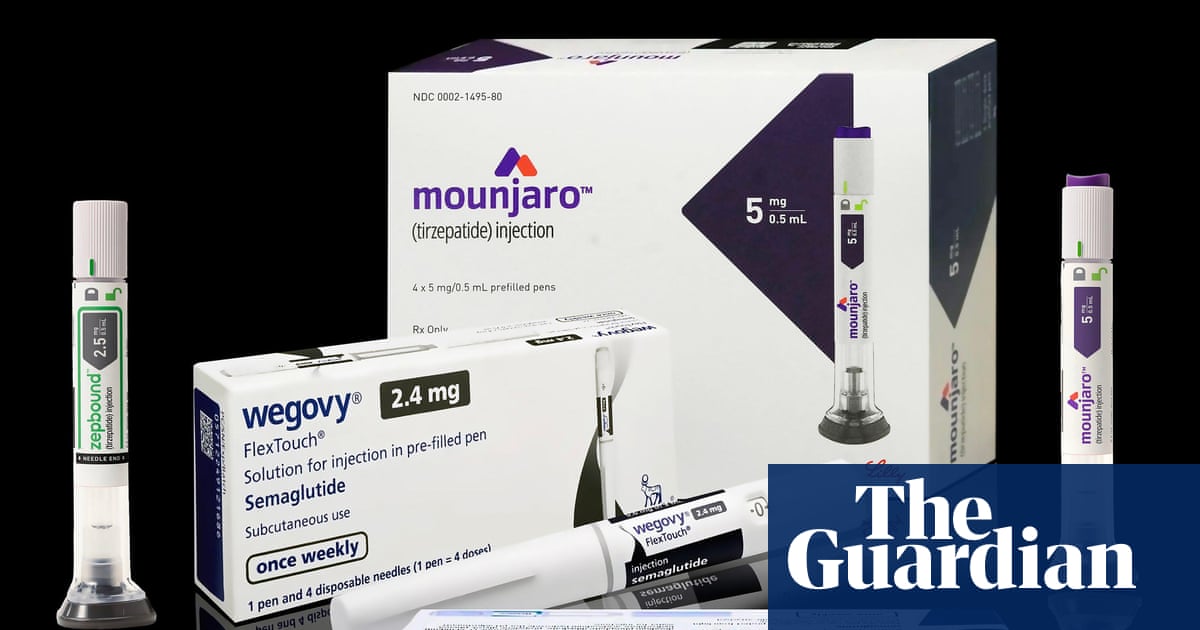
The Food and Drug Administration is warning that popular obesity drugs—including Ozempic, Wegovy, Zepbound, and Mounjaro—may carry a “potential increased risk” of a rare eye condition that can lead to permanent vision loss.
In a drug safety communication Monday , the FDA said it will now require makers of GLP-1 receptor agonist drugs to add a warning about that risk on their drug labels. The specific eye condition it warns of is called non-arteritic anterior ischemic optic neuropathy or NAION . The condition is caused by restricted blood flow to the optic nerve, which leads to swelling and cell death and ultimately damages the nerve, causing abrupt vision loss that can often be permanent.
It’s unknown how GLP-1 drugs may cause NAION. The condition is rare overall, occurring in somewhere between two and 10 people in 100,000 in the general population, according to the American Academy of Ophthalmologists. These small numbers have made it more difficult to determine with certainty if there is a connection. Further complicating the potential link is the fact that the risk factors for developing NAION are common among patients taking GLP-1 drugs. The risk factors include diabetes, cardiovascular disease, high blood pressure, high cholesterol, metabolic syndrome, and obstructive sleep apnea.
The first study suggesting a link between GLP-1 drugs and NAION came in 2024 from Harvard researchers. Their study, published in JAMA Ophthalmology, looked at 710 patients with diabetes and 979 patients with either overweight or obesity. In each group, some of the patients were taking semaglutide (Ozempic/Wegovy), while others were taking non-GLP-1 antidiabetic or weight loss drugs. The researchers found in both patient groups that those taking GLP-1 drugs after 36 months had higher rates of NAION. Among the diabetes patients, 8.9 percent of patients on semaglutide had the eye condition, while only 1.8 percent of patients in the non-GLP-1 groups developed it. Similarly, among those with overweight/obesity, 6.7 percent of patients on a GLP-1 had NAION compared with 0.8 percent in the non-GLP-1 group.
The study had significant limitations, though. The patients were all from one referral center that treated most of the region’s NAION cases. The overall incidence rates of NAION in the studied patients were much higher than the rates seen in the general population. This suggests there may have been selection bias and that the results are not generalizable. The study also did not look at the severity of diabetes in the patients, which can influence the risk of NAION. Last, the study didn’t offer any hints as to how GLP-1 drugs may contribute to NAION—and researchers remain uncertain of a possible mechanism.