You have reached your maximum number of saved items.
Remove items from your saved list to add more.
You've used all of your gift articles. 3 more will become available on the 1st of every month.
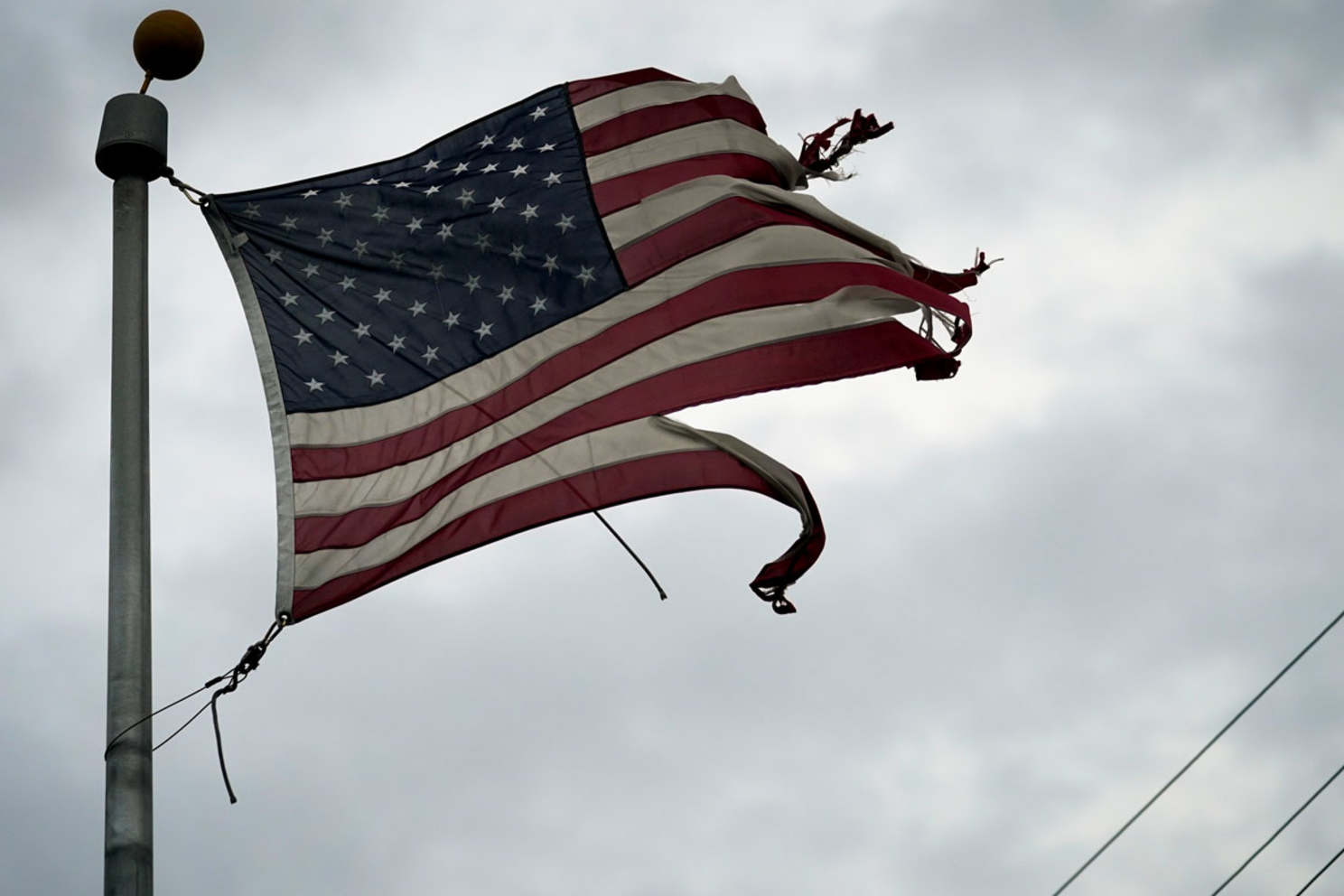
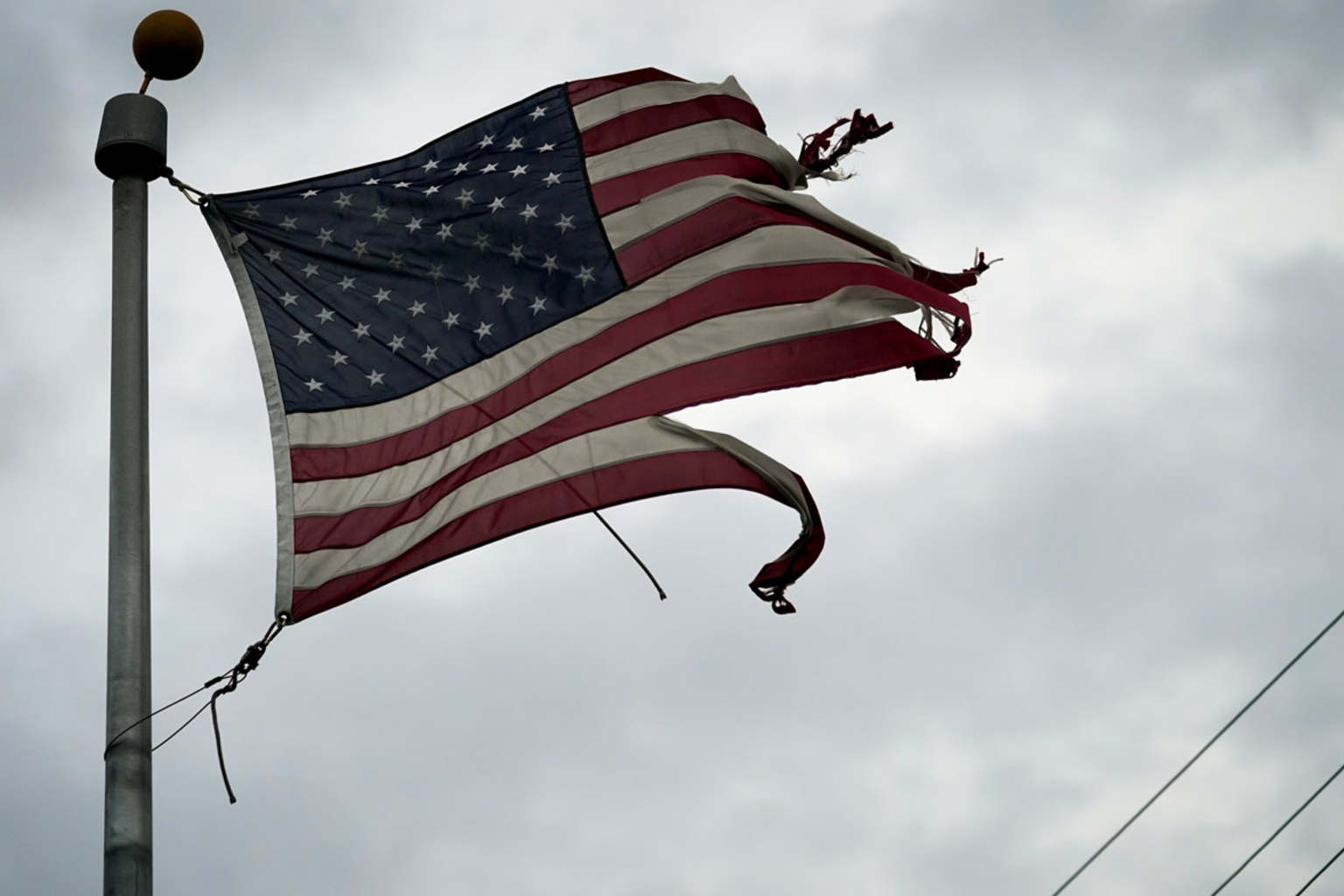
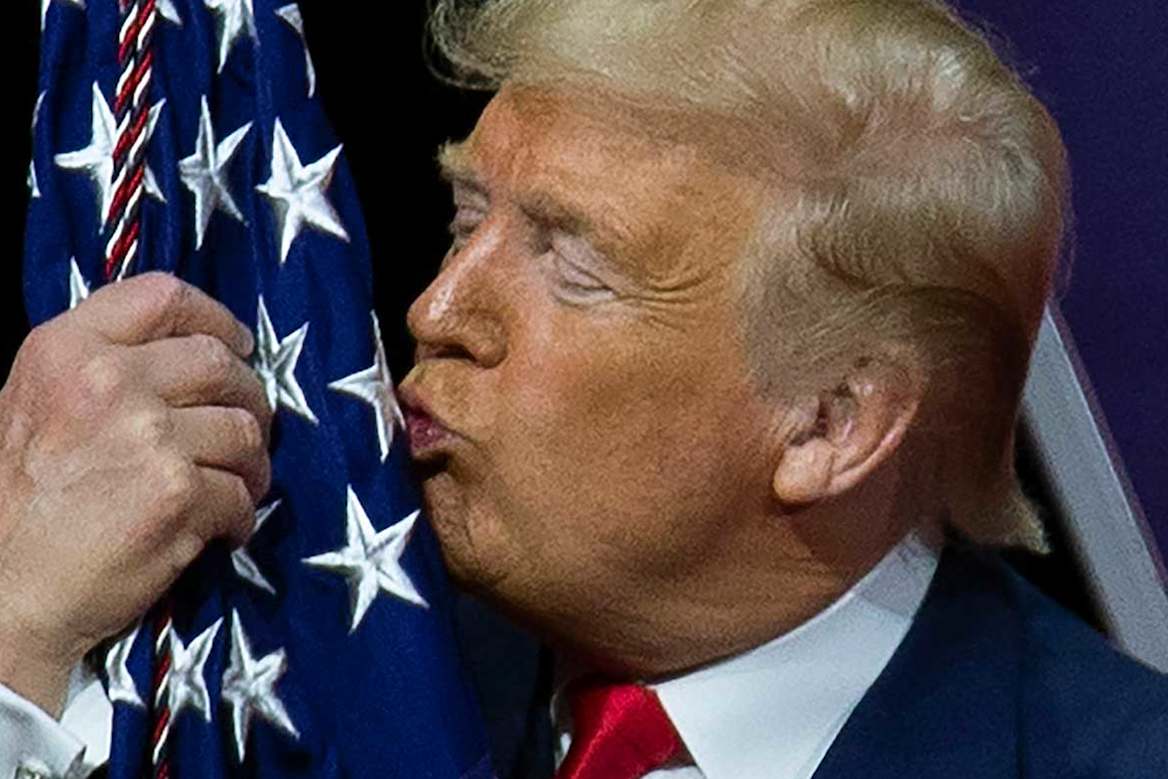
Six months ago, in Omaha, Nebraska, I met a woman walking her dog beneath a vast American flag at Heartland of America Park. I asked her what the Stars and Stripes meant to her.
She told me her generation had looked at the flag and imagined the future, but her children looked at it and saw the past.
I had expected politics to be a lively topic of conversation on my road trip through the Midwest . Instead, people were reluctant to discuss it. When they did, their comments were marked by cynicism rather than conviction. They thought politicians were too busy feathering their own nests to work hard for ordinary citizens.
The woman told me about Thanksgiving tables with gaps where loved ones once sat.
“We don’t need to hear their political views, and they don’t want to hear ours.”
I wondered if this was the direction my own country was taking. Surely Australians would not be uninviting “the relos” from Christmas dinner?
I met people who hated the war and wanted to punish President Donald Trump, families who could not afford food despite having paid work and Hispanics who were terrified of being deported.
I sensed a deep rejection of the political establishment.
Against this backdrop, the US midterms were revealing. A record turnout does not necessarily mean a healthy democracy. There is a distinction between voting because you believe in the political process and voting because you fear what might happen if you don’t.
The American system, much like ours, relies on decisions being made by majorities. But when people can no longer sit together for Thanksgiving turkey, something important has been lost. And if you lose the centre, what then?
As I thought about Trump, the riots, ICE and all the obvious differences between America and my own country, I returned home with something approaching complacency. But then I noticed a similar resignation in conversations about life after Canberra. Strangers wished me well. “Congrats on getting out ,” they said. Then came the observation that, “Inside or outside the system, you can’t do anything”.
I detected a growing belief that, no matter who is in power, nothing would change. People weren’t unsympathetic to those in public office. They just weren’t thinking about them.
You hear it in the way people respond when politics comes up. “Oh, I don’t know. I’m not really following it.” Then, with a warning glance, they change the subject.
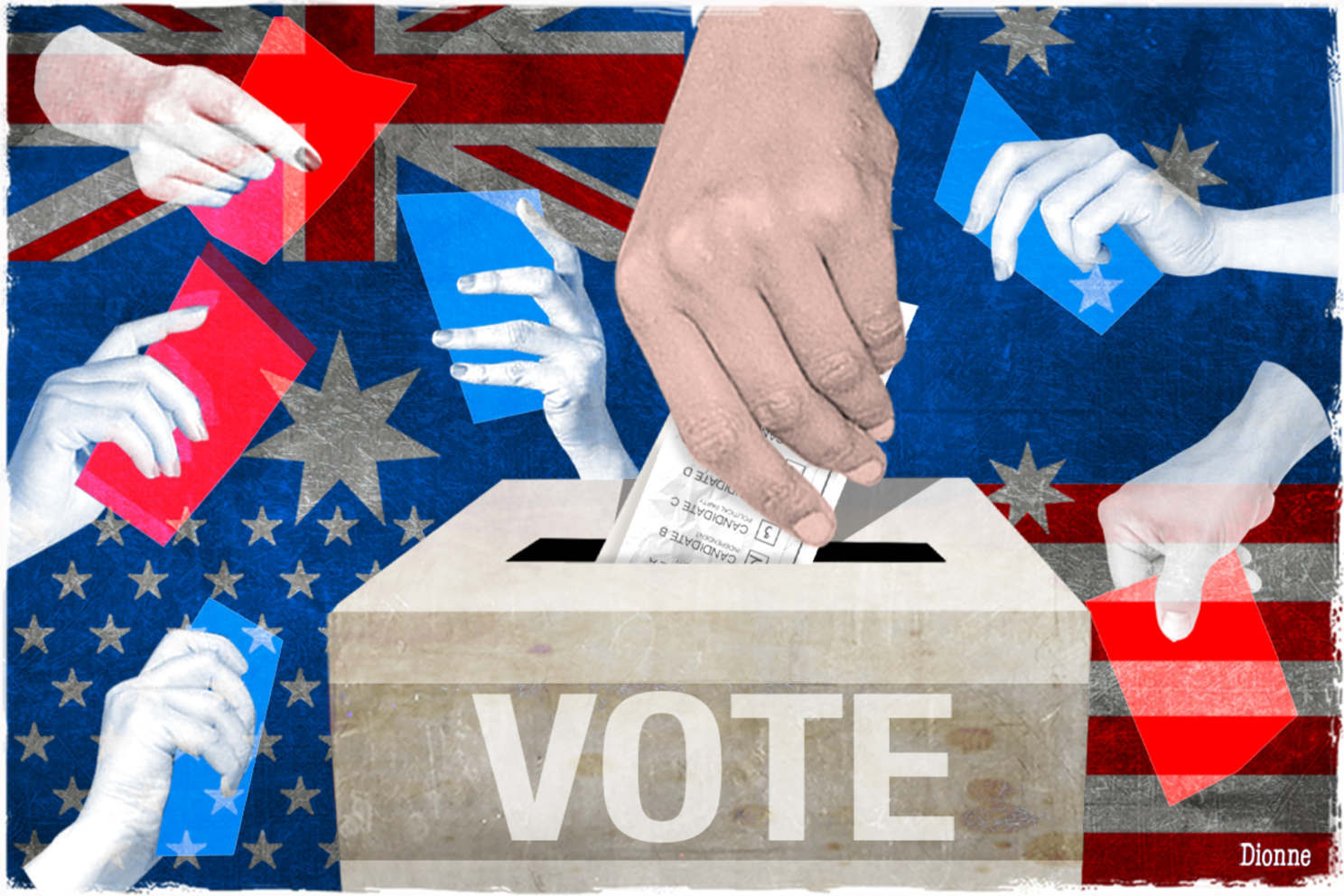
Democracy depends on people believing their participation matters.
In the lead-up to the 2004 election, I remember the energy surrounding the big questions of the day. They were debated in workplaces, pubs and around kitchen tables: the Iraq War, Medicare Gold, Tasmanian forestry. Everyone seemed to have something to say.
I flew my small plane into several towns in far western NSW and wandered with easy familiarity into the front bars of hotels I had known for years. The regulars had always disagreed fiercely, but they followed current affairs and wanted to have their say.
On one occasion, someone reminded the group that I used to be in parliament. Nobody asked a question. Nobody offered an opinion. They simply looked down at their drinks. They weren’t angry. Just indifferent.
The American story was built on the promise that tomorrow can be better than today. The Australian story is less about individual advancement and more about fairness, but both rest on the same belief: that the next generation should be better off than the one before it.
What happens when that belief disappears? Talk to young people and you’ll hear them say: “Get a job. Work hard. Do everything right. You’ll still never own a home of your own.”
When people no longer see success as something within their reach, they stop trying. They tune out.
Travelling on America’s Greyhound network, I sat alongside some of the country’s most marginalised people. It is difficult to describe the expression on the face of someone who has spent a lifetime being overlooked, or the humility you feel in their presence. Yet under the Constitution that gave America its guarantee of freedom, every person on that bus had exactly the same vote as Amazon’s Jeff Bezos.
But an equal vote is not the same as an equal voice.
The latest McKinnon Index paints a bleak picture of the standing of our politicians. One statistic stands out: voters aged 18 to 24 are the most disillusioned.
A smart, self-aware trades apprentice in his early 20s laughed when I questioned his negativity.
“Politicians don’t listen to us and they’re not helping. The only promise we hear is that you’ll get less than your parents. If you’re lucky.”
If younger voters withdraw, those at the extremes become louder while the middle grows quieter. The greatest danger to democracy may not be the people shouting across the political divide. It is those who have quietly vacated the field.
People rarely disengage without a reason.
Wealth is becoming more concentrated. Rising asset values reward those who already own property and investments. The point is not that some people succeed. It is that others lose faith that effort, ambition and talent will be rewarded.
A society can tolerate unequal outcomes but won’t tolerate a conviction that the game is fixed. When that happens, the question ceases to be “How do we change things?” and becomes “Why bother?”
The bargain worth renewing in both Australia and America is that hard work can still move you forward, towards a better job and the life you choose for yourself.
We’ve heard the buzz around the so-called “youthquake”, which saw record numbers of 18- to 29-year-olds turn out to vote. Raised online, this is a generation that has little interest in waiting its turn or seeking permission. It is prepared to hold those in power to account.
Perhaps that helps explain something an American friend told me. He was sick of the extremes controlling the narrative. After the midterms, he felt the country was “not as divided as we think we are”. In his view, voters were choosing people over parties.
There is a lesson in that. Authentic engagement gives people a reason to participate. They want to know the person before they are asked to listen to the politician.
A new generation is looking beyond the political centre. They feel no obligation to honour institutions just because they exist.
Should we really be surprised? It’s not their job to defend a status quo they see as failing them.
The challenge is not to convince young people to trust politics again. It is to show them that politics can still change their lives. Democracy cannot simply ask the next generation to inherit the system. It must give them the confidence to believe they can own it.
Sussan Ley is a former leader of the Liberal Party, a writer, and a non-executive director of Snowy Hydro.
You have reached your maximum number of saved items.
Remove items from your saved list to add more.
You've used all of your gift articles. 3 more will become available on the 1st of every month.