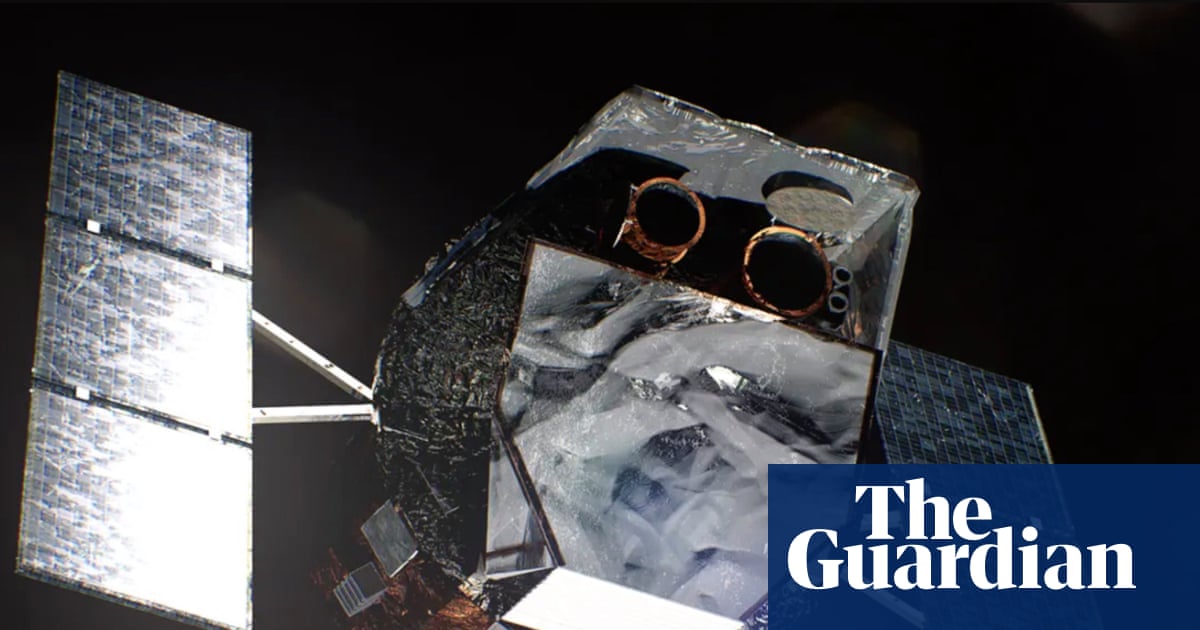
As telescopes go, few if any are more famous than the Hubble Space Telescope. Over 30 years of operations, the telescope has been essential to groundbreaking discoveries that have fundamentally transformed humanity’s view of the universe . But like all satellites in low Earth orbit, it’s been gradually descending.
This happens because of atmospheric drag, and the Hubble Space Telescope is not equipped with a propulsion system to adjust its own orbit . According to NASA’s analysis, if left unchecked, the telescope will likely re-enter Earth’s atmosphere in 2033 or 2034, eventually crashing back onto the planet.
Hoping to delay this conclusion, NASA has issued a formal Request for Information seeking proposals from the private sector for “in-space servicing” of the famous telescope. This would likely involve raising Hubble’s altitude to extend its operational lifespan, but the agency is also open to industry’s suggestions for managing a safe and controlled reentry or disposal of the telescope while still in orbit. Space companies can also propose upgrades to enhance the telescope’s functionality in its remaining years.
“Hubble is a national icon,” Nicky Fox, associate administrator of NASA's Science Mission Directorate, said in a statement . “Given the time we have until Hubble’s anticipated reentry, we are eager to explore the breadth of possibilities to boost Hubble to a higher orbit while we develop the flagship mission to follow .”
The telescope was designed with the expectation that astronauts would perform repairs and upgrades in orbit. Since it was launched in 1990, a total of five service missions have been carried out. The last of these missions was canceled after the space shuttle Columbia disaster in 2003. But NASA later determined that the benefits of servicing Hubble outweighed the risks of a final mission, and in 2009 a crew took measures, such as replacing the battery, to extend the telescope’s lifespan.
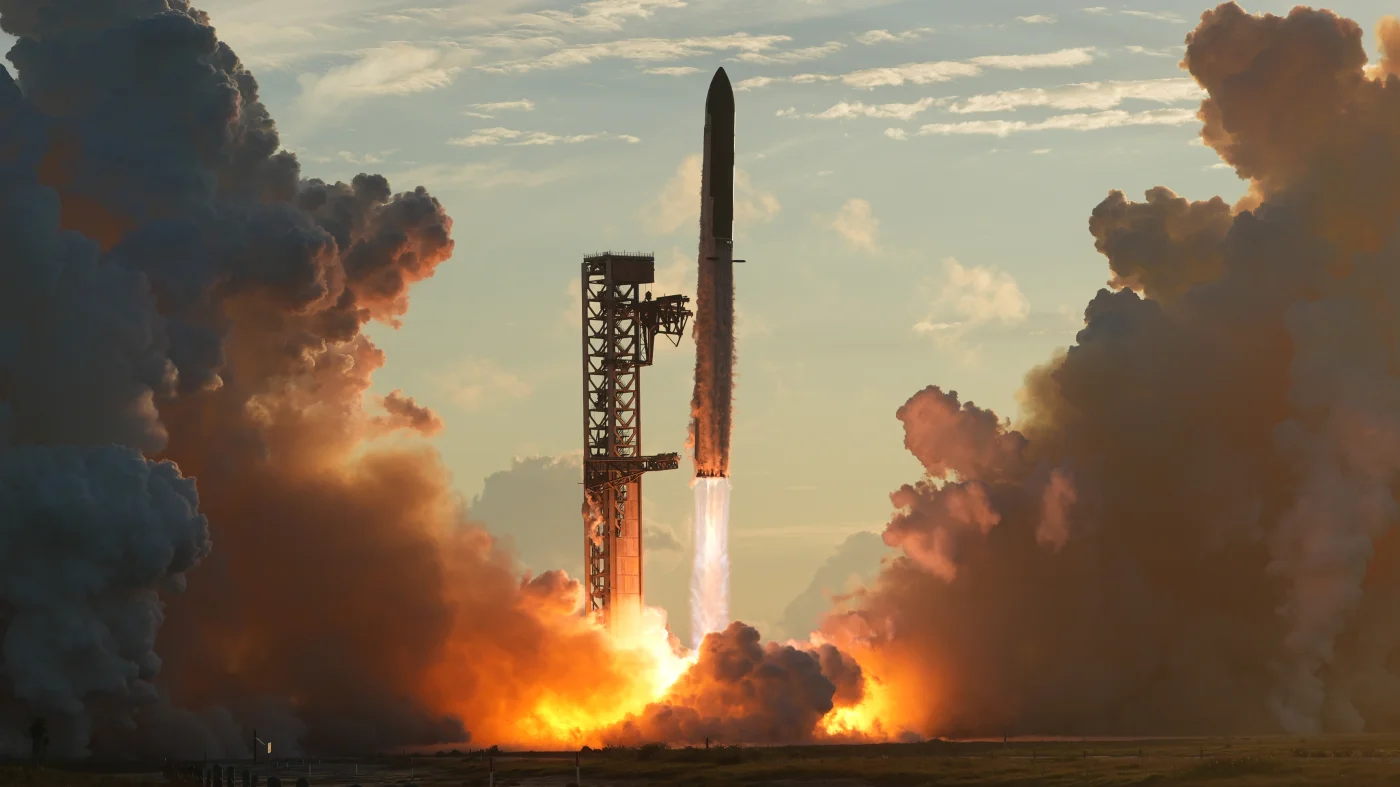
This is also not the first time NASA has considered private-sector resources for raising the Hubble Space Telescope’s orbit. In September 2022, NASA entered into a nonfunding partnership agreement with SpaceX to investigate the possibility of using the company’s Dragon spacecraft to move Hubble into a more stable orbit. However, according to NASA’s announcement at the time , the agency had no plans to conduct or fund the service mission itself; the study was intended solely to assess commercial feasibility.
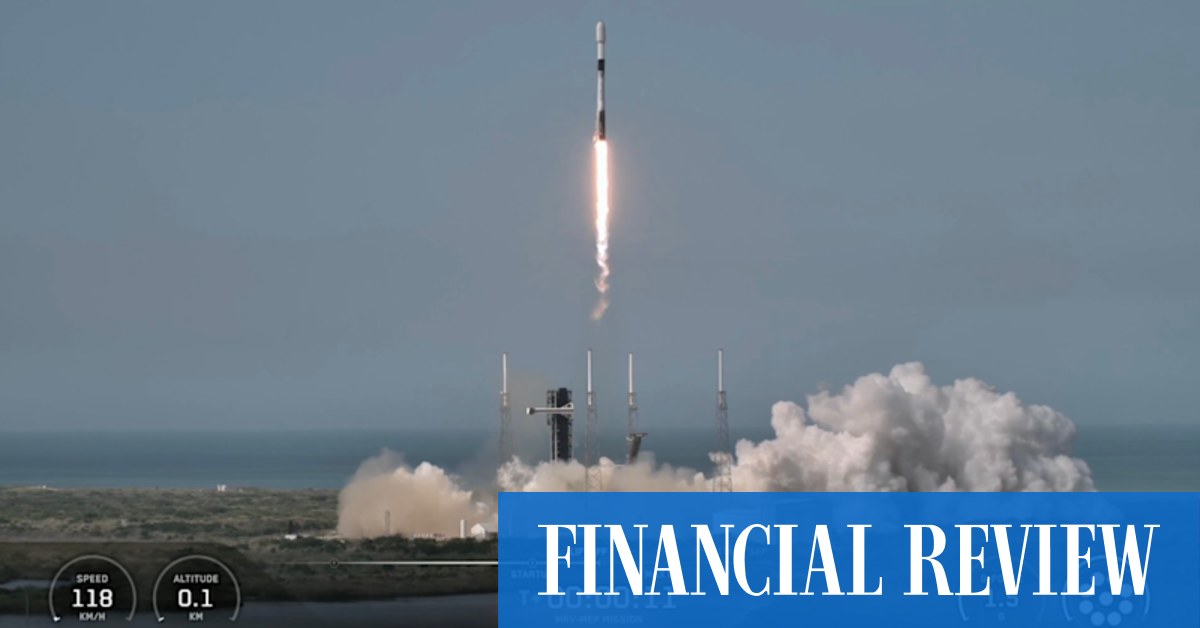
Meanwhile, NASA commissioned the private company Katalyst Space Technologies in September 2025 to perform an orbital raise for the Swift Observatory , which was experiencing faster-than-expected orbital decay. However, the company’s spacecraft, launched in July 2026, suffered an attitude control malfunction, forcing the mission to be abandoned . On November 4, Swift reentered the atmosphere over Indonesia.
The problems facing the Hubble Space Telescope are not limited to its drop in altitude. The spacecraft itself is also experiencing malfunctions. In June 2024, NASA announced that it would transition the Hubble Space Telescope to a new operating mode using only one of the six gyros on board to assess the telescope’s orientation. After more than three decades in space , only three of the gyros were operational, and one of those was starting to return abnormal readings. The other remaining functional gyro is now being kept in a ready state for future use.
NASA estimates that a mission to raise the telescope’s orbit will need to be carried out by 2032. In an announcement made in 2022 , NASA also explained that if the Hubble Space Telescope could be raised to a higher, more stable orbit, it could continue to observe the cosmos for several more years.
“Hubble still has important science ahead of it, and we should be looking at every reasonable opportunity to keep it delivering for as long as possible,” said NASA administrator Jared Isaacman. “If there are innovative and cost-effective ways to extend the life of an asset already in orbit, we owe it to the American taxpayer and the scientific community to explore them. Extending Hubble’s life would mean more discoveries, more science, and more opportunities to expand our understanding of the universe.”
This story was originally published in WIRED Japan and has been translated from Japanese.
Airbnb hosts are furious they can no longer make guests do their chores
big story: cool kids write in all lowercase —does that make you mad?
I worked for a whole day using only the iPhone Duo
WIRED event: The technologies, people, and ideas transforming our world