You have reached your maximum number of saved items.
Remove items from your saved list to add more.
You've used all of your gift articles. 3 more will become available on the 1st of every month.
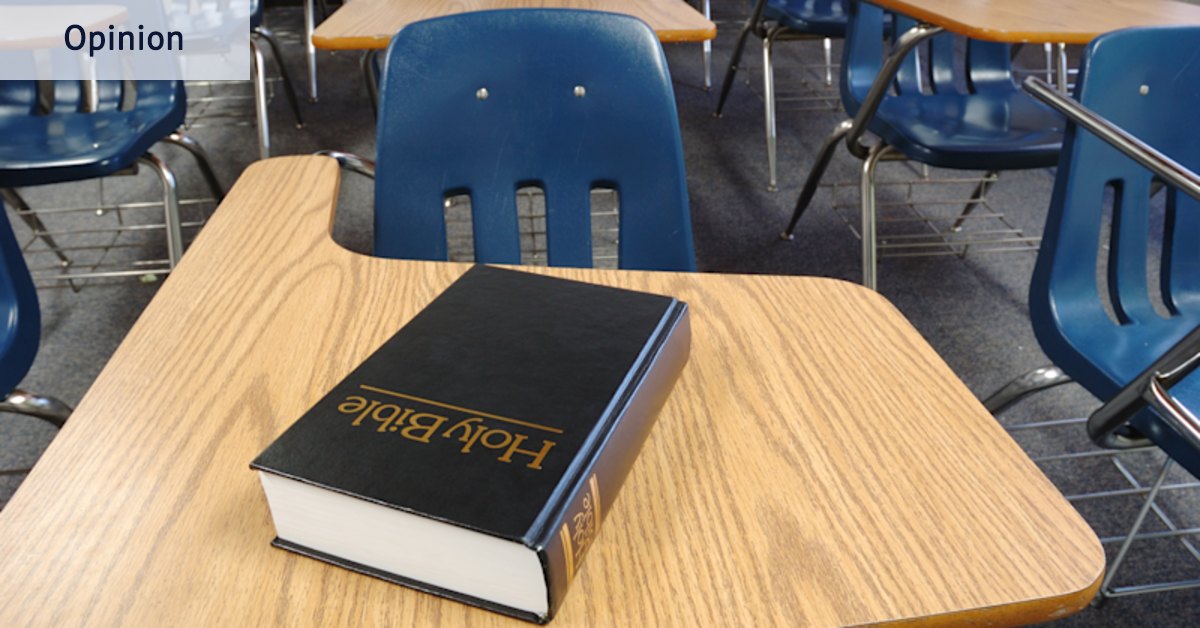
School parents’ WhatsApp groups normally contain reams of messages about excursions, lost uniforms and the end-of-year concert. But at the moment my phone notifications are mainly about one issue: the recently introduced special religious education (SRE) classes at Newtown High School of the Performing Arts, where I’m a parent.
As a Canadian who grew up in a public education system in which students learned about world religions, I find the current debate over SRE in NSW schools both upsetting and disappointing. In high school, we studied Christianity, Judaism, Islam, Hinduism, Buddhism and Sikhism, not so that we would adopt them, but so that we could better understand the people around us. We visited mosques, synagogues, temples and churches with our qualified teachers. We learned about different traditions, rituals and values. Those experiences taught me that, while religions differ in many ways, they also share many important themes: community, compassion, service, and the search for meaning.
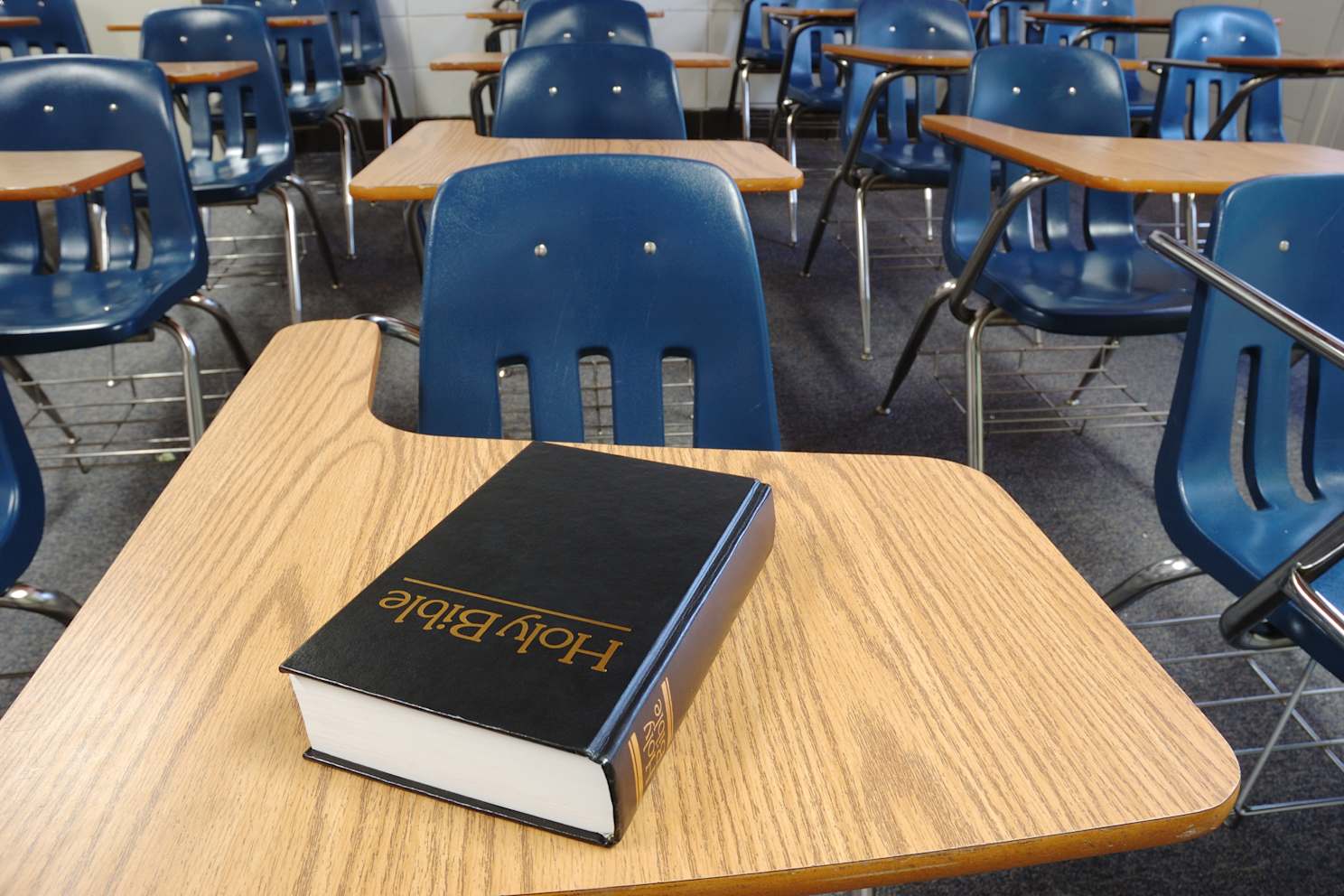
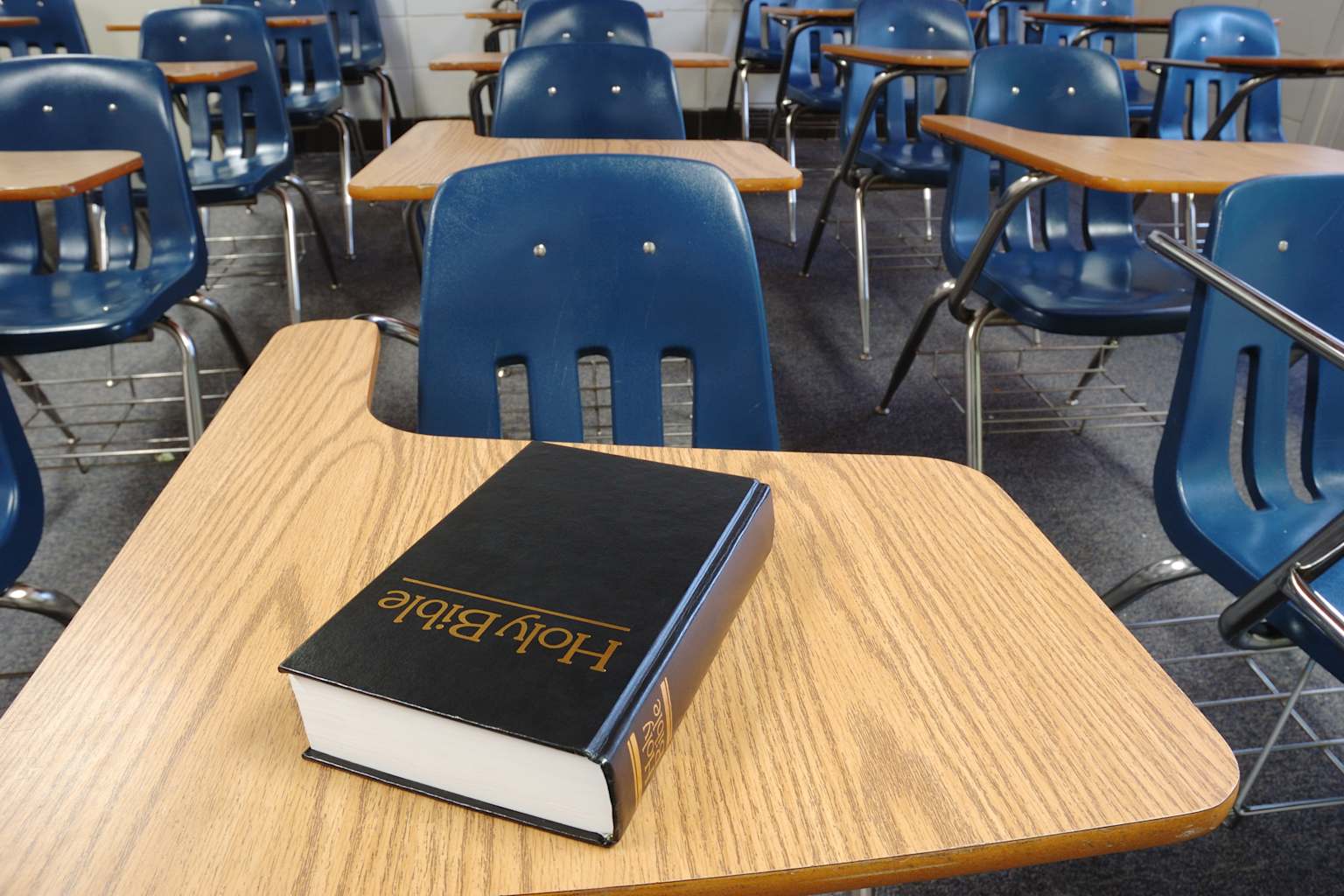
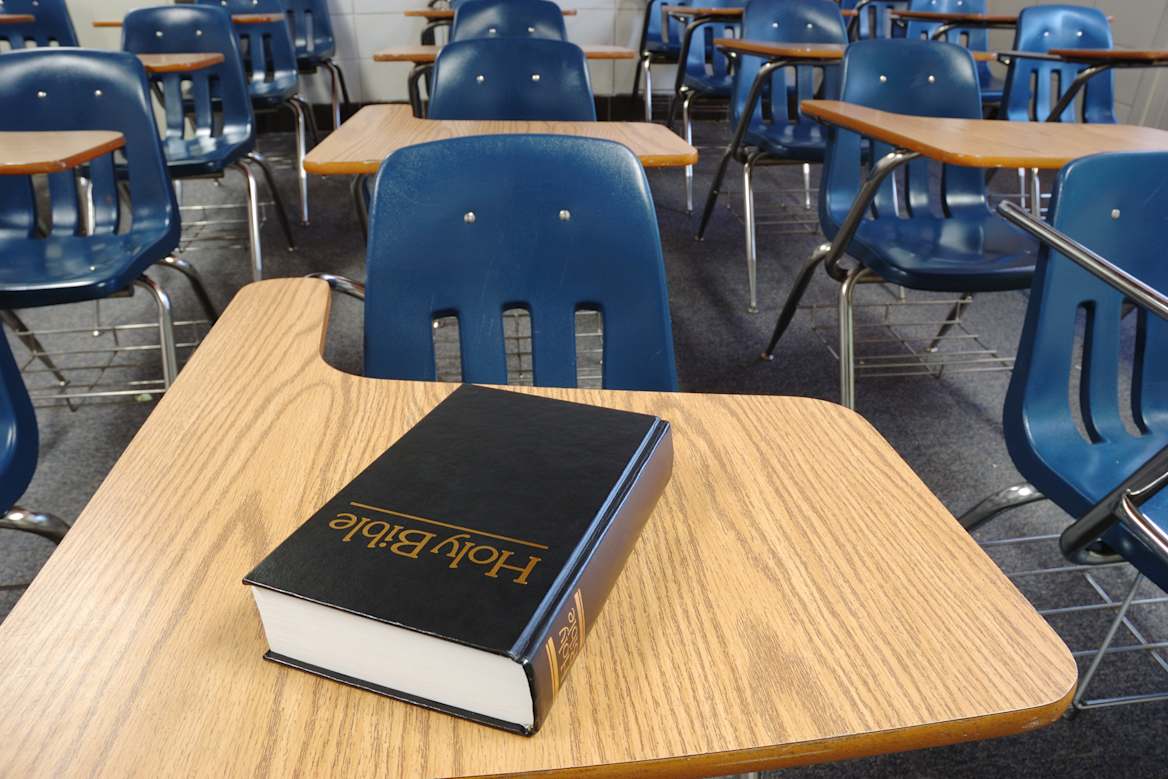
However, at Newtown High, due to education departmental policy (which appears stricter than NSW legislation), hundreds of students are prevented from engaging in normal curriculum lessons while about 6 per cent of students attend religion classes organised by Anglican organisation Youthworks . Some of the non-SRE students have reportedly spent this time colouring in under the supervision of qualified teachers rather than being taught the curriculum. The rationale, according to the department, is that delivering curriculum content to non-SRE students would confer an unfair academic advantage over those attending SRE.
I find this difficult to justify. Newtown High is a school that celebrates creativity, diversity, academic excellence and inclusion. Learning time is precious. Many students work incredibly hard to balance demanding academic studies with artistic pursuits. The idea that hundreds of students should lose valuable educational opportunities to accommodate a program chosen by a small minority seems inconsistent with the purpose of public education. In fact, all the kids, including those that do SRE, are missing out on professional teaching as a result of this decision.
The policy also creates an uncomfortable situation for the students who do choose SRE. By separating them from their peers, it effectively spotlights and places them at the centre of public debate. Rather than fostering inclusion, the system risks creating division and drawing attention to differences that might otherwise be unremarkable.
Alternatively, there is a strong argument that public schools should not be teaching religion at all. At a time when educational outcomes are under pressure and schools are working to improve literacy, numeracy and other core capabilities, every hour of learning counts. The education department routinely emphasises the importance of attendance because lost learning time affects student outcomes. It is therefore difficult to justify a system that requires students to forgo meaningful educational opportunities each year.
I support the right of families to provide religious education to their children. Religious literacy is valuable, and faith communities play an important role in many people’s lives. The issue is not whether religious instruction should exist. The issue is whether public schools should be required to facilitate faith-based instruction during regular school hours in ways that disrupt learning for everyone else. In Victoria, SRE is offered before or after school, or at lunchtime – making it like any other co-curricular activity.
The religion classes I took at school helped me navigate the world beyond the school gate. They made me feel comfortable attending a synagogue to support a friend whose father had died. They helped me understand and support a colleague who was fasting for Ramadan. They gave me the confidence to engage respectfully with people whose beliefs were different from my own. That, to me, is the value of education: not telling students what to believe, but helping them understand others.
This experience has shaped my views throughout adulthood. For many years, I volunteered as an ethics teacher with NSW Primary Ethics because I did not think it was appropriate for children in public schools to be separated into different classrooms based on religion and then taught, in most cases, their own faith. And in many cases, the option for their own faith may not have been made available to them. Public education should bring young people together around shared learning, not divide them according to belief.
Yet the NSW Department of Education makes SRE available to all school kids every week from kindergarten through to Year 12, while the ethics curriculum is currently available only to Year 8. This means that students can spend years being separated on the basis of religion, while access to an alternative program focused on ethical reasoning remains limited.
Supporters of SRE sometimes argue that it promotes social cohesion. Yet the structure of the program seems to achieve the opposite. Students are separated according to religious or non-religious affiliation. Rather than creating opportunities for understanding across differences, the system reinforces boundaries.
My own experience was fundamentally different. We sat together in the same classroom and learned about a wide range of beliefs and worldviews from qualified teachers, as opposed to religious volunteers. We asked questions, discussed ideas, and developed a deeper understanding of one another. Nobody was expected to agree with a particular faith. Everyone was encouraged to learn from one another.
Public education plays a unique role in bringing together children from different backgrounds. At a time when communities are increasingly fragmented, schools should be creating shared experiences and common understanding. Whether through teaching about a range of religions and worldviews, through ethics education, or simply through a stronger focus on the core curriculum, the goal should be to bring students together.
The situation at Newtown High should prompt a broader conversation about what we want public education to achieve in the 21st century. If our aim is to prepare young people to thrive in a diverse society, the answer is not to separate them according to belief. It is to help them learn, together, about one another and the world they share. I therefore urge our MPs and the Education Department’s executive director of equity, multicultural and inclusive education to consider just that: equity, multiculturalism, and inclusion.
Helen Paterson is a university academic and mother of two children at Newtown High School of the Performing Arts.
The Opinion newsletter is a weekly wrap of views that will challenge, champion and inform. Sign up here .
You have reached your maximum number of saved items.
Remove items from your saved list to add more.
You've used all of your gift articles. 3 more will become available on the 1st of every month.