Kedarnath, in Uttarakhand’s Rudraprayag district in India, draws large numbers of pilgrims every year, including thousands from Nepal. But for many Nepalis, the Himalayan pilgrimage site is more than a religious destination. It is also an important source of livelihood.
Nepali workers are a familiar presence in the area, carrying pilgrims on their backs to the Kedarnath temple, transporting goods and running hotels and grocery shops. Their work becomes particularly lucrative during the months when the temple remains open.
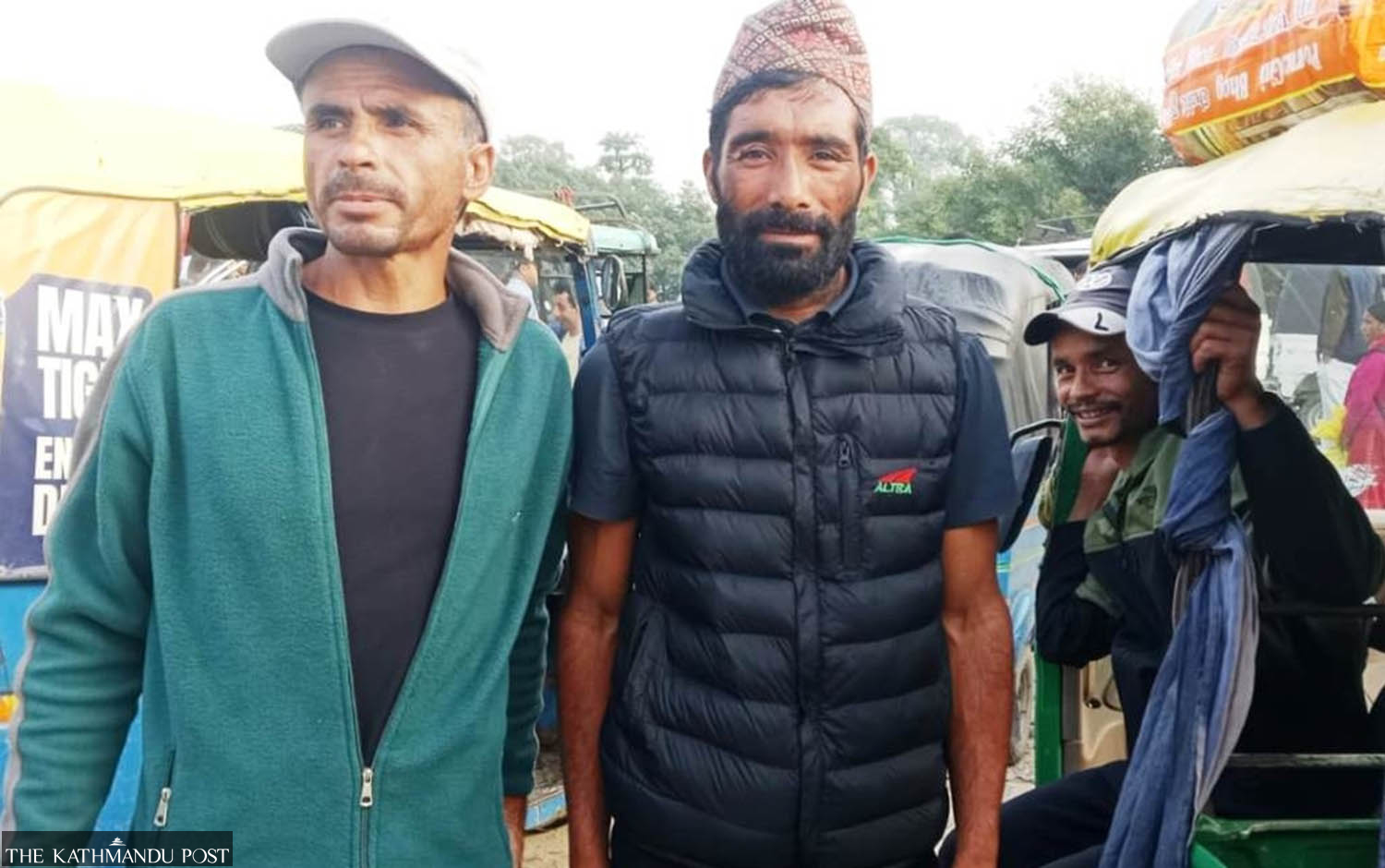
Jeevan Bohara, 35, from Bungol Municipality-11 in Bajhang district, is among those who have made a living carrying the pilgrims. He has been doing the job in Kedarnath for 18 years, supporting his family with the income.
Bohara carries pilgrims who cannot make the steep climb to the temple. The journey from Gaurikund to Kedarnath is 22 kilometres on foot, and the steep terrain makes it difficult for many visitors to complete the trek on their own.
Workers charge according to the passenger’s weight. Bohara says they earn between 15,000 and 22,000 Indian rupees for carrying one person from Gaurikund to the temple.
A traditional carrier known as a kandi is used for the job. It is made by cutting away part of a basket and fitting it with cloth to create a seat. The passenger sits in the carrier, which the worker straps to his back. Only one person can be carried at a time.
A large number of Nepalis are engaged in this work, Bohara says.
Kamal Bag, 40, also from Bungol Municipality in Bajhang, has been carrying pilgrims in a kandi for the past 10 years. Despite the physical demands, he returns every year because the earnings are better than those available in other jobs in the area.
“The more work you do, the more you earn. Carrying people pays the most,” Bag said. “There are other jobs too, but they do not pay as well.”
Bag says a worker can save around 5,000 to 6,000 Indian rupees after carrying a pilgrim from Gaurikund to the temple and back. The savings can rise to 8,000 to 10,000 rupees when they get a well-paying passenger.
The journey from Gaurikund to the temple takes an entire day, he says. Food, accommodation and drinking water are expensive along the trail and at the temple, adding considerably to workers’ expenses.
Nepali citizens need several documents to work as pilgrim carriers in Kedarnath, Bag says. These include their citizenship certificate, a recommendation from the local village panchayat and an identity card issued by the police. The process costs around 4,000 to 5,000 Indian rupees.
Bag estimates that more than 2,000 Nepalis are currently working as pilgrim carriers in the Kedarnath area alone. Many others run hotels and grocery shops.
Some workers have already returned to Nepal for the Dashain festival. Those still working in the area will head home for Tihar or after the Kedarnath temple closes for the season.
The temple generally opens on Akshaya Tritiya in April and remains open until Bhai Tika, which falls in late October or early November. It closes for the winter as temperatures drop and heavy snowfall sets in. The months when the temple is open also bring a large influx of pilgrims, creating seasonal employment opportunities for Nepali workers.
But the work is not without danger. Landslides and other accidents along the mountain route have repeatedly put workers’ lives at risk.
“This time, landslides along the route made the journey particularly difficult and dangerous,” Bag said. “Landslides and road closures have happened in previous years as well.”
Bhawani Bhatta is the Kanchanpur correspondent for Kantipur Publications.