David Bonaddio, Real Estate Reporter
First published 12 Nov 2026, 5:00am
A falling property valuation can leave Melbourne homeowners with less bargaining power when seeking a cheaper mortgage, even if they have never missed a repayment.
A homeowner seeking a loyalty discount was assessed for a pricier mortgage-rate bracket after their bank’s computer put a lower value on the property.
It’s a different sting from Melbourne’s property downturn.
Even borrowers who keep making repayments can find their home’s changing valuation weakens their hand when they ask for a cheaper loan.
RELATED: Liam Neeson-linked Vic property up for grabs
Woman quits Australia for $90k home in Italy, regrets it
‘Slog’: 23yo on $45k makes $10m by age 30
Aqua Financial Services principal Daniel Hustwaite said the customer had taken out a mortgage about two-and-a-half years ago at a 70 per cent loan-to-value ratio, leaving an equity buffer of 30 per cent at settlement.
But when Mr Hustwaite approached the same lender for a better deal, an updated automated valuation indicated the amount owed now represented about 75 per cent of the property’s value.
Instead of being assessed against the pricing offered to borrowers at 70 per cent, the customer faced a rate about 0.1 percentage points less favourable, according to Mr Hustwaite.
On a $500,000 loan, that difference equates to roughly $500 a year in interest at a constant balance. The customer’s actual mortgage size was not disclosed.
This was not a forced sale or a negative-equity case. It was a rate review for an existing customer.
Aqua Financial Services principal Daniel Hustwaite says a lender’s updated valuation pushed one customer’s loan-to-value ratio from about 70 to 75 per cent, affecting the mortgage discount available.
“What they’re doing now is that they’re doing automated valuations behind the scenes,” Mr Hustwaite said.
“Why are you giving this guy a loading of 0.1 per cent on his interest rate?”
Mr Hustwaite said he had not seen the bank’s updated valuation, leaving him unable to independently establish what figure the lender used.
The case does not establish that the bank raised the borrower’s existing interest rate. It may instead have refused access to a larger discount during a repricing request.
The lender has not been identified.
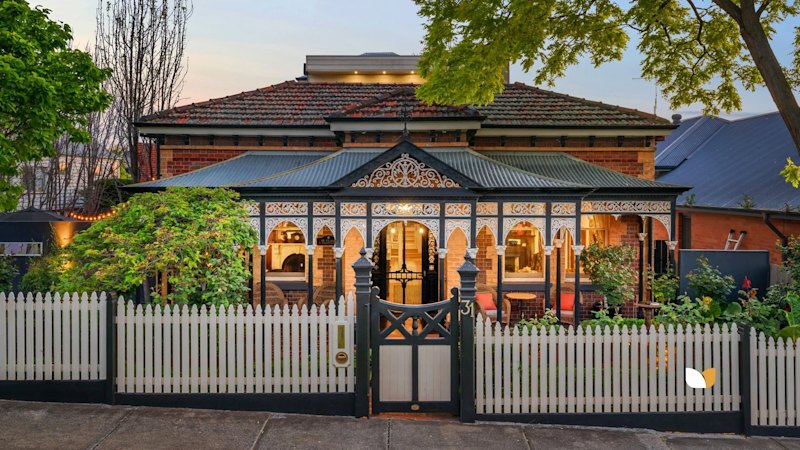
Melbourne dwelling prices were 6.1 per cent below their October 2025 peak, according to PropTrack, potentially complicating refinancing for homeowners with limited equity. Photo: iStock.
Mr Hustwaite said the problem could become harder to solve when customers no longer qualified for a fresh loan elsewhere under current lending assessments.
“They don’t have to offer them the best interest rate because they know they’re stuck,” he said.
For heavily indebted buyers, he said, there was an even bigger risk if falling prices were followed by a forced sale.
“It’s always been a risky proposition, borrowing 95 per cent of a property,” he said.
“If you can’t, and you have to sell that property, and there’s negative equity, well, then you’ve got a real problem.”
A lower bank valuation can push an existing homeowner into a less favourable mortgage pricing bracket, even if they have continued making their repayments.
The concern comes as REA Group’s October Home Price Report puts Melbourne dwelling values 6.1 per cent below their October 2025 peak, with the median dwelling price at $815,000.
The figures do not show every home has lost value. But an updated valuation can change a loan-to-value ratio even when an owner has never missed a repayment, leaving some borrowers in a higher pricing band or with fewer refinancing options.
For example, a borrower owing $350,000 against a $500,000 valuation has a 70 per cent ratio. If a bank later values the property at about $467,000, the same debt represents roughly 75 per cent. That illustration excludes intervening repayments.
Zaralend founder and mortgage broker Steph Jordan said existing customers already faced a separate disadvantage because lenders often offered cheaper rates to attract new business, while resisting requests from those already on their books.
Zaralend director and mortgage broker Stephanie Jordan says some borrowers become trapped with their existing lender when falling equity prevents them qualifying for a cheaper loan elsewhere.
“There are acquisition rates compared to kind of your backbook rates,” Ms Jordan said.
“It’s only when we threaten to leave the lender that they come in sweeping in with their more, you know, discounted rates.”
“I think they’re counting on people not moving and not reviewing rates.”
But she said that threat carried less weight for buyers whose property valuations or loan balances meant another lender would not approve them.
“They are actually stuck, unfortunately,” she said.
“We can try and reprice them with [their] current lender, but if they say no, there’s not much we can do.”
First-home buyers with small deposits can have little equity to absorb falling property values, potentially making refinancing more difficult. Picture: NCA NewsWire / David Crosling.
Under the Australian Government 5% Deposit Scheme, eligible owners can refinance to another participating lender while retaining their government guarantee, subject to conditions and the new lender’s approval.
The guarantee protects the bank from some losses, not the borrower from a debt shortfall.
And a lower valuation does not automatically increase a homeowner’s existing interest rate or prevent them switching lenders.
The squeeze comes as the Reserve Bank’s latest increase takes the cash rate to 4.85 per cent, with the Big Four preparing another 0.25 percentage point rise to variable mortgage rates from November 13.
Sign up to the Herald Sun Weekly Real Estate Update. Click here to get the latest Victorian property market news delivered direct to your inbox.
MORE: ‘Horrible’: Block legend calls out ugly backlash
Ex-Block stars eye six-figure Vic home deal
Melb street’s after-dark action takes unexpected turn
Help us improve your reading experience
Got a minute? Your feedback will help us build a better experience for you.