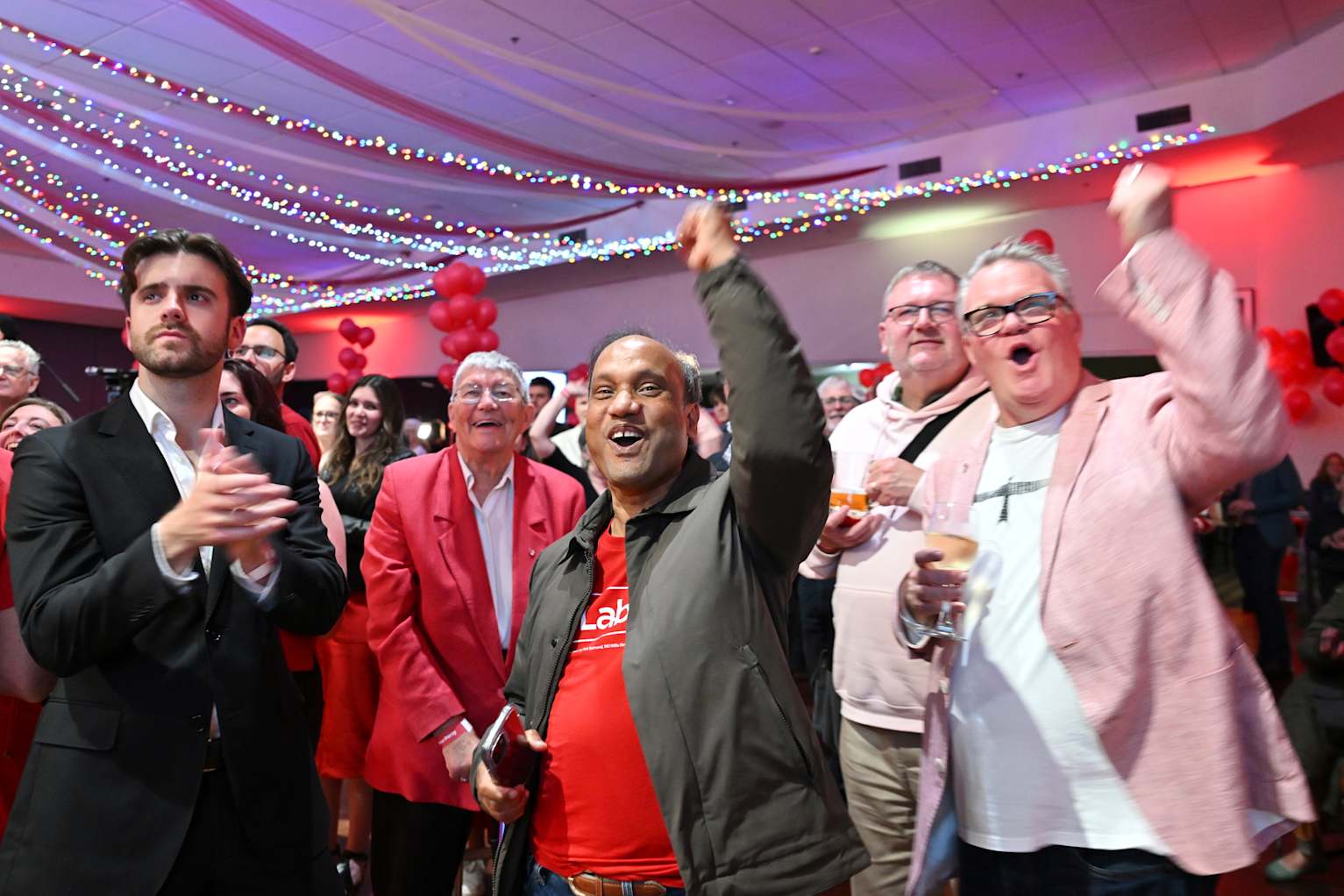
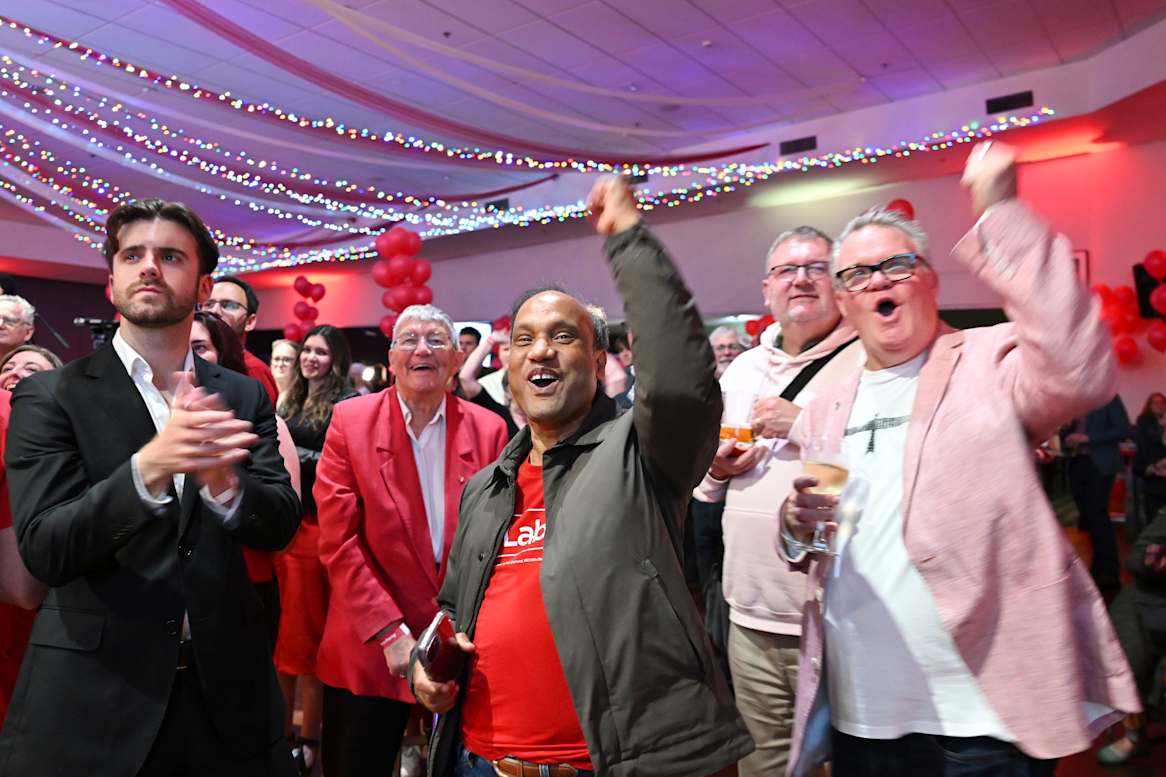
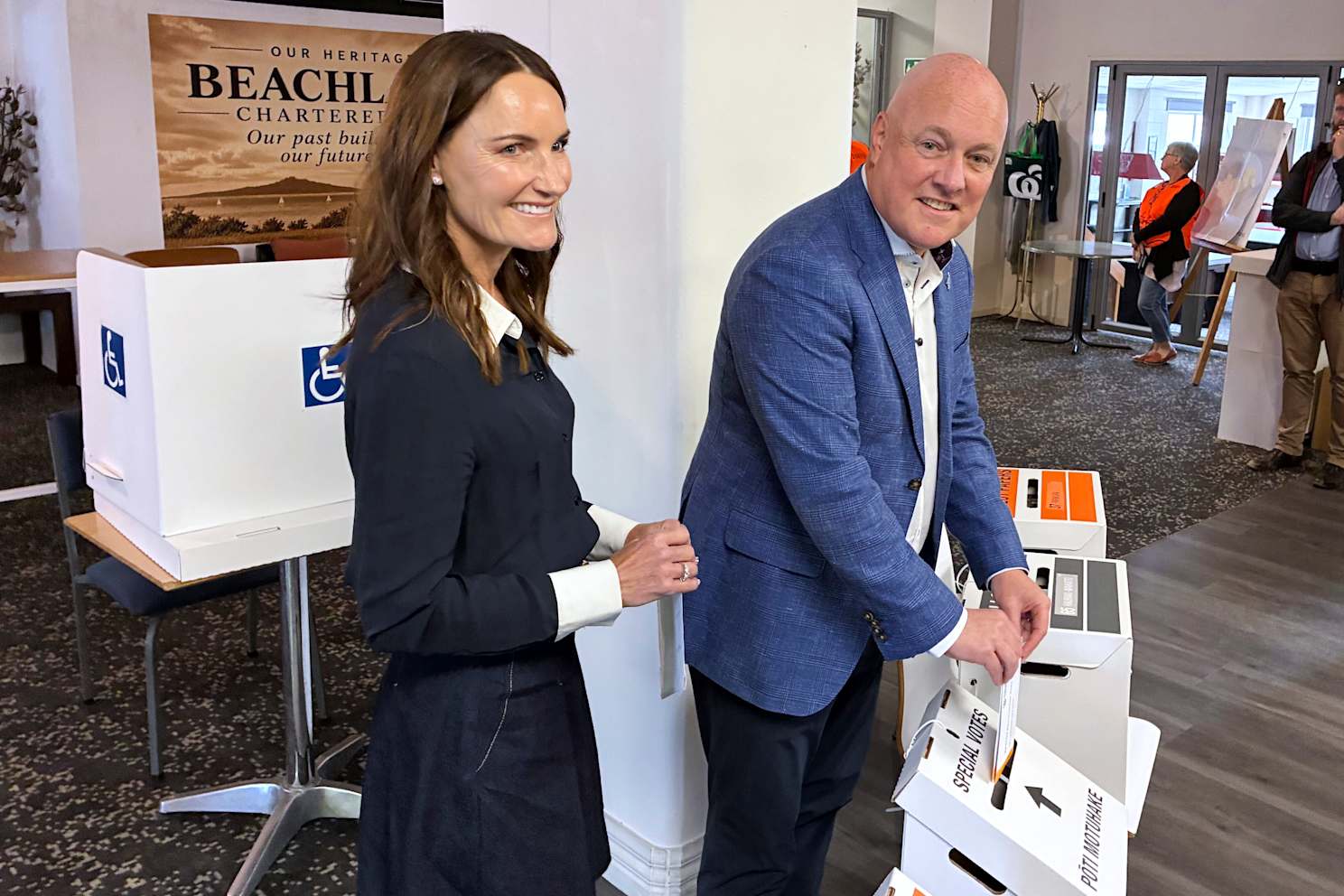
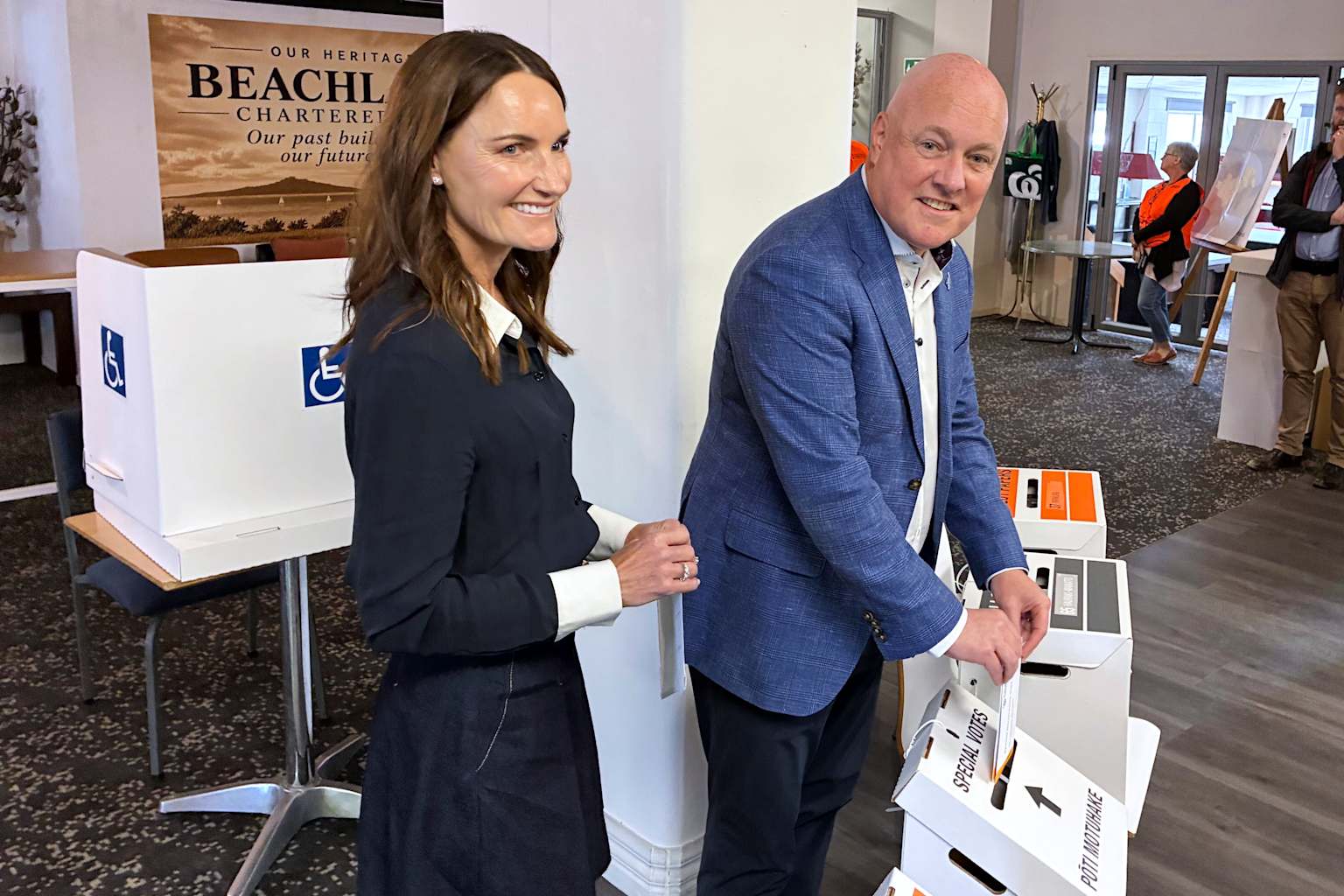
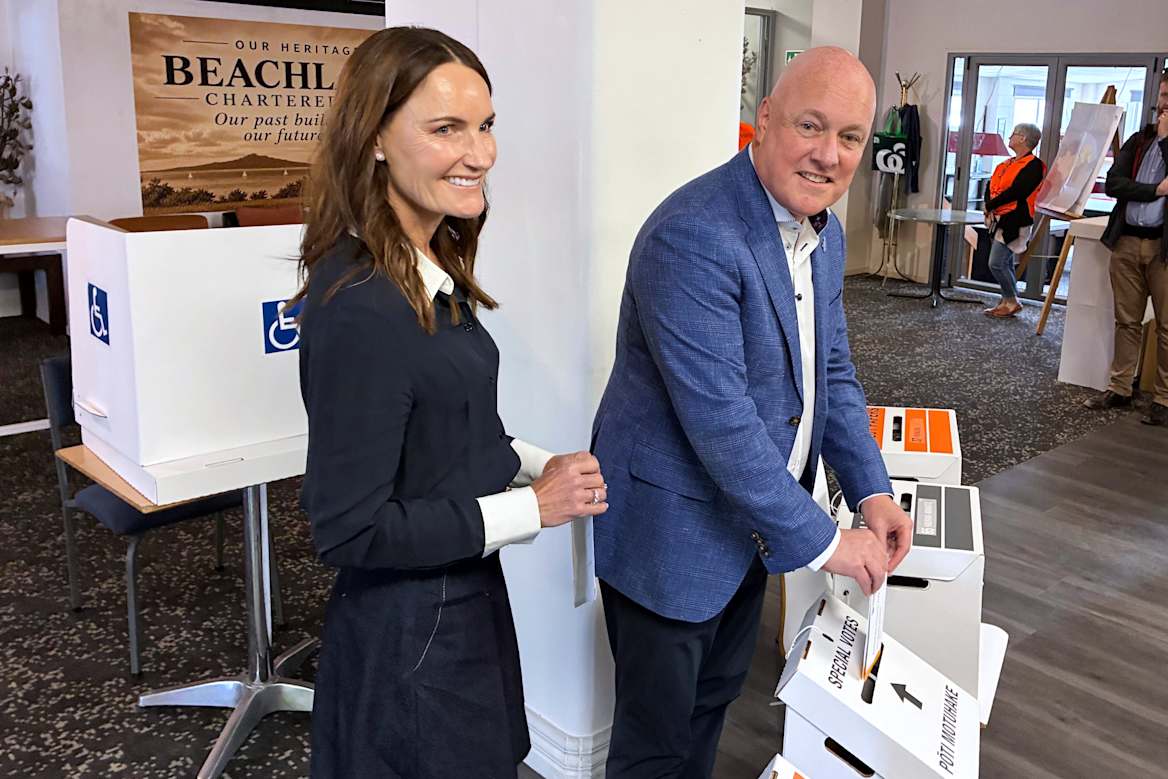
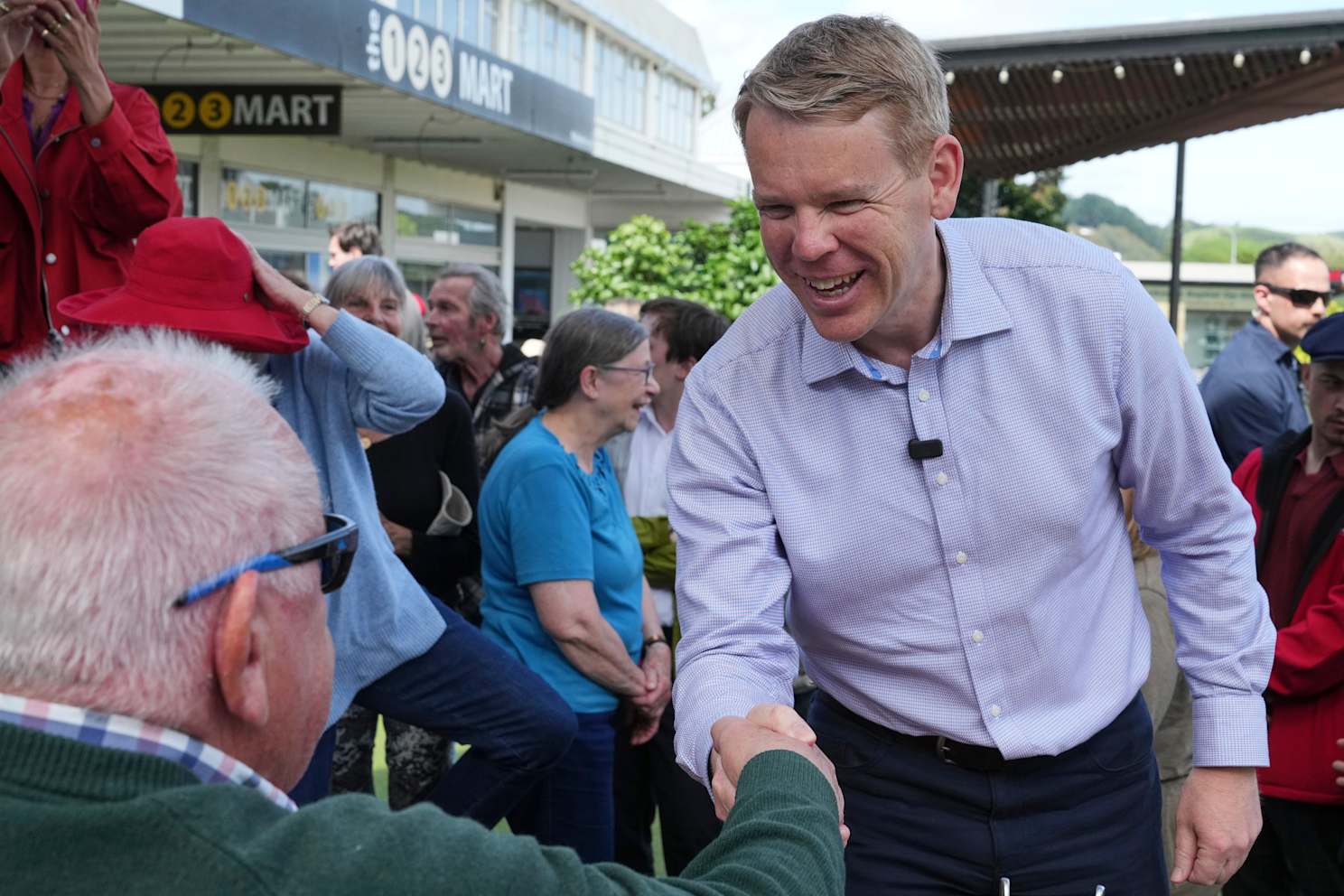
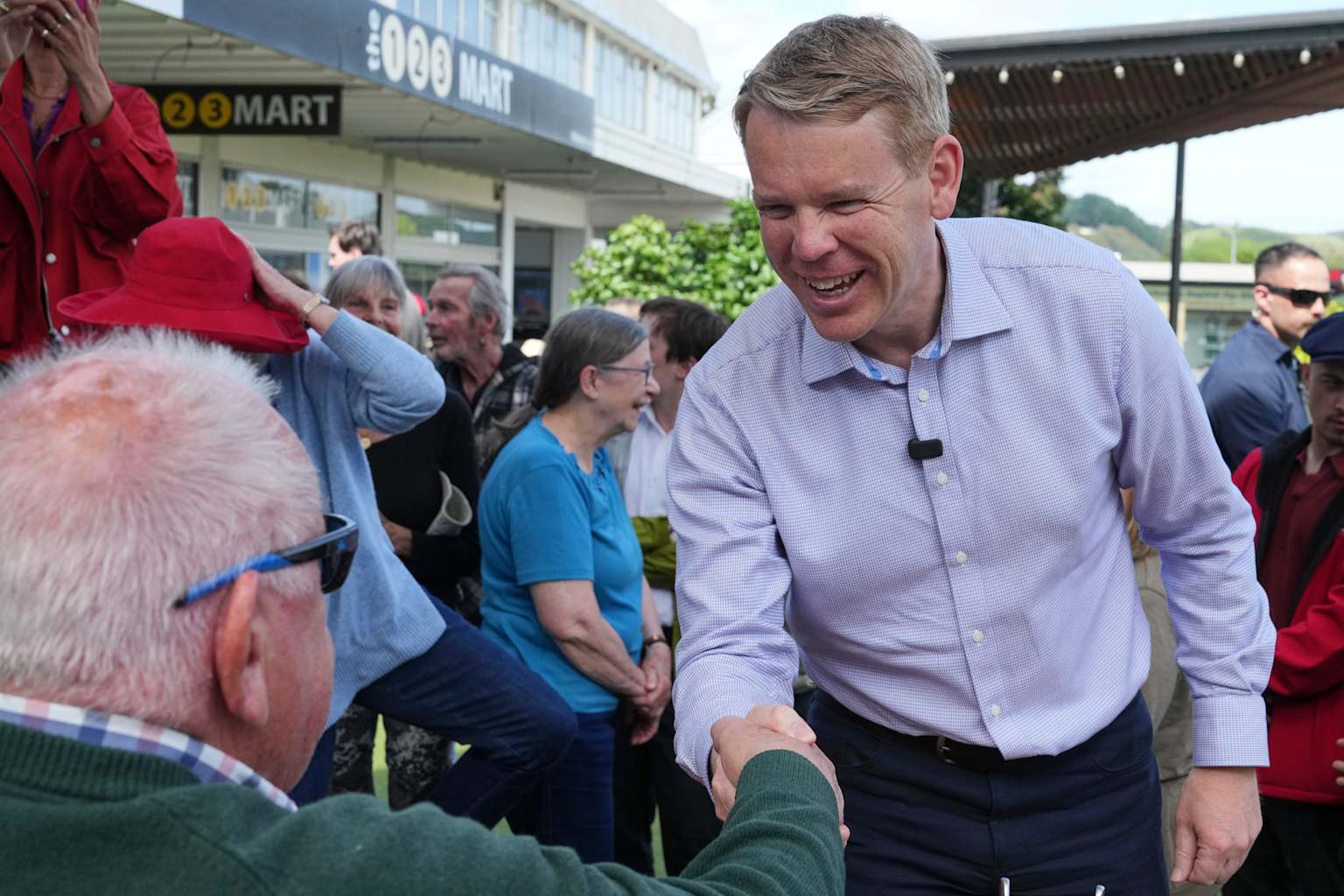
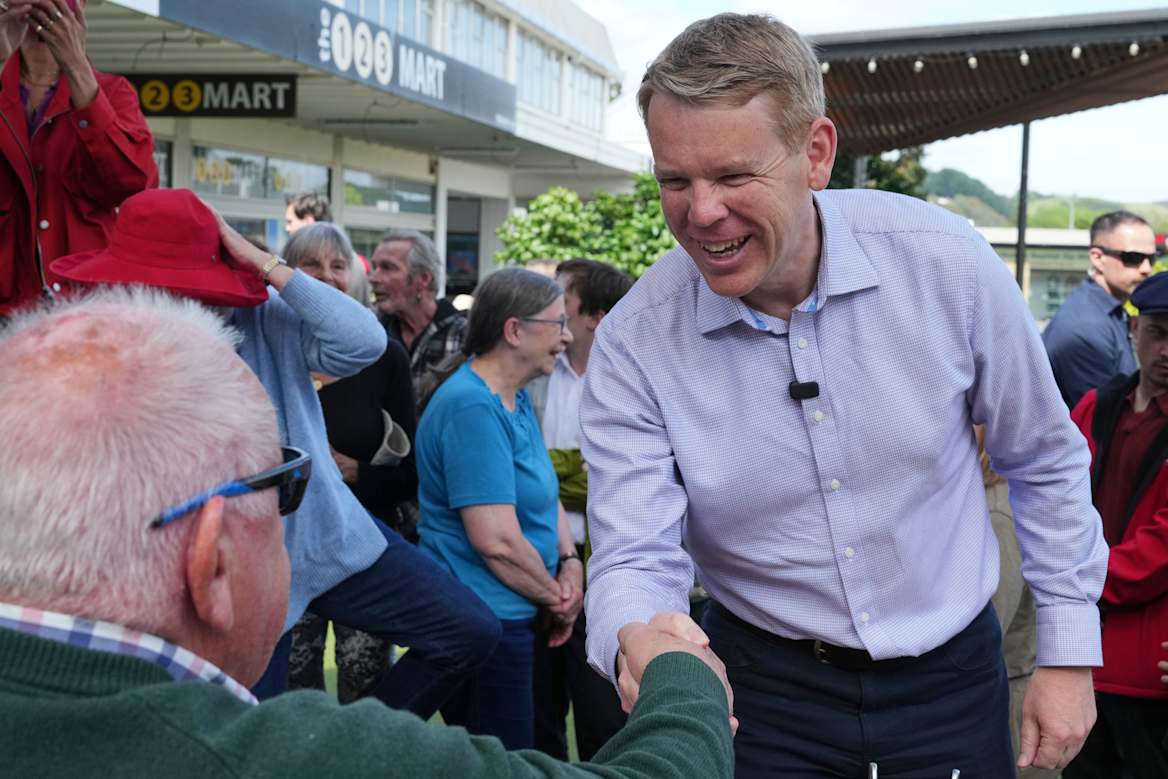



Early results from New Zealand’s election suggest there is no easy path to victory for either of the major parties.
With about a third of votes counted, Christopher Luxon’s National Party and its minor-party coalition partners, libertarian ACT and populist NZ First, balanced on a knife’s edge that saw them flirting with the slimmest possible majority or falling just short as votes were counted, indicating that a return to power would be precarious.
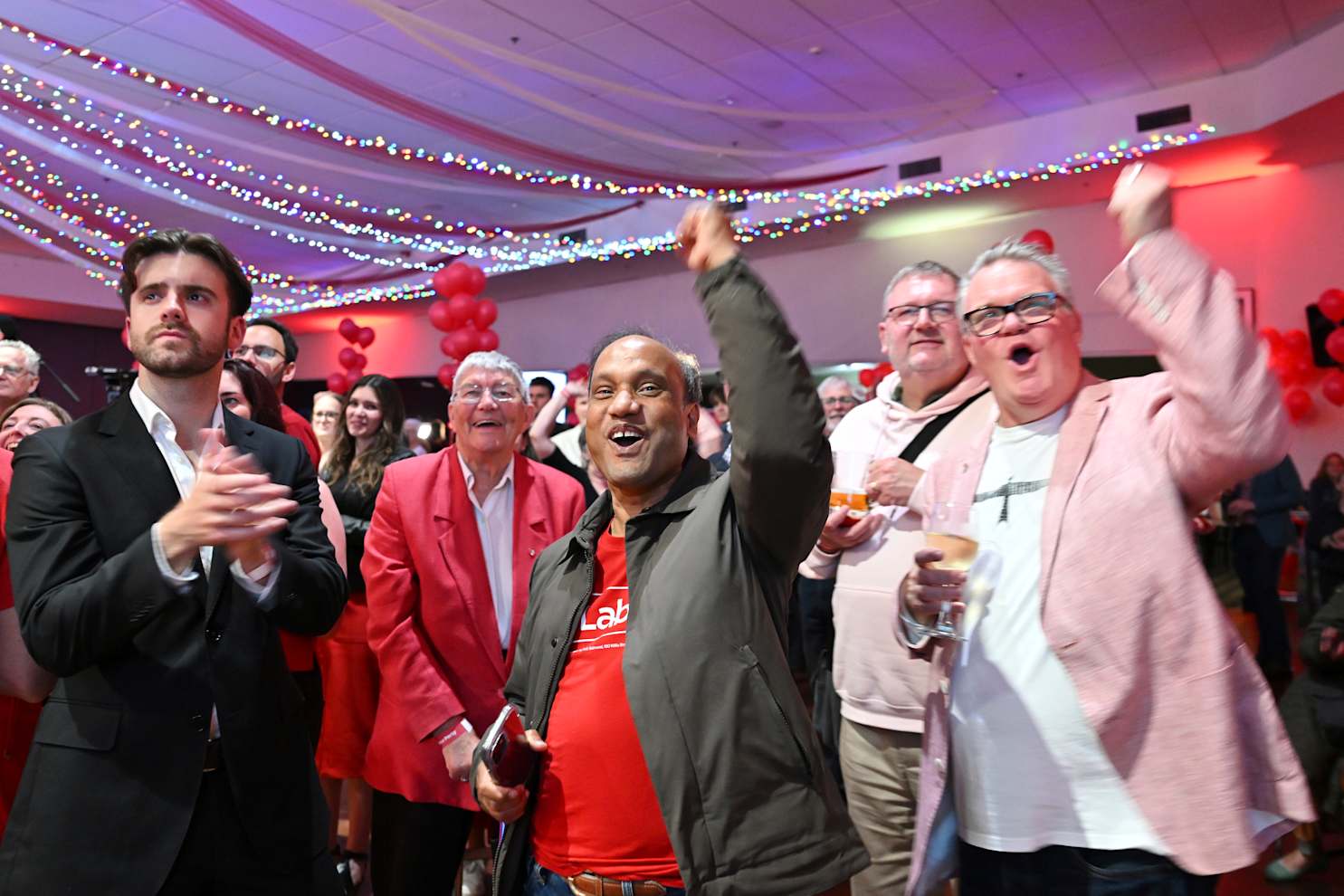
National and the main left-wing party Labour, led by Chris Hipkins, were neck and neck at just under 30 per cent of the vote. Both would consider this disappointing, but it also reflected opinion polls before election day that showed little voter enthusiasm about either of the country’s main political groups.
New Zealanders don’t elect prime ministers. Instead, they cast two votes, one for their preferred party and one to select a local representative.
To govern, a coalition of parties must hold more than half of parliament’s seats. The total number of seats is determined by official calculations on election night based on quirks of the country’s vote.
Early figures showed there could be a 130-seat parliament, which would mean that 66 seats would mean a majority. However, parties negotiating shared governing arrangements would prefer a more comfortable margin.
The first results showed a coalition of National, ACT and NZ First would hold 65 seats, but the figure was likely to change as the night continued.
Meanwhile, the left bloc, led by Hipkins and Labour, and including the Green Pparty and Te Pāti Māori, an Indigenous rights party, held a combined 58 seats, in numbers also likely to keep fluctuating.
Some of the most senior figures in Luxon’s National party would be ejected from parliament in preliminary results that would give more sway to minor parties than before.
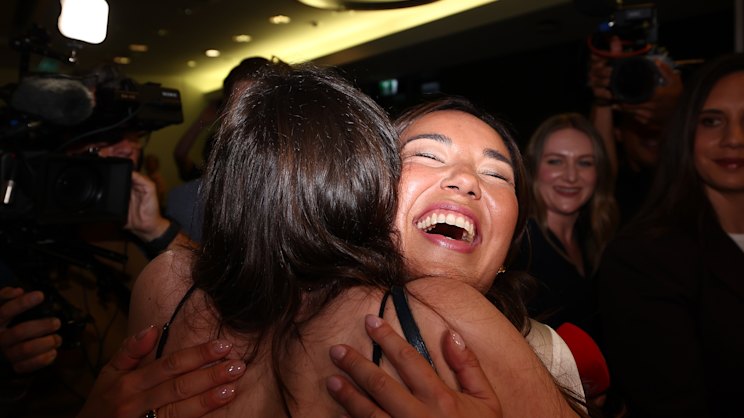
Among them is Opportunity, a political party that – based on early figures – would enter New Zealand’s Pparliament for the first time, with six seats.
The socially liberal, technocratic group is led by 38-year-old political newcomer Qiulae Wong, who surged in popularity ahead of the vote with her pledges to bring longer-term thinking and less partisan squabbling to politics. Opportunity has said it was open to negotiating either a conservative or a left-wing government and would deal first with whichever major party won the most votes.
However, the magnitude of Wong’s success was still undecided on Saturday. Parties must win 5% of the vote to enter Parliament, and the count so far showed Opportunity had just crossed that threshold.
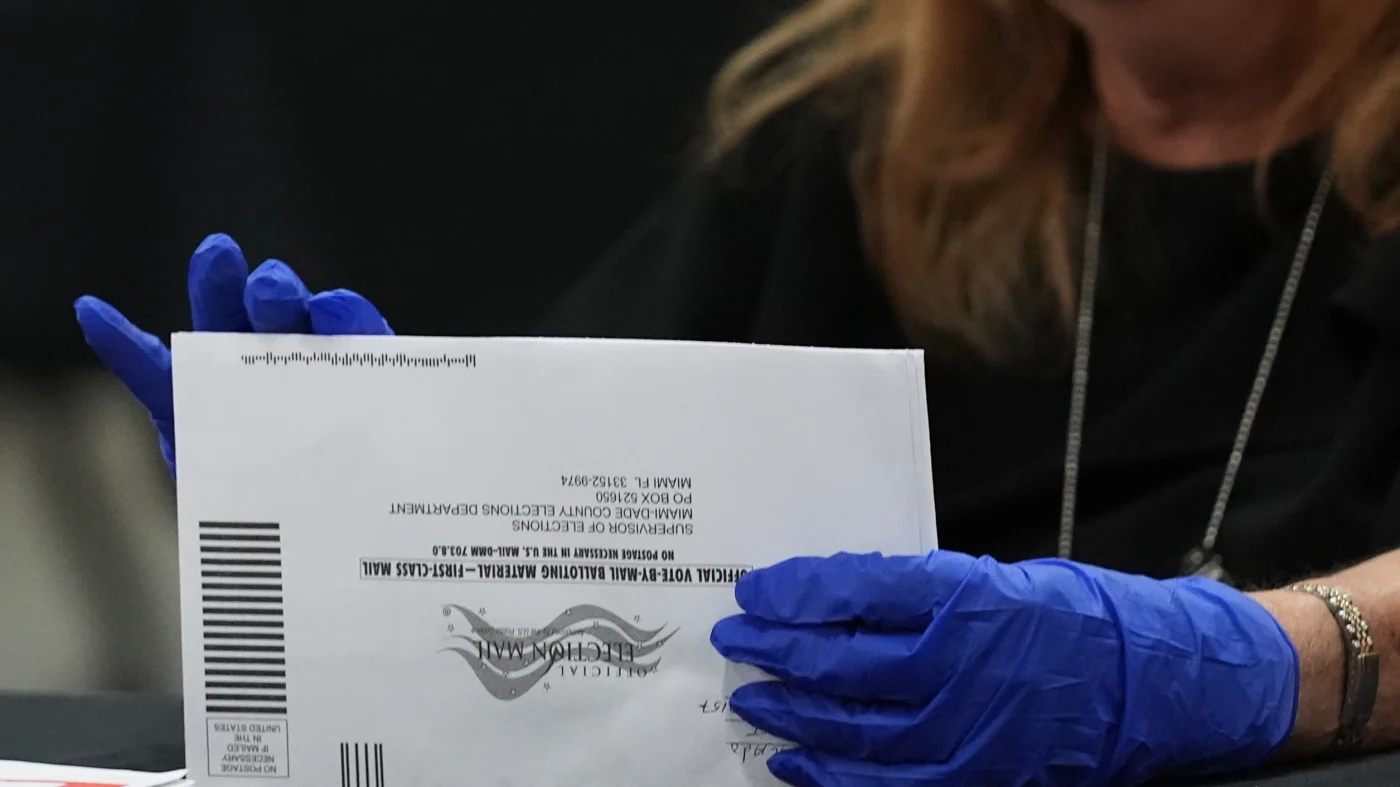
Voting began on October 26 and ended on Saturday, with nearly 3.8 million people eligible to participate. Results from 95 per cent of ballots cast are expected by the end of Saturday night.
A final, verified tally is due on November 27, including results from votes cast by New Zealanders living abroad. The South Pacific nation is home to 5.6 million people.
Hipkins was seeking a second chance at power after a resounding defeat three years ago, but he hadn’t benefited much from Luxon’s slumping popularity in pre-election opinion polling.
The early result showed minor parties on both the left and right winning more seats than at the 2023 election, which propelled Luxon to power.
Analysts had suggested that economic woes, including inflation, living costs and unemployment — and apathy about the premierships of either Luxon and Hipkins — would see minor parties grow in popularity, granting them greater bargaining power in forming a governing coalition and forcing the major parties to enact more of their agendas.
Luxon, a former businessman, entered politics in 2020 and came to power three years ago on pledges to reverse New Zealand’s post-pandemic economic malaise. Global shocks have buffeted the country’s trade-reliant economy and growth remains slow, with unemployment at a 15-year high.
His detractors say the influence wielded by his minor party governing partners, both veteran politicians, highlighted Luxon’s political inexperience.
Unusually, Luxon faced two separate confidence votes among his own lawmakers this year.
Hipkins, a career politician, was thrust into the premiership nine months before the 2023 election when his predecessor Jacinda Ardern quit. His detractors associate him with pandemic-era policies of Ardern’s, which were praised globally for their public health success but which opponents say generated economic hardship.
Election deadlocks have previously seen the two blocs race to establish a coalition deal by wooing a minor party that holds the balance of power. Opportunity might hold the tiebreaker role in early results.
Luxon has ruled out governing with Opportunity. Analysts say, however, that both major party leaders would likely answer the phone if Wong held the only path to power on election night.
You have reached your maximum number of saved items.
Remove items from your saved list to add more.
You've used all of your gift articles. 3 more will become available on the 1st of every month.