






New Zealanders head to the polls on Saturday in an election dominated by the cost of living, how to handle a more uncertain world, and a young party leader vying to become a new “kingmaker”.
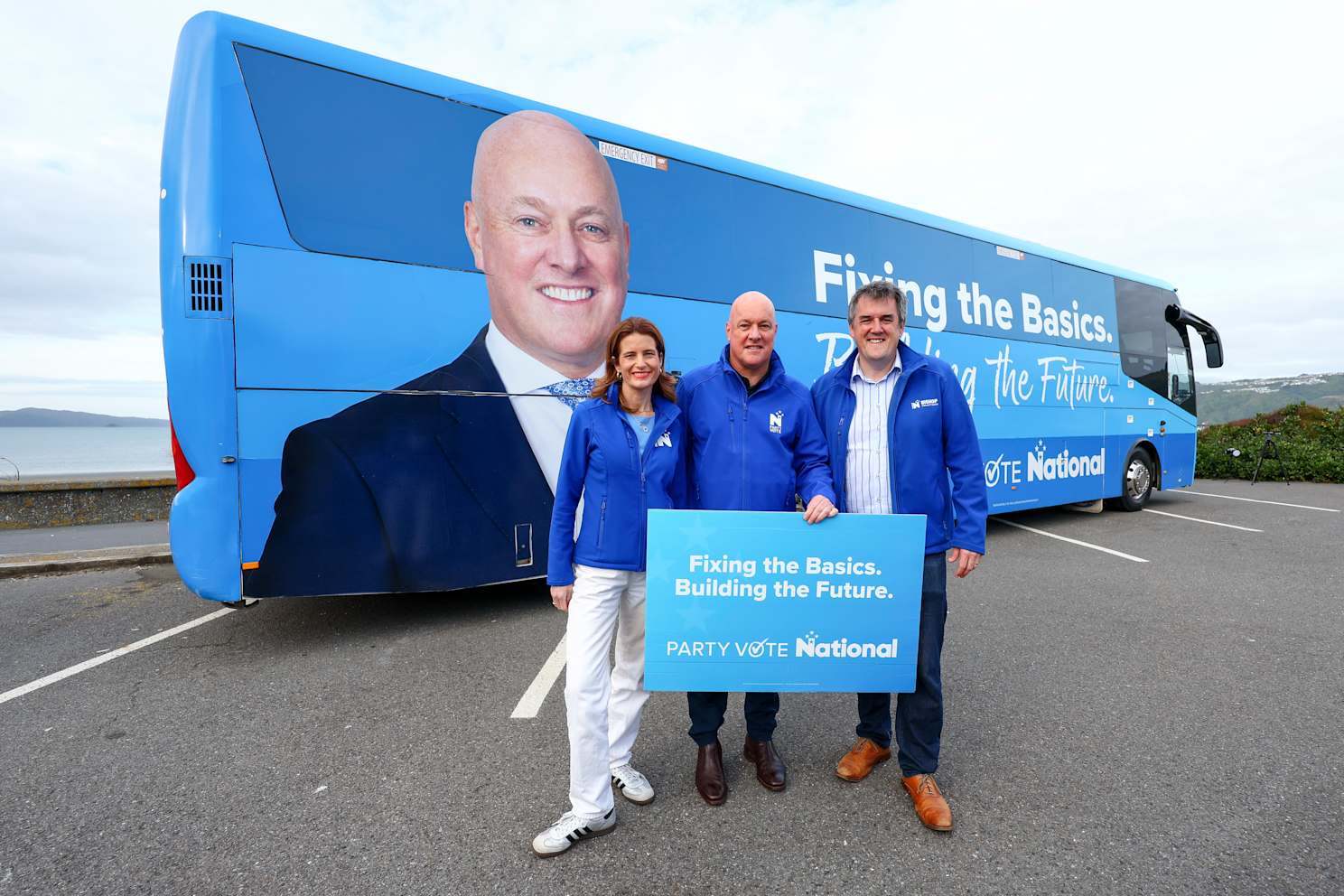
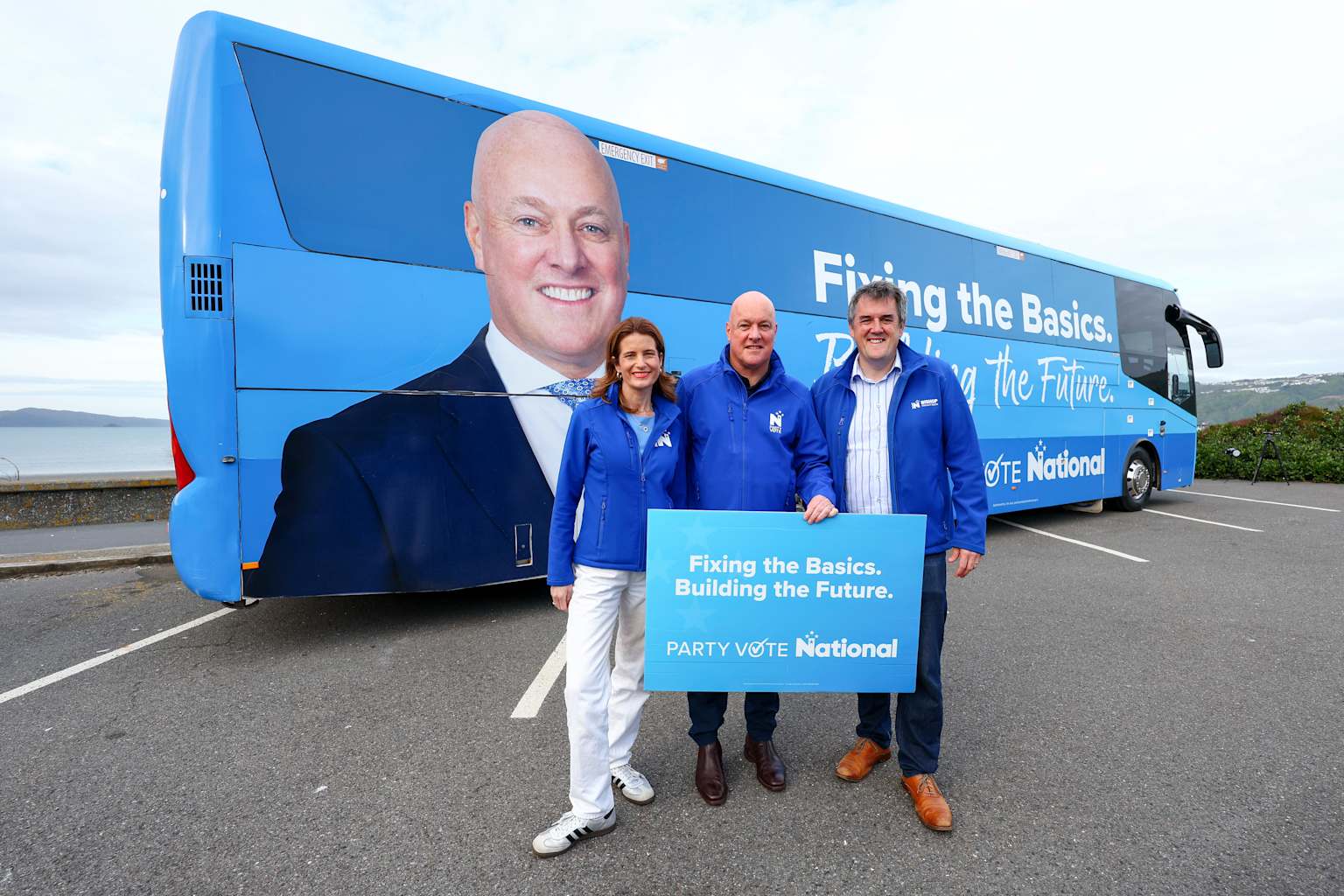
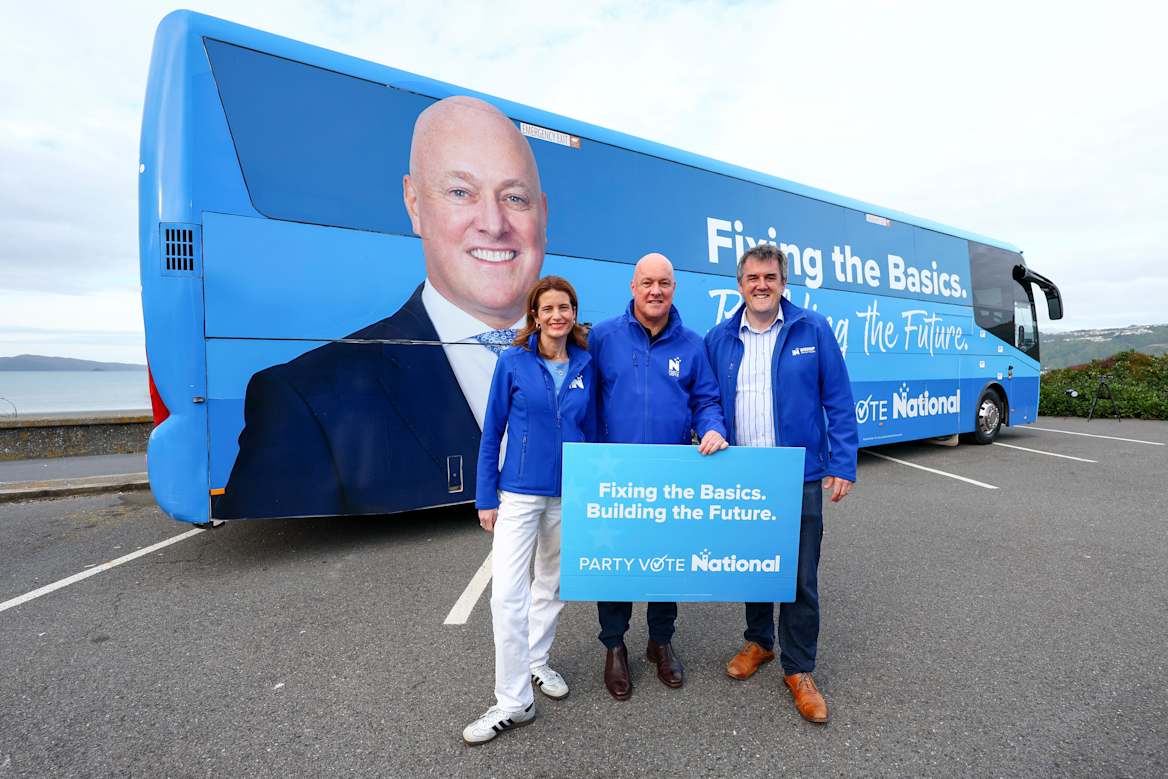
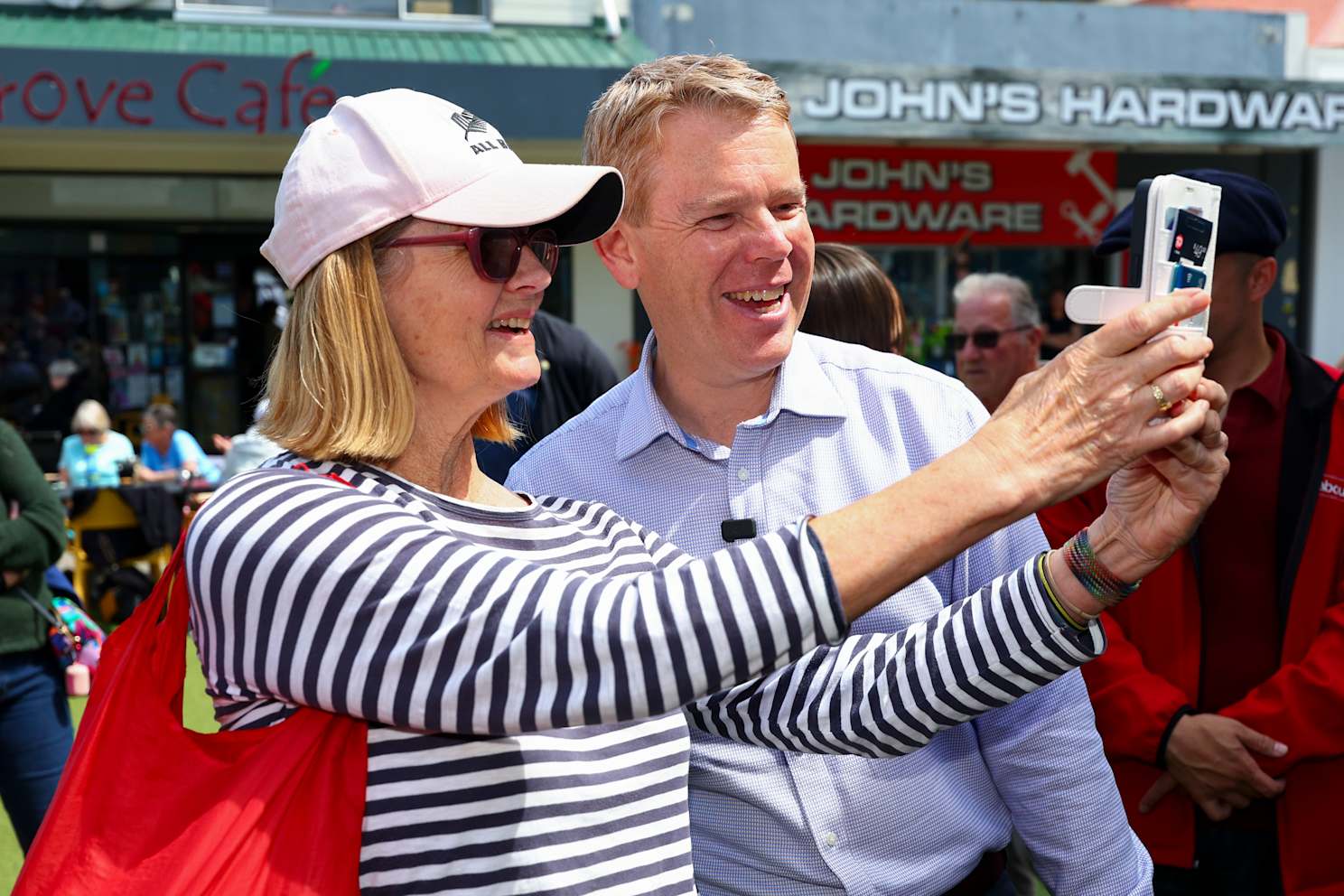
The “two Chrises”, as they are widely known, are Prime Minister Christopher Luxon, 56, former head of Air New Zealand, and former Labour PM Chris Hipkins, who briefly replaced Jacinda Ardern after she resigned as leader in 2023 .
Since winning most seats in that year’s election, Luxon’s centre-right National Party has governed in a coalition with the ACT (Association of Consumers and Taxpayers) and New Zealand First, led by political veteran and former kingmaker Winston Peters.
In opposition, Hipkins and the centre-left Labour Party have formed a broadly progressive bloc with the Greens and Te Pati Māori (the Māori Party), whose members include Hana-Rawhiti Maipi-Clarke, known – and censured – for her trademark Haka performances in parliament.
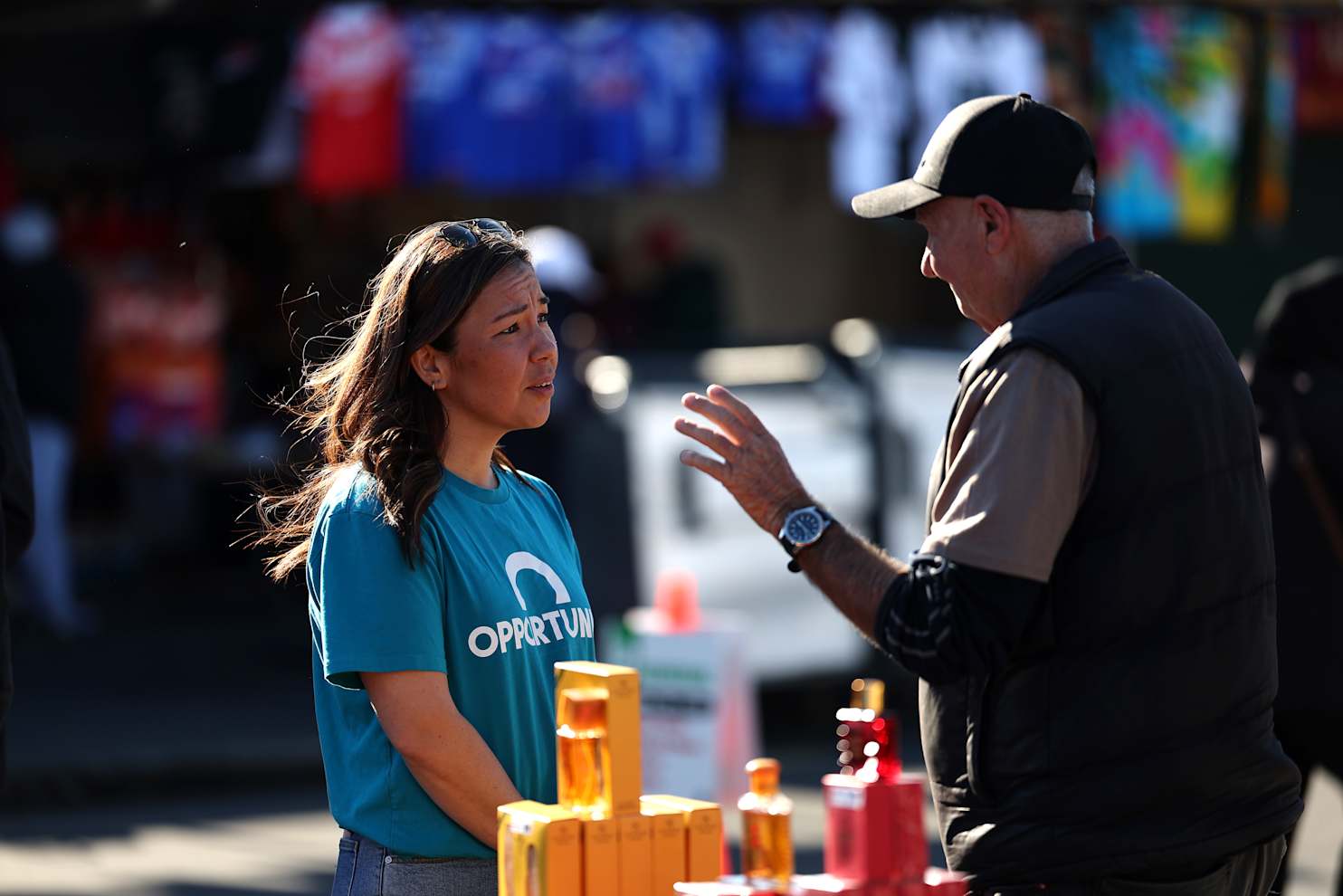
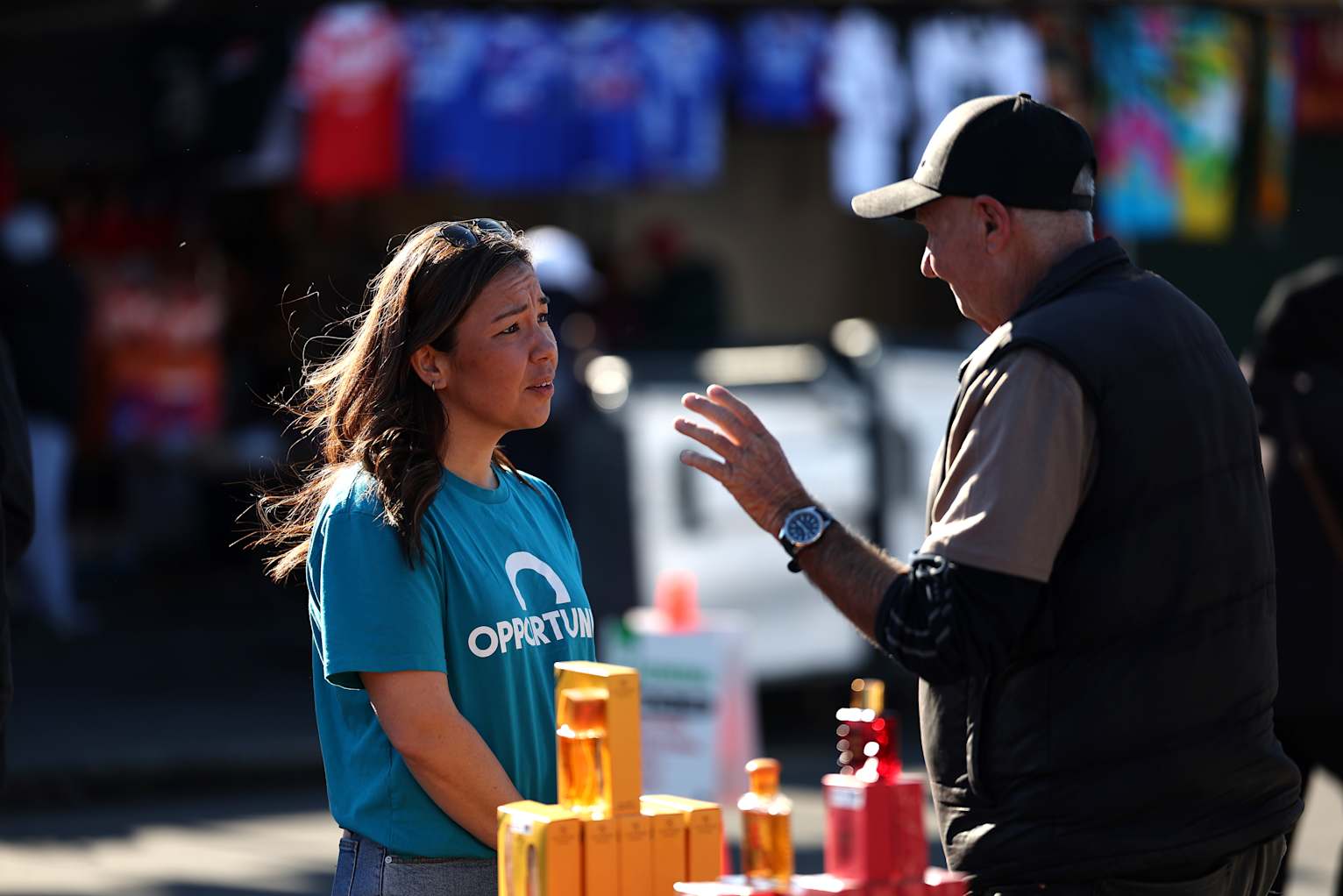
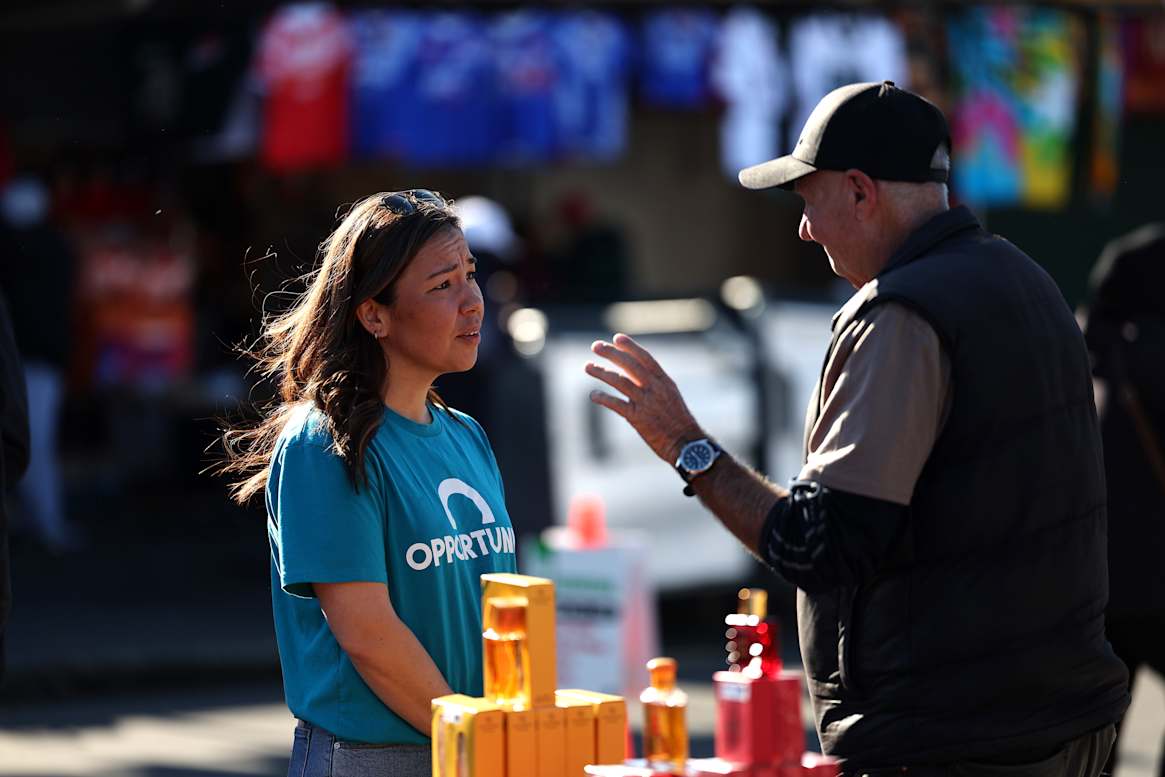
Opportunity, previously The Opportunities Party (TOP), was founded in 2016 by economist Gareth Morgan and has never won a seat in parliament. It says it is neither left- nor right-wing but wants to act as a “political circuit-breaker”, working constructively with both sides of politics.
Unlike Ardern, who became PM at 37 in 2017, Wong was new to politics before last year. She says Opportunity’s supporters want “a more aspirational” vision for New Zealand’s future. Rebuilding trust in politics, including by delivering long-term solutions, is part of its pitch.
Its core supporters, the mother of two told Bloomberg, are people like her – “future-focused Millennials; a lot of young parents who have grown up between this old-fashioned kind of economy, which is very extractive of nature and all about individual pursuit of wealth, and see that we need to do things differently.
“We still want to grow successful businesses and have a strong economy, but we think we can do that in a way that looks after nature and looks after people.”
New Zealand has a unicameral parliament (it abolished its upper house in 1951) and holds elections every three years. Under its mixed-member proportional voting system, smaller parties can end up shaping who forms government.
Polling shows a slender margin between the ruling Nationals and Labour, with neither likely to form a majority, while Opportunity seems set to pass the 5 per cent threshold that would entitle it to seats and could deliver the balance of power.
“You’ve got a left and a right bloc,” Connor Graham, a research fellow at Lowy Institute , says, “and neither coalition is consistently polling over 50 per cent, in a way that would lead to them having a majority government. The lion’s share of those remaining votes would go to Opportunity – and that’s sort of your teal,” he says, referring to the Australian independents.
Wong, whom The Economist has described as a “millennial centrist”, has outlined five “bottom lines” should her party hold the balance of power: to “bring down bills for Kiwi households” by taking action on anticompetitive behaviour and reforming rules on lobbying and political donations.
She also has a 10-year plan for funded health care, seeks an end to bottom fish-trawling in some ocean areas, and a recommitment to the Paris Agreement on climate change.
Wong has also pitched a land value tax of 1.75 per cent annually on residential land and 0.5 per cent on rural land, which her party says would fund broader tax changes.
Luxon has said his party would not partner with Opportunity, while Hipkins has said Labour is more aligned with Opportunity than the National Party.
“Opportunity have remained pragmatic,” says Lowy’s Connor Graham, “and said, ‘we are going to negotiate with whoever has the most votes if we get our 5 per cent’. So it could be quite an interesting situation on the weekend where we have two blocs somewhere in the mid- to high-40s, then one kingmaker independent teal party with five strict non-negotiables.”
The Green Party, led by Chloe Swarbrick and Marama Davidson, is also enjoying some of the strongest polling in its history, reports The New York Times , with support at about 14.5 per cent.
Meanwhile, unemployment is at its highest since 2015, and New Zealand’s economy has barely grown in three years. Housing affordability, rents and a shortage of social housing remain major concerns. Ageing public assets have also raised questions about how to pay for better infrastructure.
New Zealand is also juggling deep trade links with China against security ties with Australia, the US and other Western partners. Connor Graham says the parties’ stances differ markedly on issues such as whether to explore technology co-operation under the AUKUS Pillar Two agreement (the part that does not involve nuclear submarines). This election will be defining for how the nation engages with a fast-changing world order and the shape of its longstanding “independent foreign policy mantra”, he says. It has resonance for Australia, too, he contends, “which is also wrestling with its place in a changing world, with its closest ally, the US, particularly unpredictable.”
You have reached your maximum number of saved items.
Remove items from your saved list to add more.
You've used all of your gift articles. 3 more will become available on the 1st of every month.