By Rachael Knowles , Alexandra Jones , Ricardo Gonçalves
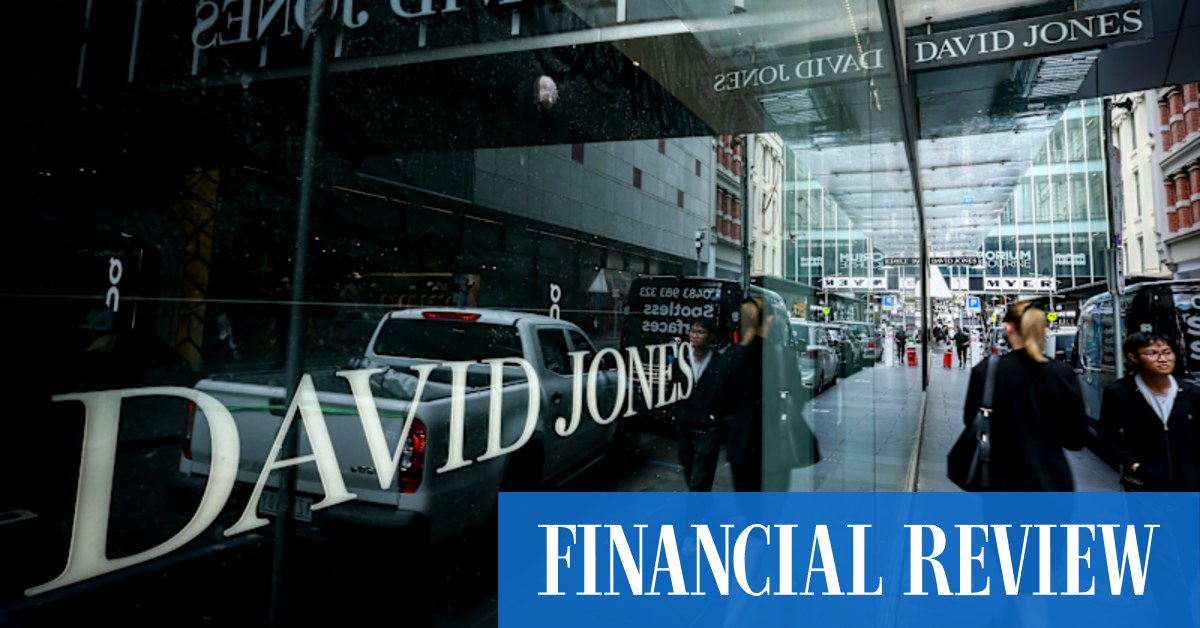
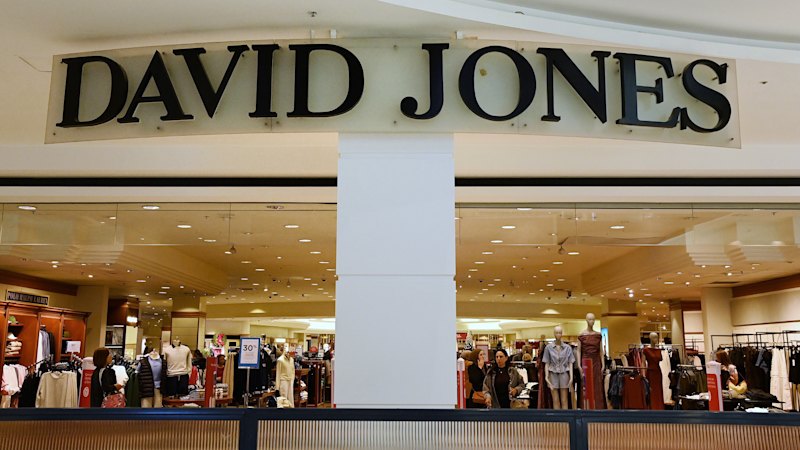
David Jones has been a giant on the Australian retail landscape for almost two centuries. But experts warn the retailer won't survive administration if it fails to "shrink and specialise".
Some have suggested it will look to US department stores for a model on downsizing and creating a David Jones 2.0.
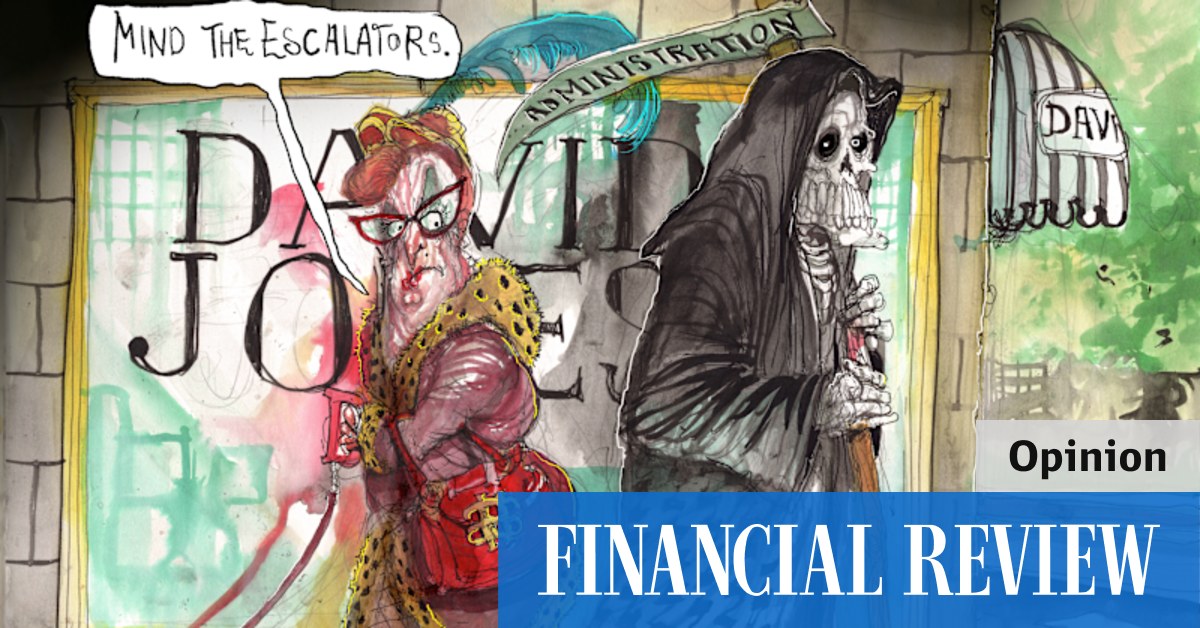
The high-end chain announced it has entered voluntary administration on Thursday, after a failure to reach agreement with the retailer's main landlord over rent payments.
Some storefronts are expected to close, but David Jones will continue trading while administrators review its operations.
Danny Samson, chair of management at the University of Melbourne Business School's Department of Management, said the administration announcement was a "long time coming".
Your trusted source for staying up-to-date with the world around you. Get free daily news updates and analysis, straight to your inbox.
"They've had a department store business model in place for 180-plus years, which is a really long time for any company," he told SBS News.
"They haven't changed, but the world has moved on."
He said it's become common for department stores globally to lose market share and shrink.
Business strategist and consumer behaviour analyst Barry Urquhart told SBS News the retailer was suffering from "undercapitalisation".
"It doesn't have sufficient funds to be able to develop a business development program," he said.
"Therefore, when you run out of capital, you run out of time, and when you run out of time, your creditors run you out of business."
Urquhart warned the "cost of doing business" is now "profound and widespread".
"Margins have been squeezed. Consumers are entrenched value shoppers. They are price sensitive, they're informed, discerning, and very demanding."
He said consumers are becoming "less loyal" and are seeking "value and price" — it's making them turn to e-commerce.
More than 20 per cent of David Jones' revenue came from online purchases, according to retail marketing and consumer behaviour professor at the Queensland University of Technology, Gary Mortimer.
"It just goes to show you don't need so many physical stores if you can facilitate those online purchases elsewhere," he said.
"We've seen brands themselves become retailers too — brands you once went into a department store to access because you couldn't get them elsewhere now have their own physical retail stores."
Mortimer said the rise of "fast fashion" is also contributing to the department store's downfall.
The type of people spending has also shifted.
Samson said David Jones' business model has preferenced older people who have "less disposable income" than their younger counterparts.
"The big challenge for David Jones is how does it shed its old grand image for something that's new, nifty and cool and really appeals to the younger person with disposable income?"
Not all hope is lost for the Australian icon, started by a Welshman named David Jones.
"There is possibly something that can be salvaged in the way of a smaller and sharper set of operations," said Samson.
He said David Jones' reputation means that with the right changes, the retailer can survive.
"They'll have to substantially change, and that includes shrinking, specialising and going where consumers want them to go," he said.
"David Jones will have to change its footprint substantially and reduce its overhead costs ... It'll have to have a new business model and be in a very different form, much more online presence, much more change in its product line."
Mortimer also believes the world's oldest department store still trading under its original name (it first started trading in 1838) will live on but he said it'll have to limit stores and rely on its luxury appeal.
"We will see David Jones 2.0," he said.
"It will be a smaller fleet of businesses. It will hark back to its days of champagne bars, luxury retail and luxury brands that you can't get in Australia."
He said David Jones may take a similar path to Saks Fifth Avenue in the United States, which went into voluntary administration at the start of 2026.
"By July this year, Saks came out of that process with only 15 stores, reducing their fleet from 33 stores — that's essentially what we'll see with David Jones," he said.
The news of David Jones' administration has raised concerns for Myer — which has already closed seven stores since 2019, and recently announced the closure of its Roselands store in Sydney.
"We'll continue to see a decline and a resize of the department store sector," Mortimer said.