


Huawei has told some customers that its next flagship AI chip, the Ascend 960DT, will run largely on Samsung and SK Hynix memory, The Information reported. US export rules bar both South Korean companies from selling that high-bandwidth memory, known as HBM, to China.
Chinese memory makers cannot produce enough HBM, according to the report. Huawei has asked some customers to source the memory themselves. The Information spoke to smugglers, Huawei customers and others familiar with its supply chain. TNW has not independently verified the report.
The report describes one route the memory takes into China. US rules ban exports of standalone HBM. A chip package, however, is judged by its processor, not by the memory attached to it.
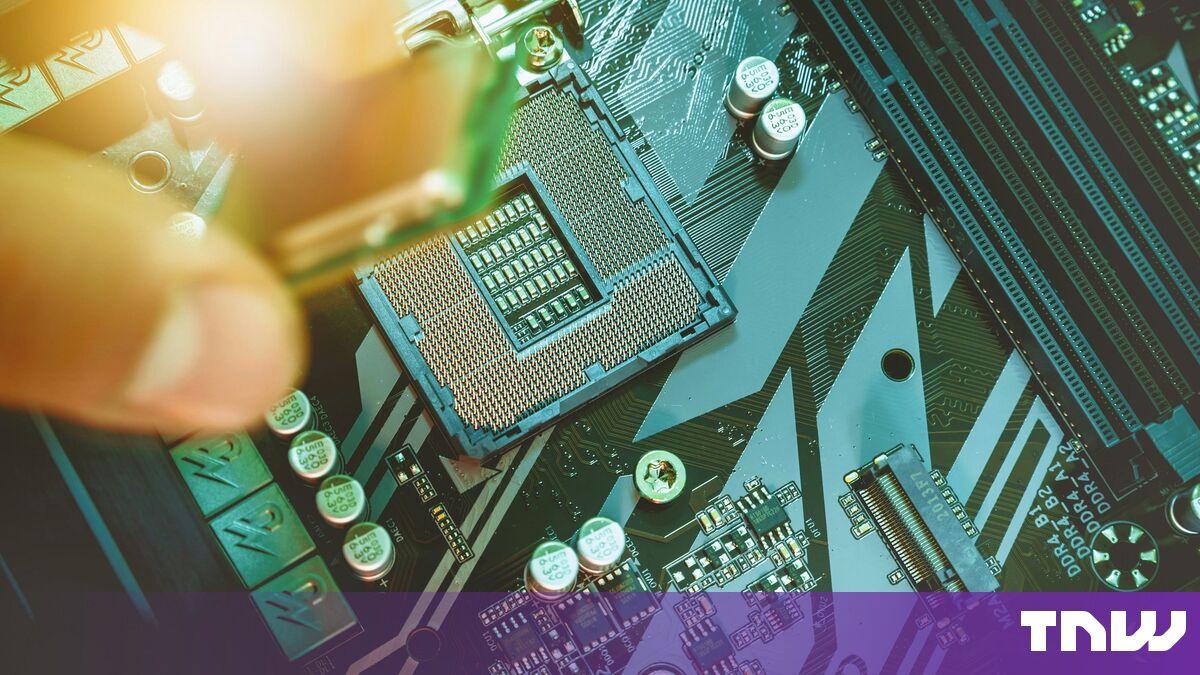
One smuggler runs a chip design firm that makes processors too weak for any data centre to buy, the report says. Packaging firms in Taiwan, South Korea and Southeast Asia bond Samsung and SK Hynix memory to those processors. The packages ship to Hong Kong under the processor’s export code.
From there, couriers and commuters carry them into mainland China in luggage and car boots. Workshops heat the packages until the solder softens. Technicians then lift off the memory and discard the processors. Many memory stacks crack or warp along the way.
A chip broker in Shenzhen told The Information what that memory now costs.
“A year ago, a single HBM3E unit changed hands in China for several hundred dollars. Today it’s about $4,000,” the broker told The Information.
The Information said the full extent of the HBM smuggling is unclear. Samsung and SK Hynix told the publication that they comply with export rules. SK Hynix said it has not supplied Huawei since 2020.
The gap dates back to the US rule of December 2024 that first restricted HBM sales to China, TechRadar reported. That rule judges a package by its processing performance when processing is its main function.
“The report leans heavily on anonymous dealers, with no shipment volumes, seizures, company names, or failure-rate figures attached,” TechRadar wrote.
China’s own memory maker CXMT has started making HBM3E, but with low HBM3E yields , Reuters reported in October. SK Hynix, meanwhile, expects the global memory shortage to last until 2030.
US prosecutors are also pursuing AI chip smuggling cases. In October, they charged a California man with smuggling AI servers to China.
Get the most important tech news in your inbox each week.