The Association of Consulting Architects’ 2026 Pulse Check survey provides a snapshot of the health of architectural practice across Australia.
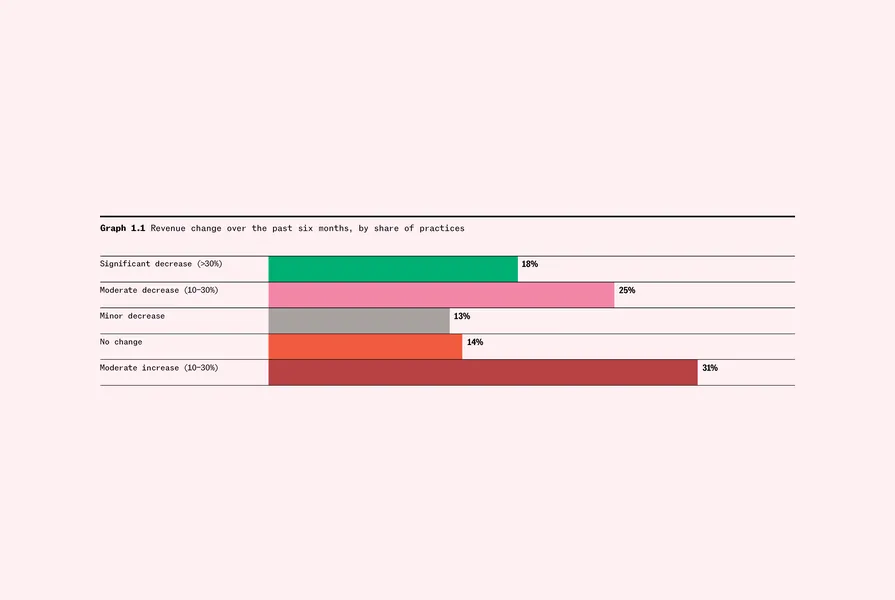
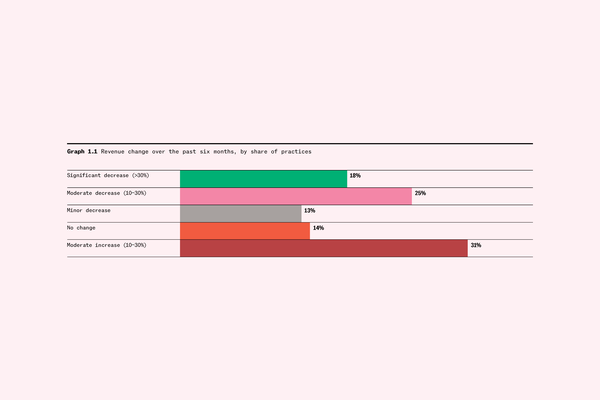
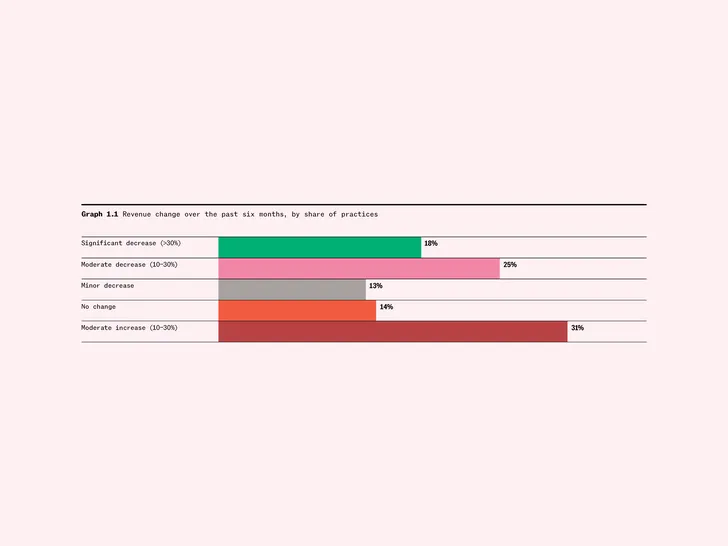
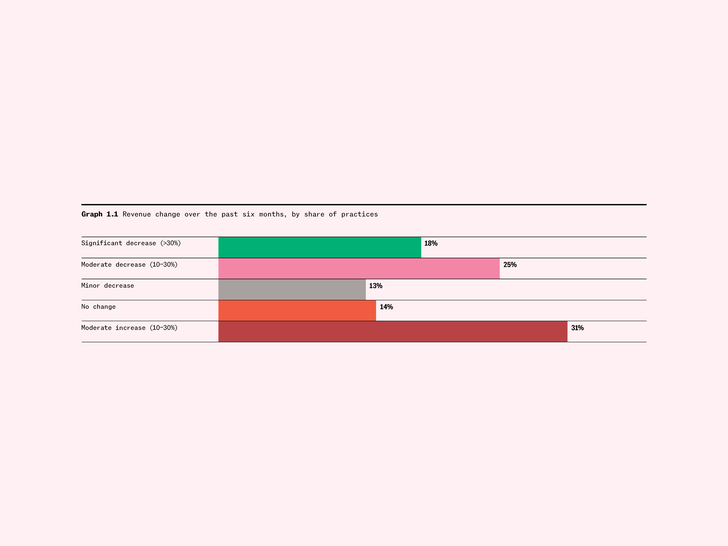
Graph 1.1: Revenue change over the past six months, by share of practices.
A series of industry studies released in 2026 paints a picture of changing practice and practitioners. From gender equity to sustainability, cost escalation to wellbeing, the numbers tell us about an architecture industry in flux. Read the results of the Association of Consulting Architects’ 2026 Pulse Check survey, which provides a snapshot of the health of architectural practice across Australia, below.
The Association of Consulting Architects’ annual Pulse Check survey has become a valuable tool for creating a clear picture of the health, economic conditions and challenges of architectural practice and practitioners across Australia.
The 2026 Pulse Check survey ran from 24 March to 9 April and was completed by 270 practices – collectively employing an estimated 5,000 staff – across all states and territories.
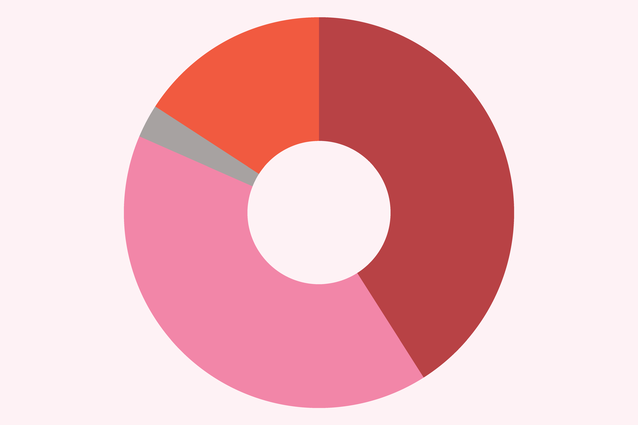
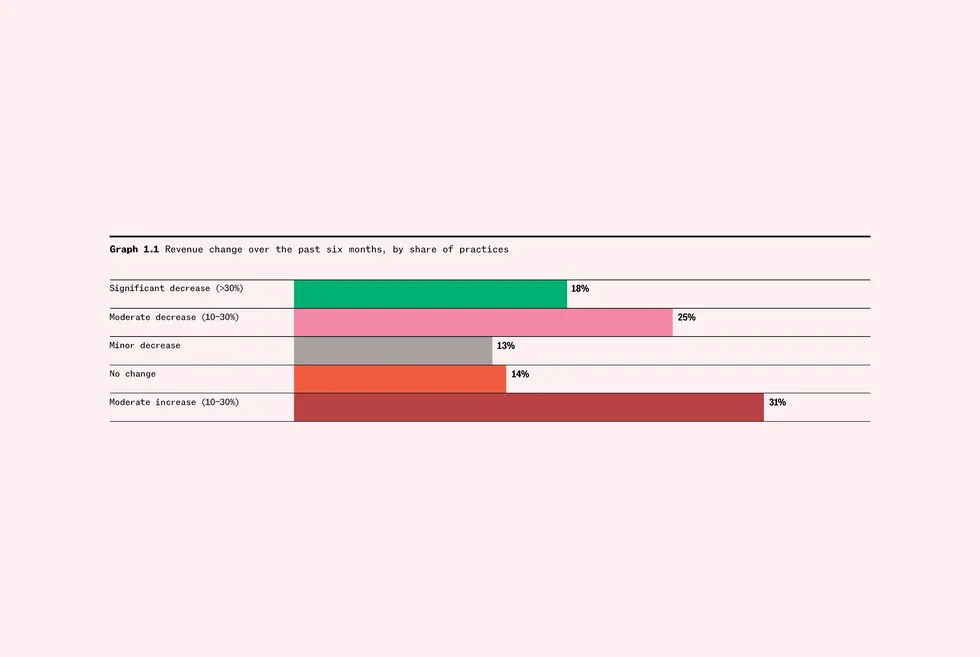
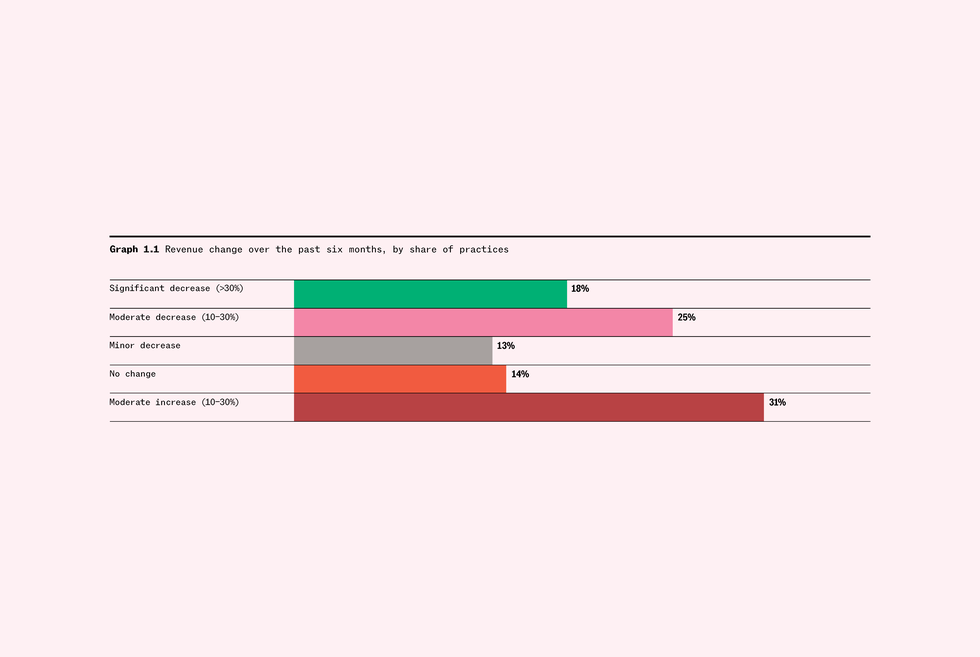
More than half of participating practices (55 percent) reported a revenue decli ne in the six months preceding the survey (Graph 1.1); 18 percent saw a signi ficant decline, 25 percent a moderate one. Yet, 31 percent saw revenue grow and 14 percent held steady. Practices are not experiencing a uniform downturn; the divide is widening.
Graph 1.1: Revenue change over the past six months, by share of practices.
Image: Graphic by Mike Giesser
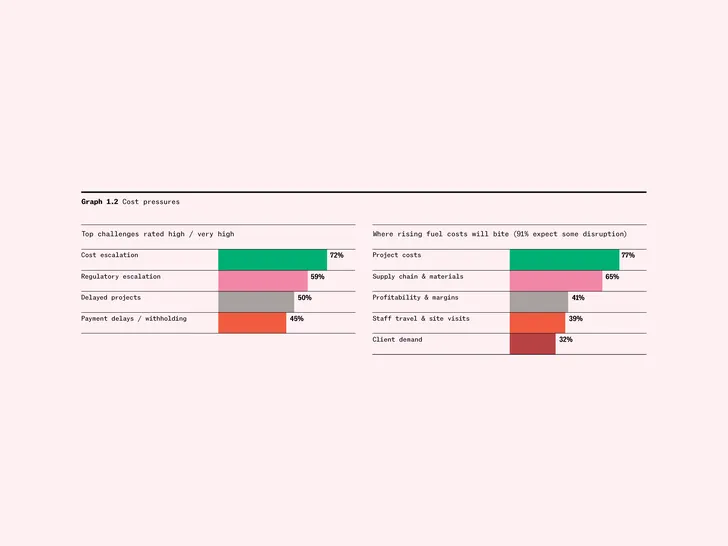
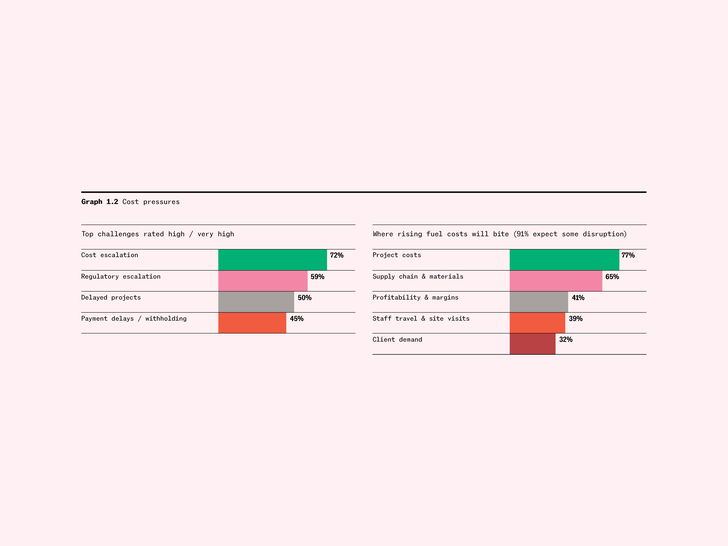
Cost escalation was rated as a high or very high concern for 72 percent of practices, who nominated it as the single most significant challenge in practice (Graph 1.2). Regulatory complexity (59 percent) and delayed projects (50 percent) compound this pressure.
Image: Graphic by Mike Giesser
Sixty five percent of responding practices experienced staff changes in the year preceding the survey. Insufficient work was cited as the driver of 76 percent of redundancies. At the same time, 42 percent of practices reported difficulty finding staff. This shortage is most pronounced at the experienced end of the profession.
Practice wellbeing was rated as good or very good at 65 percent of responding firms. Practice directors record significantly worse wellbeing (29 percent slightly or very worrying, versus 10 percent for employees overall) – carrying the pressures of financial risk, professional liability, business development and delivery.
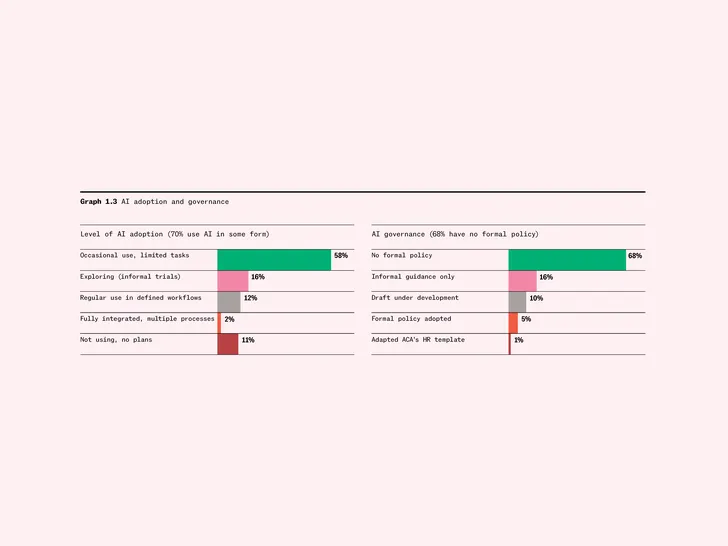
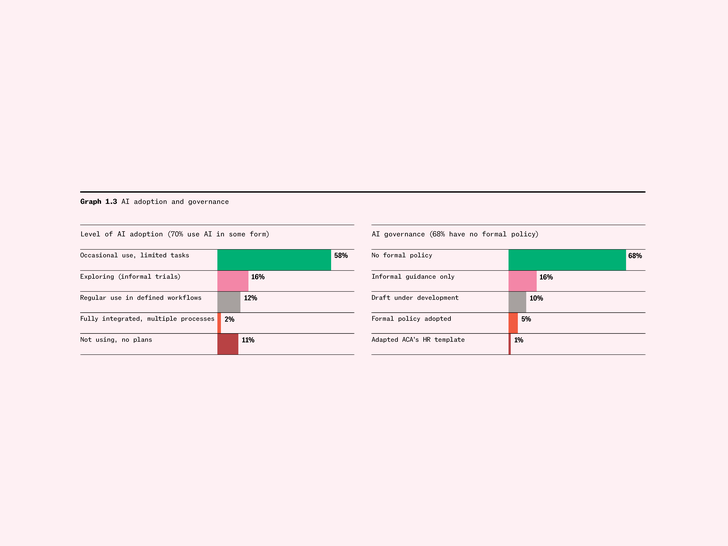
Seventy percent of practices reported using AI (Graph 1.3). LLMs dominate this use (80 percent of AI users), primarily for written communications (76 percent) and marketing and proposals (56 percent). Yet, 68 percent of responding practices have no formal AI policy. Accuracy and reliability (62 percent) and data security (42 percent) remain the most cited barriers.
Graph 1.3: AI adoption and governance.
Image: Graphic by Mike Giesser
Information compiled by Emma Brain, Association of Consulting Architects.
This article is the first in an Architecture Australia (Nov 2026) “industry in review” series that unpacks findings of several industry studies released in 2026. Stay tuned for the next article on the the Commonwealth Association of Architects’ Survey of Architectural Students, Graduates and Career Professionals.
Published online: 4 Nov 2026 Words: Emma Brain Images: Graphic by Mike Giesser
Architecture Australia, November 2026
From high-tech renders to the daily running of a studio, a new collection of titles explores how architects translate their ideas across different media and …
Find out more on the topic of inclusive design through expert insights, podcasts and project reviews.