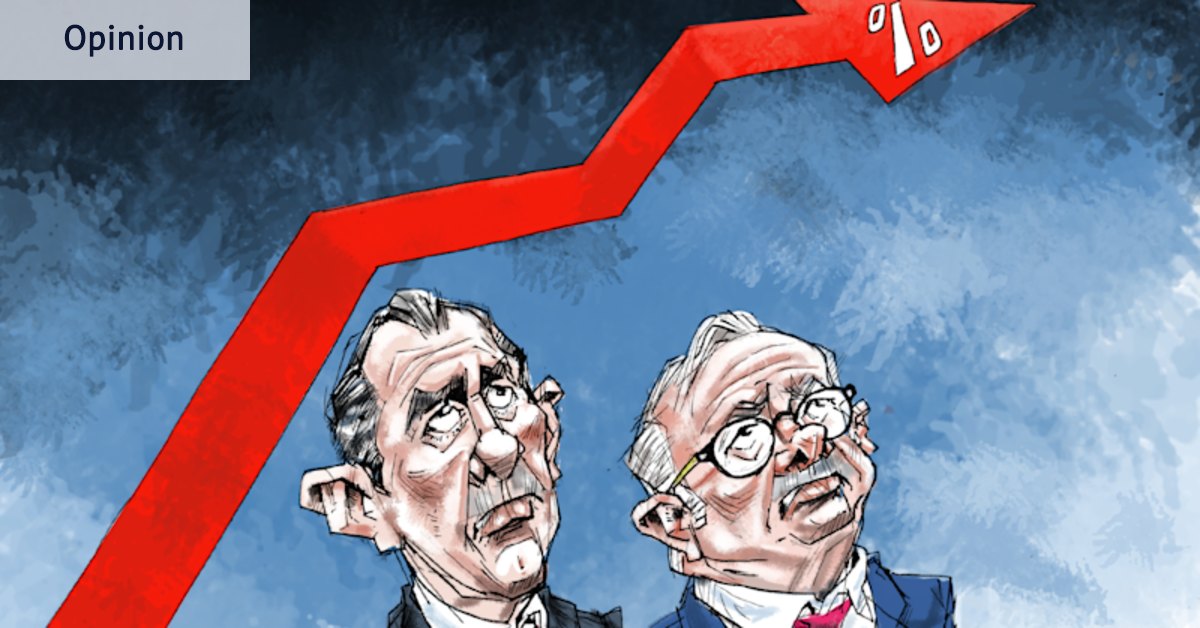
Inevitable tightening from the Reserve Bank has pushed Australia’s cash rate to a high not seen since the Global Financial Crisis.
A new cash rate of 4.85% was confirmed by the bank on Tuesday, with its nine monetary policy board members pushing through a fifth rate hike for the year.
Economists and markets had widely anticipated the tightening following recent appearances by Reserve Bank executives suggesting inflation is set to get worse before it gets better.
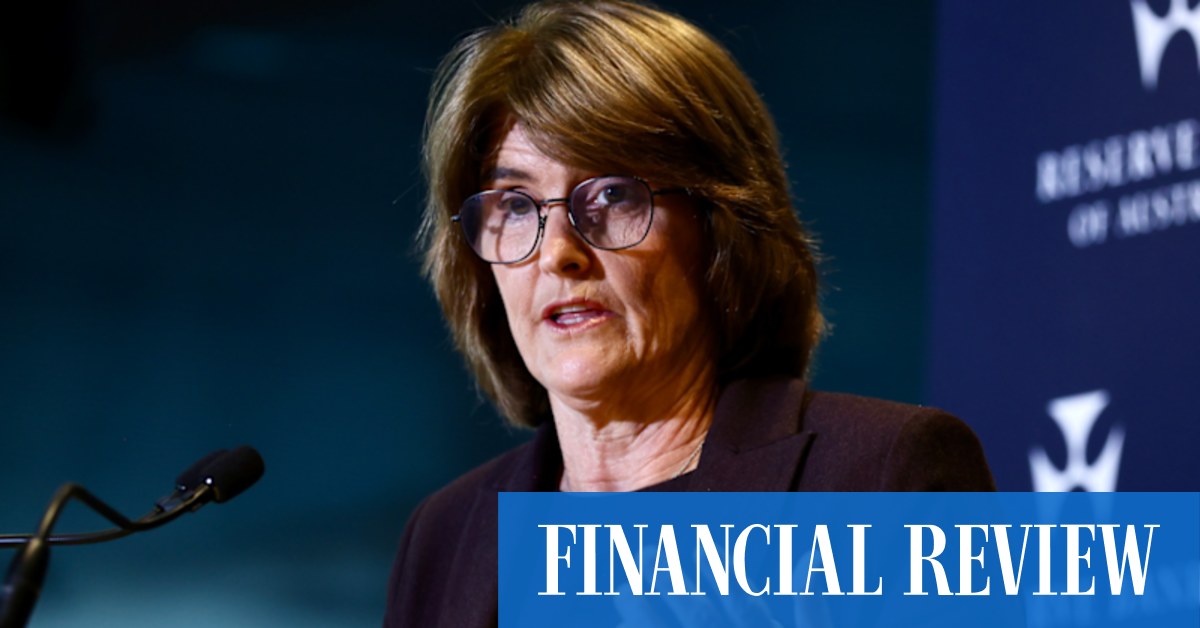
Reserve Bank governor Michele Bullock will address media at 3:30pm following the decision to increase the cash rate to 4.85%. Picture: David GrayAFP via Getty Images
Latest data from the Australian Bureau of Statistics shows headline inflation rose 4.3% in the 12 months to September, the highest level since March.
Housing is continuing to weigh most heavily on headline inflation, rising by 5.2% in September. This includes new dwelling purchases, rents and costs like the price of utilities and home maintenance.
Underlying inflation was 3.6% in the 12 months to September, marking the sixth month without any improvement. The measure of this strips out the most volatile prices each month, such as fuel, to provide a more accurate picture of where inflation is sitting.
In a statement accompanying the decision, the board said the inflation outlook has been revised "materially higher" that previously forecast.
"Inflation is now forecast to remain elevated through much of 2027 and is not expected to reach the top of the 2–3 per cent target range until late 2027, around three quarters later than previously forecast," the statement said.
While the bank had been hoping for some cooling after hiking rates in February, March, May and September, its not clear when the peak of this inflationary period will be reached.
“The economy has slowed, and the labour market has eased a bit in recent months, but RBA is yet to be convinced that inflation will return sustainably to target without further tightening,” realestate.com.au executive manager of economics Angus Moore said.
“For the housing market, another rate rise will lengthen the downturn already underway.”
Yet another rate hike will be unwelcome news for households in the lead up to Christmas, with lenders largely expected to pass on the cost to borrowers as pressures bite.
“My advice to mortgage holders is that you should speak to your mortgage broker to see if your home loan is still competitive,” Mortgage Choice chief executive Anthony Walrdon said.
Those with variable loans are likely to feel the pinch of increased repayments from mid-December, which will be as high as $154 per month in the most expensive parts of the country.
New figures from realestate.com.au show exactly how much more borrowers with a median-priced home in every capital city can expect to pay on their mortgage from next month.
It’s a bitter pill for households to swallow as values also continue to be wiped from properties in every corner of the country.
“Further increases in mortgage rates will reduce borrowing capacities again for prospective buyers, adding to the downward pressure on home prices,” Mr Moore added.
Latest realestate.com.au Home Price Report figures show home values have dropped 4.3% since March, after falling for the seventh month in a row in October.
This means a median-priced home in Sydney – home to around one in five Aussies – is now worth $50,267 less than it was earlier this year.
Rising rates and affordability pressures are causing most of the value concerns in the property market, Mr Moore explains, though the market downturn is less severe than it may seem.
“Labour market conditions remain resilient by historical standards, mortgage arrears rates remain low, few borrowers are in negative equity, and many households retain substantial repayment buffers,” Mr Moore adds.
"The current housing slowdown is one of the channels through which tighter monetary policy is working to reduce household spending and demand.”
Whether rates will rise again next month remains to be seen, with Australia’s big four banks having largely expected just one more hike for 2026 coming into this week.
Despite that, a lack of progress on peace negotiations in the Middle East as well as the effect of spending on Black Friday and the Christmas run up will likely keep the RBA on high alert.
The RBA will be monitoring the effects of increased spending due to Black Friday sales and the Christmas period affect inflation. Picture: Getty
Australia’s economic slowdown will also play a major role in the RBA’s decision making.
The RBA has repeatedly called our poor productivity as a key concern this year amid Australia's battle to control high domestic inflation, but has stayed away from insinuating that the nation faces a recession in the medium-term.
Economic growth is expected to fall to 1% a year by mid-2027, new Commonwealth Bank forecasts show, down from its previous expectation of 1.8%.
Two consecutive quarters of negative growth are how economists broadly define a recession.
The final RBA cash rate decision for the year will be on 8 December.
Help us improve your reading experience
Got a minute? Your feedback will help us build a better experience for you.