Daniel Butkovich, Property Journalist
First published 2 Nov 2026, 12:01am
Home values have kept sliding following the latest interest rate rise from the RBA, with borrowers bracing for another hike as inflation refuses to go away.
Australia’s national median home price declined by 0.3% in October, with prices now 4.3% below the peak reached in March, according to the latest realestate.com.au Home Price Report.
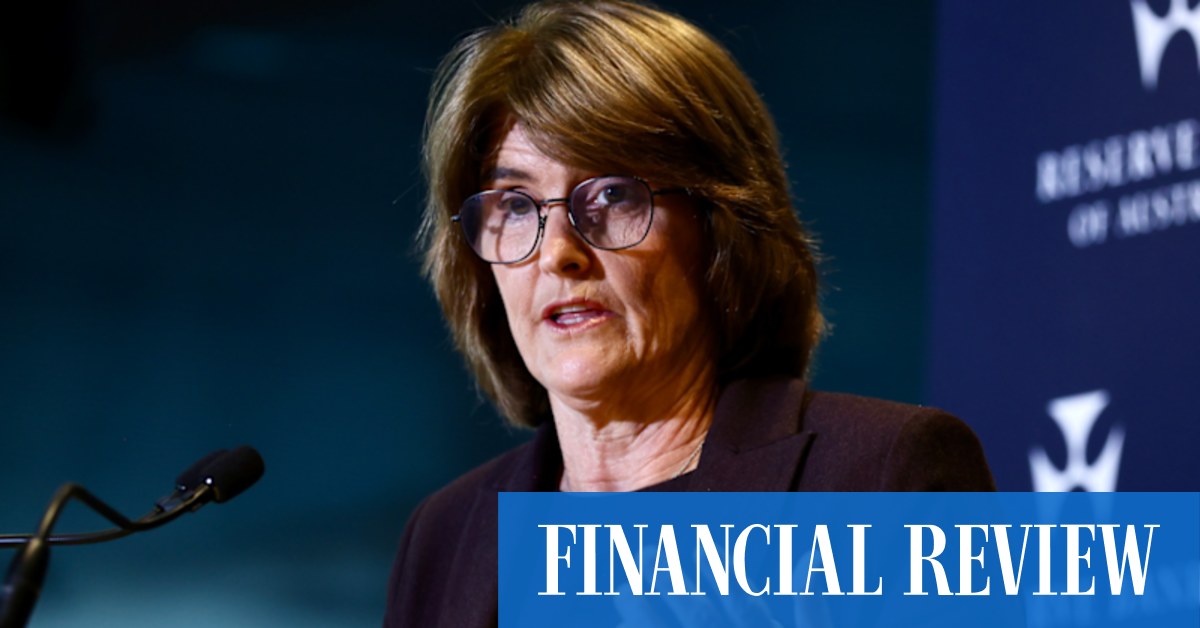
October’s price falls follow the decision by the Reserve Bank in late September to raise interest rates for a fourth time this year, taking the cash rate to the highest level it’s been in 15 years.
Property prices nationally have been falling since the RBA started raising interest rates earlier this year, pushing through three back-to-back rate rises in February, March and May in a bid to halt resurgent inflation, followed by September’s hike.
Home price in Sydney have been falling for almost a year. Picture: Getty
The rate rises have coincided with the introduction of major new tax changes in the federal budget aimed at cooling investor demand by ending negative gearing tax break for established properties and scrapping the 50% capital gains tax discount.
REA Group senior economist Eleanor Creagh said there were more homes on the market in recent months, but prices have continued falling.
“Spring has brought more choice for buyers, but not the usual lift in market momentum," she said.
"Softer auction conditions, longer selling times and subdued sales activity suggest buyers are becoming more cautious.”
Adelaide recorded a 0.6% price fall – the largest of the capitals – while Sydney and Brisbane prices fell by 0.4% and Perth prices fell by 0.3%.
Darwin, which has been the strongest city for price growth recently, recorded a 0.2% fall last month.
Although prices in the NT capital have drifted lower in the past few months, home values are still up 9.3% compared to a year ago.
Melbourne values fell by a marginal 0.1%, while Hobart was spared from price falls, with values holding steady.
Adelaide recorded the largest price fall of the capitals in October, with prices down 0.6% over the month. Picture: realestate.com.au/sold
Borrowers are once again bracing for an interest rate rise tomorrow when the RBA monetary policy board meets to deliver its second-last rate decision of the year, with financial markets pricing in an 80% chance that the cash rate will increase by 25 basis points.
Data released last week from the Australian Bureau of Statistics showed progress to reduce inflation has stalled, with headline inflation rising to its highest level since March, prompting widespread expectations of another hike.
“A further increase would reinforce the downturn already underway, reducing borrowing capacity and increasing mortgage repayments for existing borrowers,” Ms Creagh said.
October marked 12 months since prices began falling in Melbourne, and 11 months for Sydney, with prices having peaked in Australia’s two largest cities in October and November 2025 respectively.
Sydney prices are now 6.7% below the November peak, making it the weakest city in the nation when it comes to property price performance.
The city’s already-high home values have contributed to the decline, with poor affordability exacerbated by four interest rate rises pushed through in just nine months.
Even after almost a year of declining prices, a median-priced house still costs just over $1.5 million, while a median-priced unit is now worth $851,000.
Property prices have fallen by more than 6% in Sydney since this time last year, but the cost of a typical house is still above $1.5 million. Picture: Getty
Melbourne was close behind with a 6.1% fall since October last year. The value of a typical Melbourne house has slipped back below the $1 million mark this year, with the city-wide median house price now sitting at $952,000, and the median unit price falling to $609,000.
A year’s worth of price falls mean Melbourne is now the third-cheapest capital city for buying a house, with only Darwin and Hobart having lower median house prices.
Brisbane and Perth’s downturns have almost reached the same magnitude as Sydney and Melbourne’s, with Brisbane values now 5.8% below the peak reached in March, and Perth down 5.7% since then.
Brisbane's downturn is now almost as large as Sydney's with prices having fallen almost 6% since the peak earlier this year. Picture: realestate.com.au/sold
“Sydney and Melbourne entered the correction earlier, but some of the sharpest recent declines are now occurring in Brisbane, Adelaide and Perth, where years of exceptional growth have substantially eroded affordability,” Ms Creagh said.
“The sharp reversal in previously strong markets highlights how higher borrowing costs and stretched affordability are increasingly constraining purchasing power.”
Desptie recent falls, prices are still up 54% in Brisbane over the past five years, with its multi-year surge in values making it the second-priciest capital city property market in the nation, after Sydney.
Perth prices rose 75% over the same period as interstate investors and locals competed for affordable homes amid a shortage of supply.
But a surge in the number of homes hitting the market amid plummeting investor demand has led to a decline in values, creating more balanced conditions for buyers and sellers and improved opportunities for upgrading homeowners .
While prices fell in most of the capitals, the regions held up a little better in October.
Median home values were unchanged over the month in regional Victoria, South Australia and Western Australia, while the other regional markets recorded falls of less than 0.2%.
Home values in regional South Australia remain at record highs and are 10% higher than a year ago, the data shows.
Prices tend to be more affordable across regional Australia, meaning interest rate hikes having a smaller impact on borrowing power compared to the priciest capitals, where buyers typically have to borrow more to purchase a home.
Ms Creagh said better housing affordability in the regions could draw more buyers, supporting home values.
“As higher interest rates constrain borrowing capacity, buyers are increasingly making trade-offs around location, dwelling type and property size,” she said.
Most of the nation’s strongest property markets in the past year were in regional Australia, with prices up 12% in SA’s Barossa region, almost 11% in Launceston in Tasmania, and 9% in the New England region of NSW.
South Australia's Barossa region is one of the top-performing property markets in the country for price growth. Picture: Getty
Many regional cities remain in demand among investors following the abolishment of negative gearing for established properties, with investors pivoting to areas offering higher rental yields now that rental losses can no longer be deducted from wage income.
Ms Creagh said more regional areas could soon face price falls, but local conditions would play a role.
“The cumulative impact of monetary tightening is likely to place further pressure on regional housing demand over the coming months, although relative affordability and local supply constraints should provide some support,” she said.
Ms Creagh said the outlook for prices would ultimately depend on how inflation and interest rates unfold in the coming months.
“With inflation proving persistent and the likely prospect of further interest rate tightening, weaker housing market conditions are likely to extend into 2027.”
Help us improve your reading experience
Got a minute? Your feedback will help us build a better experience for you.