You have reached your maximum number of saved items.
Remove items from your saved list to add more.
You've used all of your gift articles. 3 more will become available on the 1st of every month.
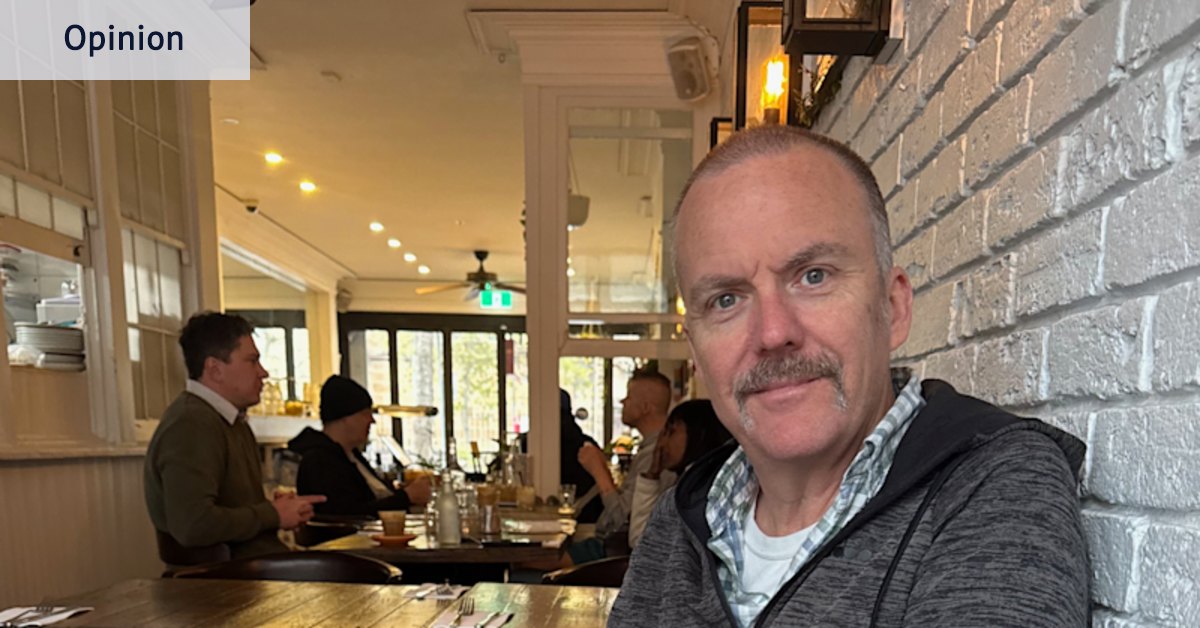
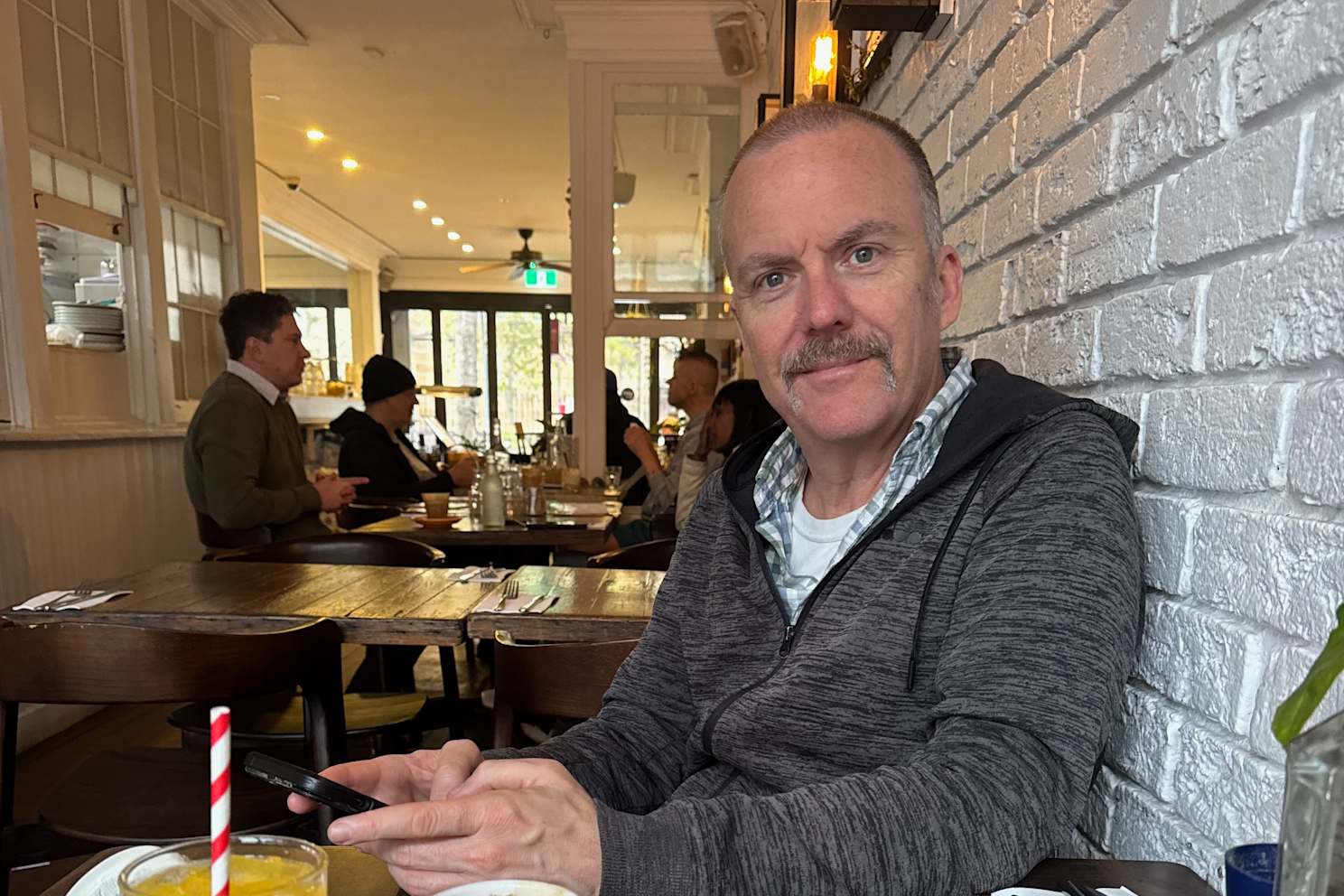
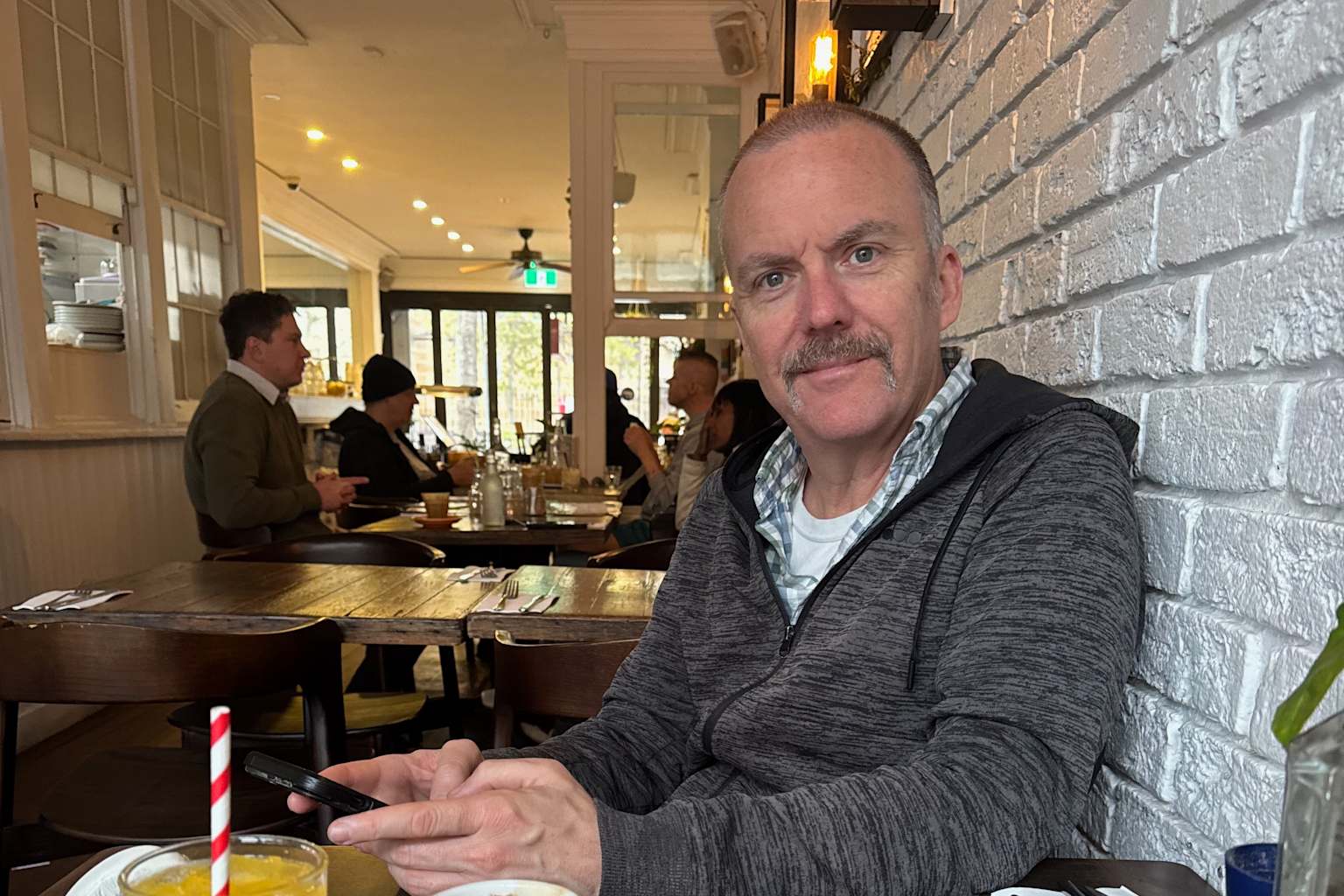
Michael Adams is the Australian writer and presenter behind the popular history podcast, Forgotten Australia. He has just begun a new show called Australian Murder .
Fitz: Michael, thank you for your time. Our crime reporter Perry Duffin penned an interesting article this week , reporting that in this state, “Women who kill their partners are almost always killing their abuser.”
MA: I read it, and it was very interesting.
Fitz: He was relying on data from the NSW Coroner’s Domestic Violence Death Dashboard , which tracks the 2234 homicides in this state between 2000 and 2026, and looked at the 336 intimate partner murders. It showed that 80 per cent of those killed were women, and in 99 per cent of the cases the murderer had been abusing them.
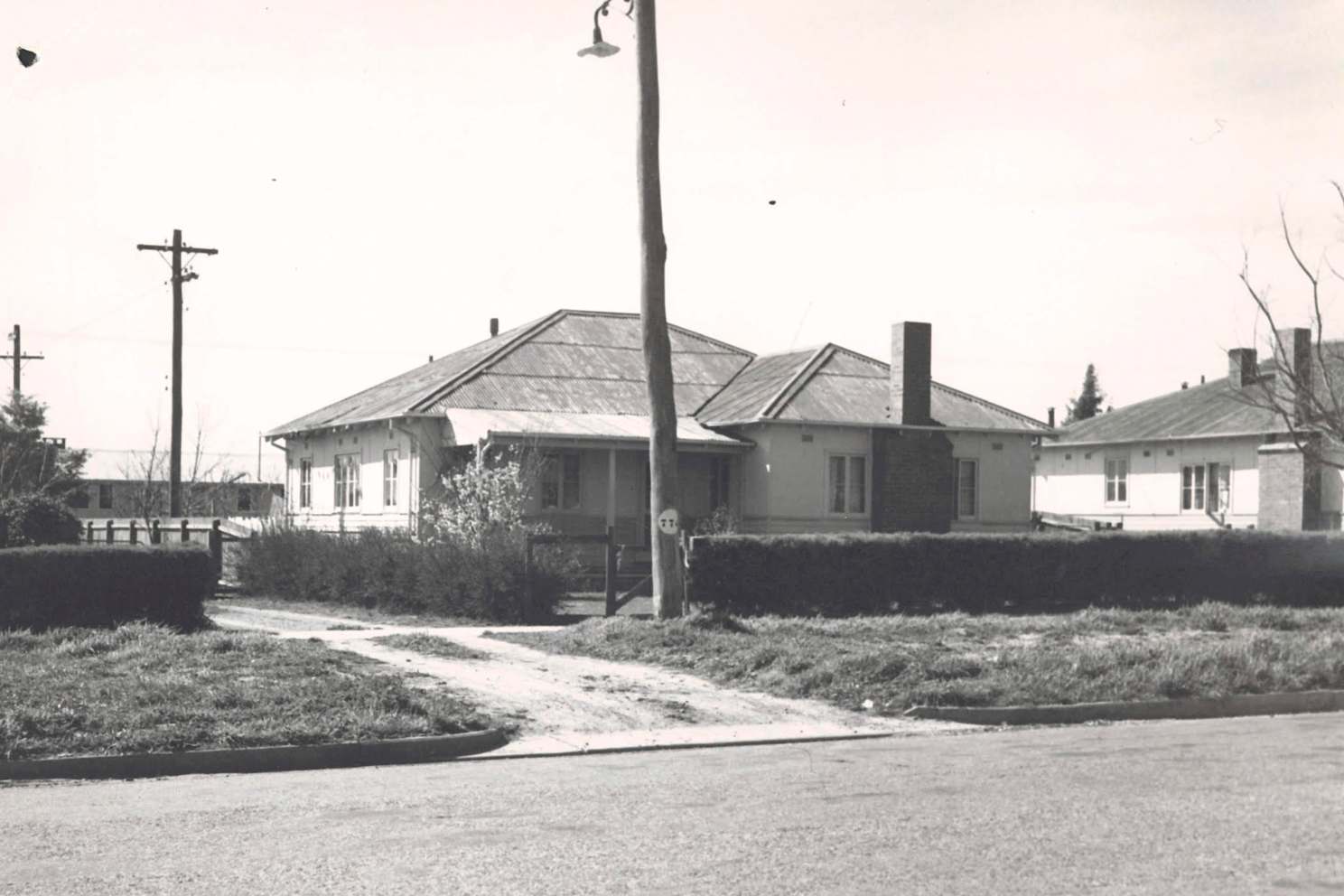
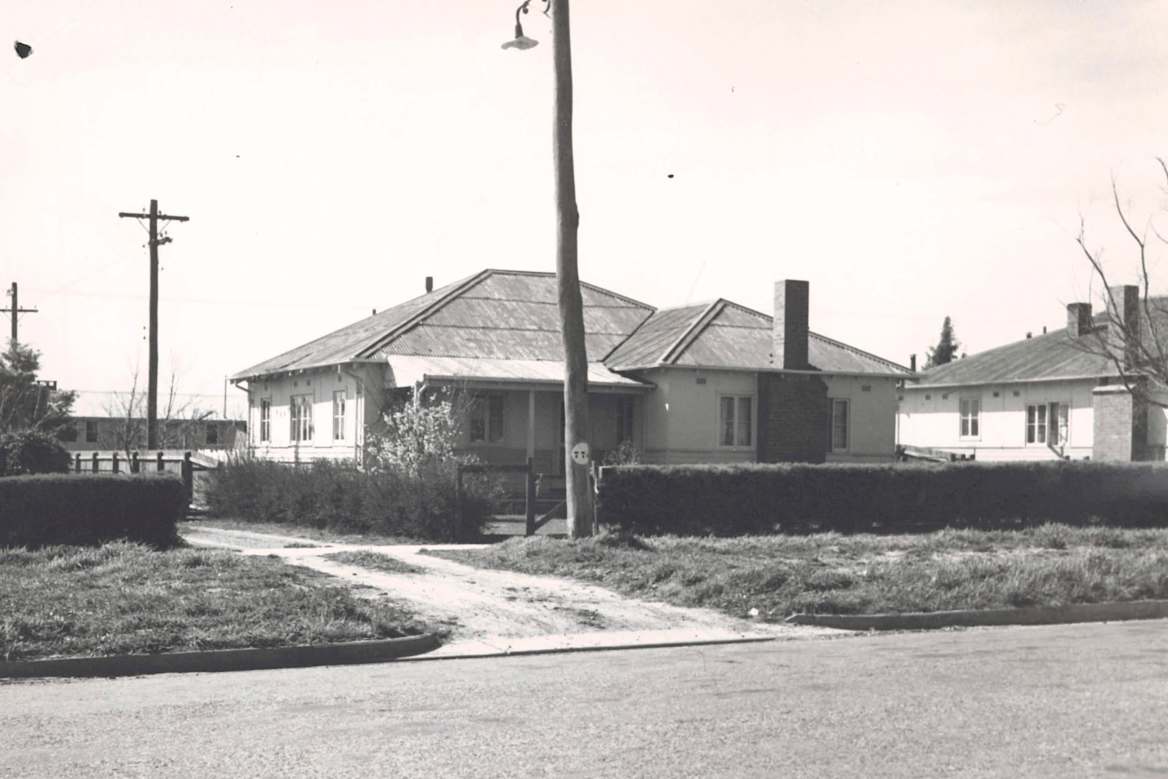
Fitz: But it also showed that in 73 per cent of the cases when women killed their partners, they were killing the primary abuser in the relationship. (So much for Pauline Hanson’s domestic violence is “ a two-way street” . It shows a superhighway going one way, and a tiny laneway coming the other way.) It just so happened that this was published at pretty much the same time you released a new true-crime podcast called Australian Murder , and the first episode, The Beast Must Die, is about a staggering axe murder in little ol’ Canberra in 1955. Before we get to that though, my first question: You’ve been studying and researching Australian murders committed since the earliest colonial times. Is the phenomenon Perry Duffin highlighted consistent with the way it has always been in this country?
MA: Absolutely. This is not a recent phenomenon, and there are a couple of significant aspects to it, historically. What has fascinated me is how the law itself, which was so brutal to women in allowing domestic violence to occur unfettered, could then flip, and acquit the abused woman if it was established that the abuse really was terrible, as occurred in the 1955 case. I mean, for most of Australian history, women most often couldn’t get a divorce on the basis of their husband’s “cruelty” or “ill-treatment” – because men had the legal right to use violence against their wives to keep them under control.
Fitz: Hang on, Australian men could physically hurt their wives within the law?
MA: Astounding and appalling, isn’t it? In the words of Dr Colin James’ essay A History of Cruelty in Australian Divorce , “The law deemed violence by the husband … to be necessary to control disruption in the family and to restrain a wife who threatened the marriage by irrational behaviour or by attempting to leave the home.” So, only in cases where the man “went too far” might the wife successfully complain to the police or to the divorce courts. And it was pretty much like that until 1975 when no-fault divorce came in. Before that, women were often trapped in marriages, brutalised, and there was very little that they could do about it.
Fitz: [ Astonished. ] So the law aligned with that appalling ancient ditty, sometimes mistakenly attributed to Chaucer, “A wife, a dog, and a chestnut tree – the more you beat them, the better they be”?
MA: That is exactly what the law believed. Until an abused woman actually killed or tried to kill her husband, and then when they went to court, all of a sudden the all-male juries – because the juries really were all male until the 1970s in NSW! – tended to believe the cause of self-defence or provocation, and they’d often acquit. It was quite an extraordinary situation where the law ultimately would recognise that women had suffered, but it would take a murder for that to be recognised. So yeah, a really strange contradiction.
MA: In 1859 in Victoria – Mary Cushion stabbed her husband dead but was convicted only of manslaughter. The Argus initially reported: “On Tuesday night a man, named Edward Cushion, was fatally stabbed by his wife in a tent within a mile of Taradale … The deed was committed whilst the deceased was perpetrating one of a series of outrages [upon her].” After hearing the evidence, the judge acquitted her. A similar case was in 1910 in Armidale when Caroline Buckman – married for 21 years – told the court her abuse had begun three months after she was wed. It was a story of “shocking ill-treatment”. She shot her husband when he was in a rage and threatening her and the children. The jury deliberated for 10 minutes, and found it was justifiable homicide.
MA: In Sydney in 1917, Annie Clifton drew a razor across her husband’s throat as he was hitting her over the head with a bottle. This jury found manslaughter – with a strong recommendation to mercy. The judge said the dead man met his death after a long series of cruel acts. He released her on bond.
Fitz: And what about the Queensland one you were telling me about?
MA: In 1935 in Brisbane, the jury took just seven minutes to acquit Ruby Lissaman of shooting her husband, agreeing it was in self-defence. When they announced the verdict, the court erupted in clapping and the judge told the sobbing accused: “I sincerely hope your future life will be happier than your past life has been. I hope that both you and your children will have some kindness shown to you.” In his summing up to the jury, the judge said: “I think you will come to the conclusion that the deceased was cruel to his children and abominably cruel to his wife. He was worse than cruel. He was not an ordinary creature at all.” There were many other cases where judges said husbands had been “creatures” who forced “perversions” on their wives.
Fitz: So in all these cases, you are using the name of the woman, but in your opening podcast of this series, about the 1955 murder, why have you only used “K” to identify the surname in your account?
MA: Yes, because after what happened, she decided to completely disappear, and it is possible she’s still alive at 101 years old, together with her descendants. I wanted to tell her story, without necessarily visiting upon her and her descendants the terrible troubles they have done well to move on from. And I would rather that people who may be related to people in the case do not find out about it inadvertently.
MA: Her husband was a very good footballer in both rugby league and rugby union, and even something of a war hero. He’d been at both the siege of Tobruk and the Battle of El Alamein. He then came home and underwent a really acrimonious divorce with his first wife before becoming the secretary of the ACT branch of the RSL. He was very outspoken on all sorts of issues relating to the federal administration and Canberra’s administration and was frequently on radio, speaking his mind. On paper, he was a hail-fellow-well-met type. But her defence counsel said he was “an angel in the street, and a devil in the home”. He displayed the “morals of the fowl yard”. Letters in his possession showed he’d approached marriage like choosing an animal from the stockyard. He wanted a woman to look after his children – and satisfy his desires, when he wasn’t out drinking and gambling their money away.
MA: The court heard he was a monster. His wife, our “Mrs K”, had found out that he had been raping his own daughter, her stepdaughter, since the age of 11, and he was also extremely violent. But like so many of them, she was trapped.
Fitz: What kind of a woman was she?
MA: Incredibly resilient. All available evidence heard in the court was that she had done everything she could to make this relationship work. She’d given him many more chances than he deserved. She’d tried to leave. Tried to get help. She couldn’t. She’d only found out about the sexual abuse of her stepdaughter relatively late in the piece, and that he’d threatened to kill her if she told anyone. They lived in terror.
Fitz: And what happened on the night in question?
MA: He’d been out drinking all day, as usual. He’d come home briefly, verbally abused his wife and his by-now 17-year-old daughter. Gone back out drinking. Come home, and then by her account in court “forced me to submit to an unnatural act, which caused me pain and humiliation – something I still can’t bear to think about. He was intimate with me at the back.”
Immediately afterwards, she took the axe she had put beside the bed – expecting to have to defend her stepdaughter from his predations – and just hit him and kept hitting him until he was dead. When the police arrived, she not only admitted that she had killed him, but also that she wanted to kill him. She said she’d “pay for what I have done”.
Fitz: Under normal circumstances, that would surely be what we call in the trade an “open-and-shut … the-cell-door-forever” case?
MA: The investigating detective sergeant, Harold Luton, who was a former fighter ace in the RAAF during the war, had questions about her account. She hadn’t told of the sodomy-rape initially because there were no female police interviewing her and she’d been ashamed. Luton had his doubts, but he played a straight bat. The jury weighed up, and they believed her.
Fitz: Under the circumstances, with an otherwise axe murderer allowed to walk free, that evidence must have been compelling.
MA: It was. The evidence of abuse was shocking, believable and consistent – and it included his own daughter testifying what the dead man had done to her, while his own sister testified in support of the accused. The jury barely left the chamber before acquitting her. The courtroom erupted in cheers. One Sydney paper ran her quote “I thanked God for the axe” as their front-page headline. The jury found she had acted in self-defence. Whether it was also preemptive self-defence – as in, she wanted this guy dead to prevent her own children from suffering the same fate as the stepdaughter – is not clear. But it wasn’t just the jury that believed her testimony. For so did the judge, who told the jury before they retired that he believed that the dead man was a “worthless creature”. So it was overwhelmingly convincing for a 1955 all-male jury that this had happened. And it was only Canberra’s second murder.
Fitz: I accept of course that these cases have happened the way you describe. And I equally accept that, historically, most Australian women who have killed men are indeed victims lashing out at their abusers. But is there a danger that by highlighting such cases we are legitimising violence to end abuse?
MA: I would hope not. Back then, it was a last resort. A kill-or-be-killed situation. What separates these cases from modern cases is that, these days at least, women have legal options. They can divorce husbands. They can leave. There’s less silence – more shame for abusers. I know that it’s not always possible for some women now but, back in the day, most women were simply trapped. And all the judges and juries did was to recognise that in the most severe cases, killing their abusers was … at least understandable. We also do well to remember, many, many more husbands killed wives – and the vast majority of women who suffered violence back then did so in silence and without any rights.
Fitz: But how odd that the law which had so long ignored their tragic plight should then so totally reverse its position, only when things had moved to murder!
MA: It’s really dark. Hard to get your head around. You want to shake these people and say, “What the hell?”
Fitz: Do we know if “Mrs K” lived happily ever after? And if not happily ever after, at least happi er than before?
MA: She walked free from the court, said she was going to move, and that is where the record ends for her and her 17-year-old stepdaughter and her own two children by the now-dead husband, who were very young. I believe that they all changed their name, as you would. So I’m glad of that as well because it added a further layer to protect their privacy. She really could be still alive, and her children would be in their 70s and 80s. I hope they were able to put it behind them. That’s what they wanted. The wife said his death was the end of her nightmare.
Fitz: An extraordinary case and, clearly, tragically emblematic of what many Australian women suffered – and in some cases still are suffering – for way too long. Thank you for your time.
You have reached your maximum number of saved items.
Remove items from your saved list to add more.
You've used all of your gift articles. 3 more will become available on the 1st of every month.