This essay was originally published as part of our weekly newsletter, Letter from Kathmandu. Sign up to receive this free newsletter in your inbox every Friday from The Kathmandu Post.
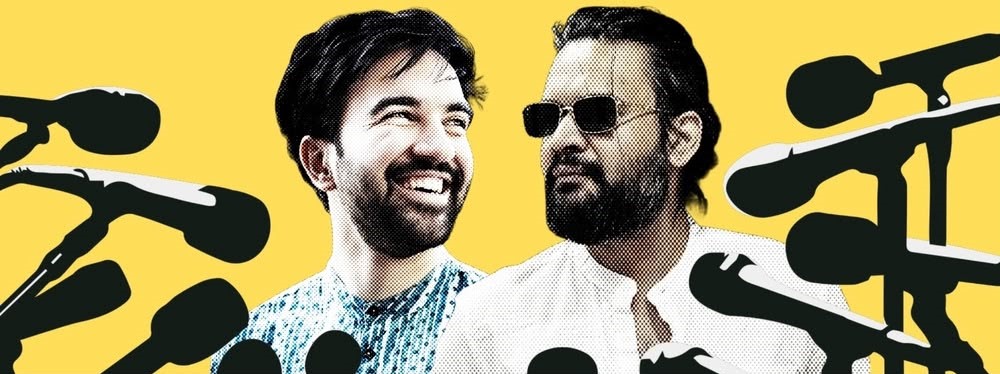
If you are constantly online, as I am, the comparison isn’t news to you. Having recently moved from New York to Nepal, I’ve had people from both directions send me threads putting Balendra Shah, the former mayor, and Zohran Mamdani, the current mayor, side by side. Those in Nepal tend to make a more general comparison, mostly about popularity. From New York, friends want to know whether Nepal has elected its own version of the man who runs their city.
It is an easy comparison to make. Both men are in their thirties, both are obsessed with rap music, and both were elected by people who had run out of patience with the parties that had governed for years. There’s more, of course. Both Shah and Mamdani are fluent on social media in a way their opponents were not. For a Nepali in New York whose parents live in Kathmandu, the symmetry can feel too neat: an outsider running the city you live in, and another outsider elected to run the country you left behind.
Lately, I’ve been thinking about how the comparison no longer works. In March, Shah became prime minister with a thumping majority. Mamdani, who remains mayor, is popular among New Yorkers , but doesn’t enjoy the same kind of widespread support as Shah. But the biggest difference between the two boils down to one thing: while Mamdani makes himself constantly available, Shah has not answered a question in over six months.
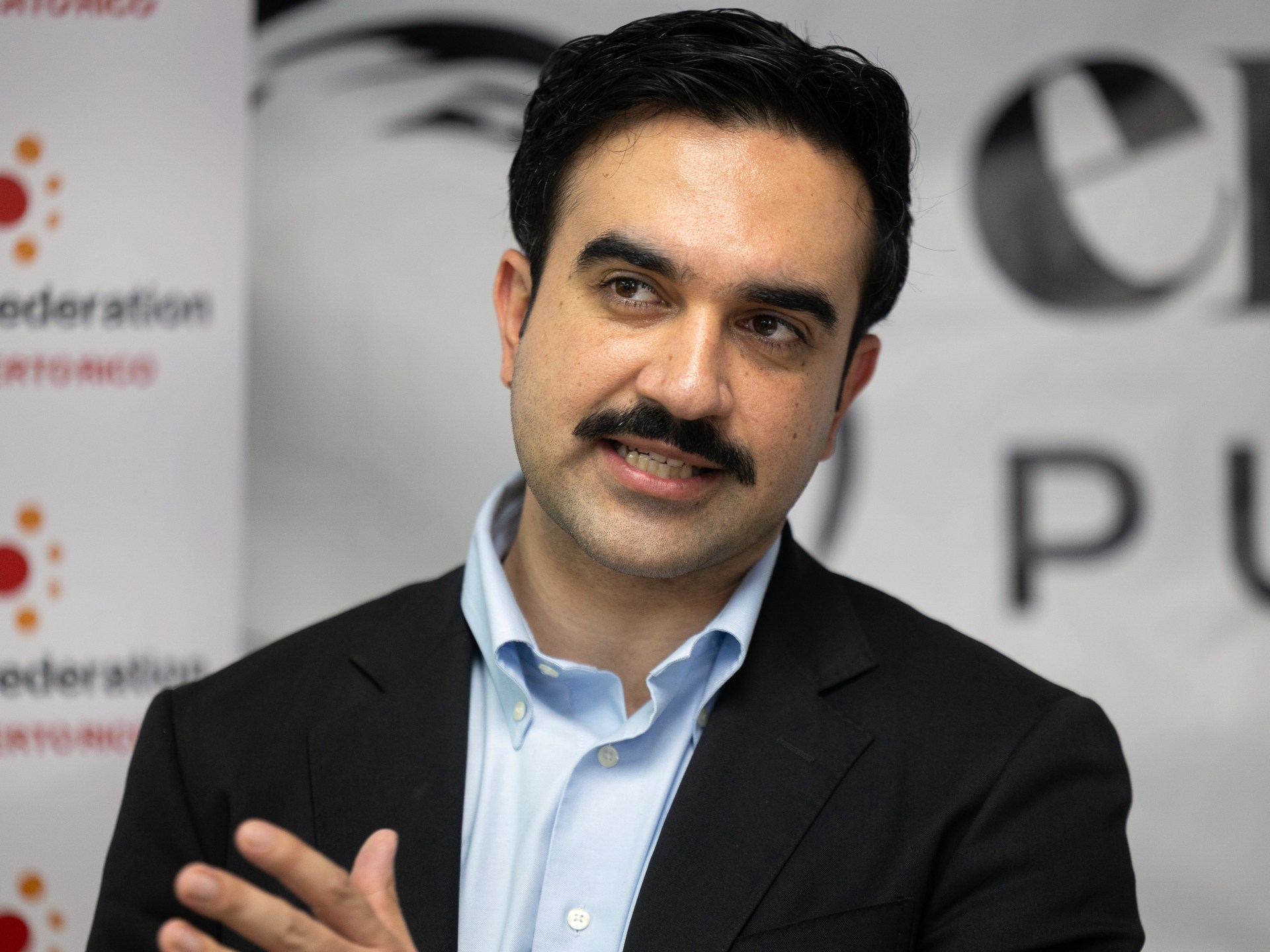
Take a recent example. Mamdani was in a Brooklyn warehouse to announce faster payments for the city’s nonprofits, and spent most of the press conference answering questions on a range of subjects. The night before, pro-Palestinian demonstrators had crowded a Union Square vigil for Israelis killed on October 7 and called him a traitor. That same morning, Jewish leaders were attacking the statement he had put out for the anniversary. Reporters asked him about both. Of the protesters, he said, “This is what I signed up for.” Of the statement, he said there “must be room to mourn every single life.” He was pressed twice on whether he’d change a word of it; he declined.
By Mamdani’s standards, that was an unremarkable day; he does this most days. There’s a reason for his relentless accessibility. Almost nothing Mamdani has promised New Yorkers can be delivered by him alone; it requires persuading somebody else, whether in the city or in the governor’s office. So while his availability does feel like a virtue of his personality, it is perhaps also a condition of doing his job well.
Still, it matters that he has leaned into it. His press conferences happen in warehouses and film studios rather than at City Hall. In his first days, he created an Office of Mass Engagement, a bureau whose purpose is pulling the public further into government. He also runs invitation-only sessions for new-media figures, which the City Hall press corps has complained about—a useful reminder that being available and being accountable are not the same thing.
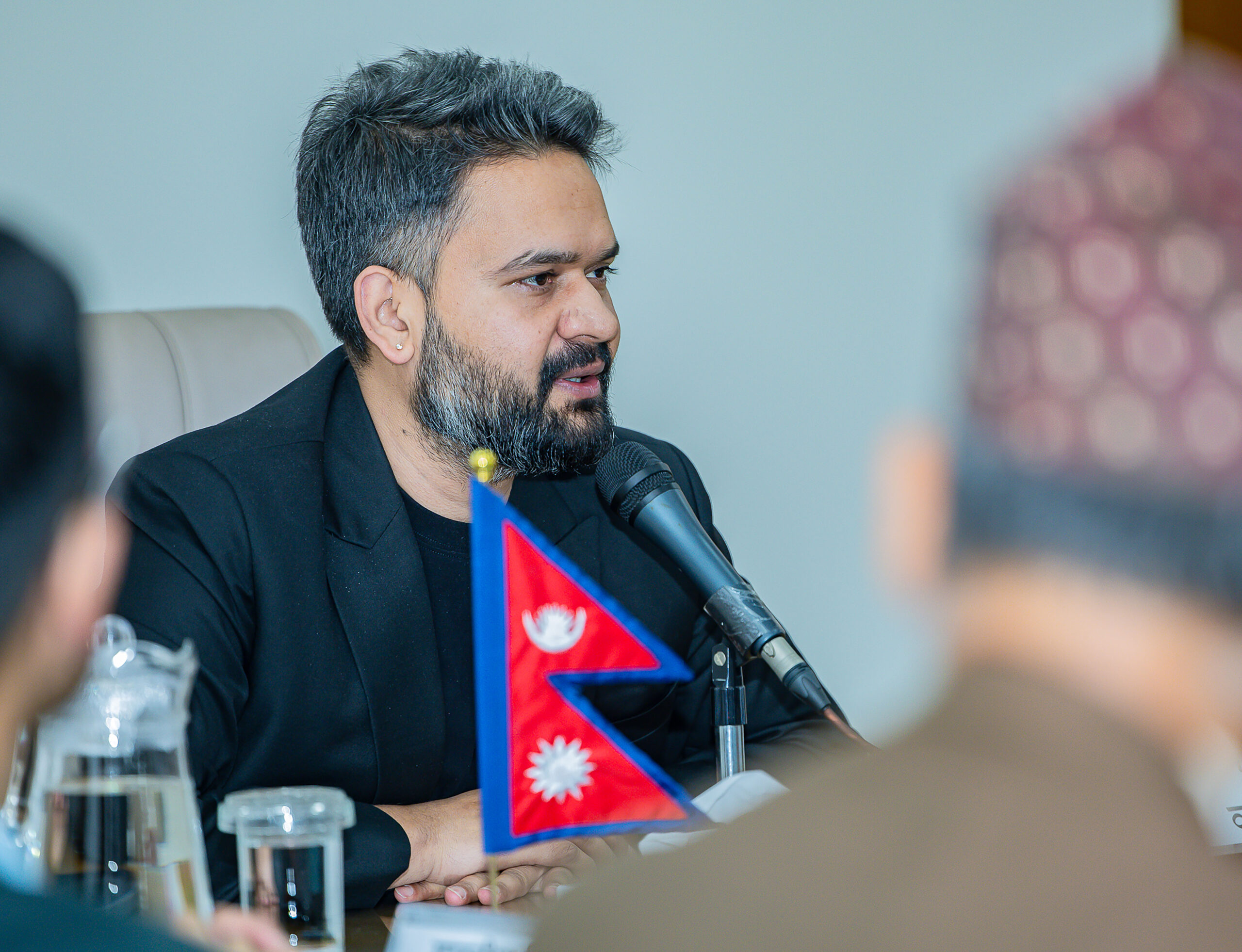
And that brings me to Shah, whose approach is the opposite. In six months, he’s attended six meetings of the House of Representatives and only one sitting of the National Assembly. He’s spoken from the House rostrum twice in the entire session. He has given no interviews and held no press conferences. He is not exactly silent, as his supporters like to point out. When he is not trolling his opponents, he explains himself at length on Facebook.
But a post on social media is only a speech with the accountability taken out, and that is where the comparison between Mamdani and Shah starts falling apart. Mamdani’s answers, however hostile the questions, are forced out of him by people who can disagree with him. Shah’s are composed in a room by himself or with the handful of advisors he spends his time with.
The United Nations was the exception, as I wrote after his speech at the General Assembly on September 24. In the most sustained argument of his premiership, he proposed a Himalayan climate mechanism with India and China and delivered a line that was heard around the world. “Intercontinental missiles arrive on time. Rifles and ammunition cross borders, clear every bottleneck, meet each deadline,” he said. “But a peasant in Nepal cannot procure his fertiliser or fuel at market price at a time of need.”
It was a very good speech, written in advance and delivered to a room that was not only eager to hear him but also guaranteed not to interrupt. Nobody at the United Nations was going to ask him about the squatter evictions in the Valley, about what he meant when he said Nepal had encroached on Indian territory, or why survivors of August’s floods have been left to find shelter on their own.
In Kathmandu, plenty of people are trying to figure out what Shah’s silence means. Every week, his own party members, opposition leaders, and journalists all ask the same question: Why won’t Balendra Shah talk?
I don’t have an answer either. It could be contempt for institutions he often criticized on Facebook and ran against. It may be an engineer’s impatience with dialogue. It could also be a calculation by his social media wizards that an unmediated Facebook post beats a hostile hour in the chamber or in front of the press corps.
What we do know is this: both men ran against the establishment and made that the pitch that carried them into power. But only one of them has figured out what a microphone is for when somebody else is asking the questions.
Anup Kaphle is the Group Editorial Director of Kantipur Media Group. He previously served as the editor-in-chief of Rest of World in New York, where he led award-winning coverage of technology's impact in the emerging markets. He has spent nearly two decades in U.S. newsrooms covering international affairs and national security, including roles at The Washington Post, BuzzFeed News and The Atlantic.