
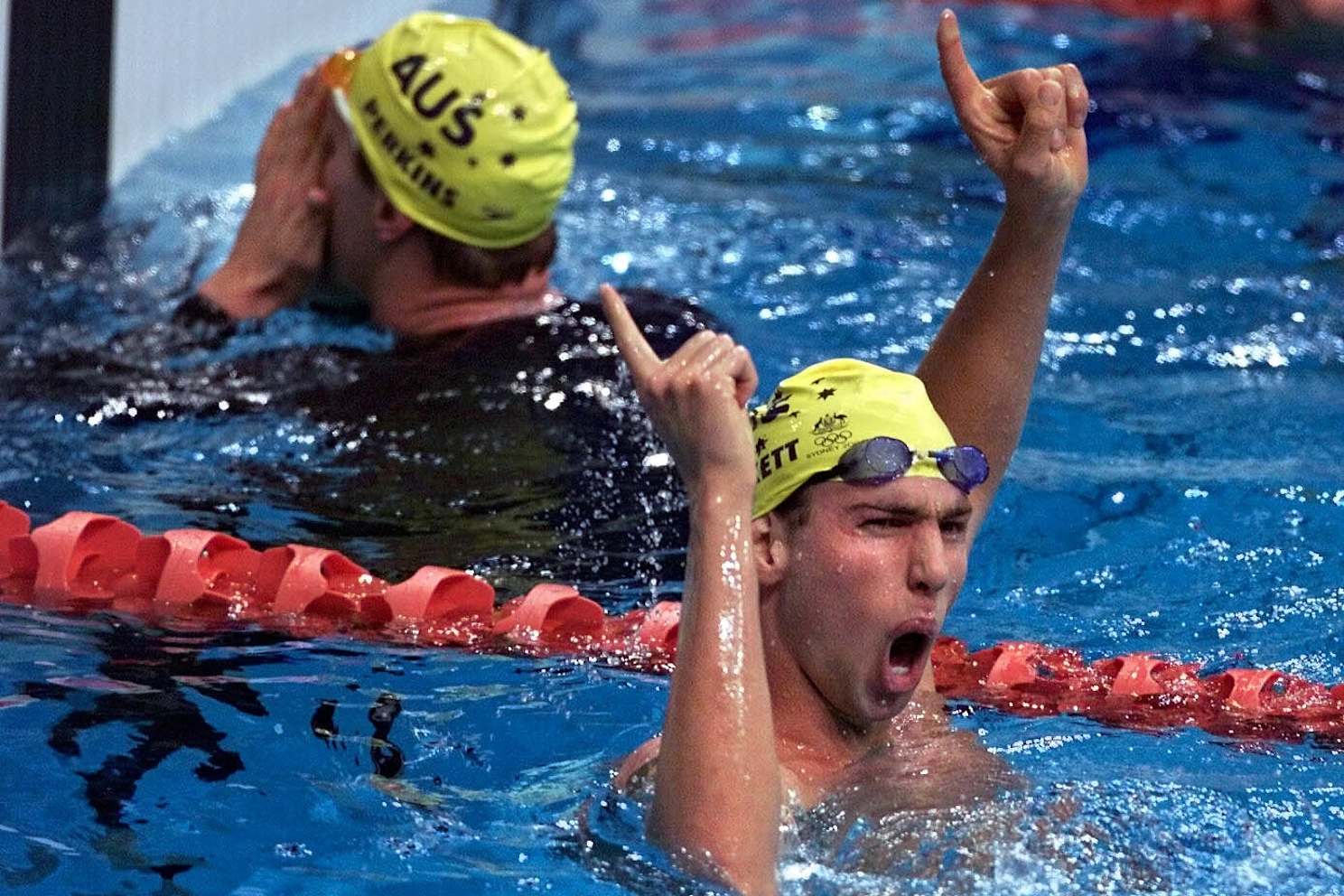

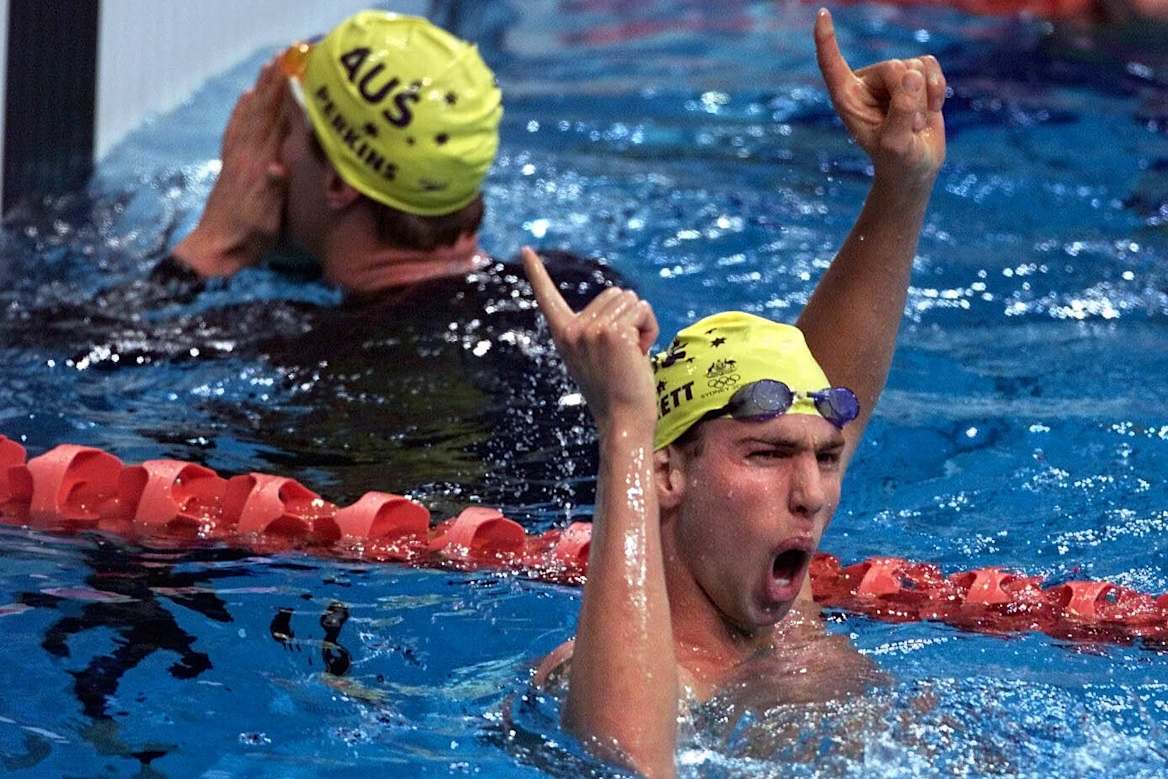
Debt has become the $200 billion issue uniting swimming great Grant Hackett, AFL star Toby Greene, property mogul Tim Gurner and more than 100 other leading Victorians who warn unchecked government spending will kneecap future generations and compromise essential services.
The coalition of high-profile Victorians, which also includes Cotton On co-founder Tania Austin, Carman’s founder Carolyn Cresswell and chef Shane Delia, will release a joint letter on Thursday urging all parties contesting next month’s state election to lay out clear plans to reduce Victoria’s debt.
The plea heaps further pressure on the major parties to rein in their election pledges and prioritise protecting the budget’s bottom line, as this masthead’s Resolve Political Monitor shows financial management is the top priority for voters.
“Victorians are living with net debt that’s approaching $200 billion [by 2029-30] – the highest of any state,” the joint letter says. “Interest alone costs us $8.9 billion a year – about $24 million a day.
“That’s money that can’t be spent on hospitals, schools, housing, better roads or services.”
The letter was organised by AMPLIFY, an independent advocacy group chaired by Seek founder Paul Bassat , which has called for better economic management ahead of the election.
The signatories, who also include Afterpay co-founder Anthony Eisen, Frank Green founder Benjamin Young and Village Roadshow chief executive Clark Kirby, said growing government debt and repayments had created a “downward spiral” that harmed business and burdened future generations.
“That’s why we, as Victorians, are urging all political leaders to step up and commit to driving down the debt. Not just promises, but real action,” they said.
“We have a simple question: what is your plan to pay down Victoria’s massive debt?
“Victoria doesn’t need a miracle, we need a credible plan.”
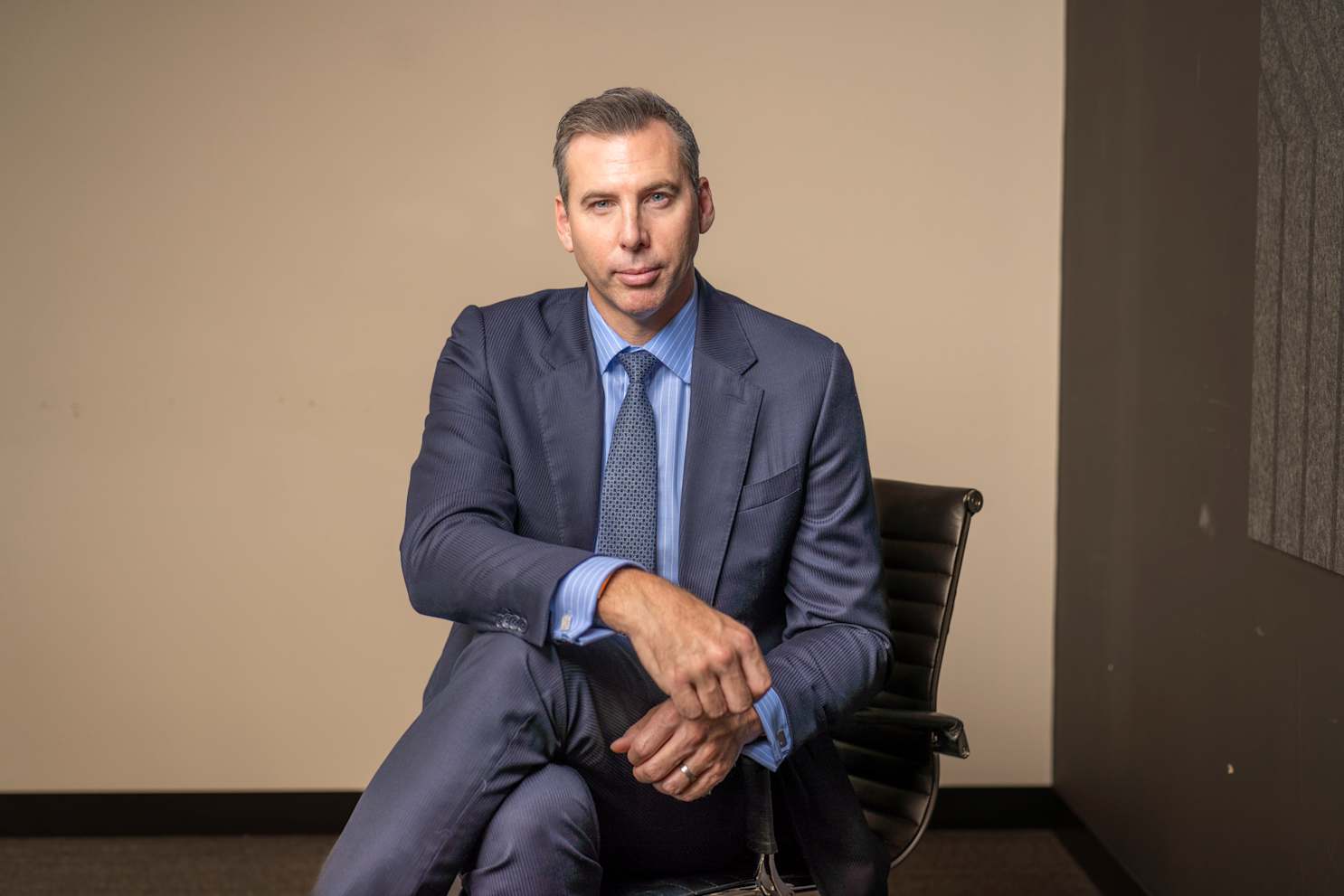
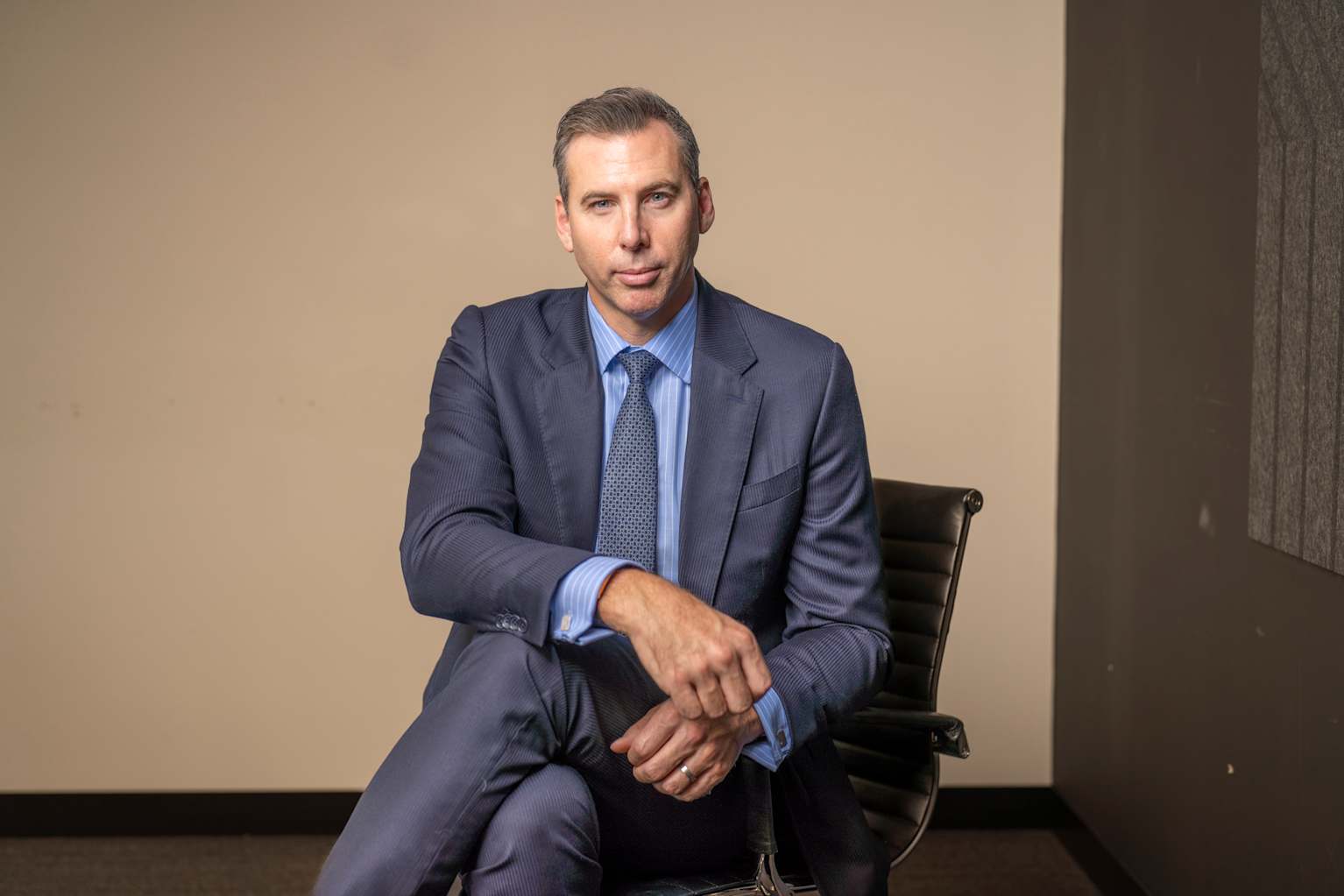
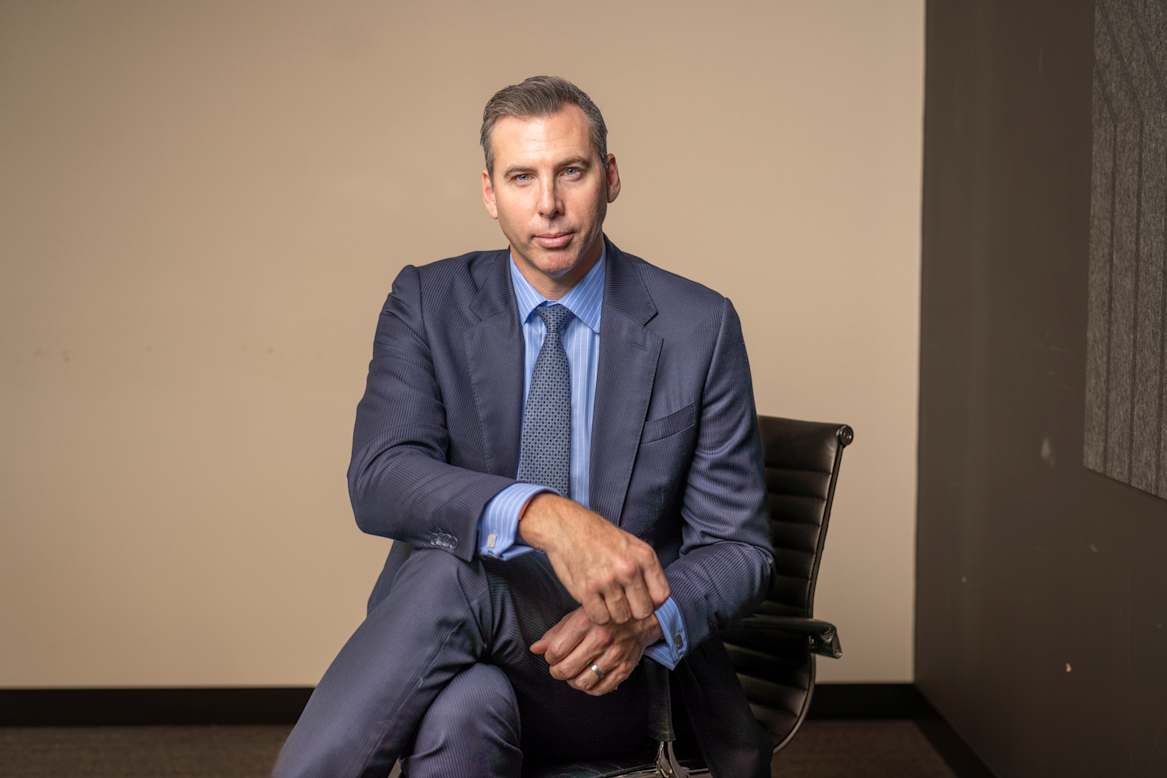
Hackett, the two-time Olympic gold medallist and group chief executive of financial services company Generation Development Group, told this masthead that unsustainable debt risked blocking young Victorians from accessing the same opportunities as his generation.
“They’re just not going to have the country that we were lucky enough to grow up in,” said Hackett, who has lived in Victoria for most of his adult life.
“If we don’t get this under control, we’re not going to be able to have the ability to be able to spend and invest into what you actually need to have a society similar to the one that we grew up in.”
Hackett always had an interest in finance and business, studying commerce and law while swimming competitively, and immediately went to work at Westpac following the 2008 Beijing Olympics.
Hackett said the issue was not isolated to a particular party, and it was important for all sides of politics to act.
“It’s driven inflation up,” he said. “It drives our debt up. It drives the interest payments that taxpayers have to fund. So you can see this spiral that that has been happening over the past few years, and you know the economic management and the financial profile of the state is shocking, and you know it’s time that something’s done about it.”
The problems in the state’s economy were thrust into the spotlight again on Wednesday by a Business Council of Australia report that rated the state the worst place to do business in Australia for the third consecutive year. The low ranking was driven by payroll and property taxes, planning regulations and licensing requirements.
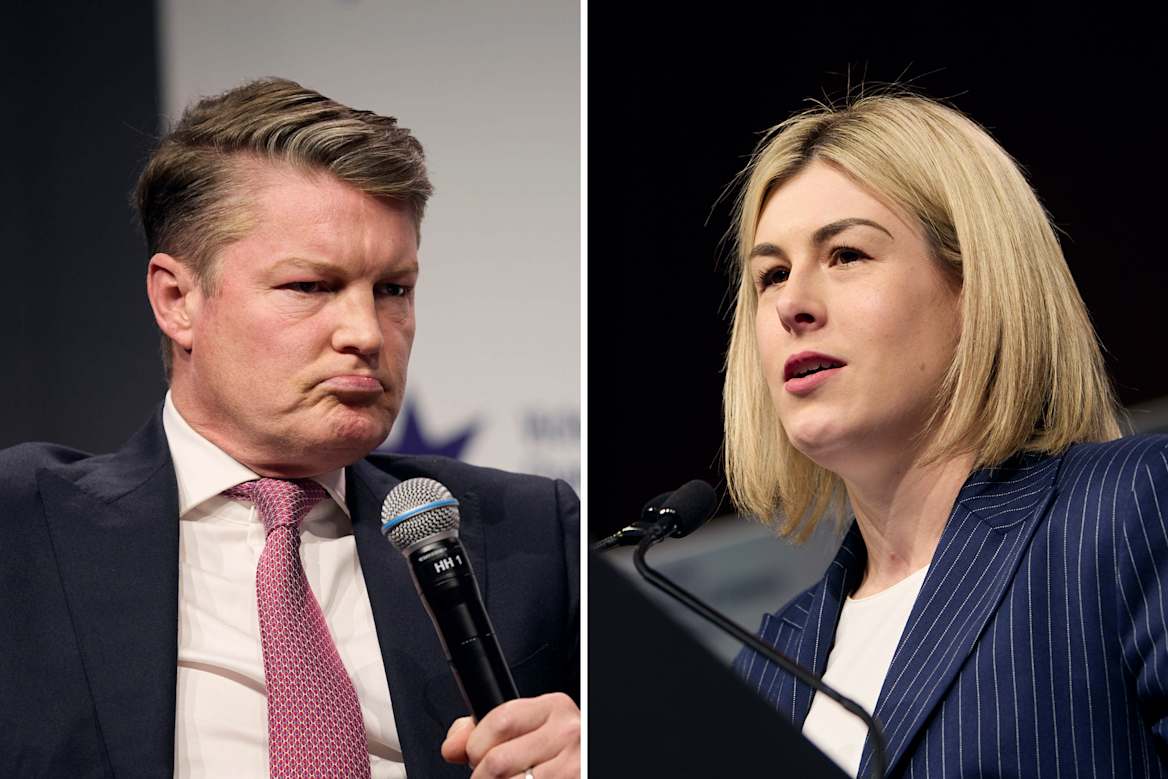
Premier Ben Carroll defended the state’s economic position and said he was a “pro-business, pro-growth premier”.
“Labor is the only party that will grow our economy, pay down debt sustainably, and stop a Liberal-One Nation Coalition, which will cause us to go down a road we do not need in this state,” he said.
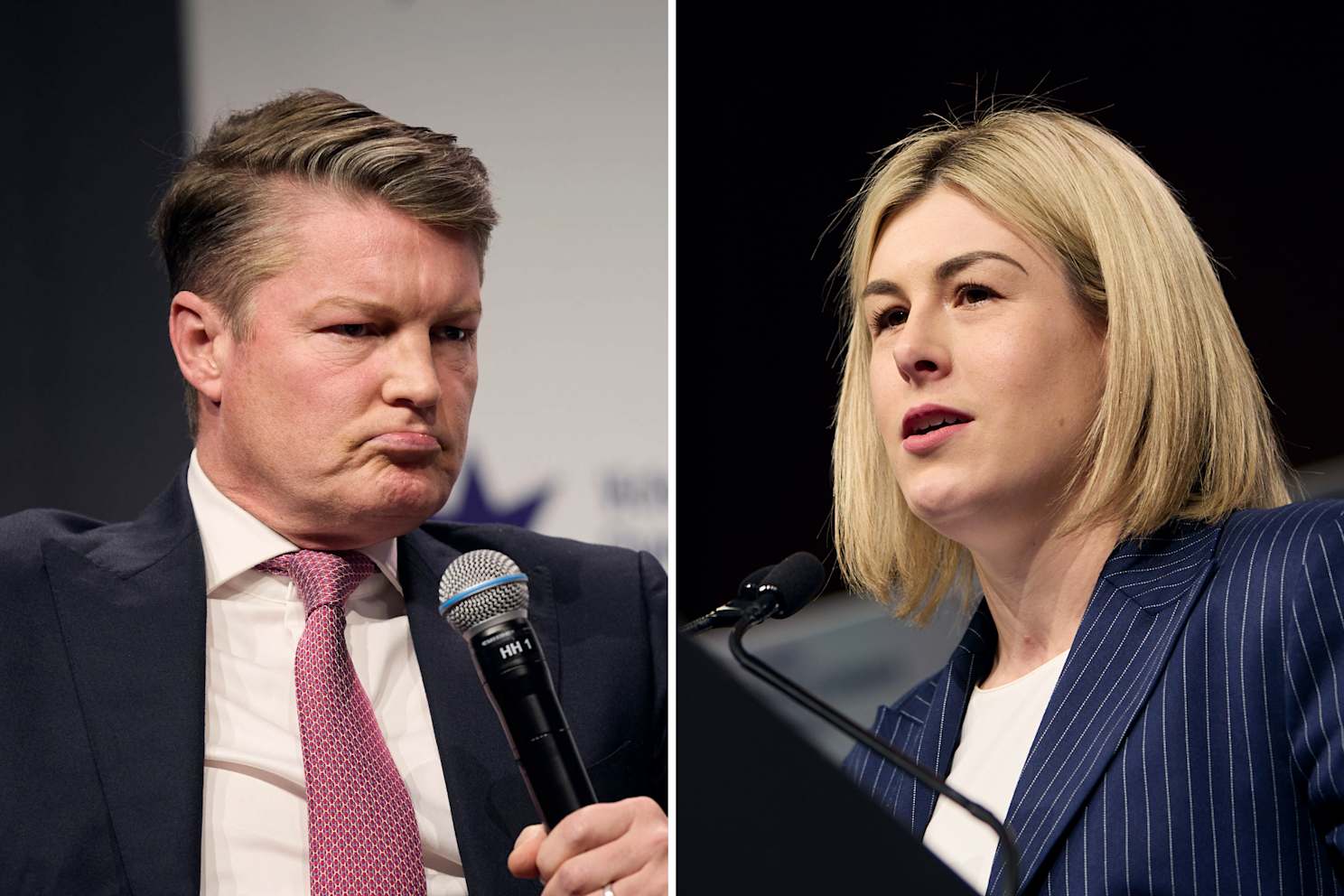
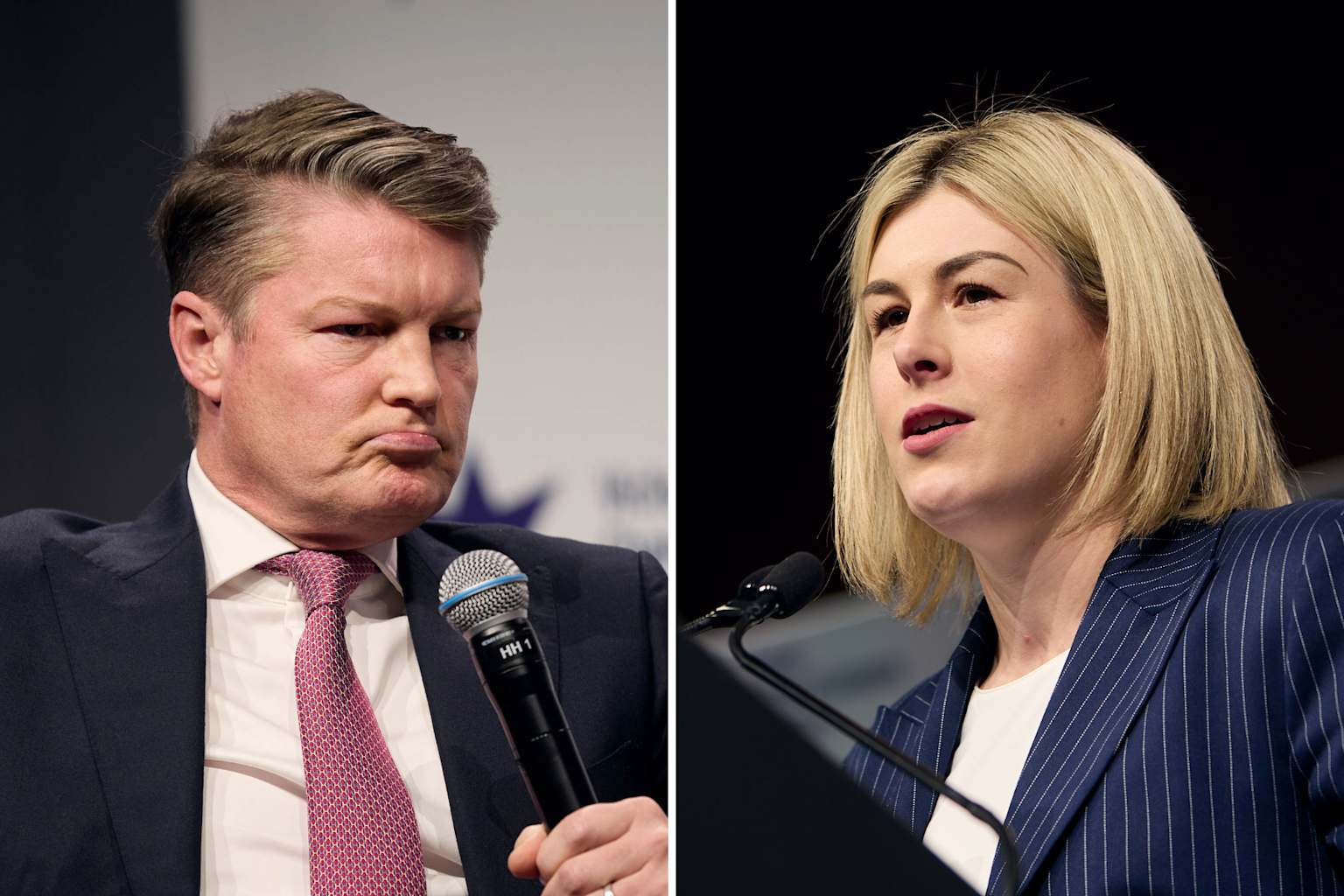
Opposition Leader Jess Wilson said Victoria receiving the lowest ranking was not a surprise, and that businesses were finding it harder to operate in the state due to a “punishing tax environment” and over-regulation.
“It’s a national disgrace,” Wilson said.
At a Victorian Chamber of Commerce and Industry event on Tuesday, both leaders laid out their economic vision for the state.
Carroll diverged from the infrastructure-heavy leadership of his predecessors, promising to make practical savings while investing in services.
“I’m less about the Big Build and more about the social build,” he said. “Our human capital, health and education – maximising the productivity of our businesses and workforce, and creating opportunities for everyone.”
Wilson plans to return the budget to a cash surplus by 2032, funded partly through a decade-long hiring freeze across sections of the public service. She said repairing the budget required greater spending discipline while encouraging economic growth.
“When businesses are growing, investing and hiring, it creates the economic conditions for everyone to get ahead. It’s how we bring hope and prosperity back to this state,” she said at the event.
Wilson added: “I can’t remember an election where the ‘what will it cost?’ question has been asked with every announcement made. It’s a recognition that the state of the budget calls for fiscal restraint.”
Get the day’s breaking news, entertainment ideas and a long read to enjoy. Sign up to receive our Evening Edition newsletter.
You have reached your maximum number of saved items.
Remove items from your saved list to add more.
You've used all of your gift articles. 3 more will become available on the 1st of every month.