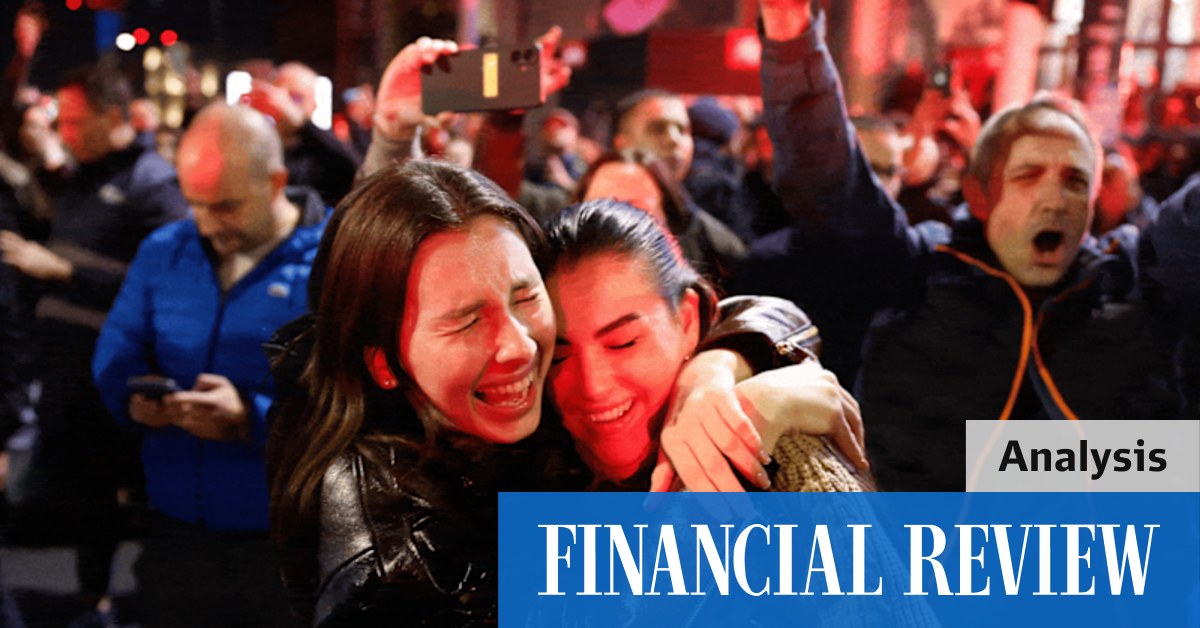
When voters in Hungary rejected their seemingly invincible populist leader Viktor Orban in April, Andrej Borovac, a young designer in neighbouring Serbia, was ecstatic, but he was downbeat about his own country’s populist strongman suffering the same fate.
“That can never happen here,” he recalled thinking. Aleksandar Vucic, Serbia’s dominant political figure since 2012, looked immovable, given his grip – established over more than a decade in power – on security forces, nearly all major media outlets, the electoral commission and many other institutions. Or so he thought.
Gift articles to anyone you choose each month when you subscribe.