Treasury yields rise as traders strengthen Fed rate hike bets
Treasury yields moved higher as investor expectations for a December rate hike by the Federal Reserve gain strength.
"The Fed is the real risk going out in the intermediate term," one strategist said.
The most recent inflation reading for October had beaten expectations, coming in at 0.4% for the month.
There will be seven voting meetings next year, with the October session set up as extra time for policy deliberation without a formal vote or post-meeting statement.
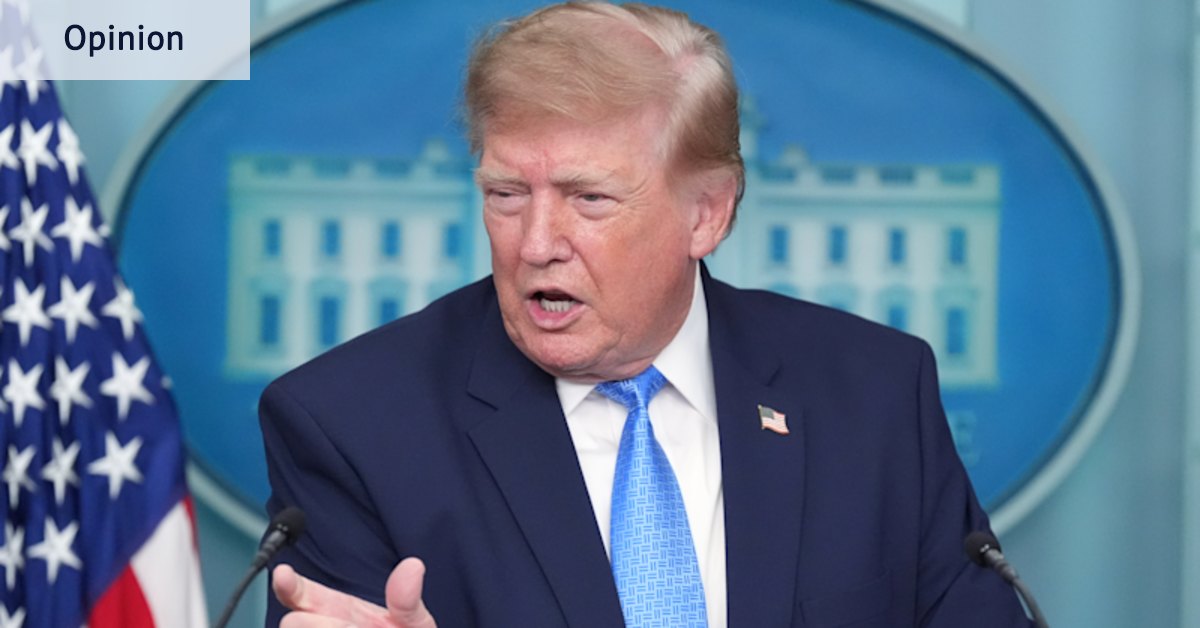
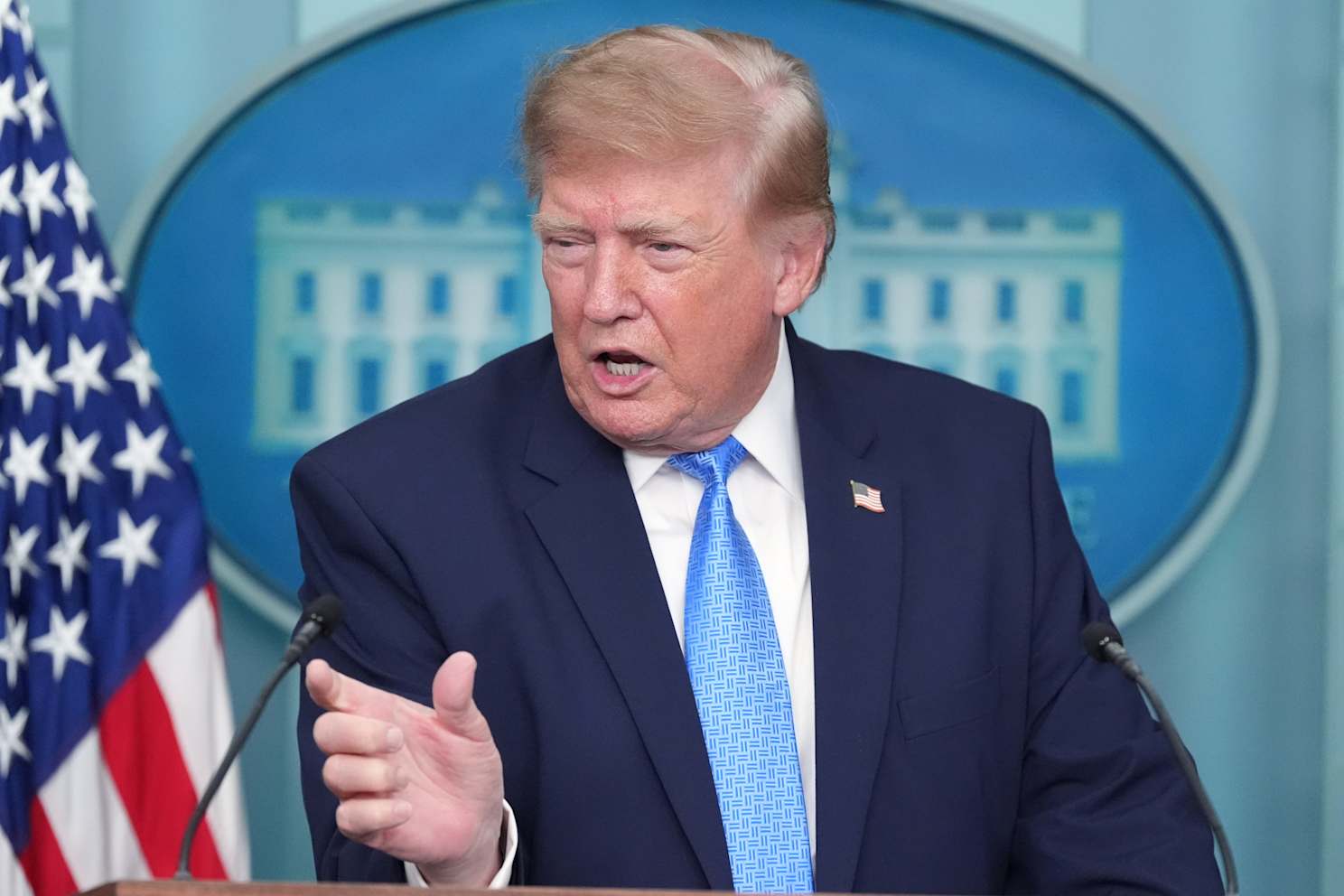
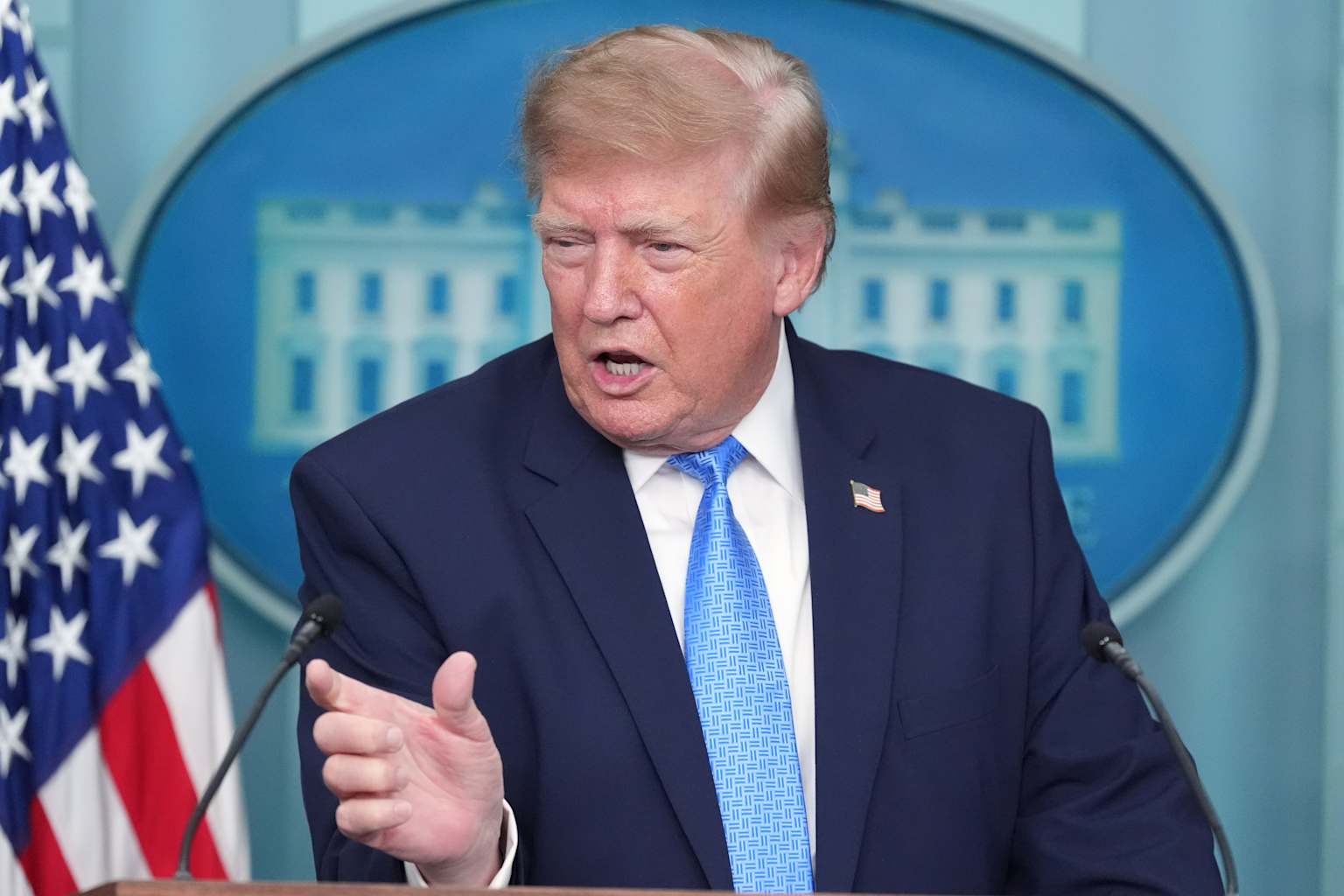
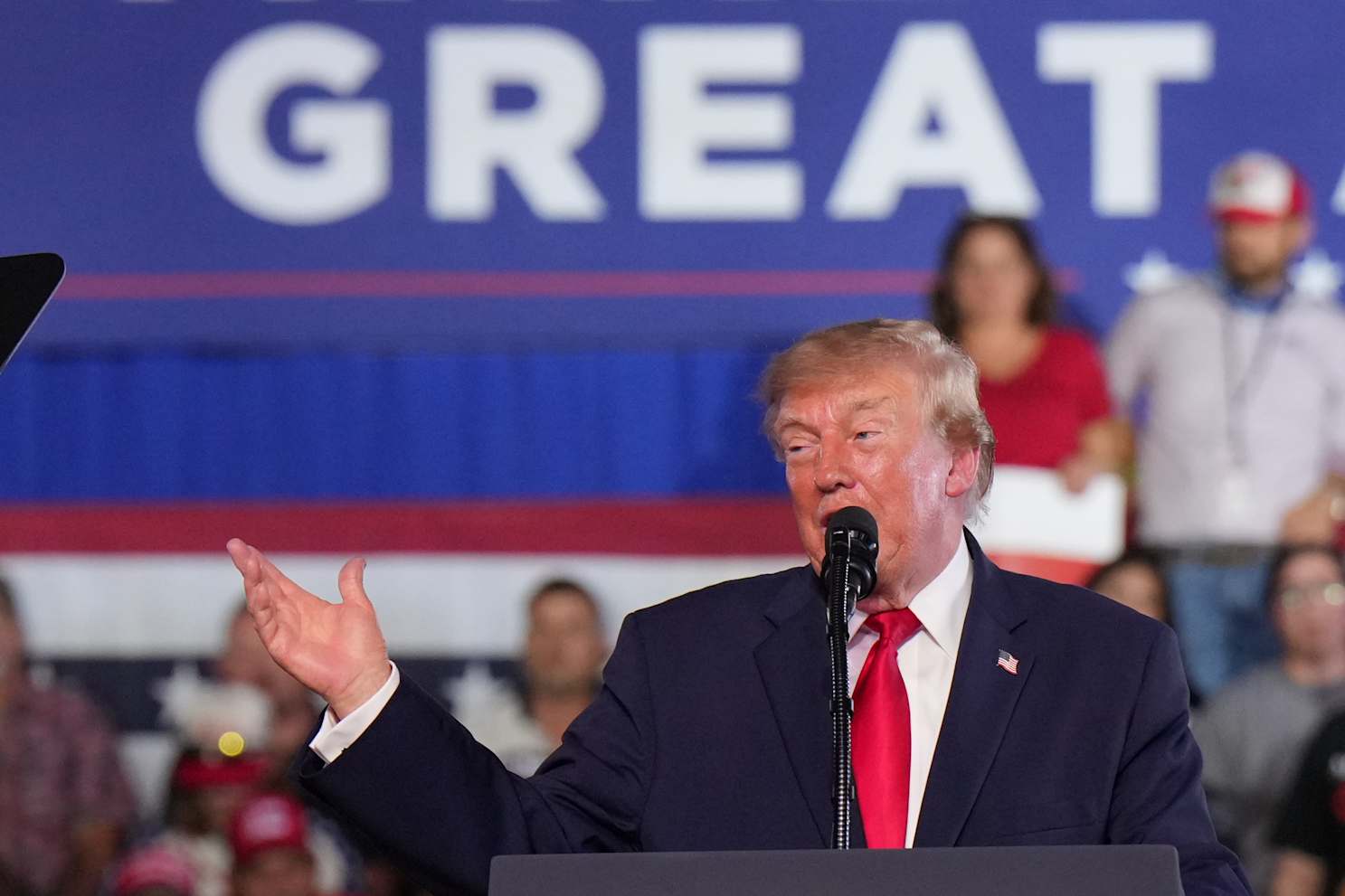
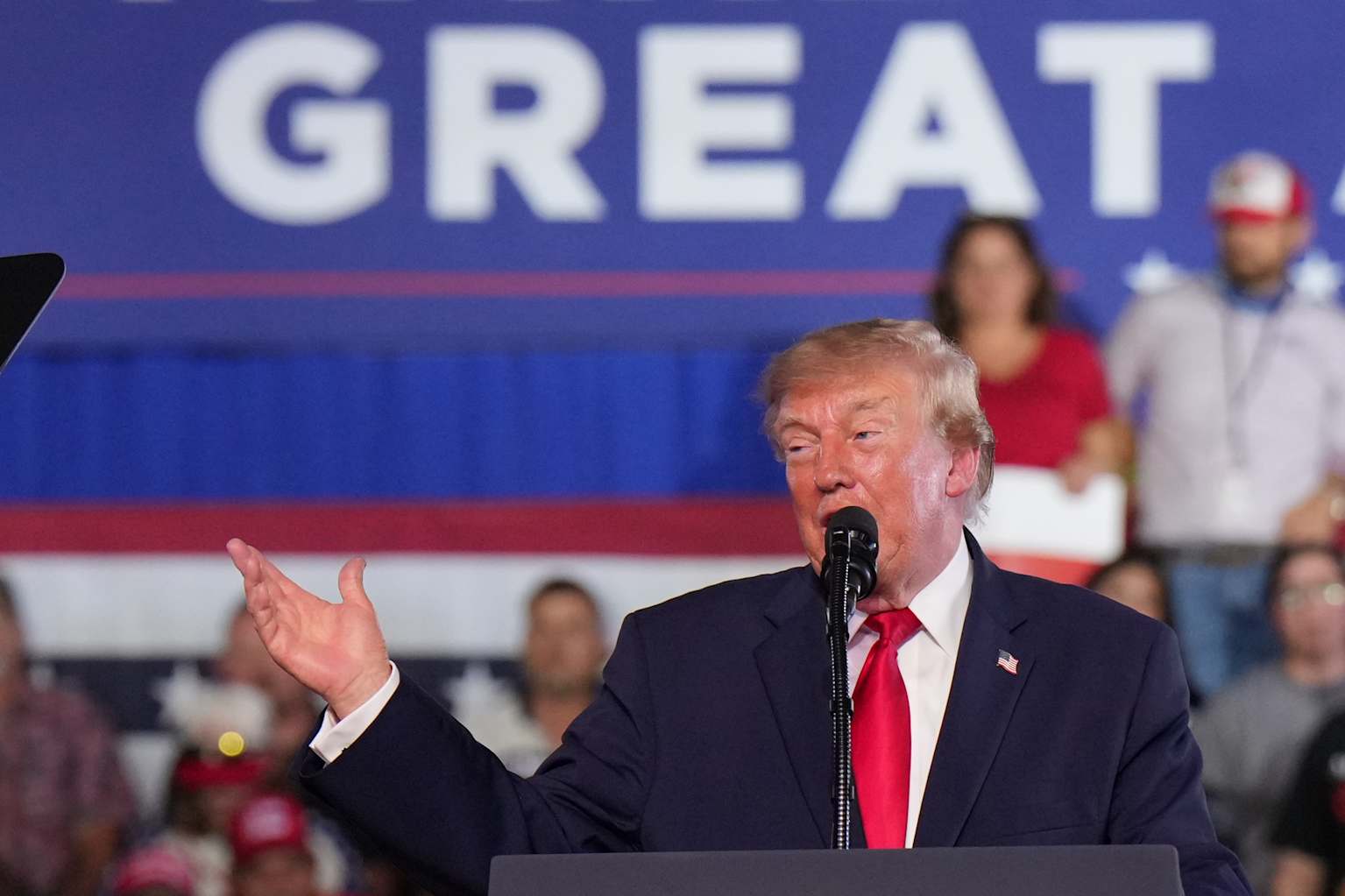
The US president’s demands for falling interest rates are going to be ignored when the Federal Reserve responds to last month’s hotter-than-expected inflation rate.
The report comes at a critical juncture for the Federal Reserve as it considers its next move regarding interest rates.
The consumer price index rose more than expected in October, raising alarm among Federal Reserve officials.
Wall Street was recently able to put inflation worries on the back burner, as traders focused on the midterm elections and swings in tech stocks. That’s over now.
The US president’s demands for falling interest rates are going to be ignored when the Federal Reserve responds to last month’s hotter-than-expected inflation rate.
Every weekday, the Investing Club releases the Homestretch; an actionable afternoon update just in time for the last hour of trading.
US Treasuries slumped, pushing yields sharply higher, after hotter-than-expected inflation data and comments from a key Federal Reserve official fueled bets that the central bank would need to deliver more aggressive interest rate hikes to cool inflation.
As high prices continue to strain household budgets, many consumers have turned to credit cards to help make ends meet.
The rise in balances on HELOCs marks the 18th consecutive quarterly increase, according to a new report from the Federal Reserve Bank of New York.
CoreWeave and Nebius earnings, alongside key inflation reports that could shape the Fed's next interest rate decision, are the focus.
The Fed’s October bank lending survey shows tighter standards for small firms and commercial real estate, while subprime borrowers face tougher credit.
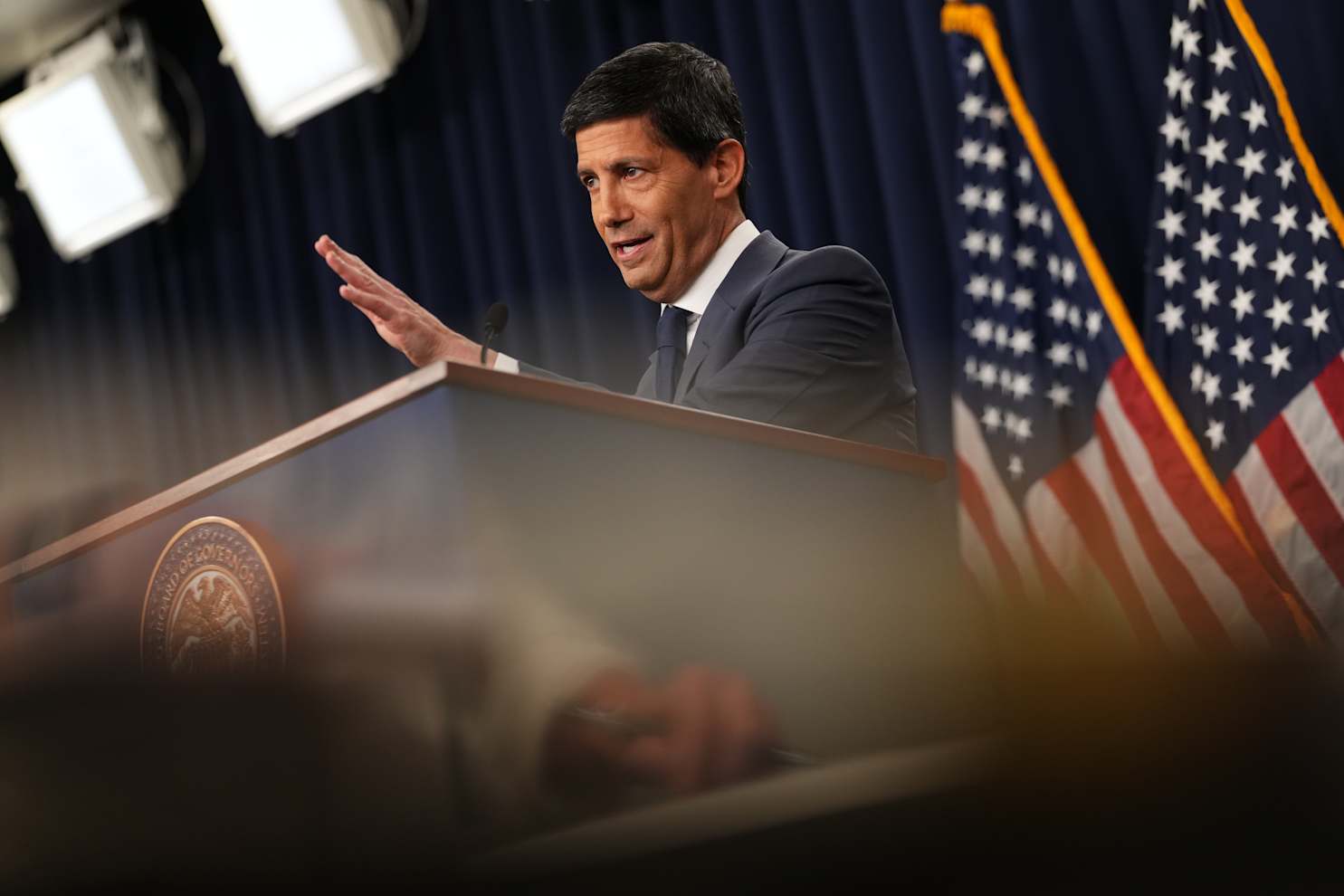
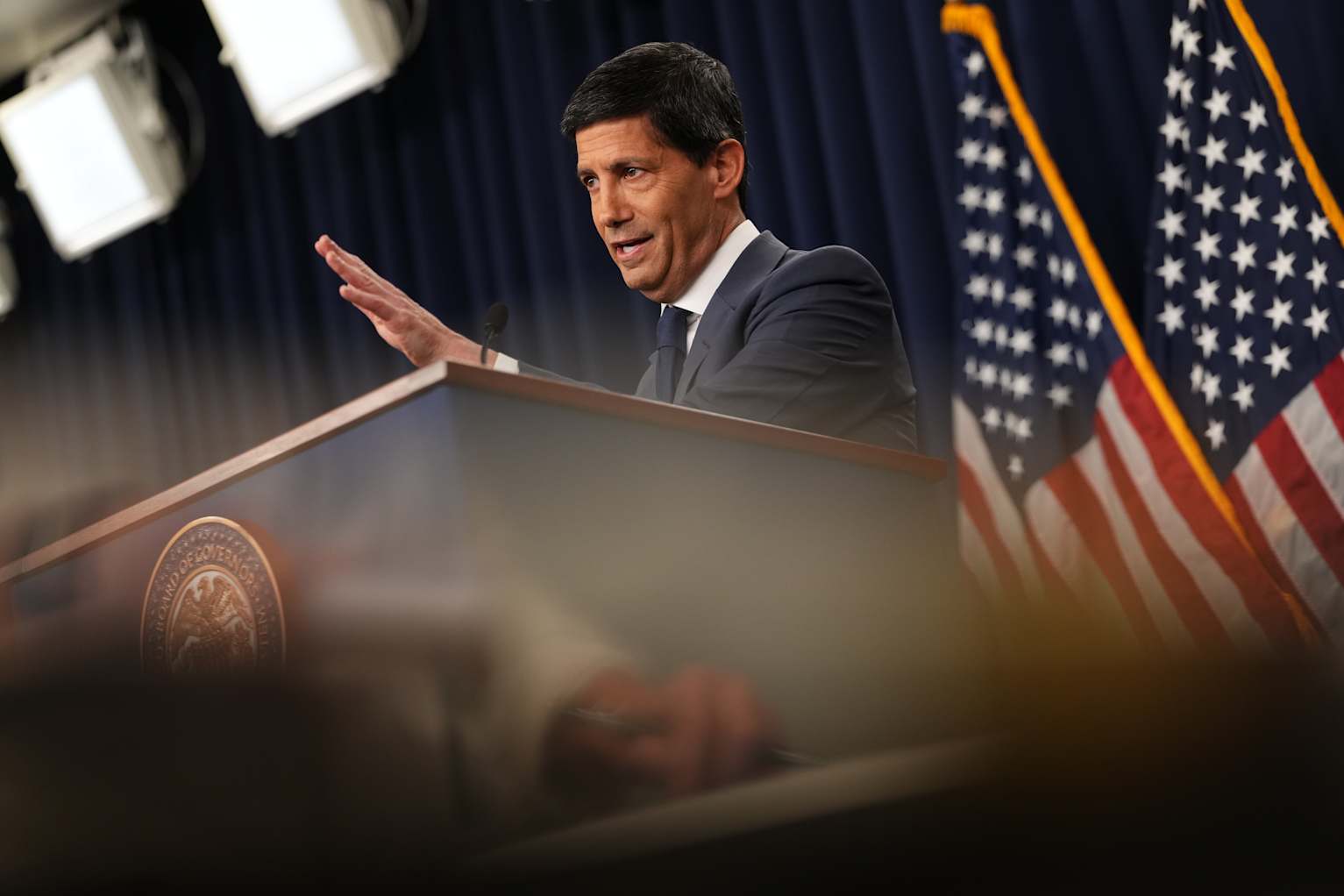
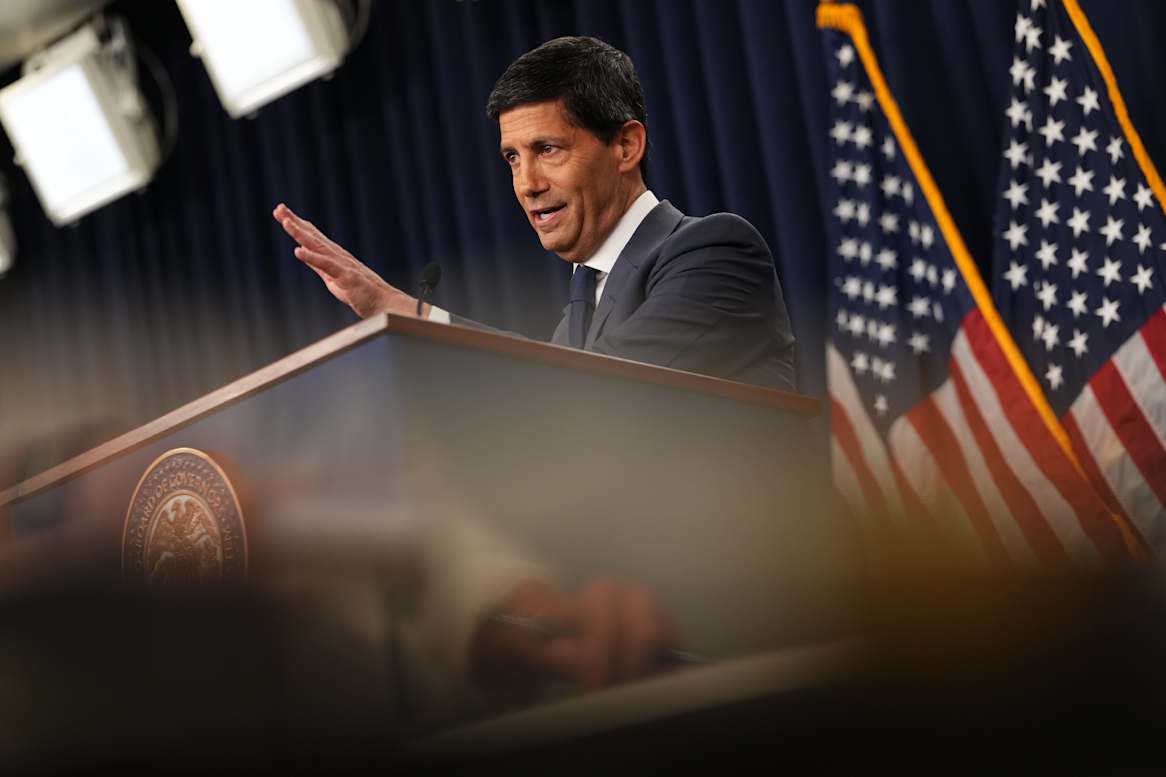
Fed Chairman Kevin Warsh said he plans to reduce the number of rate-setting votes, a move some economists say could delay relief for borrowers.
The US central bank has left interest rates on hold, but inflation data due later this week is expected to show another increase in prices that will force it to raise them at its future meetings.
Earnings are back in focus after the Fed holds rates steady. AI capex, the midterms, and war with Iran are back at the forefront.