Knife violence in Melbourne’s CBD has amplified calls from mental health experts to fill the growing void faced by unwell psychiatric patients since the state’s asylums were closed 30 years ago.
Sector leaders say no action has been taken to replace the state’s notorious psychiatric asylums, and Victorians are suffering as a result despite the mental health royal commission laying a blueprint in 2021 to open new sophisticated and deinstitutionalised mental health services.
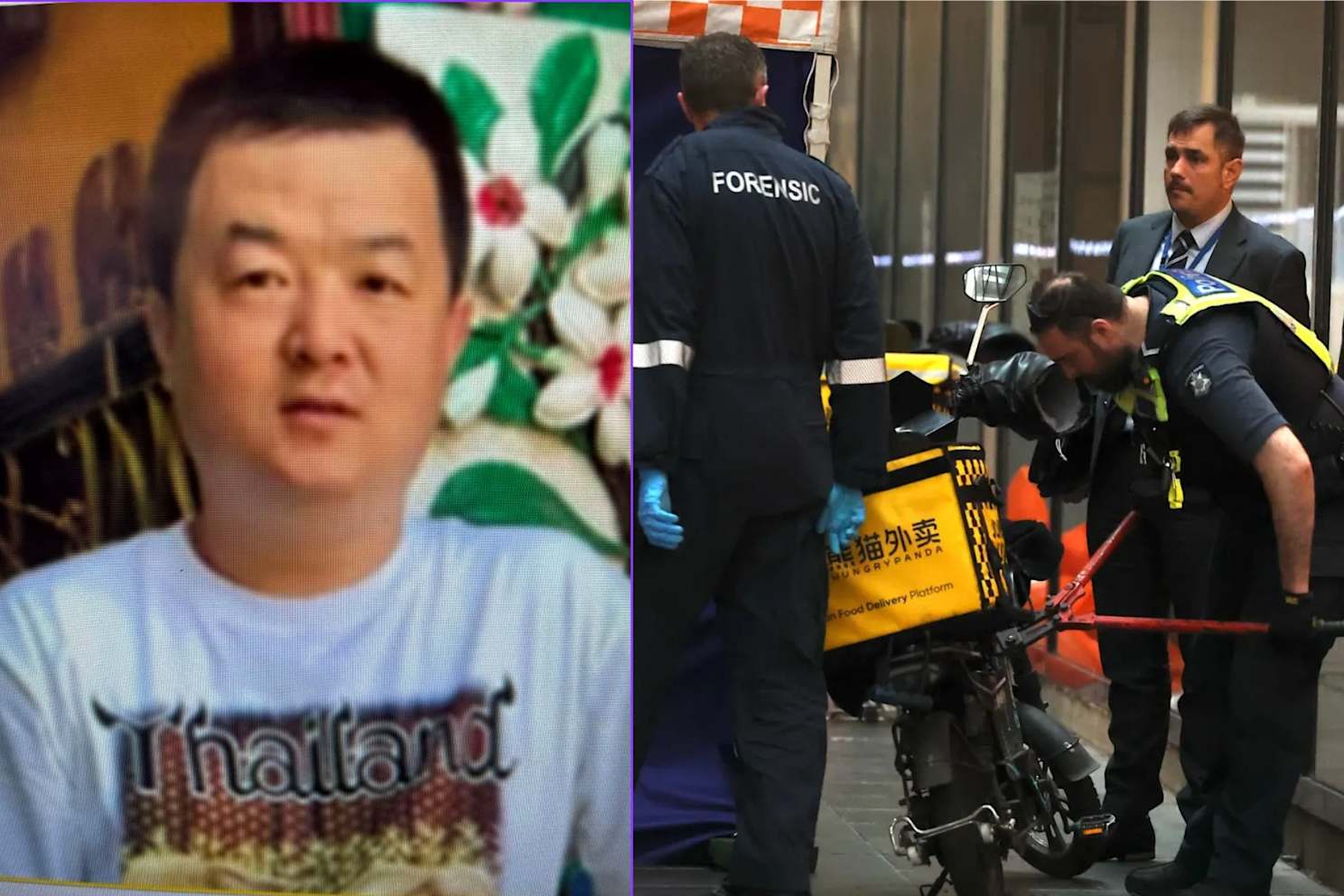
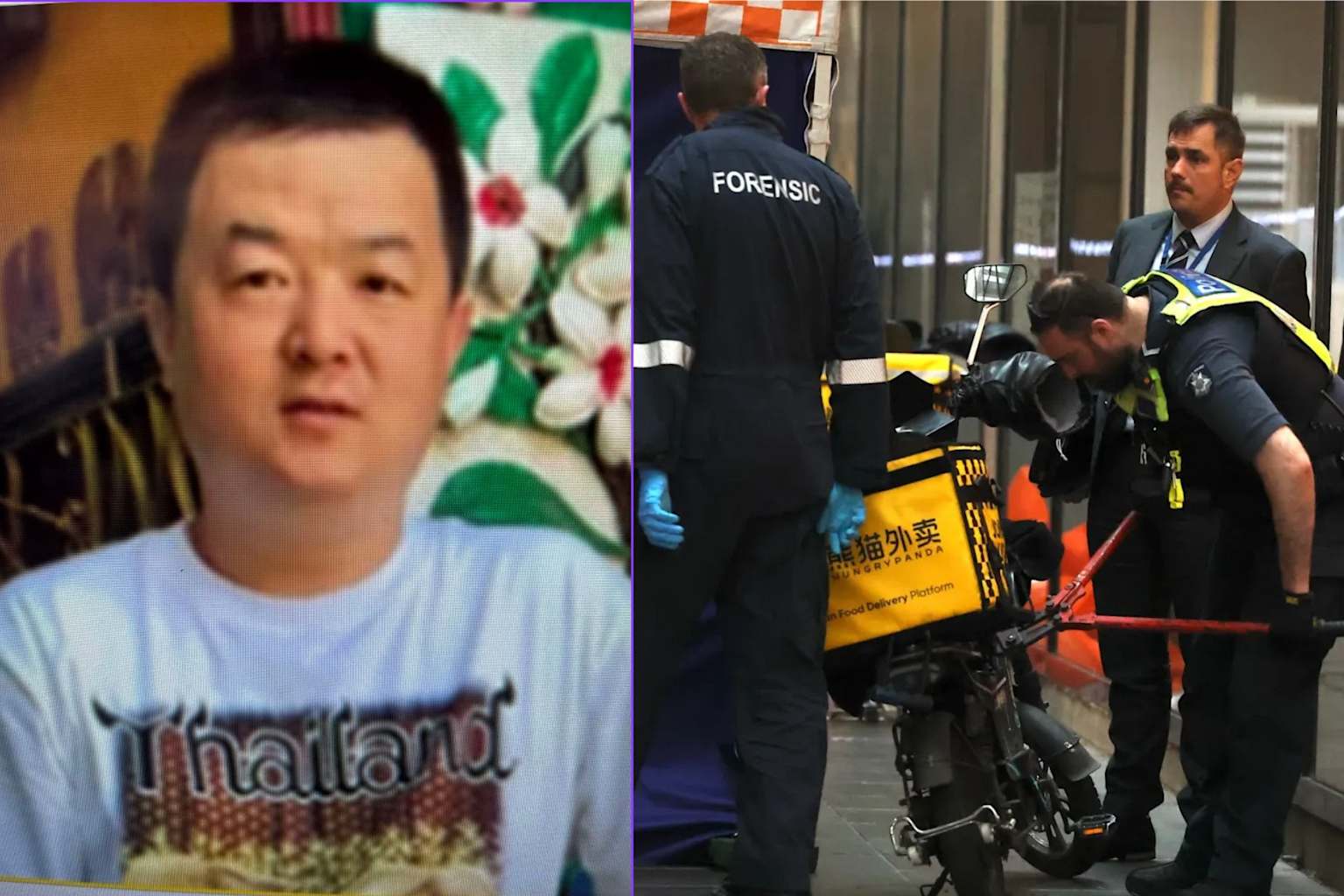
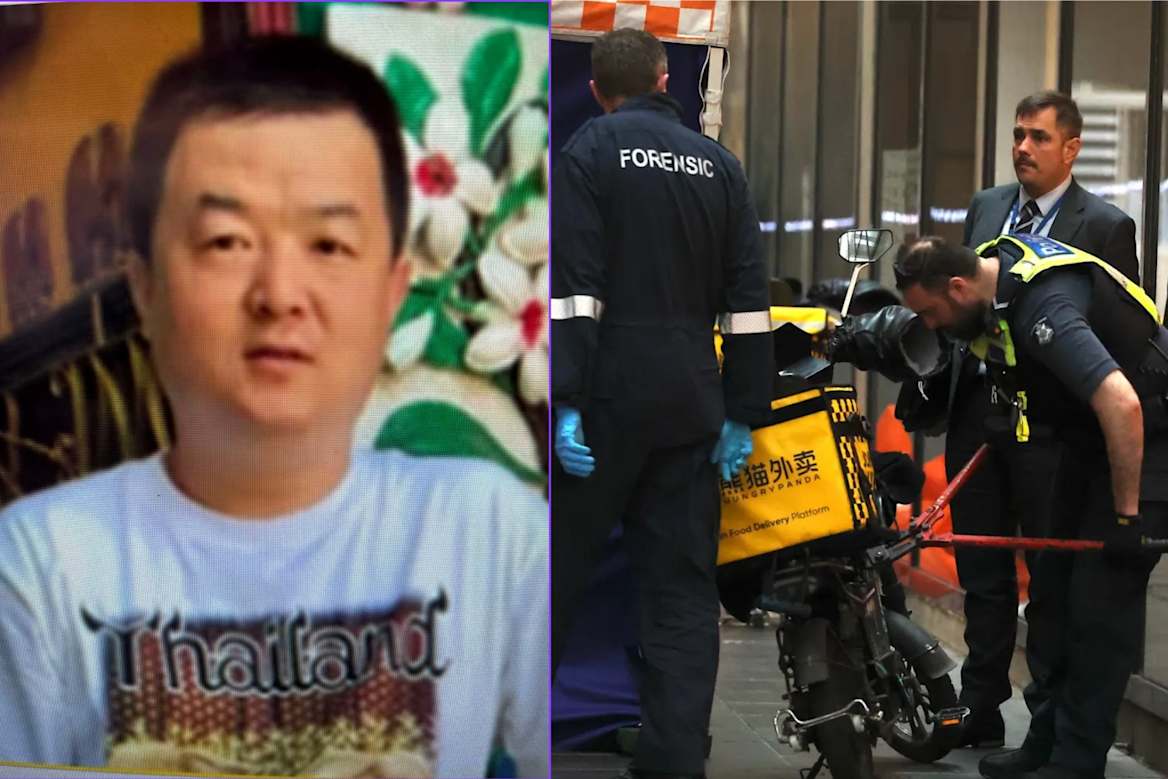
This month , a homeless man with a psychiatric diagnosis has been charged with stabbing a shopper in the Bourke Street Mall, and a man with schizophrenia was charged with murder over the stabbing death of food delivery rider Feng Jianming, 47.
The Age also revealed a nurse recently suffered a 12-centimetre stab wound in the back at the hands of a patient he was transferring from the community for treatment.
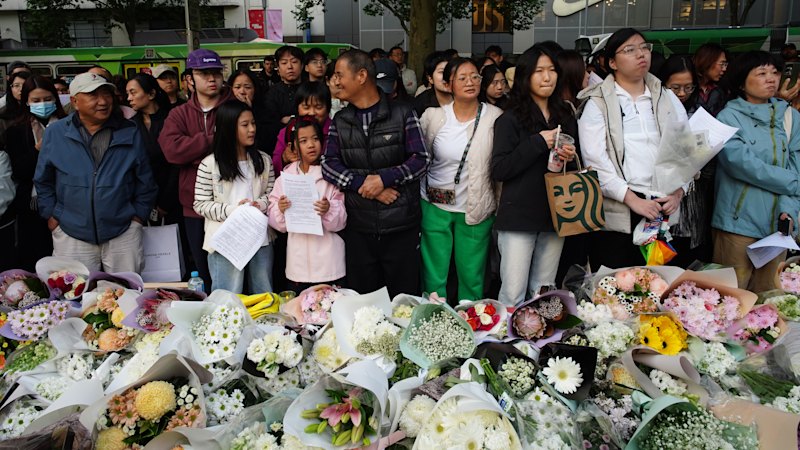
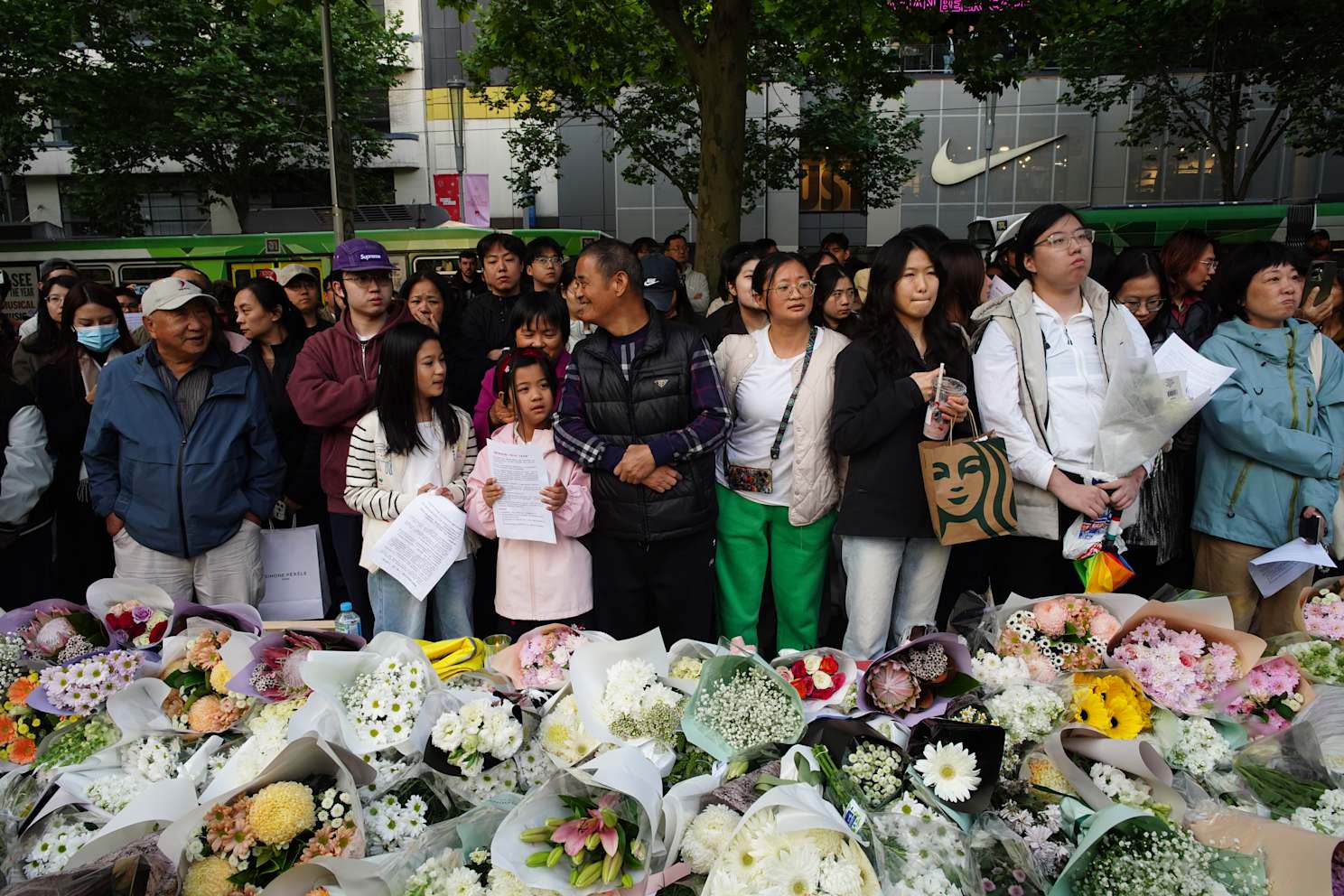
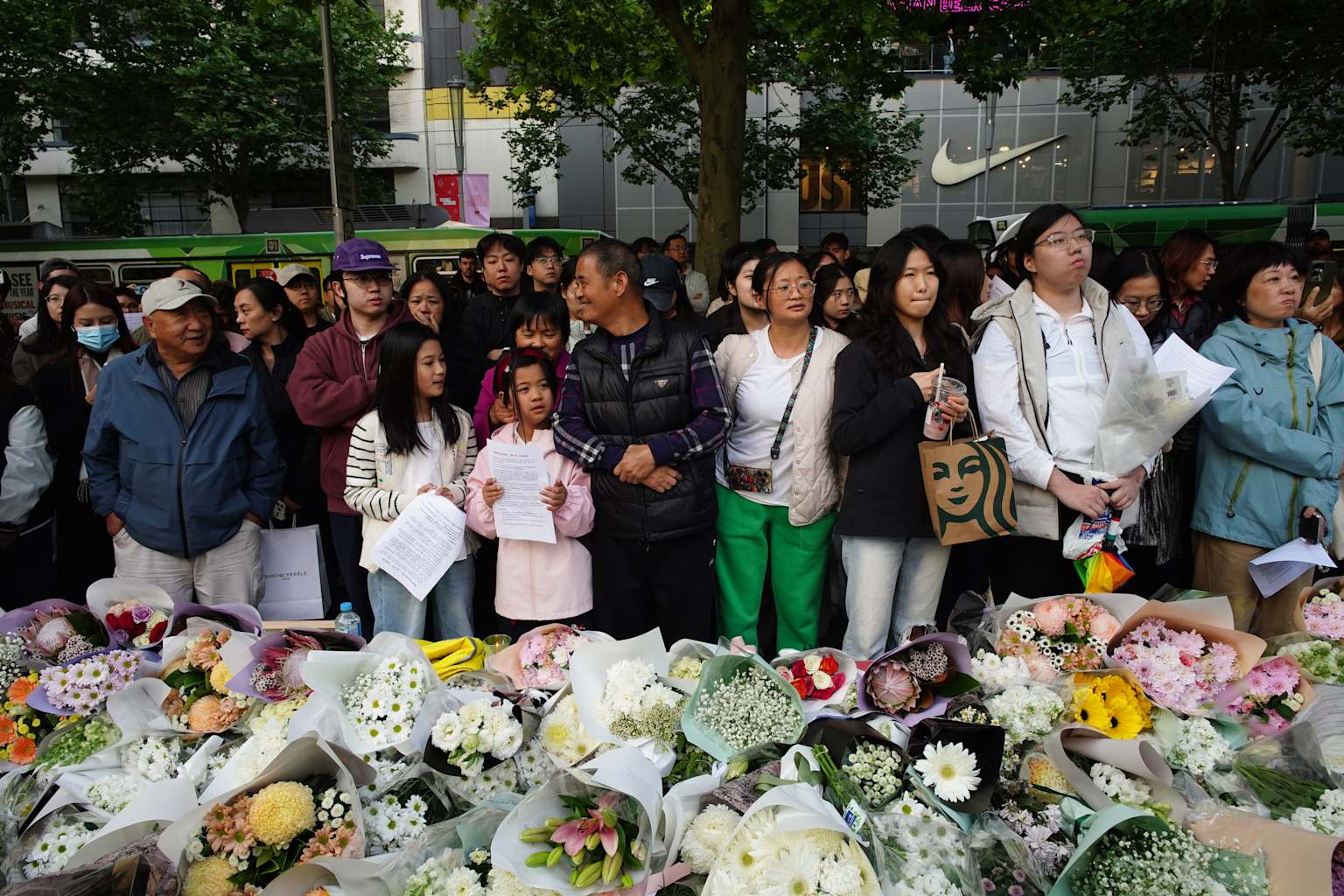
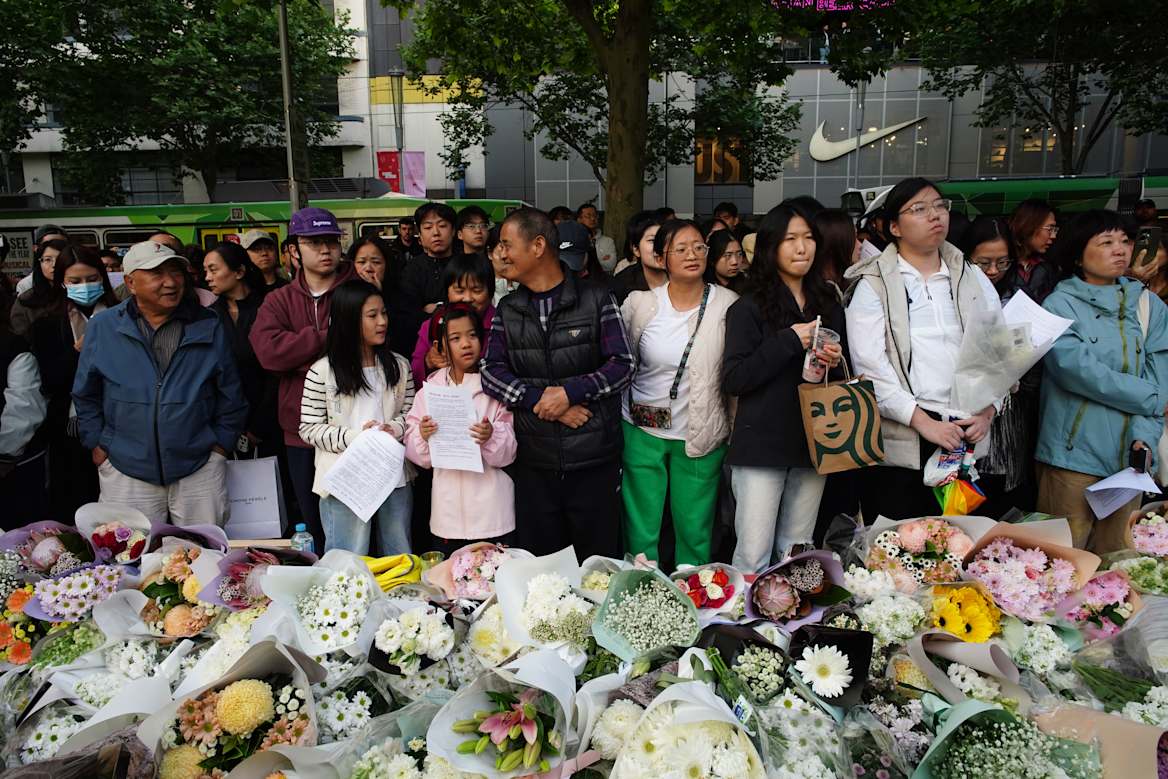
The horror incidents come less than a fortnight after Victoria’s mental health leaders, advocates and more than 200 community members came together at Federation Square to sound the alarm over the worsening crisis, organised by Mental Health Victoria, Orygen and the Black Dog Institute.
The Our State of Mind forum addressed “outrage about a dire lack of access to specialist treatment” and, in its closing discussion, even canvassed the idea of whether Victoria needed a return to standalone psychiatric hospitals, harking back to asylums.
Victoria’s state-run psychiatric asylums were closed in the 1990s over human rights abuses and neglect, which Mental Health Victoria CEO Philippa Thomas says have left a legacy of trauma and suffering for many people who were institutionalised.
Although any connections to the word “asylum” and the trauma of institutionalised mental health care need to be avoided, Thomas told The Age new acute and community-level mental health units were desperately needed for the 220,000 Victorians living with the most complex challenges.
“Victoria is in desperate need of safe, stable, and dignified specialist treatment and residential services that provide intensive longer-term therapeutic and recovery supports,” Thomas said.
“The royal commission agreed and called for a comprehensive redesign and reform across the system, and the failure of the NDIS only amplifies this urgency.
“This work has not commenced. The consequence is a catastrophic series of bottlenecks that routinely result in people with serious mental illness only having access to services when their needs present serious risks.”
The royal commission recommended the government introduce at least 270 new adult mental health beds. However, those working in the system and the commission set up to monitor implementation of the royal commission’s recommendations can account for only 174 as being opened .
Victoria continues to have the lowest access rate of tertiary mental health services in Australia, with only 1.3 per cent of the population covered by the system, rather than the 3.1 per cent requirement. As a result, Mental Health Victoria’s State of Mind report found fewer than half of Victorians with complex mental illness are getting access to the acute services they need.
A months-long investigation by The Age has revealed that the lack of acute hospital beds, and the failure to roll out new community support programs and supported housing, is leading to overflowing emergency departments , escalating rates of violent crime involving people who are unwell or experiencing psychosis , and people sleeping rough.
Following the latest stabbings, Lord Mayor Nick Reece – who was unable to attend the Our State of Mind forum at the Town Hall on November 9 – has proposed his own mental health roundtable for the first week of December, and publicly floated the idea of reintroducing asylums.
Thomas said that regardless of who won Saturday’s state election, they needed a plan, ready to go on day one, to stabilise the crisis in Victoria’s mental health system.
“Too often these individuals are lost to follow-up, meaning outside of periods of acute compulsory inpatient care, and in the absence of family, there is no available supported residential or assertive outreach treatment service available to monitor or support the maintenance of treatment,” she said.
“The consequent human suffering, lost productivity, impact on families, and, at its worst, senseless criminalisation has become so routine for some groups, it is almost a predictable pathway of its own where stability, routine, healthcare and community in custodial settings are the benefit of an otherwise grossly adverse and unjust outcome.”
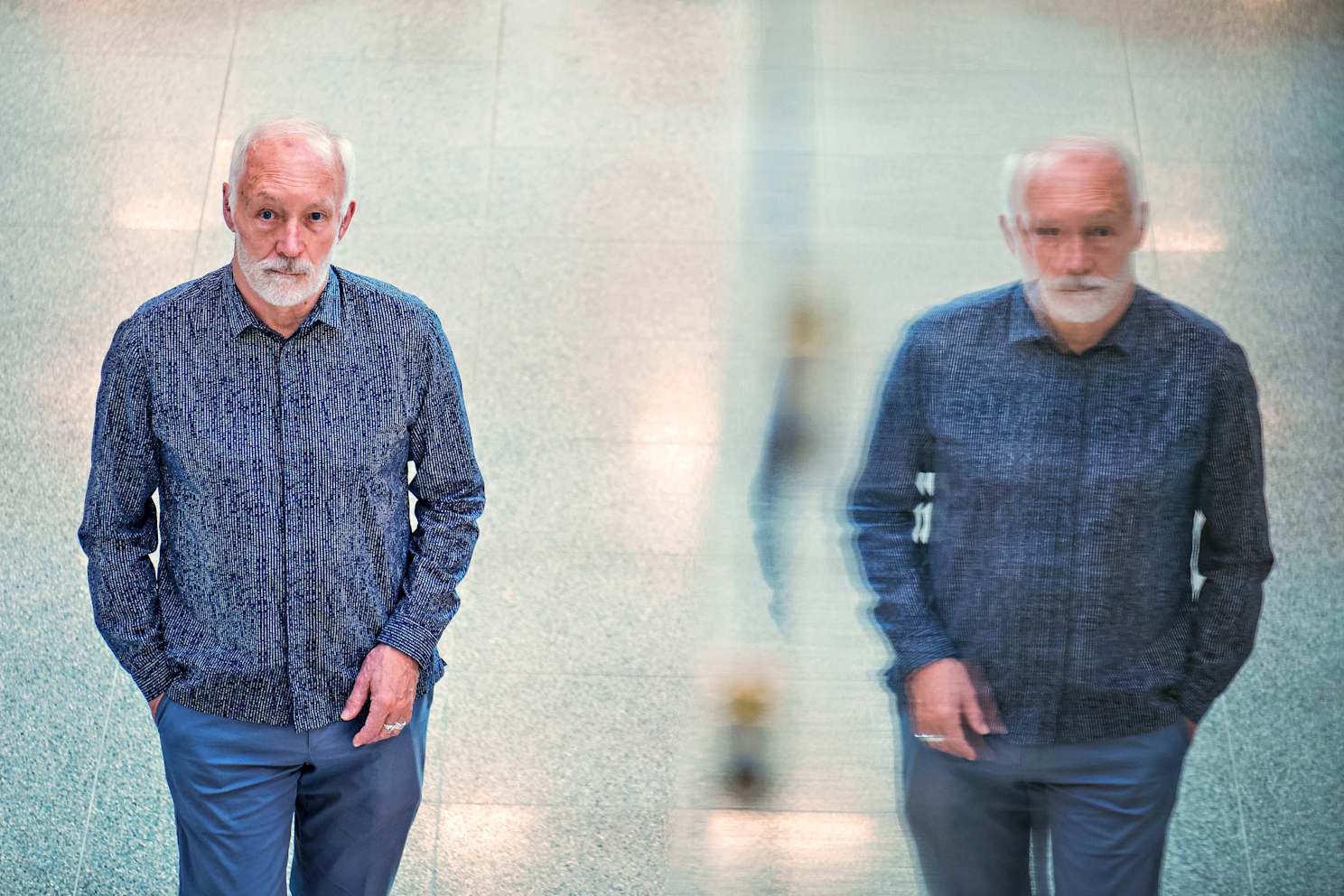
Mental health pioneer and Orygen executive director Professor Pat McGorry said Victoria’s deinstitutionalisation had resulted in the closure of standalone psychiatric hospitals and the loss of thousands of beds, which were replaced by far fewer services housed within general hospitals.
“Community services are woefully inadequate to enable the reduced number of beds to work,” McGorry said.
“While everyone agrees that the goal of less restrictive care is desirable, it is only safe to weaken the Mental Health Act when the service system is functioning well enough to make that safe and possible.
“The cart was put before the horse, and the horse has not yet arrived.”
Monash University Emeritus Professor and mental health researcher David Copolov said there was a severe shortage of adult and forensic mental health beds, as well as Community Care Units for people to receive sustained treatment and regain health.
He said modern psychiatric hospitals were desperately overdue, however, any use of terms such as “asylums” or “institutionalisation” must be avoided to present a clearer picture of what was needed.
“For so many people with severe mental illness and their families, that comprehensive and compassionate care in the community simply hasn’t materialised,” Copolov said.
“Modern psychiatric hospitals, when they’re eventually built in Victoria, must be more like mental health versions of the Peter MacCallum Cancer Institute rather than the psychiatric hospitals of the past, which successive governments allowed to deteriorate by failing to invest in them.”
Both Labor and the Coalition said revisiting asylums was not a priority.
“Asylums were closed for good reason, they were not places where people were getting the therapeutic care that they needed,” Health Minister Ingrid Stitt said. “And we are working very hard to make sure that no matter what part of the system people need to access, that they have that available as close to home as possible.”
A Liberal Party spokesperson said while they recognised the need for a “secure mental health capacity in the broader system, our focus will be on early intervention, prevention and providing people with the … support they need in their homes and communities”.
Read more on Victoria’s mental health crisis:
You have reached your maximum number of saved items.
Remove items from your saved list to add more.
You've used all of your gift articles. 3 more will become available on the 1st of every month.