


Meta is re-evaluating its goal of net zero emissions by 2030 after its net emissions rose 45% in 2025. They reached 11.8 million tonnes of CO2 equivalent, Meta said in its 2026 sustainability report on 19 November.
The report puts the rise down mainly to purchased goods and capital goods, such as data centre hardware. Meta’s electricity use rose 35% as new data centres came online. Total emissions in the report’s data tables reached 21.7 million tonnes, up from 15.6 million in 2024.
“When we set our net zero emissions goal, we anticipated steady growth, falling clean energy costs, and changes in the broader system that would enable progress at the pace we envisioned. The reality has been far more complex,” two Meta executives wrote in the report.
They are Rachel Peterson, vice president of data centres, and Blair Swedeen, global head of net zero and sustainability. Meta is reviewing its timelines, interim milestones and near-term intensity targets, they wrote. It will share where that work lands, but the report gives no date.
“We remain committed to net zero, but are re-evaluating the 2030 timeline,” a Meta spokesperson told CNET .
If utilities cannot supply power fast enough, Meta may run its own on-site generation, including gas, the report says. It is buying certificates for low-methane gas to offset some of the methane released upstream.
Gas projects for Meta are already underway, Axios reported. In Louisiana, Entergy is pursuing seven gas-fired units of more than 5,200 MW for Meta’s data centres. Ohio regulators approved a 200 MW gas plant built to power Meta’s data centres.
Meta’s rise is far higher than its rivals’, Axios reported. Google’s emissions rose 18% in the same year, Amazon’s 16% and Microsoft’s 25%.
Meta says it has contracted more than 30 GW of clean and renewable energy in seven countries and 28 US states. Nearly 12 GW of that already produces power. In July, it left the RE100 pact , the global group of companies committed to 100% renewable electricity.
Earlier this month, Meta signed long-term purchase agreements for low-carbon cement, electric trucking, recycled plastics and near-zero-emission steel from Sweden’s Stegra, for use across its data centre supply chain.
Water consumption at Meta’s own facilities fell to about 2.99 billion litres in 2025, from 3.12 billion. In areas with high water stress, it rose to about 931 million litres, from 750 million. The water used to generate the electricity Meta buys rose to about 98.8 billion litres, from 72.2 billion.
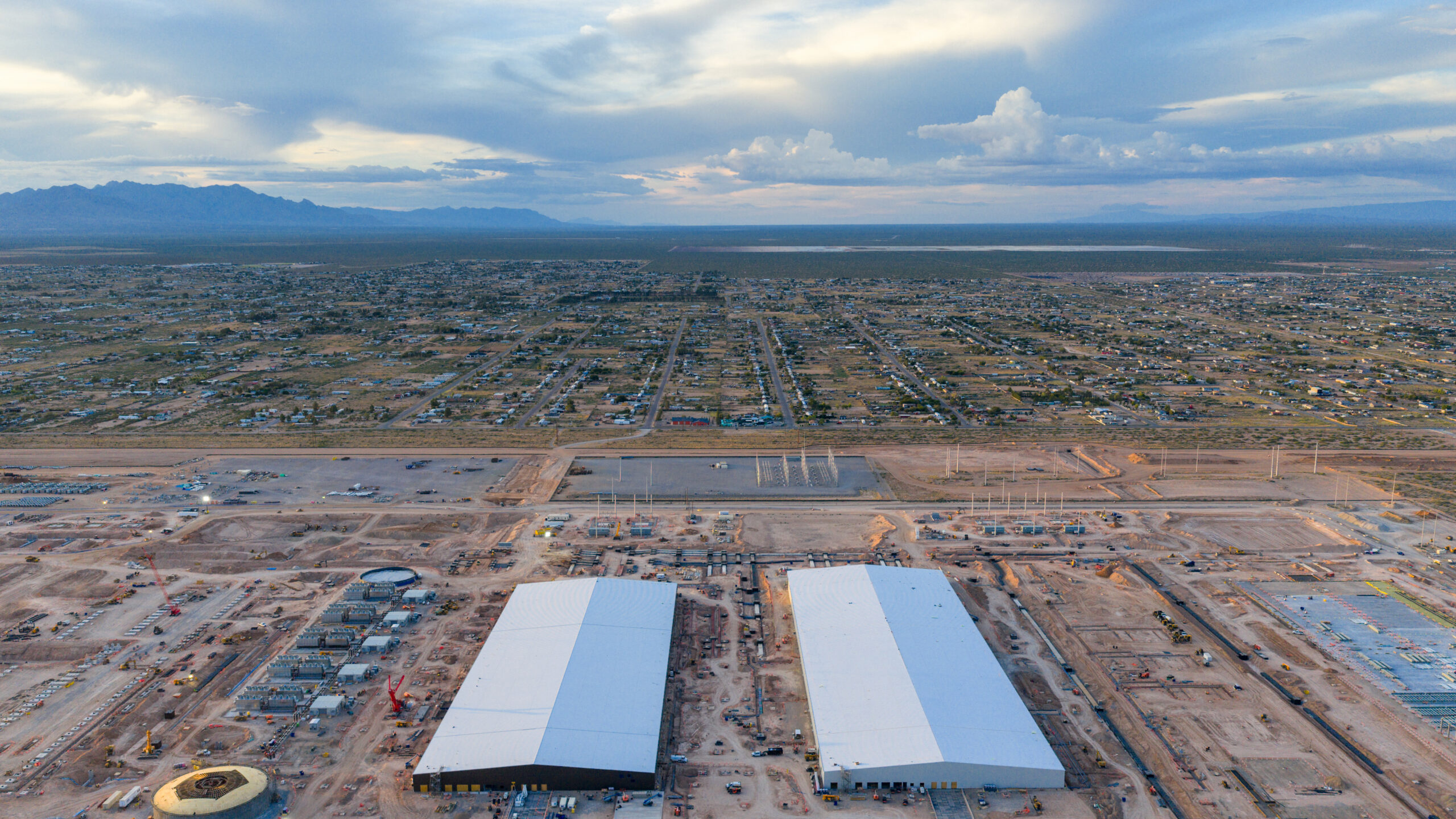
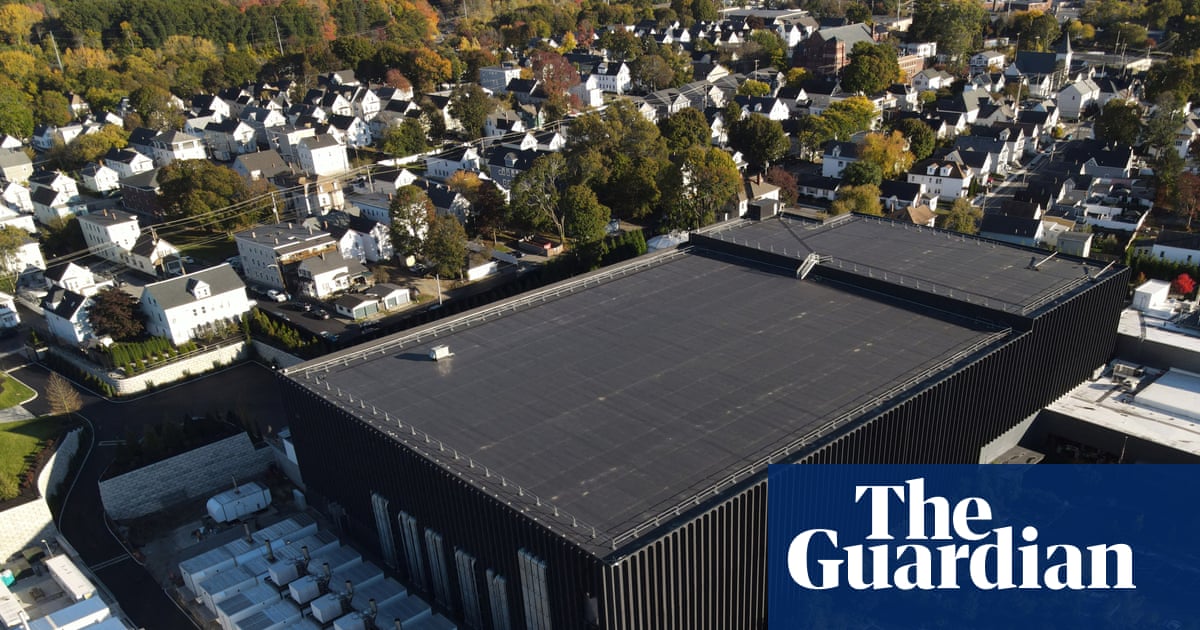
The report also covers the $1bn community fund Meta launched for the US towns that host its data centres. The rise in emissions comes as Meta builds out AI capacity, including its Prometheus supercluster .
Get the most important tech news in your inbox each week.