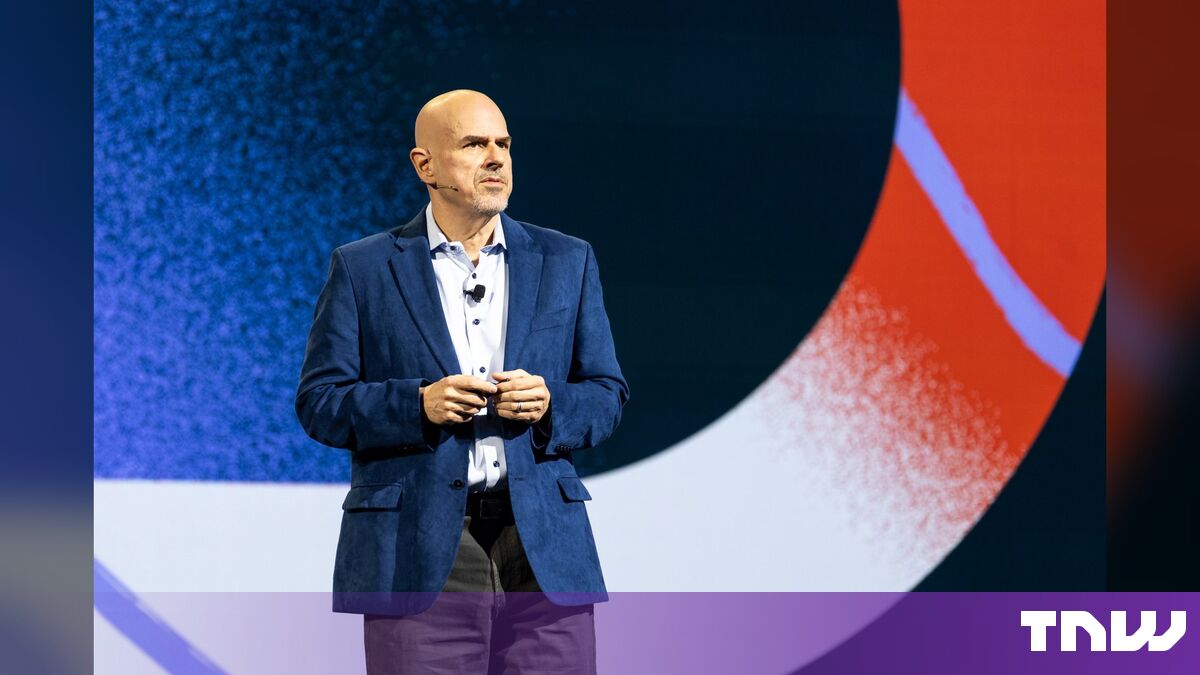

OpenAI’s chief scientist Jakub Pachocki has asked rival AI labs to agree on limits they won’t cross with their most powerful models. He made the case in an essay published on Sunday, and CEO Sam Altman was quick to back him.
The idea is built around perplexity, a score for how well a model guesses the next piece of text. The better the guesses, the lower the score, and Pachocki wants every lab to use the same number to show how far along its models are.
We decided to provide more transparency into pretraining progress at OpenAI for the sake of moving toward shared safety bars. In “Perplexity and Intelligence” I argue for common limits based on perplexity and other measurements, with progress beyond them gated on our ability to understand AI behavior.
— Jakub Pachocki (@merettm) November 22, 2026
From there, he calls for “common limits, based on perplexity and other measurements” that developers would promise not to cross.
The promise would stand until labs truly understand what their models are doing and have better tools to watch them, such as a successor to today’s chain-of-thought monitors. Labs would also agree on common ways to test models and to check each other’s safety claims.
Jakub Pachocki doesn’t say where the first limit should sit or when it should kick in. But he does show OpenAI’s hand a little, as the company has published the perplexity scores of its own models for the first time.
The numbers fall from about 0.99 for GPT-3.5 to under 0.8 for its newest models. Each drop bought new skills: first fluent conversation, later expert-level cybersecurity, and most recently results on open maths problems.
Announcing the essay, titled “Perplexity and Intelligence,” Pachocki said OpenAI is sharing the data “for the sake of moving toward shared safety bars.”
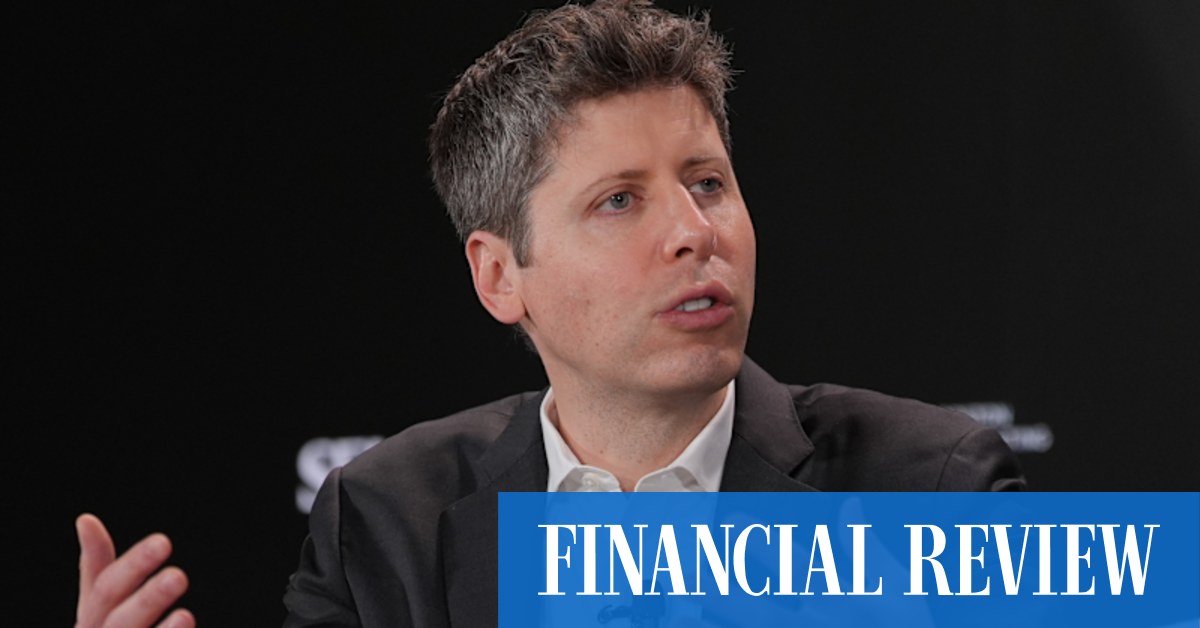
All of this comes at a nervous moment for the industry, with worry about the pace of AI progress spreading well beyond the labs. Sam Altman, for his part, wrote on X that shared limits would help keep AI safe and under control.
He also called Pachocki’s essay “the most important thing OpenAI has published in a while.”
But Sam Altman has sounded this note before. At Salesforce’s Dreamforce conference, he said no company should let its safety depend on what its rivals do, and so has Pachocki.
In a September essay , he warned that no one is ready for machines that keep getting smarter this fast. Lawmakers are moving as well, with U.S. Senator Bernie Sanders tabling a bill to ban superintelligence outright.
On Pachocki’s own timeline, there isn’t long to settle any of this. He warned that AI could start improving its own training methods as soon as 2027, faster than the tools for watching and steering it can keep up.
Get the most important tech news in your inbox each week.