Infrastructure is emerging as a standout investment trend heading into 2027, as spending on energy security and artificial intelligence fuels demand.
Preqin data shows infrastructure fundraising rebounded sharply in the third quarter of 2026, with $62 billion raised across 21 funds, bringing this year's total to $101 billion across 65 funds.
Rene Lubianski, managing partner, infrastructure at Brookfield Asset Management, said infrastructure is a "cornerstone" of the private markets giant's business during the group's third-quarter earnings call Nov. 6.
The firm has raised roughly $50 billion in capital commitments across its infrastructure strategies over the past year. Earlier this month, Brookfield said the latest vintage of its flagship infrastructure strategy had received $26 billion in commitments, with $13 billion coming after the end of the quarter.
"This puts us well on track to exceed our $30 billion target in early 2027," Lubianski said. "At that size, the fund would surpass the $28 billion raised for its predecessor to become the largest closed-end infrastructure fund ever raised.
"If the current momentum continues, it could also become the largest closed-end private fund ever raised in any sector."
The fundraising surge is unfolding even as investors wait longer to exit existing infrastructure holdings.
Portfolio companies owned by the 50 largest infrastructure general partners had an average holding period of 7.6 years in 2025, up from 6.1 years in 2021, according to Boston Consulting Group. Exit activity improved from the prior two years, although many transactions involved continuation vehicles and open-ended infrastructure funds, according to a BCG analysis published earlier this year.
Looking ahead, institutional investors appear to have room to bulk up their infrastructure allocations.
Goldman Sachs' latest annual 2026 Global Alternatives Survey — which polled some 225 institutional investors, including pension funds, sovereign wealth funds, insurance investors, family offices and other wealth managers between June and August — found that 43% of respondents have a more favorable outlook on infrastructure investment compared with a year ago, with 7% who were less favorable.
Nearly half of investors, 49%, with a target allocation to infrastructure said they were under-allocated, compared with just 5% who were over-allocated, according to the study, published Oct. 21.
"Geopolitical tensions and their effects on inflation, interest rates, and growth prospects continue to impact valuations and investors' ability to return capital. Those constraints coincide with extraordinary demand for private capital to finance the infrastructure supporting AI expansion — creating both a challenge and an opportunity," said Jeff Fine, global co-head of alternatives capital formation, Goldman Sachs Alternatives.
J.P. Morgan Asset Management strategists said Nov. 12 that the sector stands to benefit from stronger government and corporate spending next year, while offering protection if that spending keeps inflation and interest rates elevated.
Hugh Gimber, executive director and global market strategist at JPMAM, said infrastructure has some of the "strongest foundations" among alternative assets in the current economic environment.
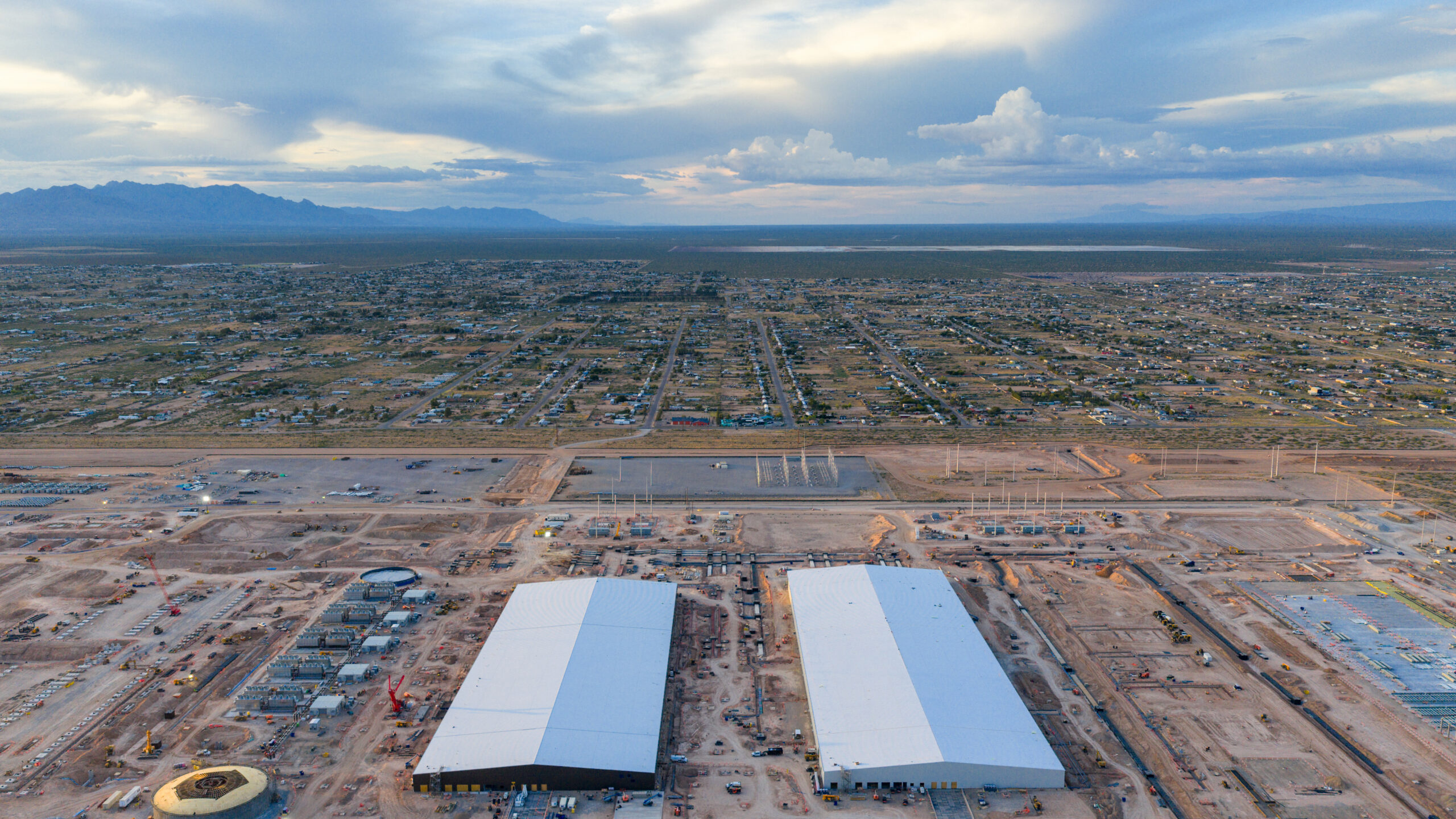
The sector has evolved over the past three years, Gimber noted, with data centers, communications networks, renewables and energy storage accounting for a growing share of investment alongside traditional assets such as transport and utilities, helping support returns.
Power generation has been a standout, returning almost 40% a year over that period and 60% in the past year, according to JPMAM's 2027 Investment Outlook, published on Nov. 16.
Defense and energy security concerns, coupled with the rise of AI, are also accelerating Europe's push for greater self-sufficiency — and the infrastructure needed to support it.
"Infrastructure assets today are well geared to some of these stronger spending pushes," Gimber told media, including CNBC, at a recent macro outlook roundtable Nov. 12. "You have much more coming from digital, you have much more coming from renewables, and these tie in much better, particularly in Europe, to the self-sufficiency push that we see underway."
JPMAM said a lasting resolution to the Middle East conflict could help ease inflationary pressures on economies next year. But if price pressures prove more persistent, infrastructure bets could also offer greater portfolio protection for investors.
Karen Ward, managing director and EMEA chief market strategist at JPMAM, said renewed escalation in the conflict could push inflation higher, potentially triggering simultaneous falls in stocks and bonds.
That risk strengthens the case for alternatives that can cushion portfolios against inflation shocks, she added. In an economy powered by higher spending, investors need protection against both recession and inflation — underscoring the need for a larger long-term allocation to alternatives, Ward said.