You have reached your maximum number of saved items.
Remove items from your saved list to add more.
You've used all of your gift articles. 3 more will become available on the 1st of every month.
I fell asleep last night with tears in my eyes after landing in Sydney from Antalya listening to the closing plenary session of COP31 . Saudi Arabia accusing the whole process of greenwashing, the EU sorrowful at the lack of support for poorer nations feeling the devastation of climate events, party after party rejecting the best of what we could negotiate because, fundamentally, it did not do what we were all sent there to do.
Over the past two weeks in Turkey I felt like I was in a simulation. Thousands of people moving through a purpose-built exhibition space, sleepwalking towards their, towards our, own demise. I spent much of COP lamenting the fact so many had gathered to try save the planet while a great portion seemed to be there trying to figure out how to design policy so they could make money from its decay.
We talk about overshoot like it’s a natural phenomenon. Something that is happening to us rather than what we are doing, and have done, to this planet. We discuss pathways and targets and the economic implications of exceeding 1.5 degrees as though they are abstract concepts, rather than the consequences of decisions we have made and continue to make. And the most horrific of those consequences will be felt by people who have done the least to bring us here.
I wonder how many people attending COP have spent the last year genuinely afraid for their lives, or the lives of their kin, because of climate change. How many have watched the places that hold their histories and stories destroyed? How many will return from these negotiations to communities already living with the consequences of decisions (not) being made in these rooms?
For many Indigenous peoples, these are not hypothetical questions, they are questions about what is happening now. We stand here with wisdom built over thousands of years. We have lived through ice ages and maintained our cultures and traditions through your revolutions. We have known long before this conference existed that when we neglect our planet, we end up paying the price.
Indigenous peoples are among the largest collective landholders and land stewards on Earth, yet our knowledge is so often relegated to the margins during policymaking processes. We are invited to speak about our experiences, to share our stories and explain our relationships with Country. But how often does that knowledge actually inform the decisions being made? We are acknowledged in a token opening statement rather than quoted in the closing remarks for our contribution.
We cannot continue to live and govern as though the Earth’s resources are infinite. And yet, so much of what I witnessed at COP seemed to operate on that assumption. There was an extraordinary amount of discussion about how to finance the transition, how to incentivise investment and how to create the market conditions necessary for climate action. Of course we need investment. Of course we need to build new industries and energy systems. But somewhere along the way, the question of how we preserve a habitable planet seems to have become secondary to the question of how we make doing so profitable.
I see this contradiction in Australia’s energy transition. We have an extraordinary abundance of renewable energy resources and an opportunity to fundamentally change how we produce and consume energy. But much of the land required for the infrastructure that will make this possible is Aboriginal land.
We cannot repeat the mistakes of the past, where Aboriginal people have too often paid the price for energy production and security while others have enjoyed the benefits. We cannot build a new energy system on the same foundations of dispossession and exclusion that characterised the old one and then congratulate ourselves for achieving a just transition.
Indigenous peoples cannot simply be stakeholders consulted after decisions have already been made. We must be rights holders, decision-makers, partners and beneficiaries. There are Aboriginal and Torres Strait Islander communities, particularly in remote parts of the country, that still don’t enjoy the same reliability, affordability or security of energy supply that most Australians take for granted. Whole townships operating on diesel generators or pay-as-you-go electricity, where running out of credit can mean losing refrigeration and other necessities.
This has consequences for access to water, food and critical healthcare. So when we talk about energy security, I want to know: secure energy for whom? If we are investing billions in the energy systems of the future, surely we can find a way to address the inequalities that exist in the present.
These are the kinds of questions that should be central to our climate negotiations. Not simply how much carbon we can remove or how much renewable energy we can produce, but who bears the cost, who receives the benefits and who gets to decide. At some point, the ledger must be even.
We sit in these plenaries talking, knowing that we are passing the buck to our children. We know that the decisions we make now will have consequences long after we have leave these rooms, retire from our careers and pass on. That is a moral and spiritual failure on us and our generation. We have a responsibility not just to try to steer those currently in positions of power, but to represent the people of our generation who cannot be in these rooms and those who will come after us.
I am conscious that every opportunity I have had rests on somebody else surviving, protecting, teaching and making room. The people who came before me maintained their cultures, cared for Country and fought to ensure that there would be something left for me to inherit. That is the weight beneath so much of what I do. Not a burden that stops me moving, but a reason to move.
We cannot simply share things on social media and think our job is done. We cannot attend conferences, take photographs, build networks and mistake that for progress. Real progress is harder than that. It requires us to get into the room and then use the room. But it also requires those who hold power in these spaces to listen, and to be prepared to change what they are doing as a consequence.
Indigenous peoples have continued to fight for the preservation of our natural environment and the protection of biodiversity, as the people who came before us did. We understand that our responsibilities do not begin or end with our own lifetimes. We are a link in a chain. Are we going to be the generation that breaks that chain?
The measure of success at COP should not be how many people attended, how much investment was announced or how many carefully negotiated paragraphs made it into a final agreement. It should be whether the decisions made give the people who come after us a better chance of living on a habitable planet. We have to stop treating the preservation of the natural world as something that must first be made economically attractive before we are prepared to act.
My elders did not stop. I don’t intend to either. Because just as we have a responsibility to be good descendants, to honour what those who came before us protected and passed down, we have a responsibility to be good ancestors. And right now, I wonder what those who inherit this planet from us will think of the choices we are making.
We are on the precipice of an El Niño the likes of which we have never seen. Researchers estimate that an additional 450,000 people around the world could die from extreme heat associated with this weather pattern.
It seems antithetical to what it means to be human. To survive. To preserve conditions for our children and old people.
I woke up this morning in Sydney and went for a swim in the ocean. Everyone going about their day as situation normal. Then I went and got my hair done. Everyone going about their day as situation normal. And so it goes ...
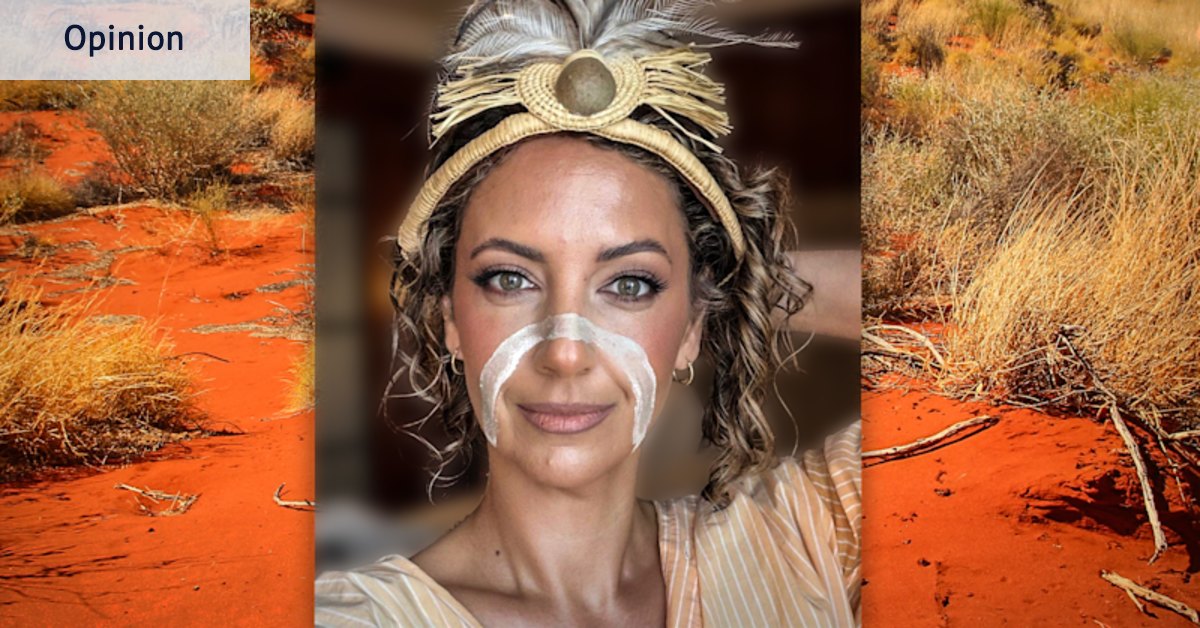
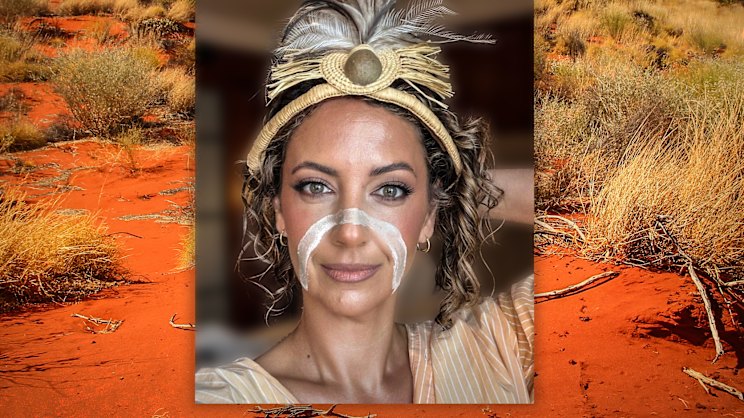
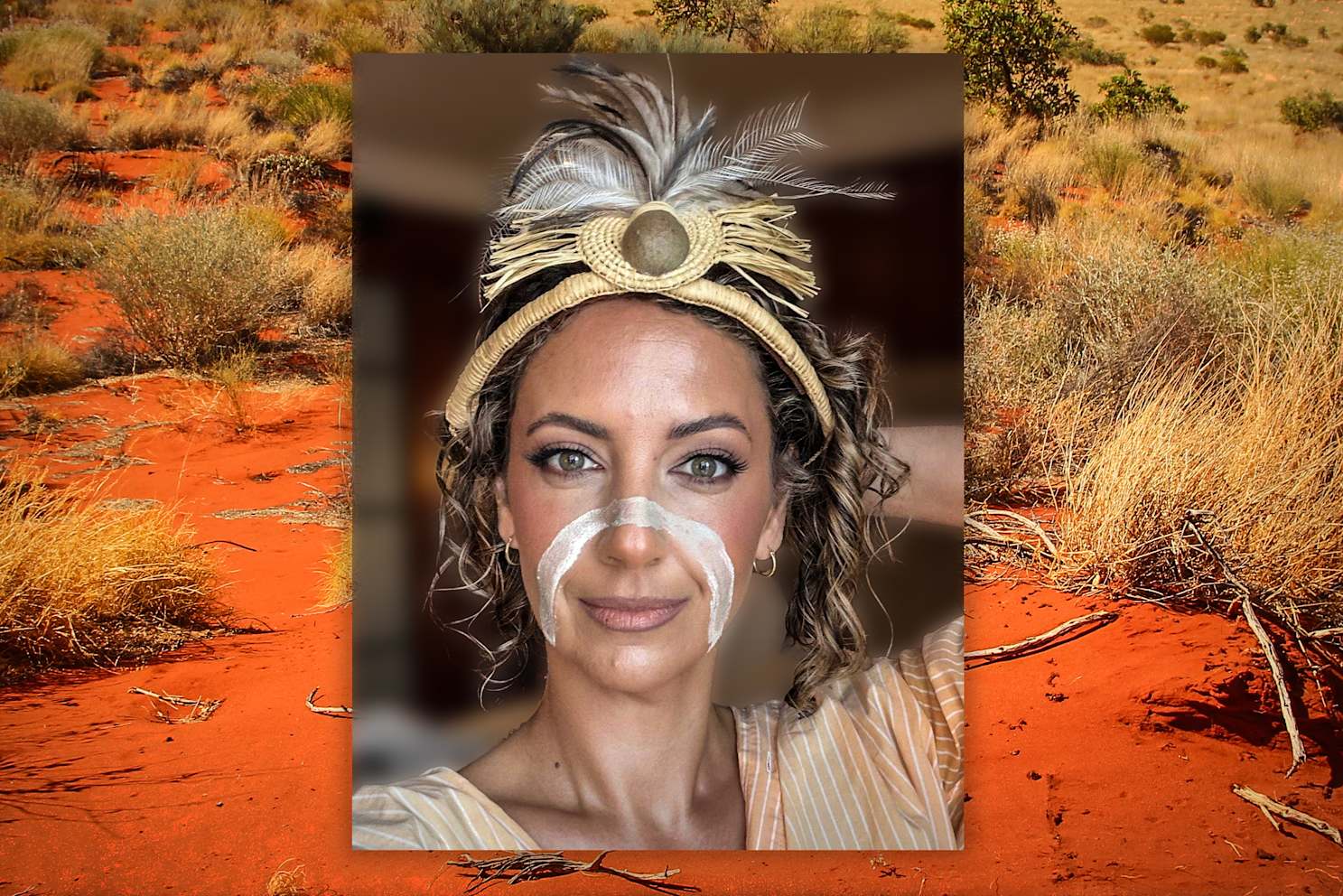
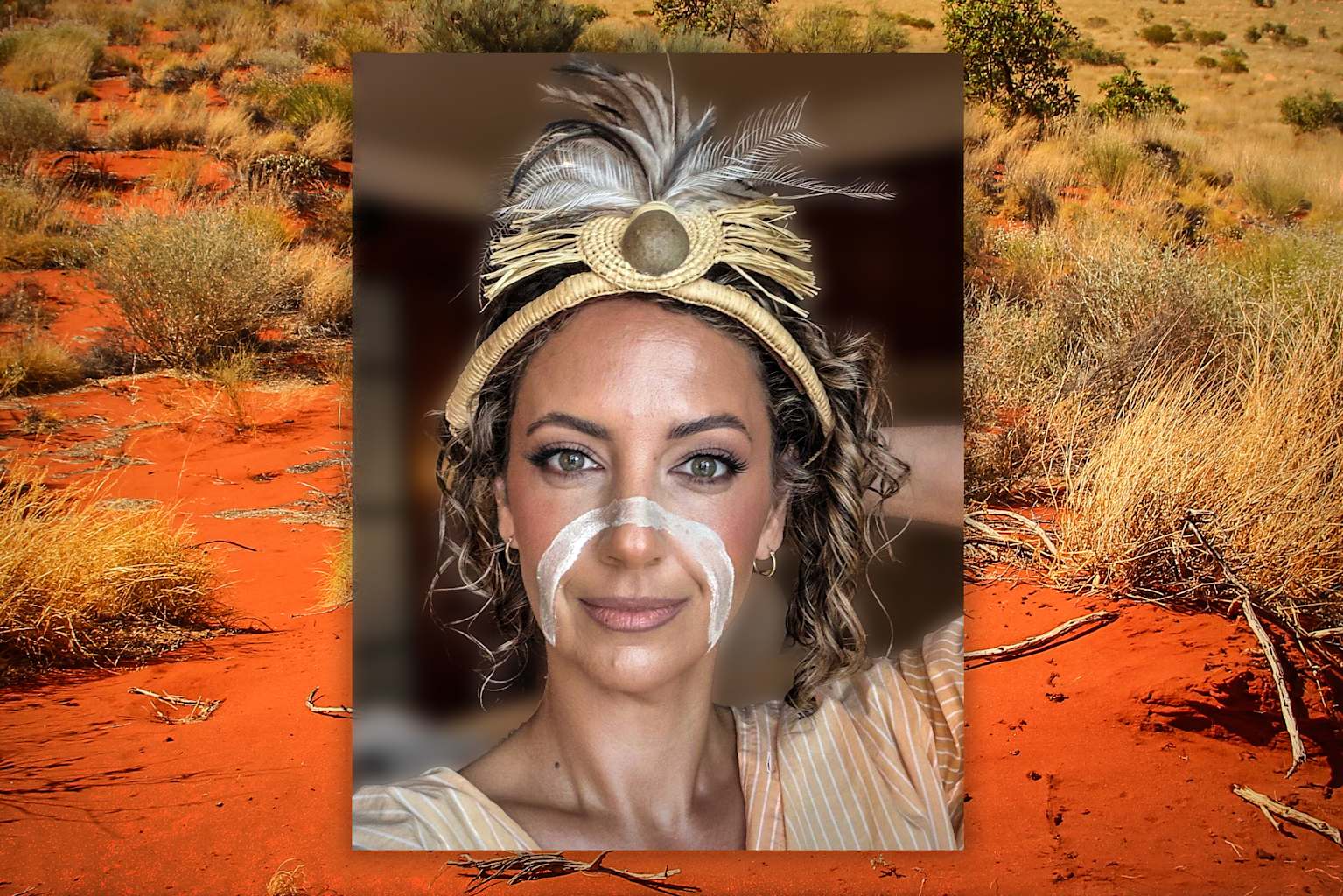
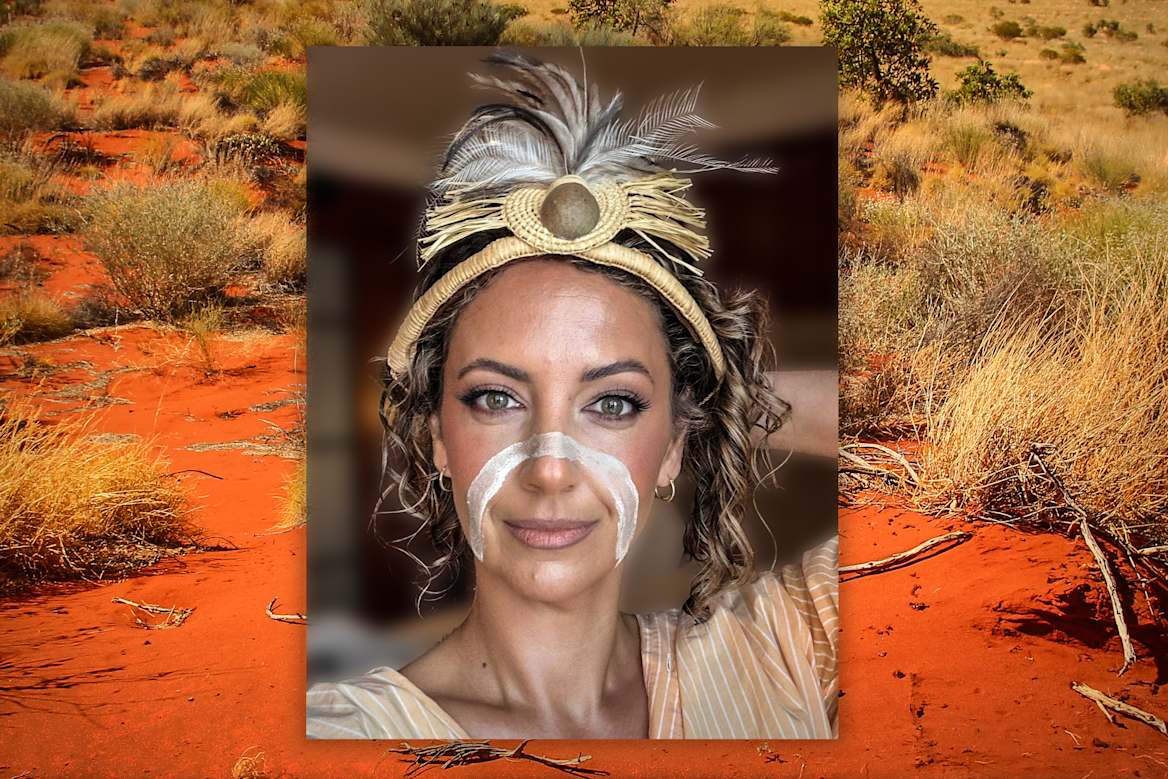
Brooke Boney is a doctoral researcher at Sydney University, a member of Oxford’s Climate Leadership Research Centre and First Nations delegate COP31. She was formerly entertainment host on Nine’s Today show, a newsreader on Triple J and political correspondent for NITV.
You have reached your maximum number of saved items.
Remove items from your saved list to add more.
You've used all of your gift articles. 3 more will become available on the 1st of every month.