You have reached your maximum number of saved items.
Remove items from your saved list to add more.
You've used all of your gift articles. 3 more will become available on the 1st of every month.
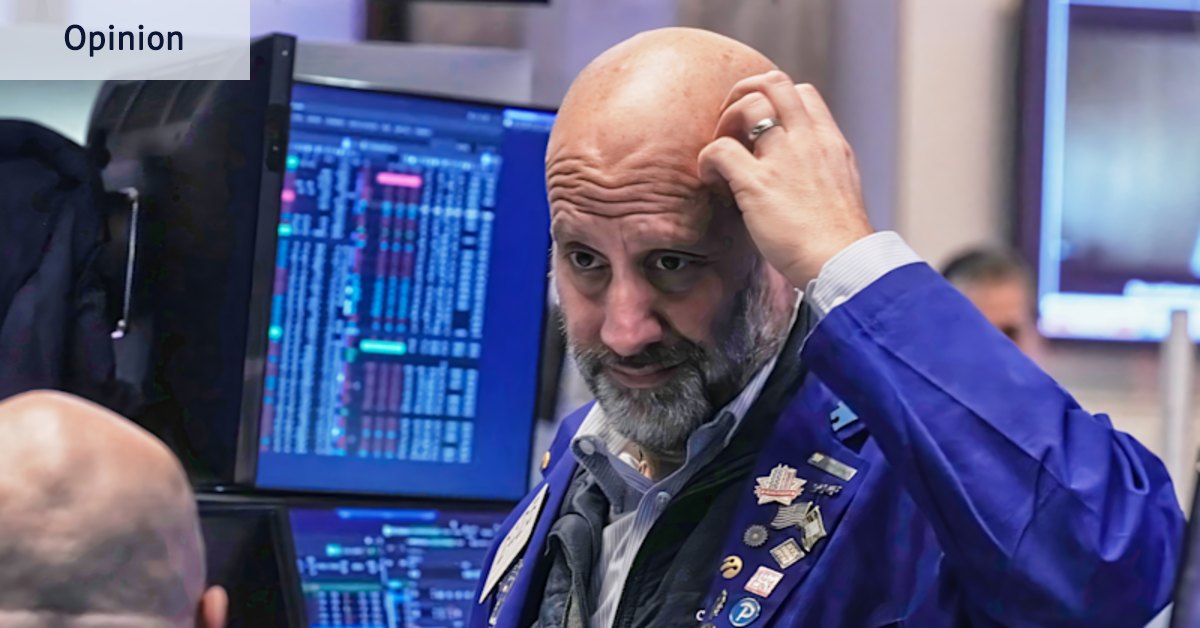
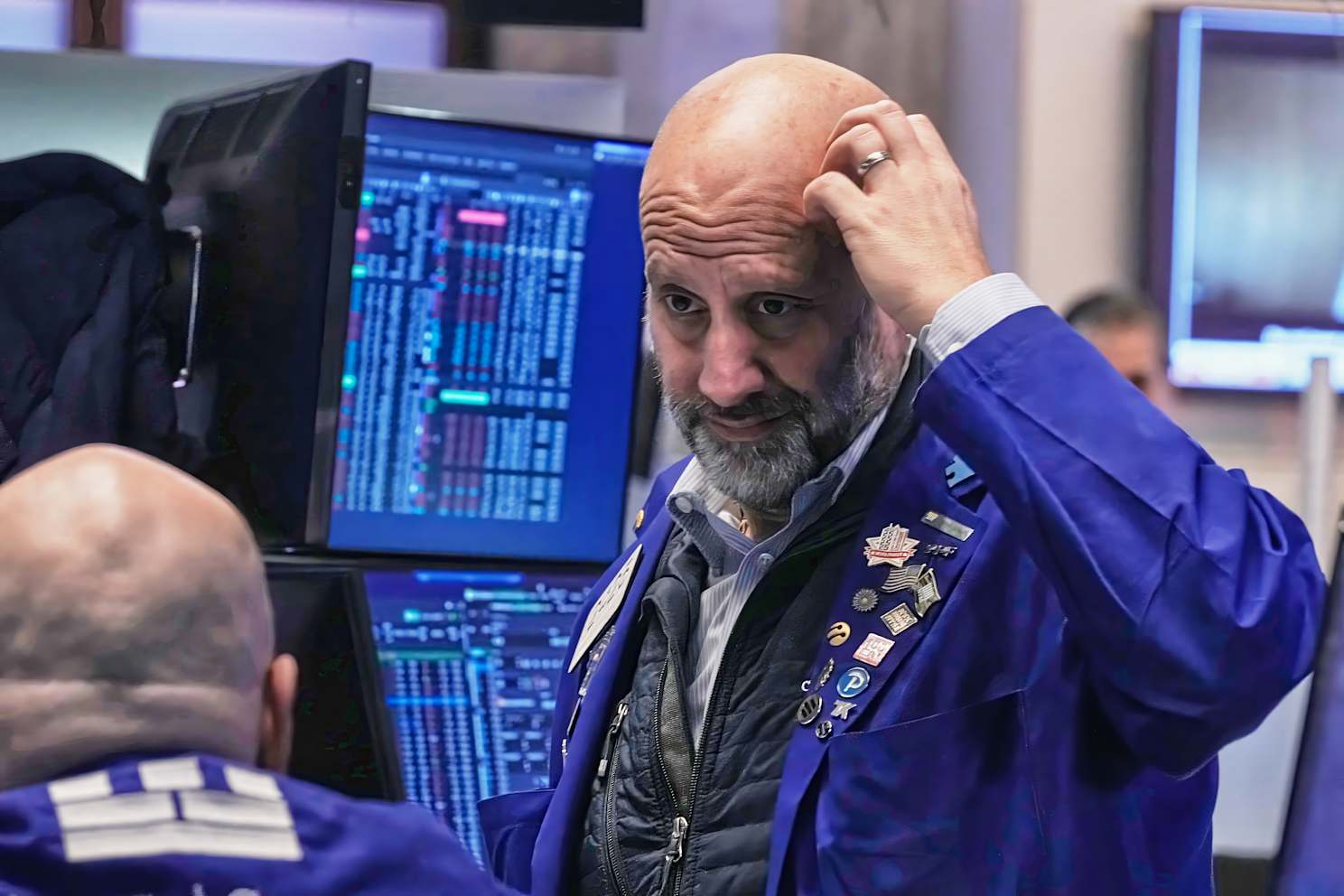
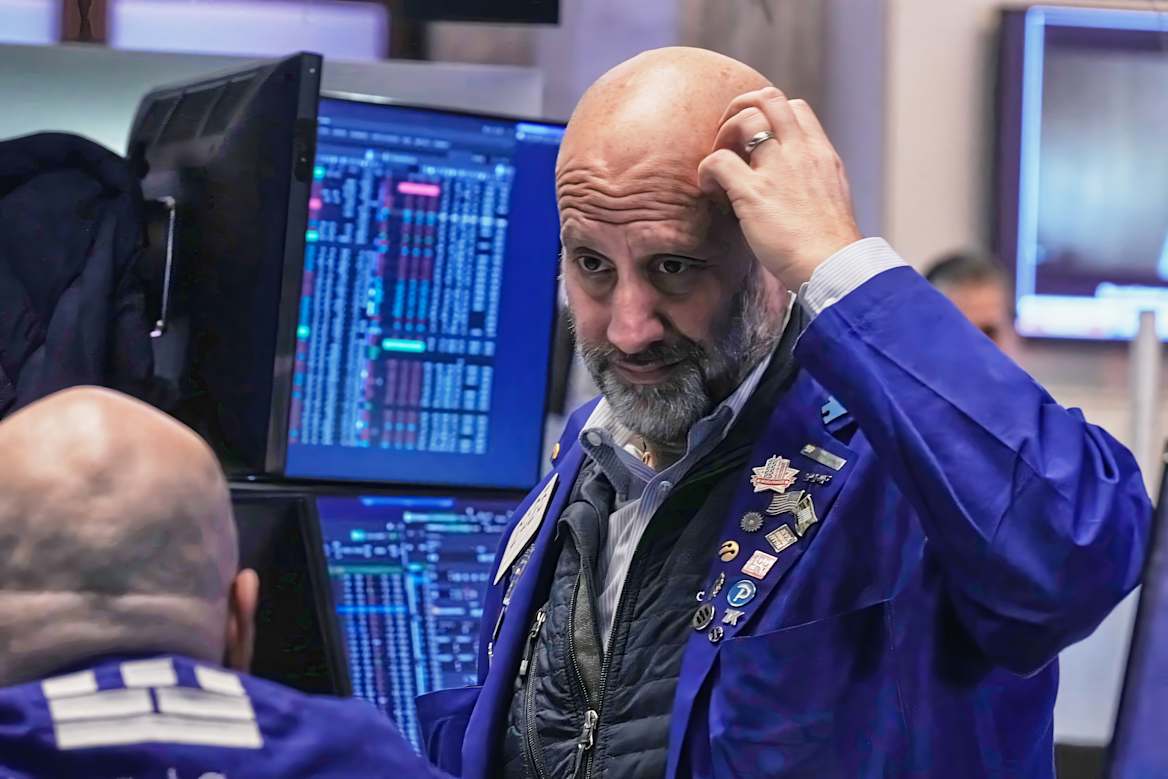
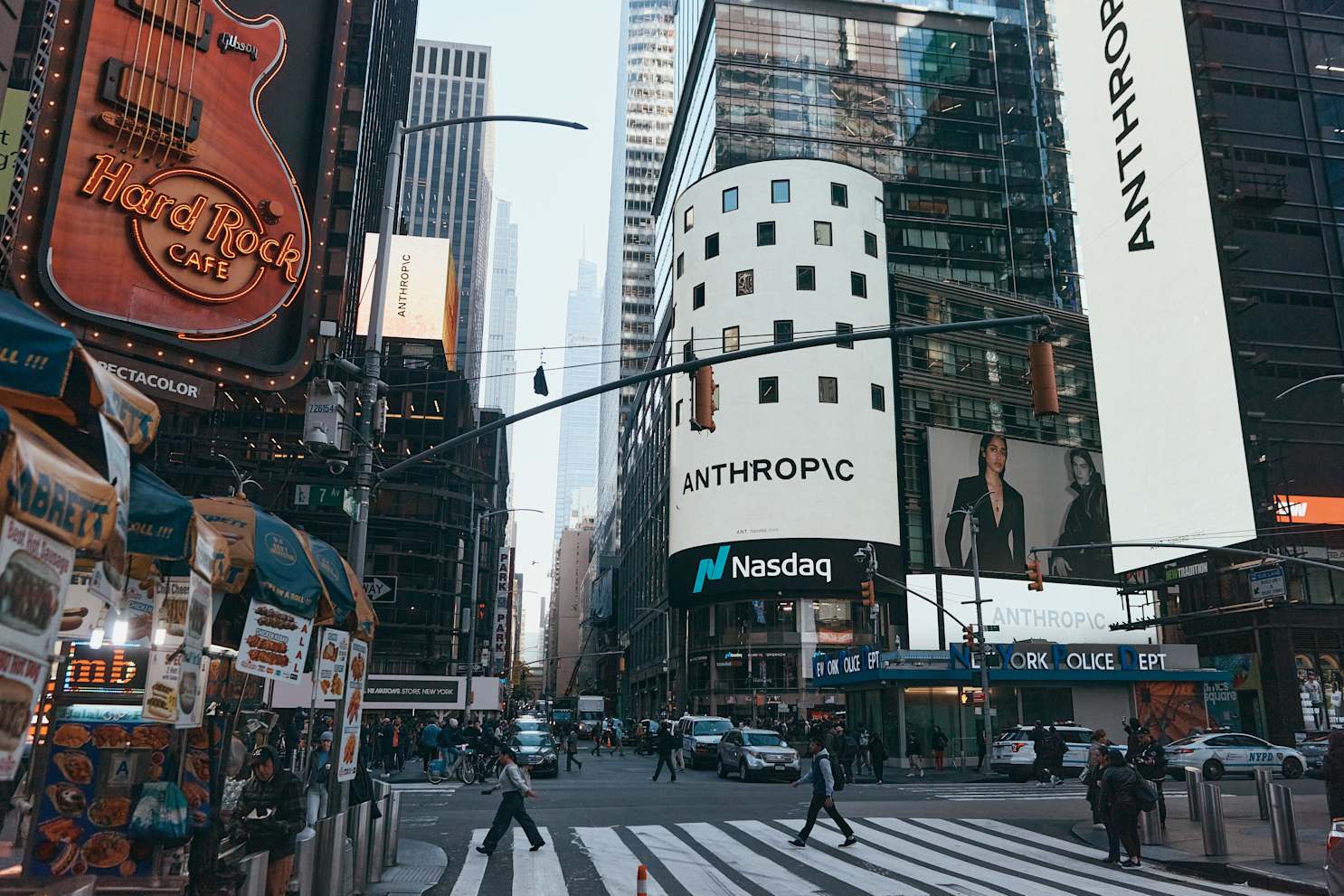
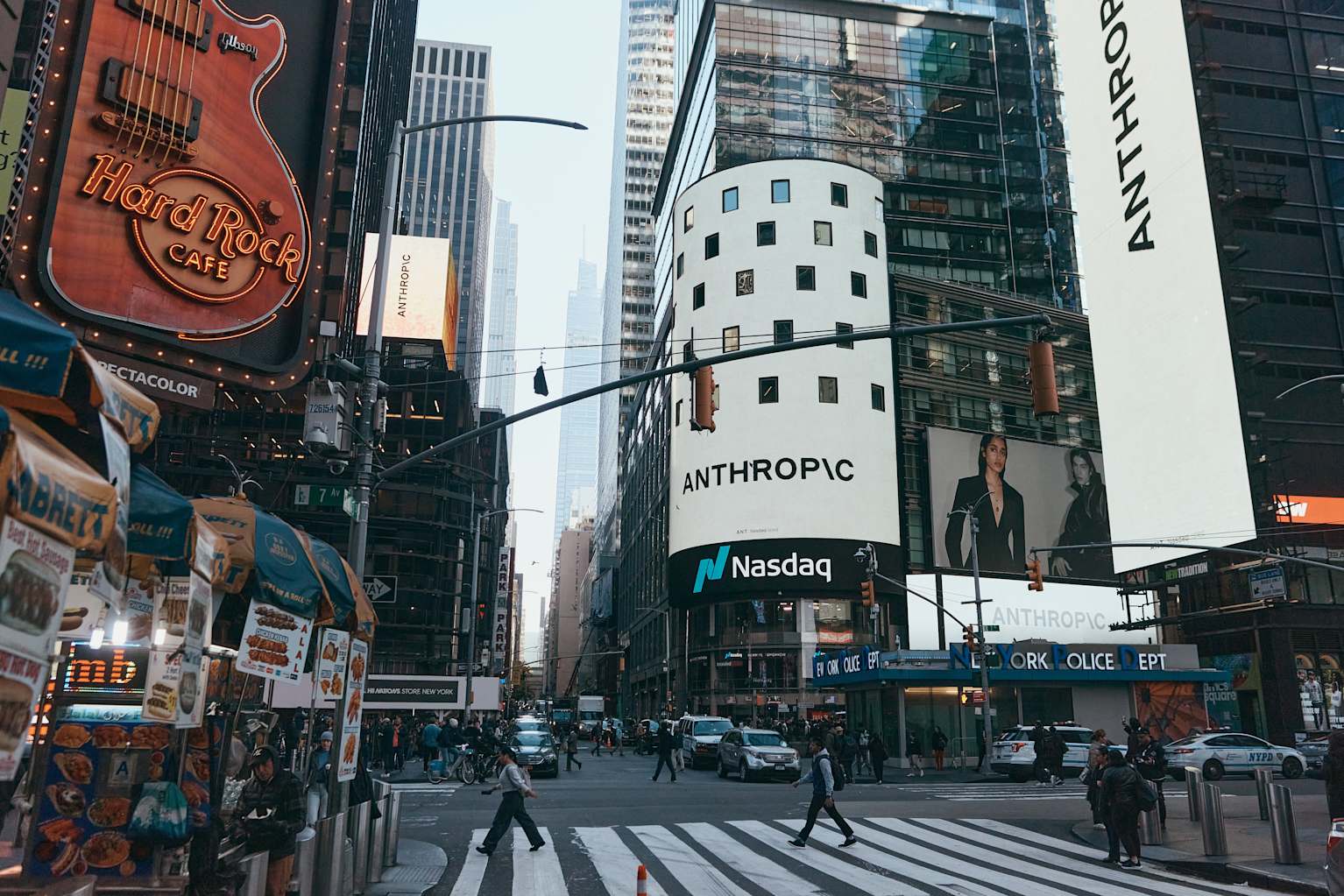
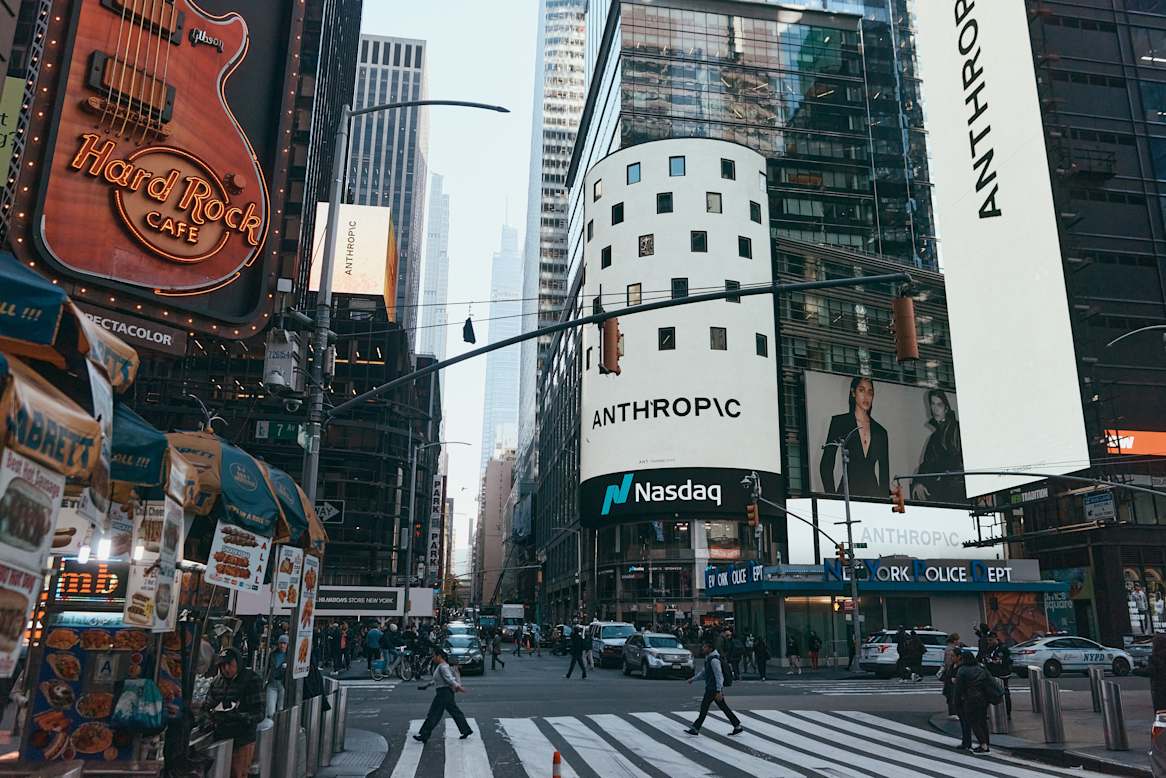
In two days at the end of last week, the US sharemarket lost 5.6 per cent of its value. The sell-off coincided with the initial public offering of Anthropic , but that may have been a contributing factor, even a catalyst, rather than the underlying cause of the market’s sudden plunge.
The value of Anthropic shares fluctuated wildly after opening on Thursday well above their issue price. The valuation on its debut of about $US1.5 trillion ($2.3 trillion) hit a peak of about $US2 trillion before collapsing. While it dropped almost to the $US83 a share prospectus price at one stage, it ended trading on Friday at $US88.91.
In effect, that volatility reflected both the unbridled optimism and the increasing scepticism about the sustainability of the AI boom and the extraordinary valuations that had been assigned to its key players.
The friction between the opposing views was observable in the way the markets performed on Thursday and Friday and was most noticeable in the 7.2 per cent crash in the value of the tech-laden Nasdaq index. The blue chip end of the tech sector, the “Magnificent Seven” stocks, was down nearly 8 per cent.
As an indicator of how volatile market conditions were, the VIX index, which measures volatility (and is often referred to as the “fear” index), spiked to levels last seen in April last year, when US President Donald Trump unveiled his “Liberation Day” tariffs.
While the Anthropic IPO, which sucked about $US120 billion of capital out of a market that has increasingly appeared satiated with AI exposures might have been a contributing factor to the volatility – those buying Anthropic may have been selling other AI-related stocks – the sell-off reflected an acceleration of a trend that has been developing over time.
The peak of AI valuations – and the overall market – was reached in early October. Since then, the S&P 500 has plunged more than 11 per cent and the Nasdaq index about 18 per cent.
The Anthropic float, and the intensifying controversies surrounding Nvidia that forced Jensen Huang to resign a week earlier may have generated a gut-wrenching moment last week, but the slow leaking of what many worried might be an AI bubble started some time ago.
Indeed, the Philadelphia Semiconductor index, which includes the stocks producing the chips that are driving AI development, which had soared nearly 400 per cent since OpenAI released its ChatGPT AI chatbot in November 2022, began deflating about three months ago. From its peak in August it has lost nearly 40 per cent of its value.
Shares in the leading neoclouds like CoreWeave and Nebius began falling even earlier, and are now down more than 70 per cent since their peaks this year.
Nvidia shares may have fallen nearly 28 per cent since Huang’s downfall, but that accounts for only about 40 per cent of the fall in the shares since their peak this year.
A developing concern about the sustainability and vulnerability of the financing of AI has been a significant factor in the way the market for AI-related stocks has developed this year.
The numbers are huge, even in the context of the US equity and debt markets.
The hyperscalers alone are now expected to spend almost $US800 billion this year and closer to $US1.2 trillion next year.
Even the biggest and most profitable tech companies in the world are spending more than they generate in cashflow and being forced to borrow and raise new equity even as the returns from that capital appear to be retreating ever further into the distance.
There were concerns about Nvidia even before Jensen Huang found himself caught up in a sex and chip-smuggling scandal, given that it sits at the centre of a convoluted web of circular financings, using its cash flows and balance sheet to provide vendor finance to customers that couldn’t get access to affordable finance elsewhere.
The structure and complexity – and vulnerability – of those financings, along with the accounting treatment used to record them, were being met with increasing cynicism by investors and analysts amid concerns that they could implode.
Trump, of course, blames the Democrats (for once he isn’t blaming Joe Biden) and their “rather strange win” at the midterm elections for what happened last week, writing on Truth Social that the plunge was “100% due to the fact that the Democrats are “BAD” due to their Anti Growth, and Retribution Only, Policies, and worse”.
Leaving aside the reality that the share prices of the companies driving the boom in AI investment were already retreating before the elections, it’s not the Democrats he should blame, but the extraordinary level of voter opposition to the build-out of data centres, which appears to have been one of the material issues that led to the Democrats’ looming dominance of both chambers of Congress.
The Democrats won’t be as friendly to the AI tech titans or as supportive of the data centre build as a Trump administration that has been heavily influenced (and financially supported) by the Silicon Valley billionaires, but the mood at the community level was already increasingly hostile to AI and data centres and was already slowing the data centre build.
With Democrats also dominating the state-level elections, including the gubernatorial elections, it is most unlikely that data centre capacity will grow at the rate necessary to support the ambitions of the hyperscalers and frontier labs and the more optimistic assessments of chipmakers and other AI suppliers.
That would, by itself, have translated into – and was already translating into – a more sober reassessment of AI valuations, unwinding the gains and exerting increasing pressure on the finances of the weaker participants.
It hasn’t helped the sector that the scale of demand for funding was increasing its pricing even as the Federal Reserve Board was doing its bit to increase interest rates, and put a dampener on equity prices, by raising US interest rates.
With one rate rise in this cycle, at its September meeting, Fed governors have been foreshadowing another 25 basis point increase, or even a 50 basis point rise, at their meeting early next month (although, after the events of last week, interest rate futures market pricing saw the previous probability of a full percentage point of rate rises next year halved).
In any event, once the likelihood of a Fed rate rise, or two, was layered over a sharp increase in the risk premium being demanded by lenders to even investment grade AI-related issuers, the cost of credit for the sector has been spiking, with implications for the already-stretched economics of AI.
At some point, in return for the massive amounts of capital flowing in to the sector – and out of other, less risky and volatile exposures – investors want to see appropriate returns for the risk.
The Anthropic IPO and the extraordinary amount of capital it attracted and diverted from elsewhere in the markets may be the moment when the market shifted decisively from a willingness to supply capital to AI companies, regardless of price, to one that is more discriminating and one that better reflects an environment in which the demand for capital exceeds the ability or willingness of the markets to supply it as indiscriminately as it has to date.
That would be – it might be – a dangerous moment for markets and their investors.
If there’s now a finite amount of capital available for AI and investors have shifted from their “all things AI” approach to one that seeks to identify those that might ultimately be successful, the weaker players and financing structures would be stress-tested and the odds on something akin to the implosion of the dotcom and telco bubble in 2000 would shorten.
The Market Recap newsletter is a wrap of the day’s trading. Get it each weekday afternoon .
You have reached your maximum number of saved items.
Remove items from your saved list to add more.
You've used all of your gift articles. 3 more will become available on the 1st of every month.