



You have reached your maximum number of saved items.
Remove items from your saved list to add more.
You've used all of your gift articles. 3 more will become available on the 1st of every month.
Being paid superannuation is a fundamental workplace right in Australia, but there’s one group of workers who don’t receive it.
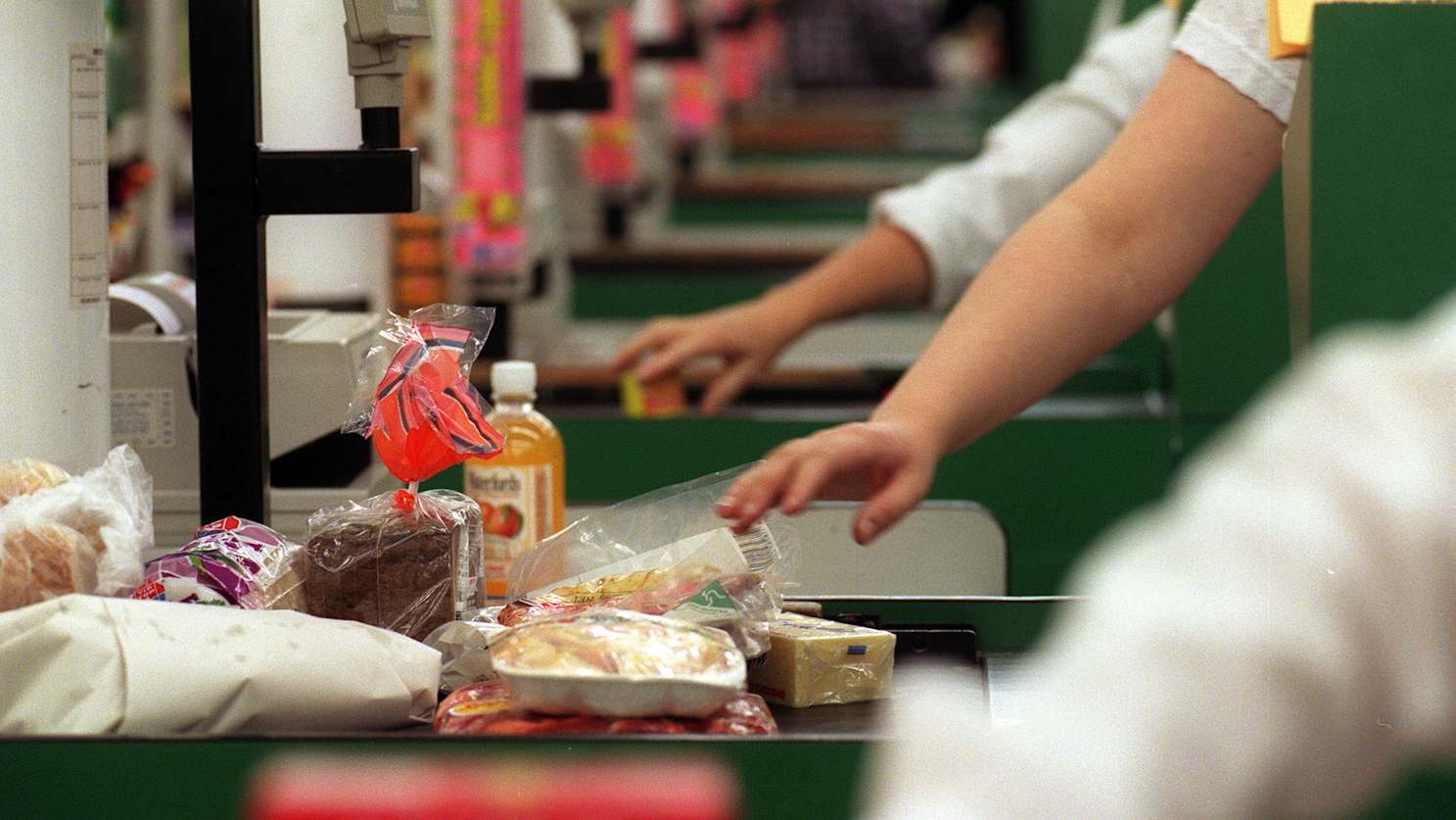
Staff younger than 18 who work less than 30 hours a week aren’t entitled to super contributions under the law, and that’s been the case since our compulsory retirement system began in the 1990s.
Should we change this apparent inequity, or would that make employers less likely to hire younger workers? This question is being thrashed out by politicians, business groups and unions as a parliamentary inquiry probes a Greens-led push for change.
The battle has divided along the lines you’d expect. Unions, super funds and the Greens want this changed, while Labor changed its party platform to support super for under-18s regardless of hours worked this year. The moral case for change is persuasive.
However, there is stiff resistance from business groups grumbling about added cost, and we should not ignore a genuinely tough outlook for youth unemployment.
That suggests the best policy would be a gradual change to bring under-18s into the superannuation system, rather than something more sudden.
How are many under-18s excluded from super in the first place? Under a long-standing carve-out, employers don’t have to pay super for workers under 18 who work less than 30 hours a week.
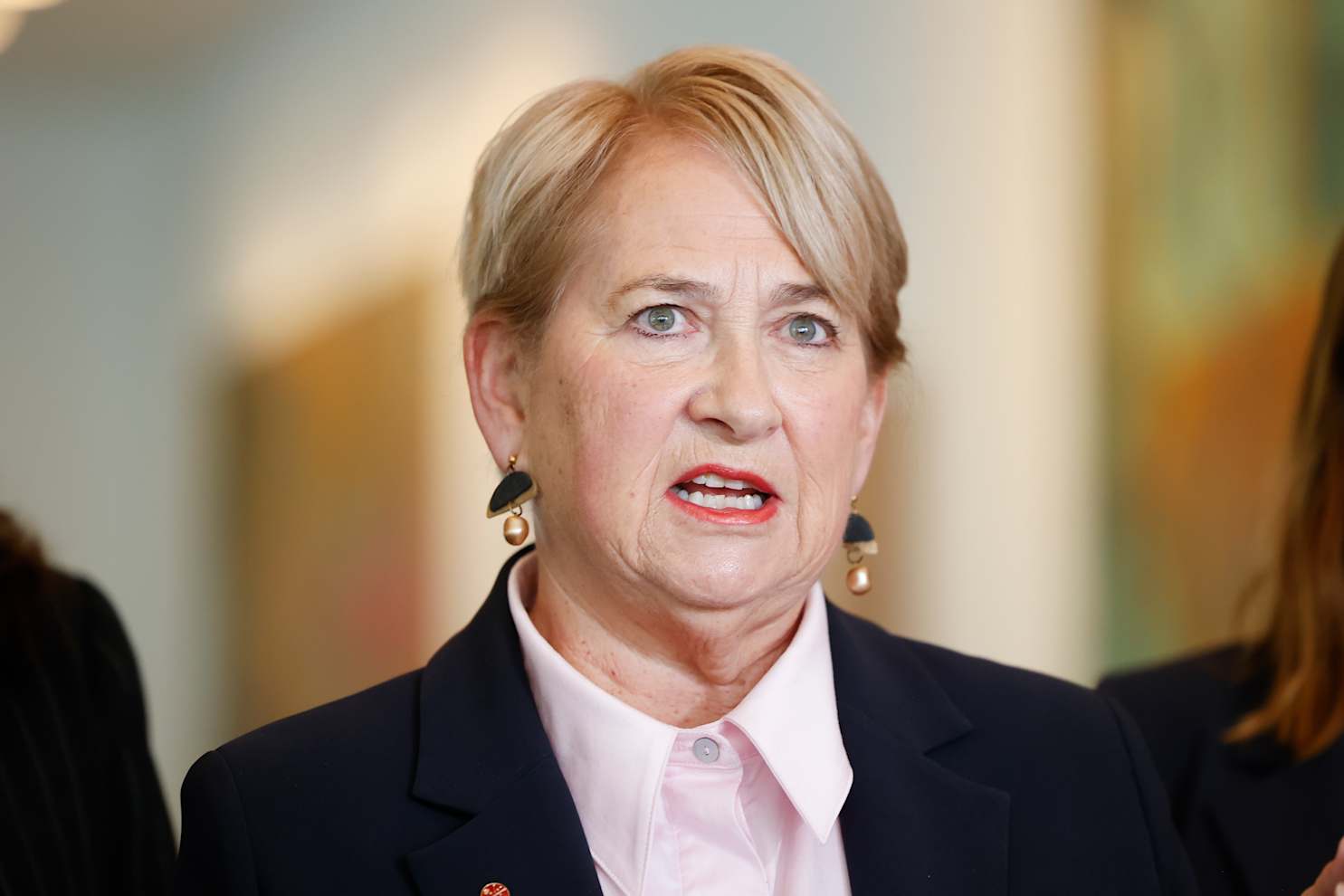
Green Senator Barbara Pocock, who has a private senator’s bill to remove this exclusion, says that when compulsory super was introduced in the 1990s, this carve-out was justified on the basis that small balances would be eaten up by fees and insurance premiums.
But that’s less of an issue these days because there are fee caps on low-balance accounts, and insurance premiums are no longer automatically deducted from young workers’ accounts.
Pocock has said the current situation is “clear case of legislated age-based discrimination that no longer has any defensible policy rationale”.
“Every year, 530,000 young teenage workers are denied the astonishing sum of $411 million in super for no reason other than their age,” Pocock said this year.
While Labor changed its party platform this year to support super contributions for under-18s, it’s not clear exactly what this might mean for the federal government’s position. Assistant Treasurer Daniel Mulino has said he supports the change, but it’s a matter of when.
Kevin Hogan, the Coalition’s shadow minister for financial services, says the timing of such a change would be “terrible” because the small businesses that employ many young people are already struggling with higher costs.
“If Labor is serious about helping young Australians, they should ask the Productivity Commission to look at what this change would mean for youth employment, small businesses and retirement outcomes before rushing ahead,” Hogan says.
The case for change is one of equality. Why should the many younger workers in sectors such hospitality or retail miss out on a workplace entitlement that their older peers receive?
The Super Members’ Council, which represents funds, has said typical teenager who works for two years might accumulate $2000 in super by their 18th birthday and that extra money could be worth $10,000 by the time they retire.
Against this, however, we can’t ignore the reality that part of the attraction for bosses in employing young people is that they are generally cheaper. Employment regulations allow this, on the basis that it’s worthwhile to get your first job and have some experience in the labour market, even if you’re getting paid less than others.
Big employers of young people are warning that requiring them to pay super to under-18s would make them less likely to hire them in the first place.
The Australian Retail Council, for example, has claimed of “unintended consequences” of anything that makes it more expensive to hire young people (as mandatory super for this cohort could do).
Retailers that employ many young people are also going to absorb a lift in their labour costs after the Fair Work Commission this year ruled people aged 18 to 20 in sectors such as fast food and retail should be paid the same as their older colleagues.
Would forcing bosses to make super contributions for under-18s really make them less likely to employ youngsters?
Economists in the past have looked into who really pays for super contributions – the employer or the worker? The Grattan Institute has previously found workers ultimately pay for the bulk of super through lower-than-otherwise wages, for example.
But all the same, it’s likely that requiring bosses to pay super for under-18s would at least in the short term affect their hiring decisions. That means we can’t ignore the business groups’ warnings entirely.
That’s especially the case at a time when youth unemployment has shot up lately, and there’s a real worry about how artificial intelligence could harm the job prospects of more junior (and younger) workers.
Figures last week showed youth unemployment, which covers 15 to 24-year-olds, rose to 11.3 per cent last month, up from 11.1 per cent. It’s the highest since 2021, and well over double the unemployment rate of 4.9 per cent across the wider population.
A possible reason for this is that in tougher times, businesses are more reluctant to bring on new starters, which has an outsized effect on younger people.
Now, saying “it’s not a good time” is not a reason to prevent worthwhile policy changes indefinitely. And it’s not a reason to continue with a two-tier system that excludes hundreds of thousands of younger people from receiving super.
However, the potential impact on hiring decisions can’t be ignored, and nor can the worrying rise in youth unemployment. All of that suggests this should be a gradual change, just as mandatory super contributions have been slowly increased over several years for other workers in the past.
The Business Briefing newsletter delivers major stories, exclusive coverage and expert opinion. Sign up to get it every weekday morning .
You have reached your maximum number of saved items.
Remove items from your saved list to add more.
You've used all of your gift articles. 3 more will become available on the 1st of every month.