Authorities will struggle to lock up racists, misogynists and conspiracy theorists plotting violent acts unless the September 11-era terrorism definition is overhauled to reflect the murky ideologies driving modern extremism, the nation’s national security watchdog has warned.
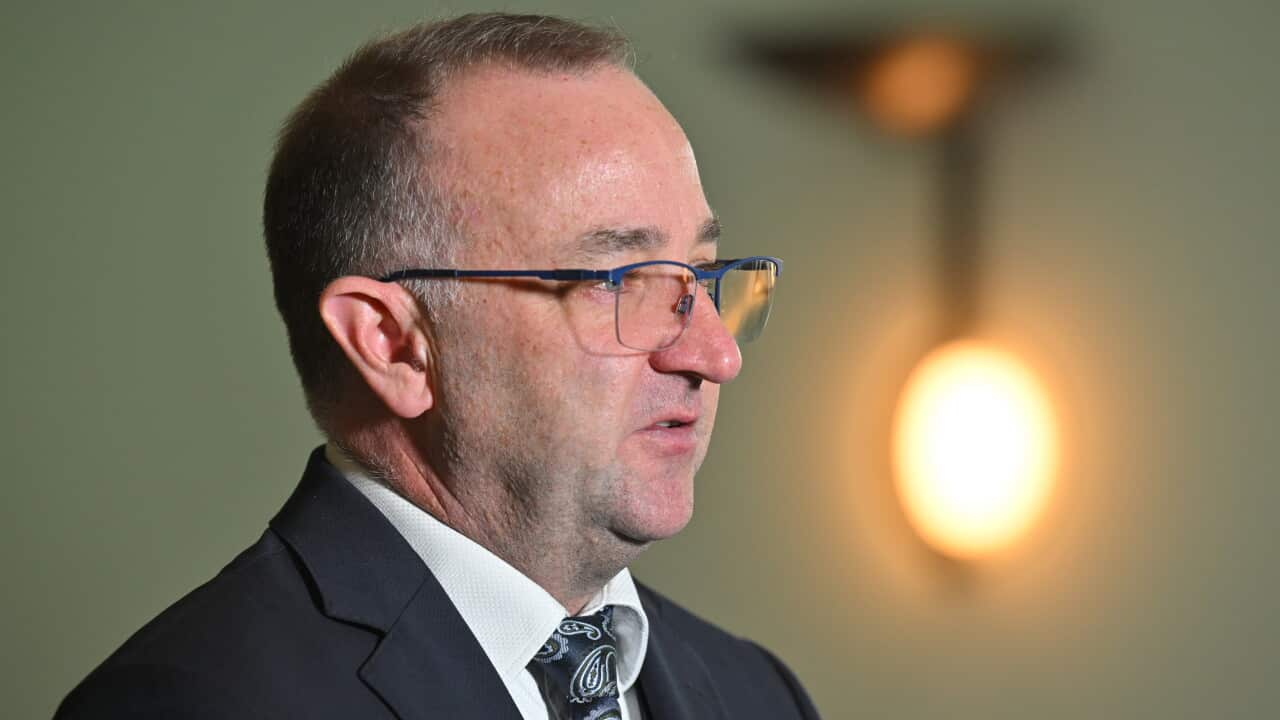
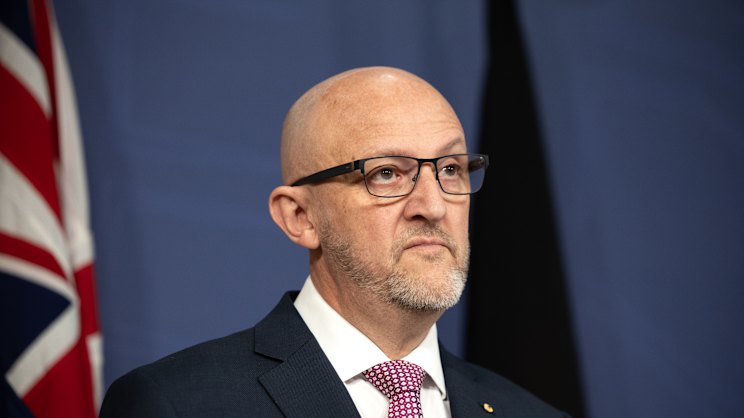
Independent National Security Legislation Monitor Jake Blight is calling for the government to s trip an explicit reference to religion from the national terrorism definition, a move he says will improve social cohesion and deprive radical groups such as the Islamic State (IS) of a misplaced sense of legitimacy.
Attorney-General Michelle Rowland said the government would consider the findings of the monitor’s 400-page report, but senior ministers, spy agency ASIO and the Australian Federal Police have resisted the idea of changing the current terror definition.
The release of the report came as police and intelligence agencies charged a Sydney man with terror offences after allegedly finding IS-inspired extremism material in his possession in a series of early-morning raids on Friday.
“A different definition will make it easier to frame prosecutions and have a common test for juries, judges, and police,” Blight told this masthead.
“Ideology is one of those words that if it’s not defined, no one’s quite sure what it means. Many members of the public have a 10- to 20-year-old view of terrorism.”
Lawyer Rita Jabri Markwell, who co-ordinated a submission to the review from 15 Australian-Muslim associations, said the current definition had directly led to increasing rates of hatred directed at Muslims.
“It’s been catastrophic from a public policy perspective, and it’s also caused spectacular harm on the Muslim community.”
Markwell said she was disturbed by reports of Qurans and prayer mats being confiscated at home addresses, and being used to build terror cases.
“Our religion cannot and should not be used as evidence,” she said.
Blight’s report found that since the current definition was introduced in 2002, initial prosecutions for cases involving the use of violence to advance racist, nationalist and other ideological causes have only had a 50 per cent conviction rate compared to 84 per cent for violent acts linked to IS.
So-called “other” ideologies now account for around a third of the ASIO and AFP caseload and at least five of the nine people charged in the first seven months of this year for terrorism offences.
“I don’t think our definition is working very well for that group,” Blight said.
The Criminal Code currently defines terrorism as “an action or threat of action that intends to advance a political, religious, or ideological cause”.
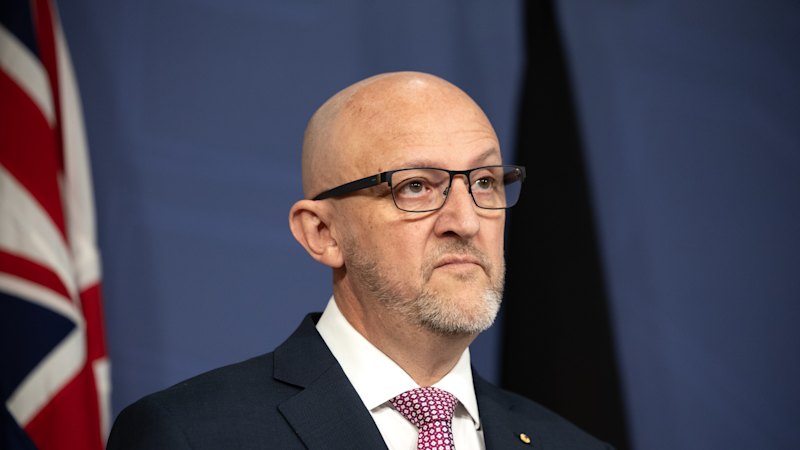
ASIO Director-General Mike Burgess has spoken about the growth of extremists “ cherry-picking seemingly antithetical ideologies to create new, hybrid beliefs ”, including fusing environmentalism and neo-Nazism.
Blight argued ideology should be defined as a “set of beliefs or ideas, that may or may not be coherent, that relate to how the world or society is, or should be, understood”, with motives related to nationalism, politics, faith, philosophy or the superiority of a particular group singled out as examples.
The religious motivation for terrorism would be subsumed under ideology in the new proposed definition.
“Requiring proof that an act was intended to advance a religious cause glorifies and gives false credibility to offenders and stigmatises religious communities,” a summary of Blight’s report states.
“Those claiming to be acting for a religious cause will still be able to be effectively prosecuted.”
Blight said that groups such as IS “want to be seen as religious warriors, they want to be seen as doing holy work”.
“I don’t think we should give them that credibility,” he said.
Rowland said the government would provide a formal response to the report.
“The government is committed to ensuring the definition of terrorism is sufficiently broad to respond to current and future threats,” she said.
Sheikh Wesam Charkawi, an expert in countering violent extremism, said that including religion in the definition had resulted in a form of “thought-policing” emerging.
“Because terrorism has been framed as Muslim problem, what happens is that authorities will effectively police people based on what they write, read and say,” he said.
“In reality, this doesn’t make anyone safer. It actually erodes trust. It misdirects counterterrorism away from the real drivers of violence,” Charkawi said, pointing to research showing social disconnection, mental health and family background were greater indicators of violent extremism.
He said self-censorship had become rampant in the Muslim community, with everyday Muslims “thinking twice and three times before they speak” and that parents had become fearful about seeking help with everyday questions.
“There are no more safe spaces for Muslims,” he said.
Reverend Michael Stead, the Anglican bishop of South Sydney, backed Blight’s recommendations, arguing that singling out religion was redundant and de-emphasising it in favour of ideology would improve social cohesion.
Home Affairs Minister Tony Burke said earlier this year he was comfortable with the current terrorism definition and that it worked well with those used by international partners.
ASIO backed retaining the current definition, including the mention of religion.
“Obscuring such motivations could consequently risk the implementation of effective interventions or preventative actions, with potentially catastrophic consequences,” the agency warned in a submission to the review.
ASIO noted that 13 of the 16 terrorist attacks Australia had experienced since 2014 were religiously motivated, including 12 acts of Islamist violent extremism and one act of Christian violent extremism.
The AFP also defended the current definition, saying it was “clear and has been well tested in Australian courts over many years and aligns with the definitions utilised by our key international law enforcement partners”.
Cut through the noise of federal politics with news, views and expert analysis. Subscribers can sign up to our weekly Inside Politics newsletter .
You have reached your maximum number of saved items.
Remove items from your saved list to add more.
You've used all of your gift articles. 3 more will become available on the 1st of every month.