Naomi Handler has called Ireland home for two decades.
She's among the estimated 2,000 Jewish people living in the country - but has questioned her place in it over the past three years.
A mezuzah, a parchment scroll with a prayer from the Torah, common in Jewish homes, hangs by her front door. "Should I remove it?" she asks.
She is one of a number of Jews who say their experiences of life in the Republic of Ireland have changed since the war in Gaza began.
The conflict was triggered by the Hamas-led attack on southern Israel on 7 October 2023, in which about 1,200 people were killed and 251 were taken hostage.
Since then, more than 74,700 people have been killed in Israel's military response in Gaza, according to the territory's Hamas-run health ministry.
The Irish government condemned the 7 October attack - but it has been a sharp critic of Israel and is a firm supporter of a Palestinian state, independent of Israel.
Pro-Palestinian sentiment is common in Irish society too.
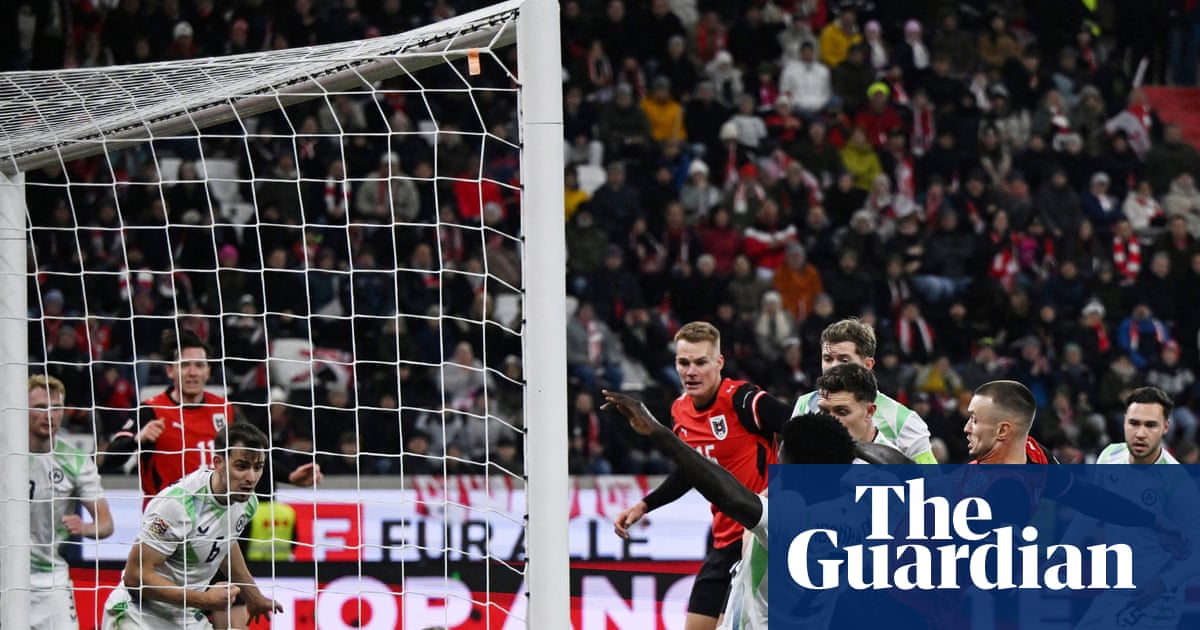
A campaign to stop the Irish international football team playing Israel; the country's public service broadcaster boycotting Eurovision due to Israel's participation; and a sell-out "Free Palestine" concert by US rapper Macklemore in Dublin are just a few examples.
Handler says there seems to be a "collective blame" of Jewish people.
"Should I stop wearing my Star of David? Should I not stop wearing the Star of David necklace? Thoughts that I never had prior to 7 October.
"Ireland was always safe. Ireland is safe. And I still feel, technically speaking, physically safe. Mentally, I'm not necessarily there."
The Irish government's response to the war in Gaza has strained diplomatic relations with Israel to breaking point and Israel closed its embassy in Dublin nearly two years ago.
Handler, who was born in Poland, says she has discussed leaving Ireland with her husband "many times".
"My husband has an American citizenship. We considered that. We considered moving to Israel.
"I think that the big conversation was: where is safe? And that's the trick question. It doesn't feel safe anywhere."
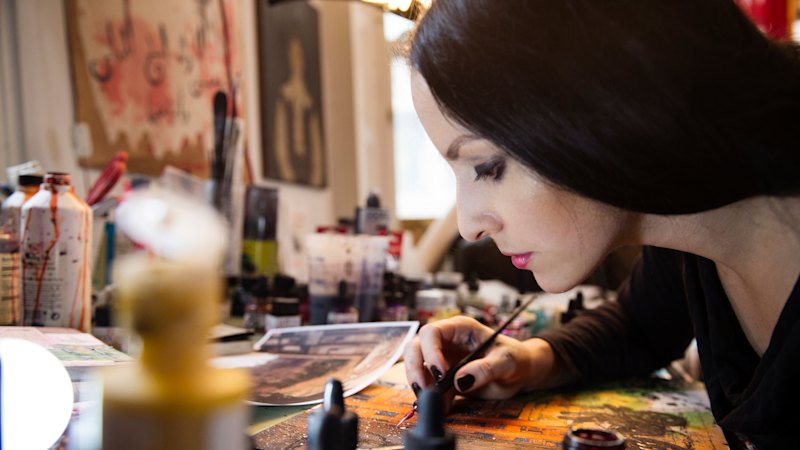
Ria Czerniak-LeBov is an Irish-Jewish artist and writer who is outspoken in her criticism of Israel's actions in the Middle East. She is a member of Jews for Palestine.
She says her views have led to her being called a traitor by some other Jewish people.
"There's a huge amount of online hate from other Jewish communities.
"You get called a kapo, just like a traitor. It's a barbaric term referencing Jews who turned on other Jews during the Holocaust. You get [called] a traitor, you get called a self-hating Jew.
"We're not a monolith - we're just as diverse as any faith or ethnic group."
Czerniak-LeBov says that, in her view, antisemitism is part of a "wider trend of xenophobia and racism".
"I have definitely faced very ignorant comments because I'm Jewish and because my dad is Israeli. I think it's possibly no worse than being any other ethnic minority."
Like Handler, Orli Degani, the chairperson of the Jewish Representative Council of Ireland, says there was a "huge shift" after 7 October.
She is a German Jew and has lived in Ireland for eight years.
"A lot of it became about people seeing us just through the fact that we were born in Israel," she says.
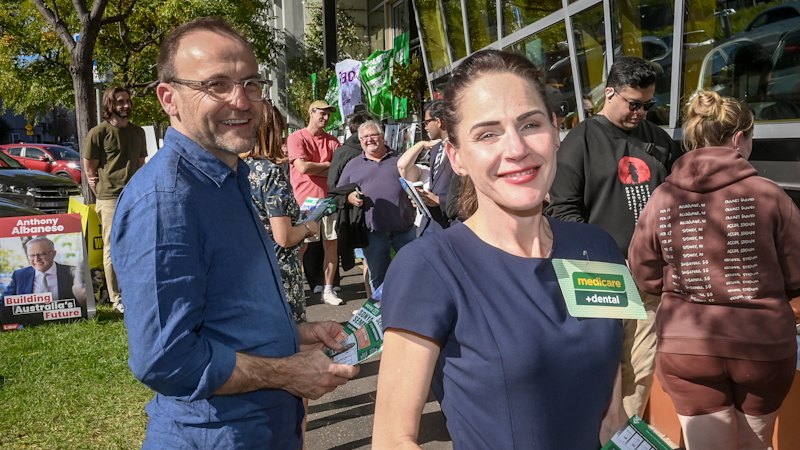
Degani was selected for the Social Democrats party in Ireland's local elections in 2024 but was dropped.
The party said it was because of her stance on Gaza. She says it's because she said at the time that Jewish people felt unwelcome in Ireland.
"I was very afraid to leave the house."
She says she received emails that included comments and claims such as "all the Jews don't belong in Ireland, get out of Ireland, you know, genocide supporters, baby killers - all of those things".
Ireland's Chief Rabbi Yoni Wieder says many people in the Jewish community feel "very disappointed" by the political climate in the country.
"They're very disappointed by rising incidents of antisemitism," he says.
"That doesn't change the overall feeling of being proud to be Irish and Jewish - but it's really noticeable."
The rabbi said he hears about incidents which people feel are directed at them simply because they are Jewish.
There have been "two or three" physical incidents against Jewish people, he says, but they "aren't common".
"It's certainly safe, in my opinion, for Jewish people to go out and about in the street with identifying features of their Jewish identity, wearing a capote, wearing a Star of David.
"Nevertheless some people do feel uneasy, uncomfortable doing that.
"I've been walking the streets and I've had people shouting at me 'Free Gaza' or 'Zionists out of Ireland', that type of thing.
"Not because they know that I'm the rabbi - just because they see my kippah."
Táiniste (Irish deputy prime minister) Simon Harris described antisemitism as a "scourge" and said he was "really concerned about its rise in Ireland".
Speaking on BBC NI programme The View , Harris, who is the leader of Fine Gael, said the Irish government was "endeavouring to support the Jewish community" through "a range of measures".
He added that the gardaí (Irish police) would "take a very strong line in ensuring that the rights, protections and safety of Jewish people are always upheld".