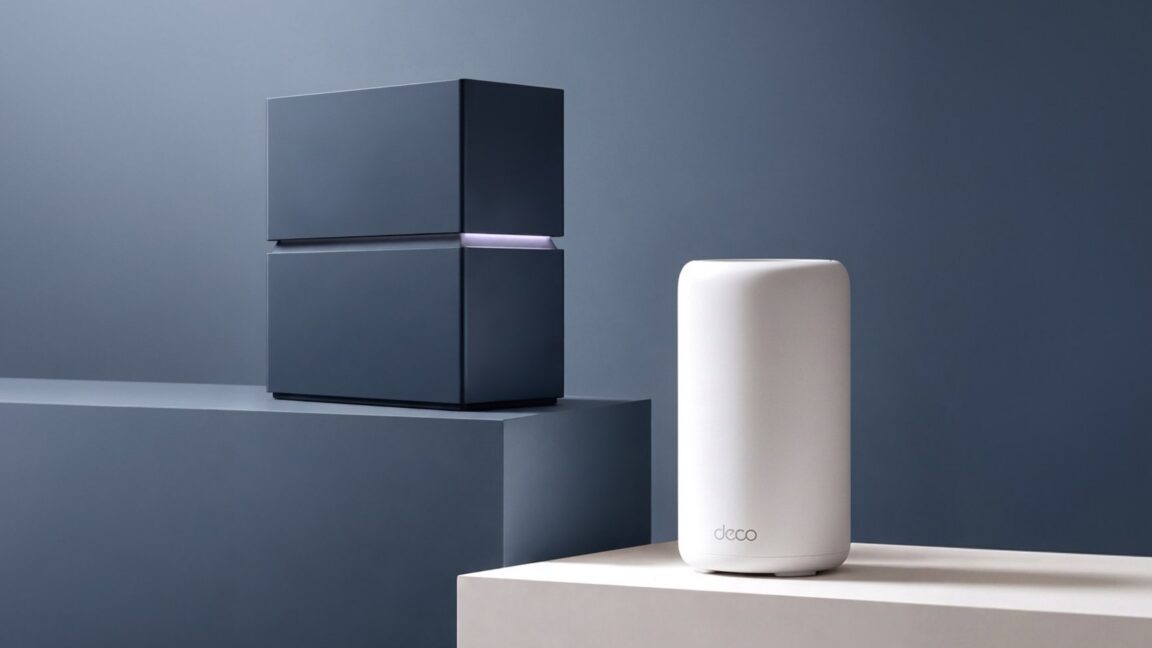
TP-Link, which may be the top provider of wireless routers for US homes and small businesses, isn’t allowed to sell its latest Wi-Fi routers in the US. The Trump administration imposed a sweeping ban on foreign-made consumer routers in March 2026, and TP-Link hasn’t been able to obtain an exemption.
The rules prevent the import or sale of all new router models that are manufactured, assembled, designed, or developed outside the US. The Trump administration has control over which router makers receive special permission to import and sell new products through a waiver-review process involving the Federal Communications Commission, the Department of Defense, and the Department of Homeland Security.
While some of its competitors have obtained exemptions to the ban, TP-Link appears to be having a hard time making its case to government officials. Its routers approved before the March 2026 ban remain available for sale in the US, but its newly released Wi-Fi 8 routers cannot be imported or sold.
TP-Link’s struggle is not much of a surprise, given its history as a Chinese company and the Trump administration’s focus on reducing reliance on Chinese and other foreign technology. While TP-Link faces political challenges related to the Trump administration’s push for on-shoring, its problems go deeper: It must convince the government its routers aren’t vulnerable to foreign hacking campaigns and that its routers are not Chinese-controlled technology, as suggested at a Congressional committee hearing last year.
TP-Link was founded in 1996 in China but has since split into two companies, with one in the US. The US-based TP-Link established California as global headquarters in October 2024, months after completing a “formal organizational separation” from the TP-Link entity in China.