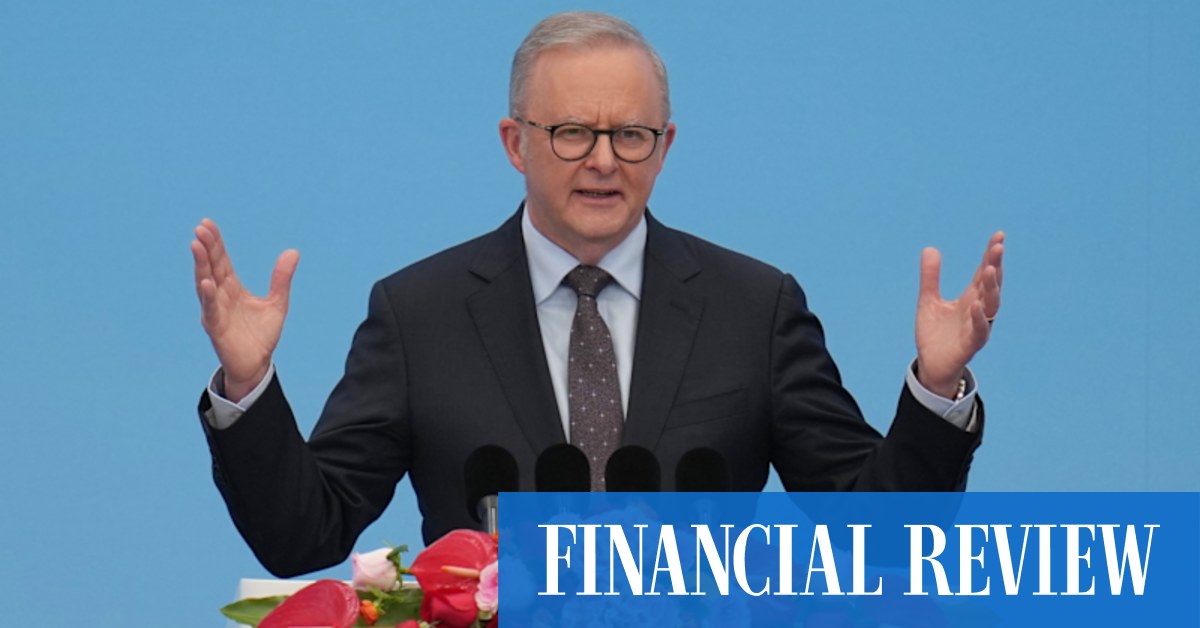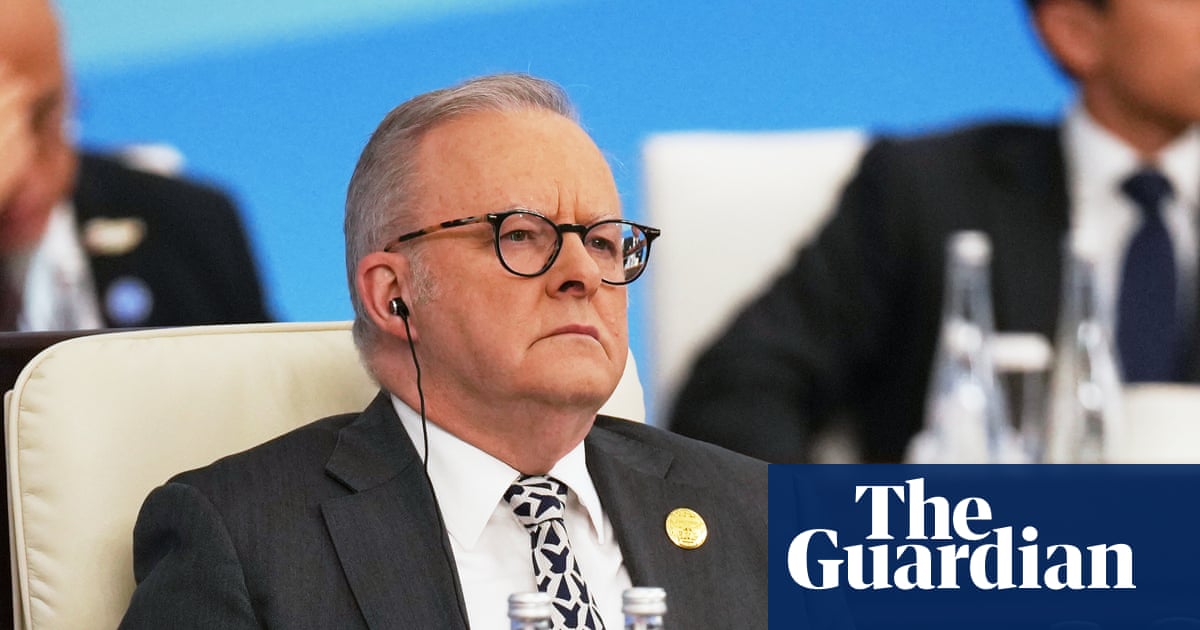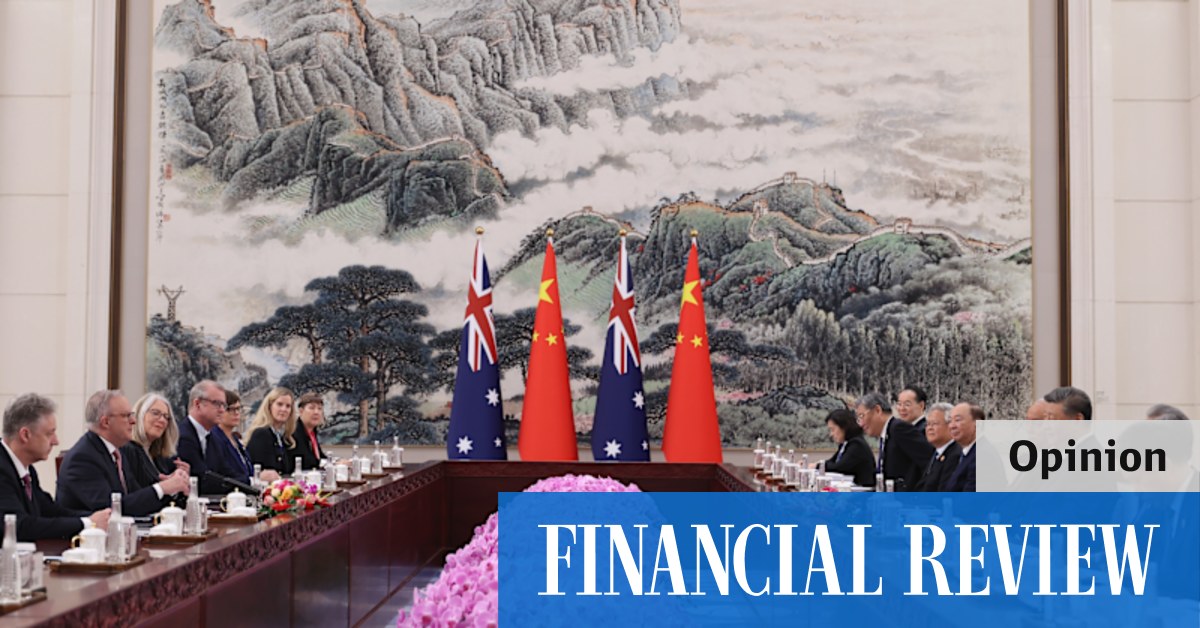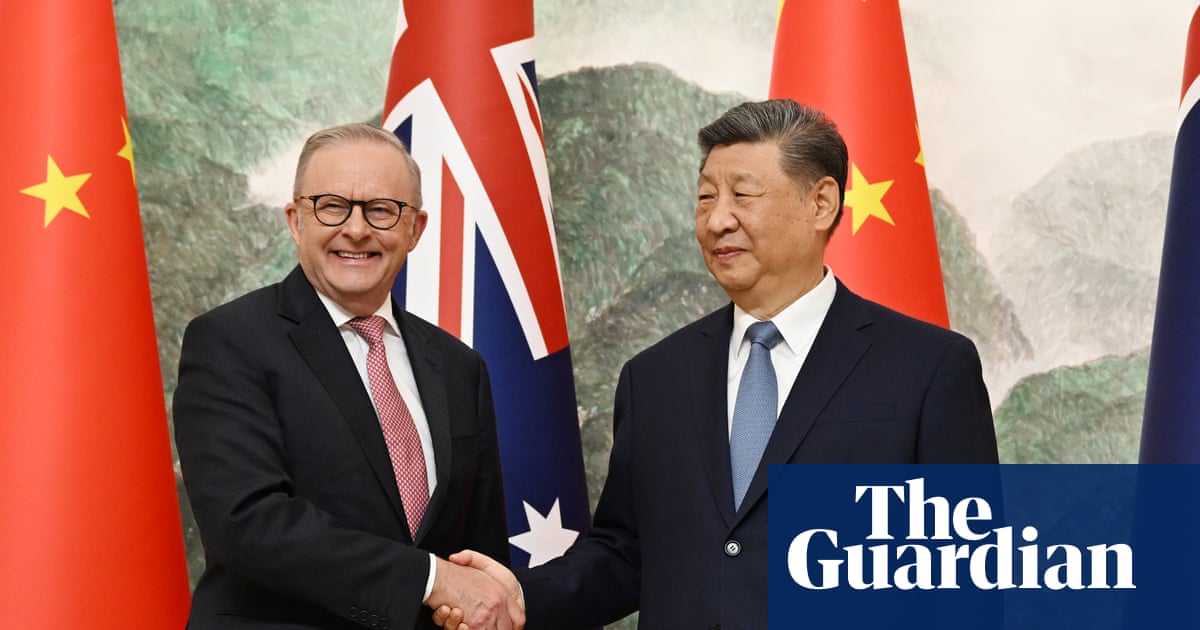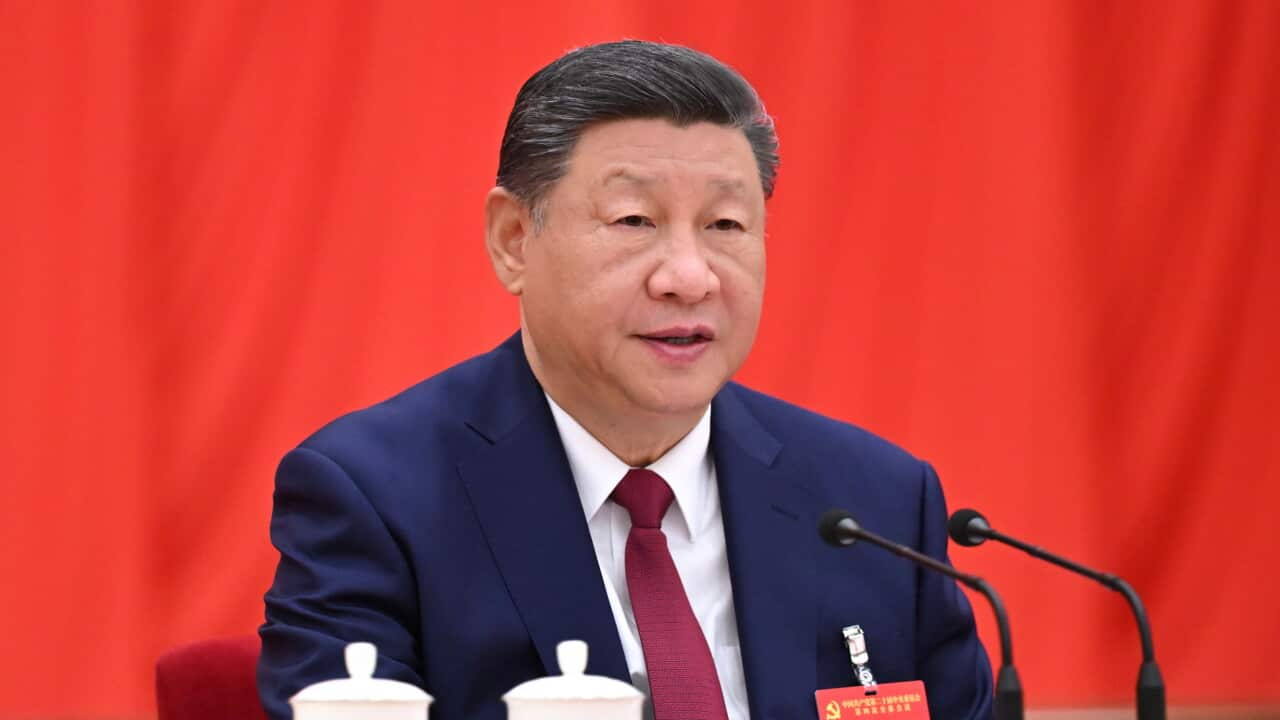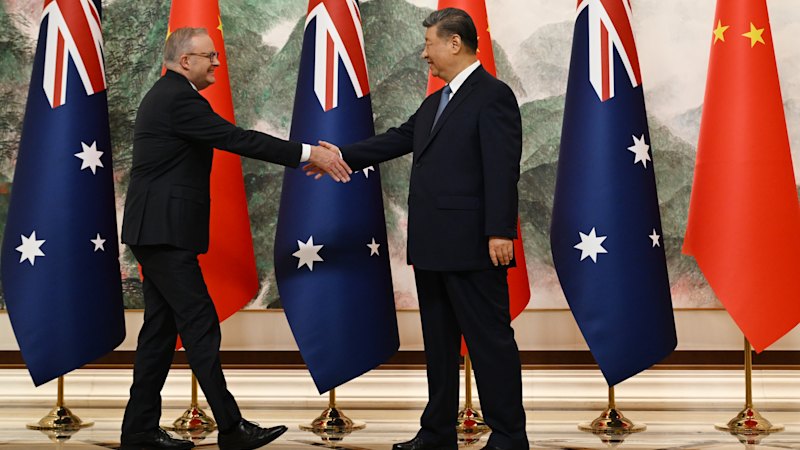
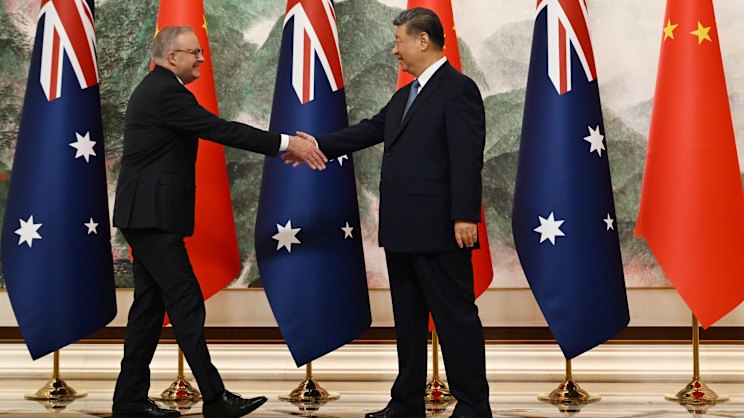
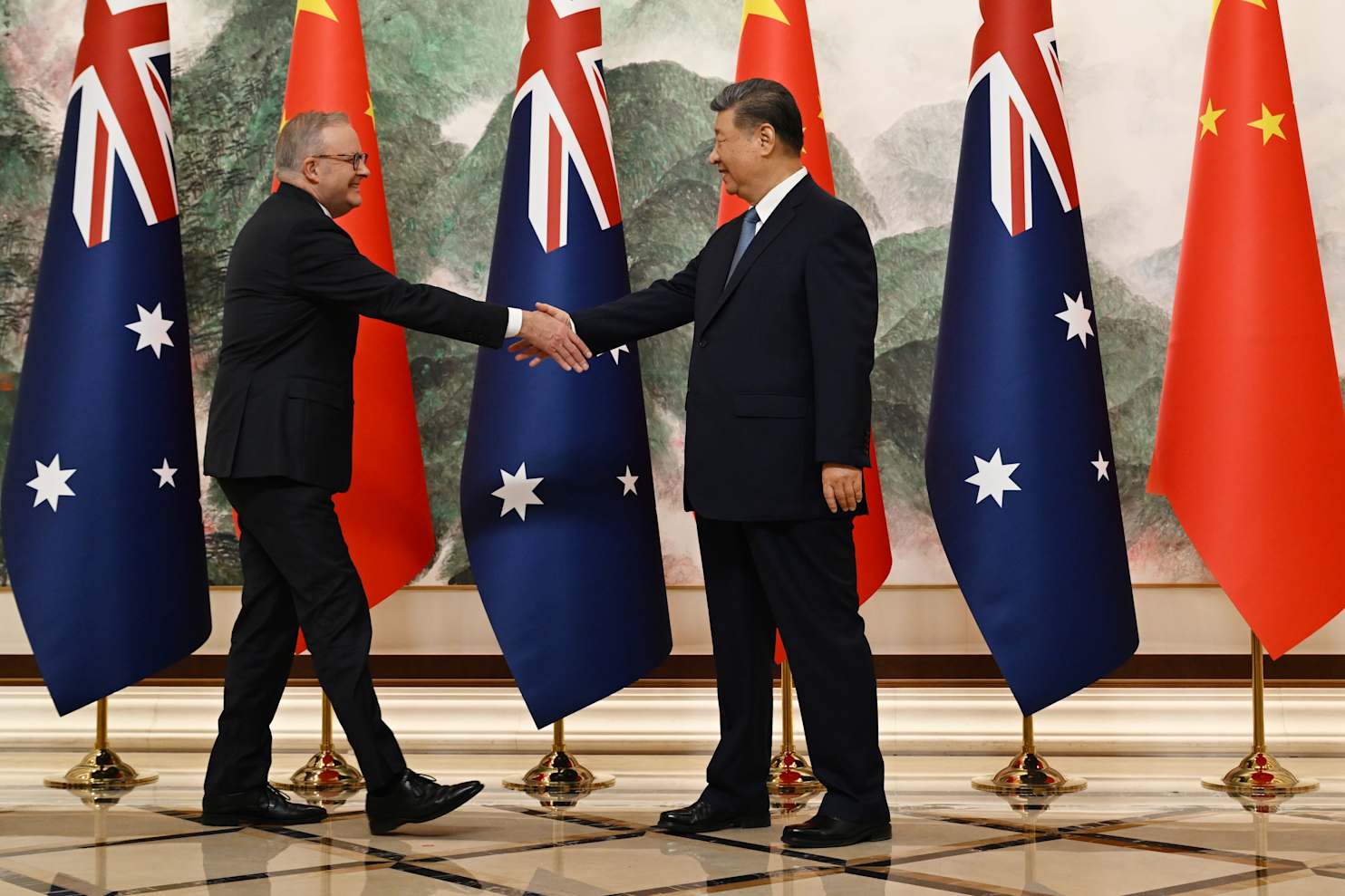
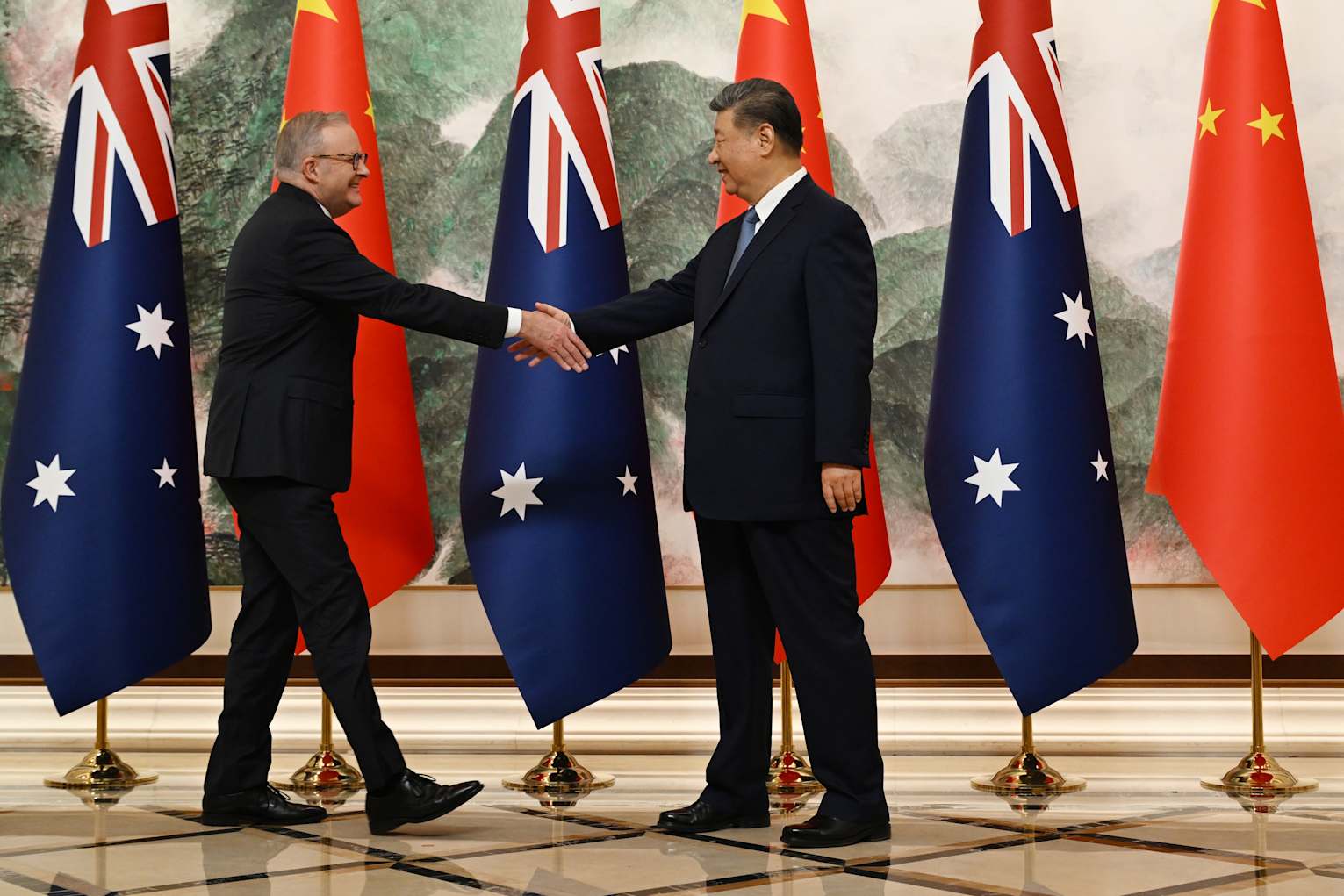
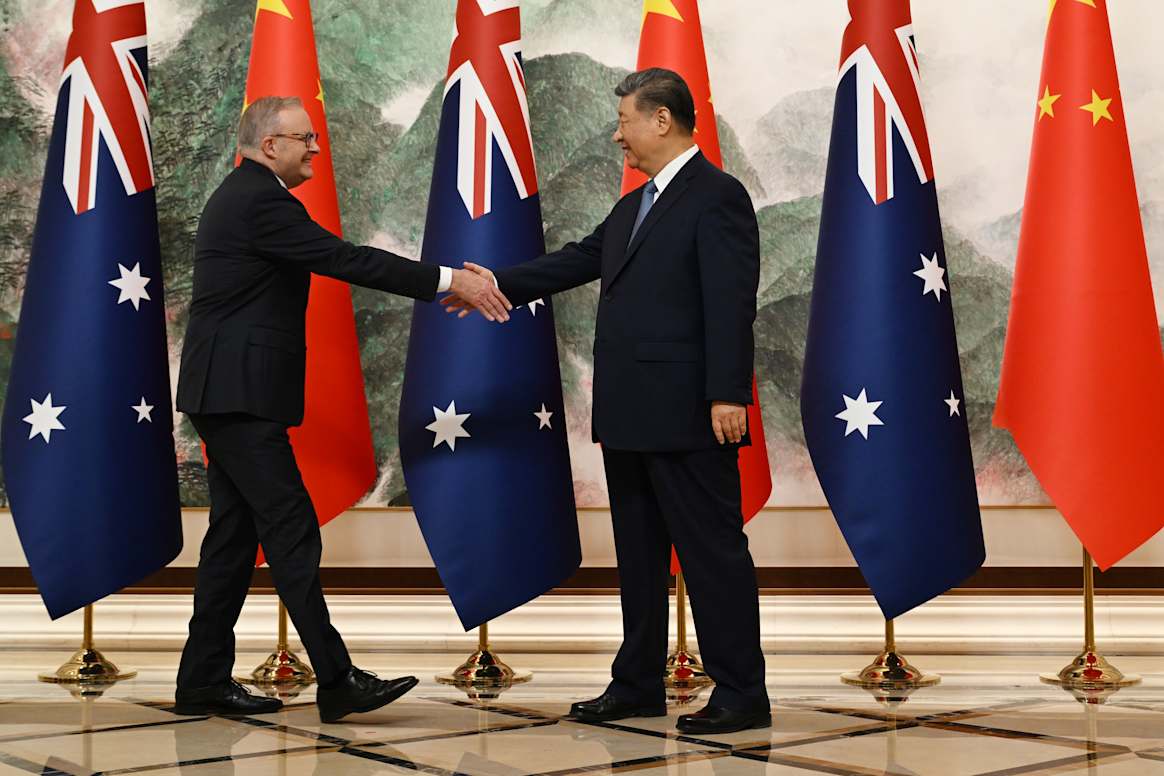
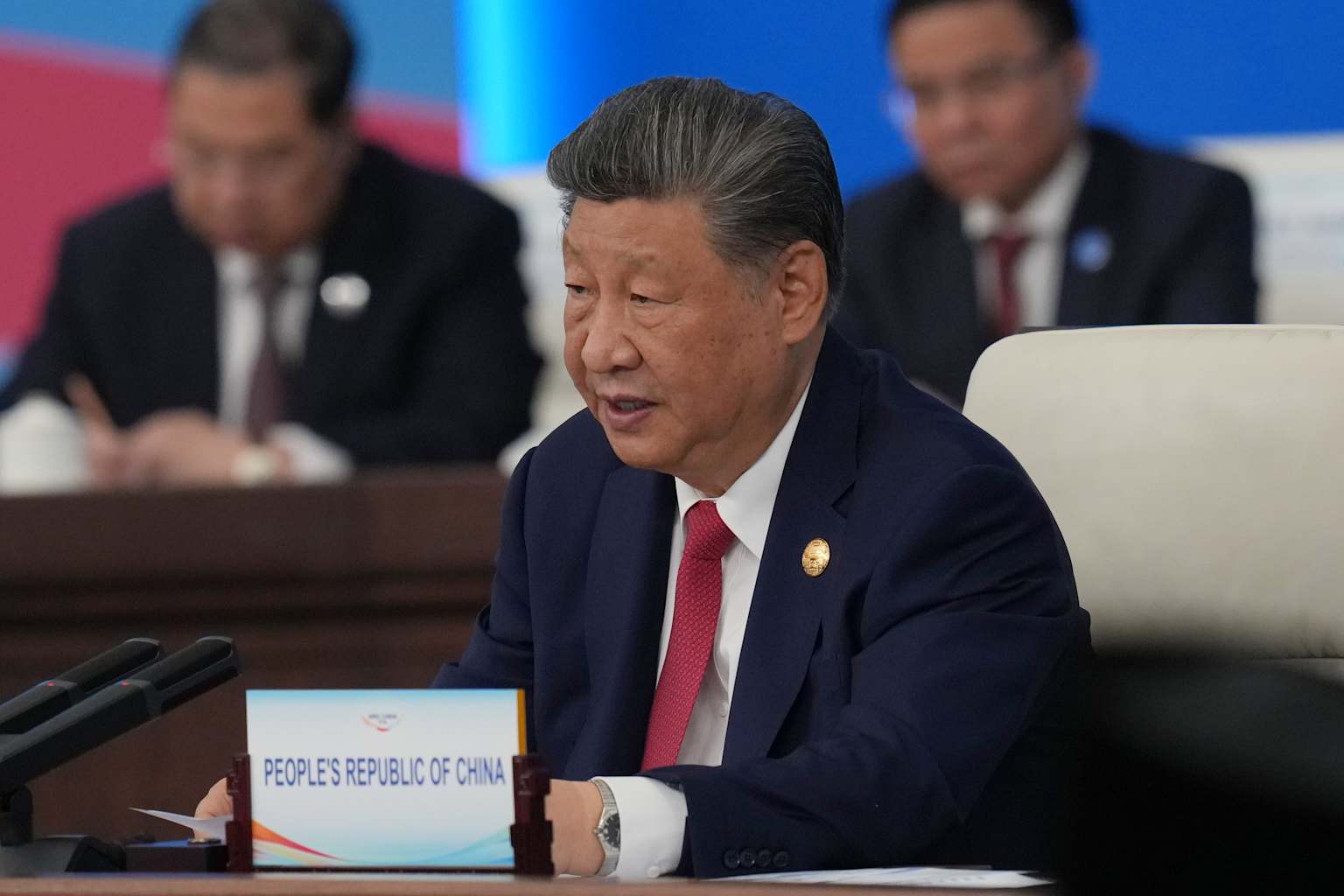
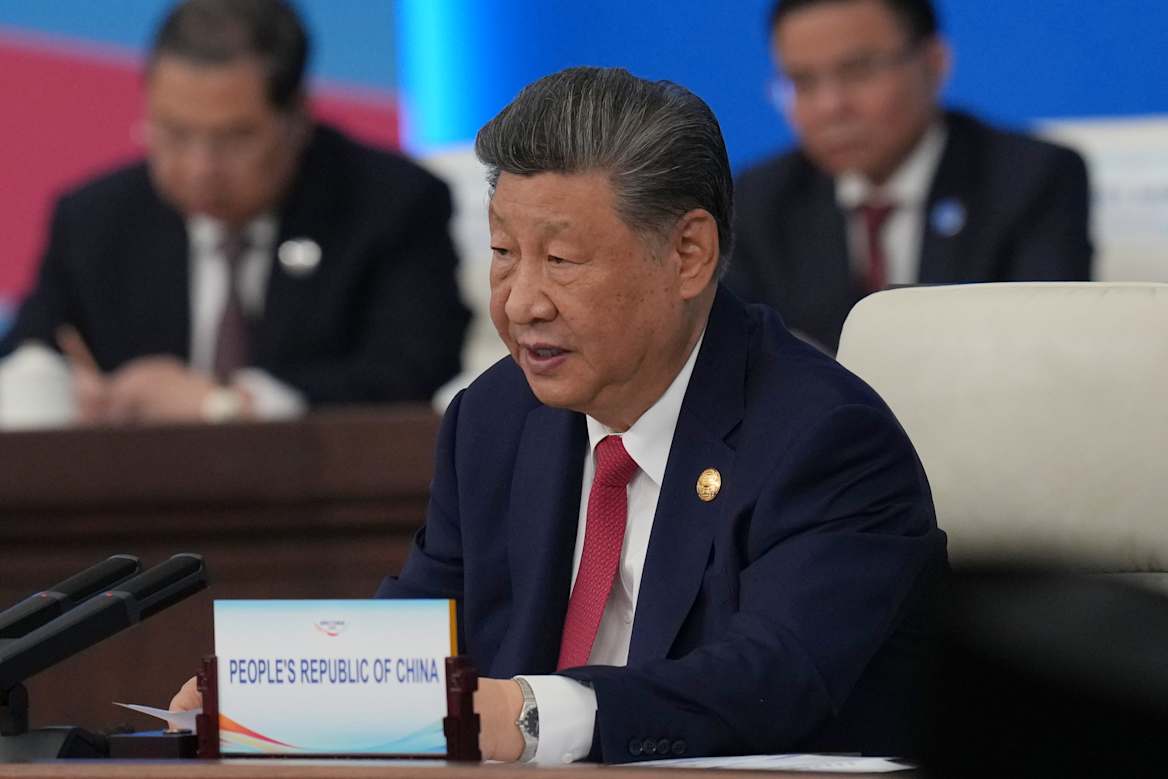
Shenzhen: Chinese President Xi Jinping said he wants to see stronger cultural ties between the people of Australia and China as he hailed a “comprehensive turnaround” in diplomatic relations between the two nations while meeting Prime Minister Anthony Albanese.
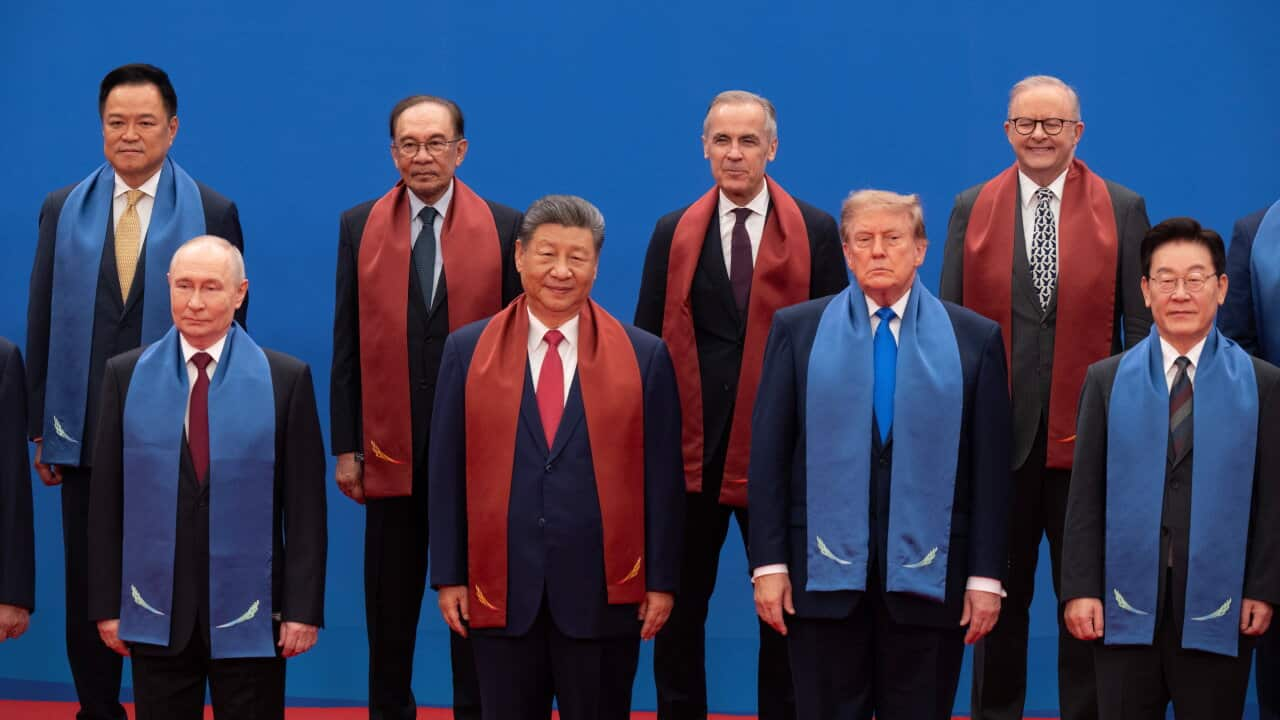
Albanese met Xi on Friday morning at the Kylin Villa in Shenzhen, the sprawling complex where the Chinese president hosted US President Donald Trump and Russian President Vladimir Putin for historic trilateral talks the night before.
The Australian prime minister said it was a “positive thing” the three leaders had the meeting and there was “a positive declaration to come out of it, including on nuclear weapons and nuclear proliferation”.
Albanese had this week backed the talks between Xi, Trump and Putin, saying it was better to have dialogue than conflict, but followed through on his commitment to use his attendance at this week’s APEC conference to express Australia’s opposition to Russia’s war in Ukraine.
The prime minister used his official address to APEC’s leaders session on Thursday to directly call on Putin to end the conflict . Sources in the room said Albanese looked at Putin, and the Russian president looked down, as the prime minister gave this speech.
Reflecting on that moment on Friday, Albanese said: “Well, he [Putin] certainly heard it, as did others in the room. I have a responsibility to put Australia’s position clearly and directly, and that is what I did.”
“I made very clear to President Putin directly yesterday that he needs to stop his war, and he needs to stop it now,” Albanese said.
“This has now gone on for longer than I’ve been Prime Minister… with a devastating human impact, with a significant loss of life on both sides of the conflict, but also with a significant economic impact on the world, and Australia’s position is very clear.”
The prime minister will soon finish his 11-day international tour with a final stop in Beijing to meet Chinese Premier Li Qiang and hold a roundtable with Australian business executives. He will return to Australia on Saturday, after a trip that has spanned summits in Turkey , the Philippines and China .
Outcomes from the trip have included a new defence agreement with the Philippines and a Quad deal to start joint military exercises with the United States, India and Japan – two moves that aim to counter China’s reach in the Pacific.
Those issues were expected to come up when Xi met with Albanese on Friday, given China’s discomfort with the Quad partnership, which is designed to limit Chinese influence and was given fresh energy this week with Trump’s first attendance at a leaders summit.
Even so, Xi and Albanese talked up cultural ties between their two nations in public remarks before Friday’s bilateral talks.
“I think it is fair to say that together we have brought about a comprehensive turnaround in China-Australia relations, and exchanges and cooperation between our two countries have continued to deepen across various fields,” Xi said, according to a translation of his comments.
“Friendship between China and Australia should reflect the aspirations of our peoples. We should therefore strengthen people-to-people exchanges... I am willing to work with you, in the spirit of treating each other as equals, seeking common ground while shelving differences, and pursuing mutually beneficial cooperation.”
Xi said he had recently been “very touched” to receive a letter from Australian exchange students about their experience in China. “I believe our young people should have more exchanges and get to know each other better,” he said. “China-Australia friendship is what the people want.”
Albanese also praised the improvement in Australia’s relationship with China, which hit a low under the Morrison government because its push for a Covid-19 inquiry , leading to punitive tariffs on key Australian exports.
“Some 25 per cent of Australian exports come to this one destination [China], but importantly as well, the improvement in relations has meant people-to-people engagement across the business community,” Albanese said.
“A stable and productive relationship is in the interests of both of our nations, particularly given that one in four jobs in Australia depends upon trade, and what we’ve seen with the resumption of trade across so many products is major advantages.
“We have different political systems, different histories, but that doesn’t mean that you can’t have constructive dialog. And that’s what Australia seeks.”
Cut through the noise of federal politics with news, views and expert analysis. Subscribers can sign up to our weekly Inside Politics newsletter .
You have reached your maximum number of saved items.
Remove items from your saved list to add more.
You've used all of your gift articles. 3 more will become available on the 1st of every month.