You have reached your maximum number of saved items.
Remove items from your saved list to add more.
You've used all of your gift articles. 3 more will become available on the 1st of every month.
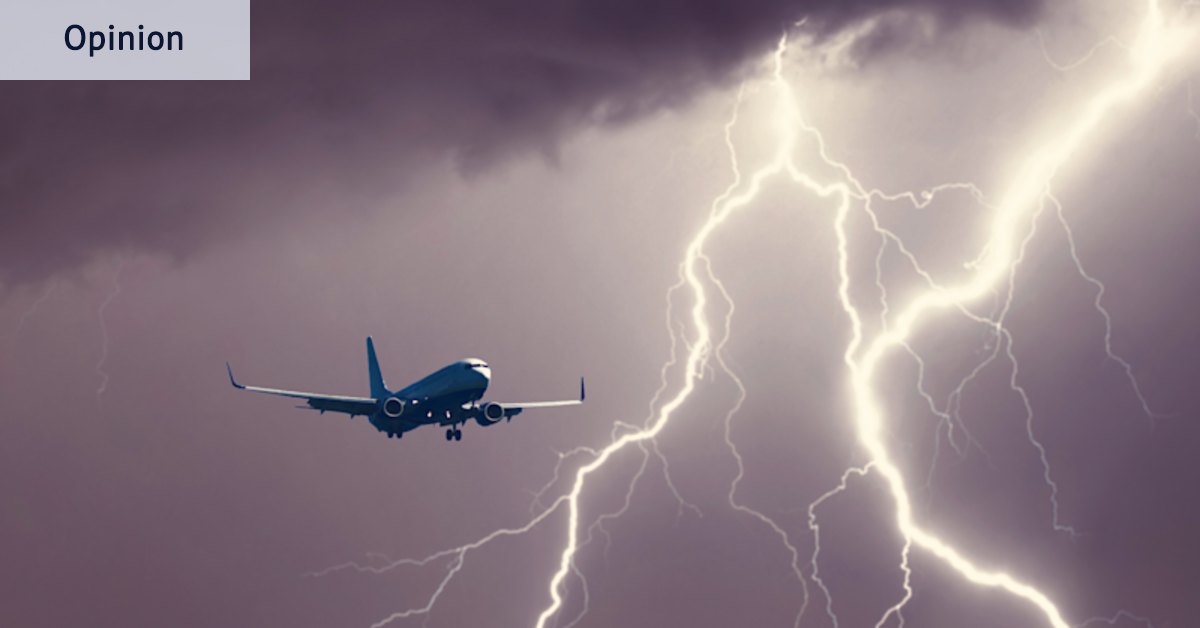
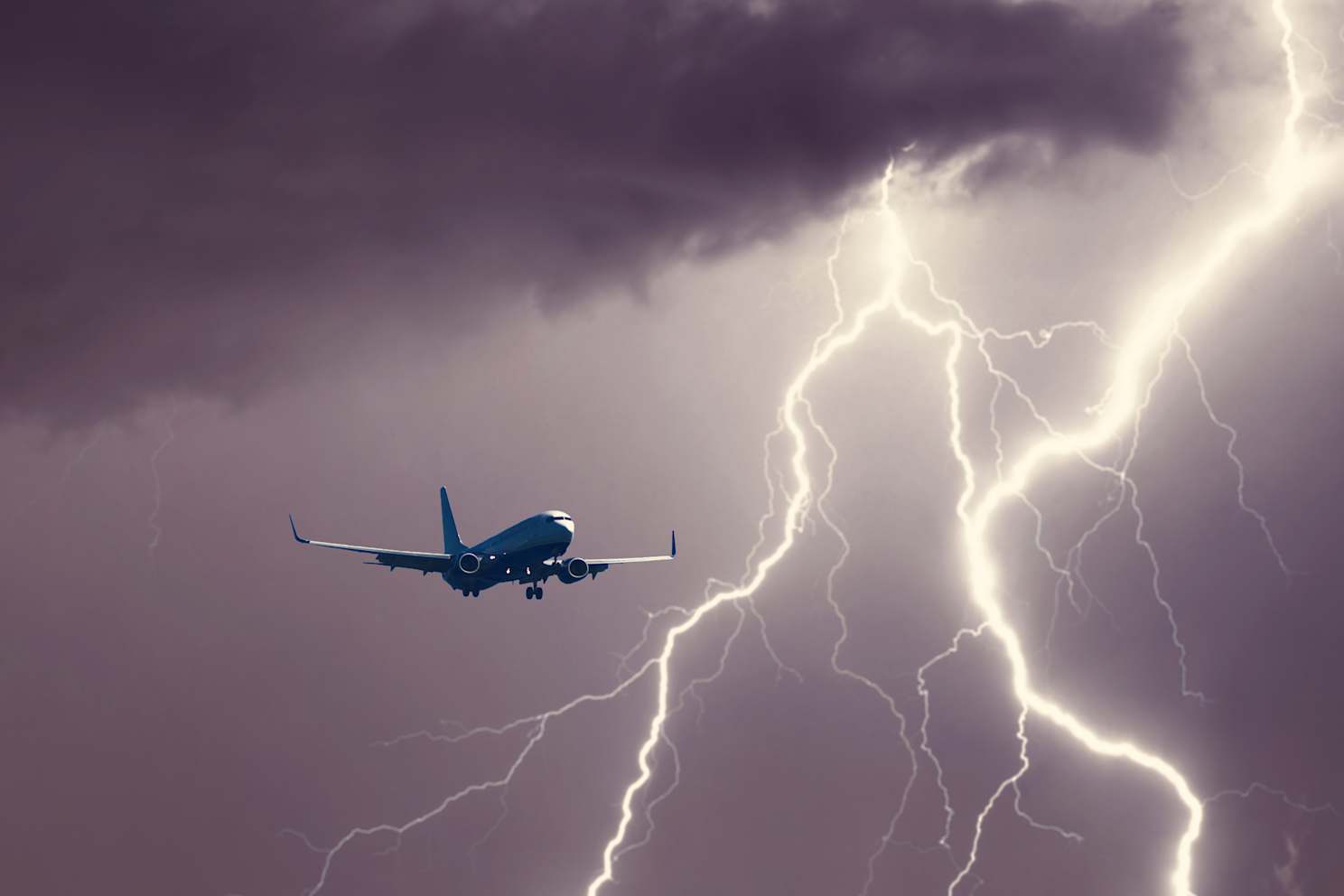
Last week’s wild weather signalled the arrival, with a bang, of thunderstorm season, particularly along the east coast of Australia.
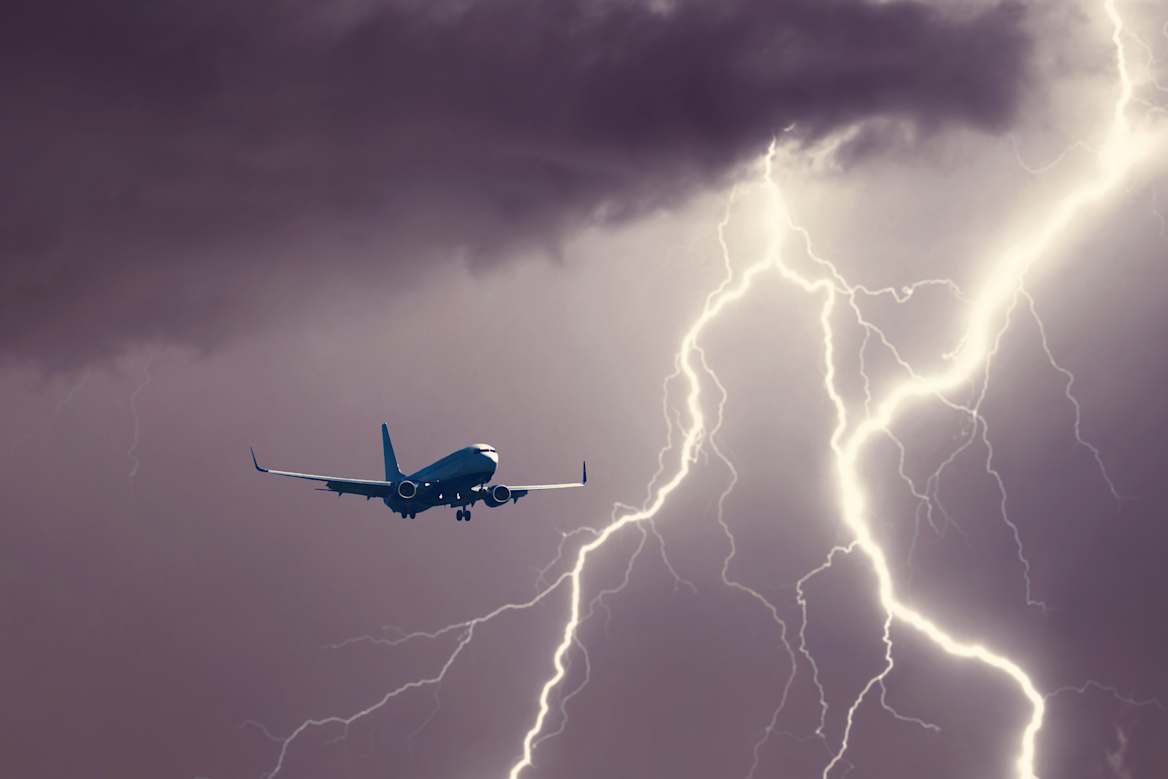
I was tasked to fly an aircraft from Adelaide to Brisbane last Wednesday afternoon with an arrival time into Brisbane of 5pm – known colloquially in the summer months as Thunderstorm O’Clock. The weather was so bad I was subjected to a ground stop by air traffic control. Nothing as dramatic as the weekend’s full ground stop in the US , but my flight was barred from departing for Brisbane until the severe storms had passed.
What is normally a structured and smooth-flowing stream of aircraft following specific flight paths can become a chaotic mess as conditions deteriorate. That’s because pilots try to fly around bad weather, based on their airborne weather radar, to give their passengers the smoothest ride possible.
Thunderstorms actually start life looking like soft fluffy cotton wool (cumulus clouds), but appearances can be deceiving. On a hot, humid day, which we’re seeing more of as summer nears, cumulus clouds begin to form when the sun heats the ground, warming the air above it. This warm moist air begins to rise and, as this pocket of air rises, it cools. Eventually, it cools enough for its invisible water vapour to condense into clouds.
If the surrounding atmosphere remains cooler than the rising air, then it remains less dense than its surroundings and keeps rising. With enough moisture and instability, this upward climbing air can become extremely powerful, turning a harmless puffy Cumulus into a dangerous Cumulonimbus – a thunderstorm – which pilots always try to avoid.
But even when pilots fly around them, they can’t always avoid the turbulence associated with them in the surrounding atmosphere, often leading to a bumpy ride, despite the best efforts from the cockpit. So what should you do when your ride turns from smooth to shaken?
The golden rule is to keep your seatbelt fastened. Even though the seatbelt sign may be switched off, although when flying through turbulence it will usually be illuminated, passengers should keep their seatbelts fastened. It doesn’t take much for this aluminium tube, flying at high altitude and high speed, to encounter those bumps – which are often invisible and undetectable to radar. The aircraft structure is designed and tested to cope with these bumps, but the unrestrained human body is not.
Turbulence can be nerve-wracking for some and nauseating for others, so if you’re flying during storm season and want to minimise its potential effects, you need to think about where you choose your seat on a plane. My seat is pretty good right up the front, with an expansive view. But is my ride the smoothest?
An aeroplane is supported in the air by its wings, that’s why they’re there. You’re all familiar with the term “centre of gravity” – the point on an object where its weight is balanced. An aircraft has a similar concept called “centre of lift” – the point on an aeroplane where, if supported, it is also evenly balanced. Those engineering nerds out there will argue they’re not the same, and they would be right, but for simplicity let’s think of them as the same.
If the aircraft is balanced, its “centre of lift” is where the wings support the airframe. If that aircraft was to encounter turbulence, then it would bounce up and down around this “centre of lift”, or quite simply the wings. As all aircraft are designed to flex in turbulence to absorb and disperse the load rather than snap, essentially the further away from the wings you sit the more the movement you will experience during turbulence. Like a dog wagging its tail, the tip moves a lot more than the dog.
If you look at the cross-section of any aircraft, there is less aeroplane ahead of the wings than behind them. The further aft you go behind the wing the more movement up and down you’ll experience during turbulence.
Sitting forward of the engines also keeps you away from the engine roar, providing a quieter ride as well as a smoother one. It’s no accident that first and business class is always towards the front of the aircraft, and also the more expensive economy seats.
So for the smoothest of rides sit as close to the wing as possible, and for the quieter ride sit forward of the engine. And if you’re on a tight budget and find yourself down the back, never forget the golden seatbelt rule and remember – flying is extremely safe. Statistically the most dangerous thing you’ll do is drive to the airport.
David Evans was a Qantas pilot for 37 years.
You have reached your maximum number of saved items.
Remove items from your saved list to add more.
You've used all of your gift articles. 3 more will become available on the 1st of every month.
