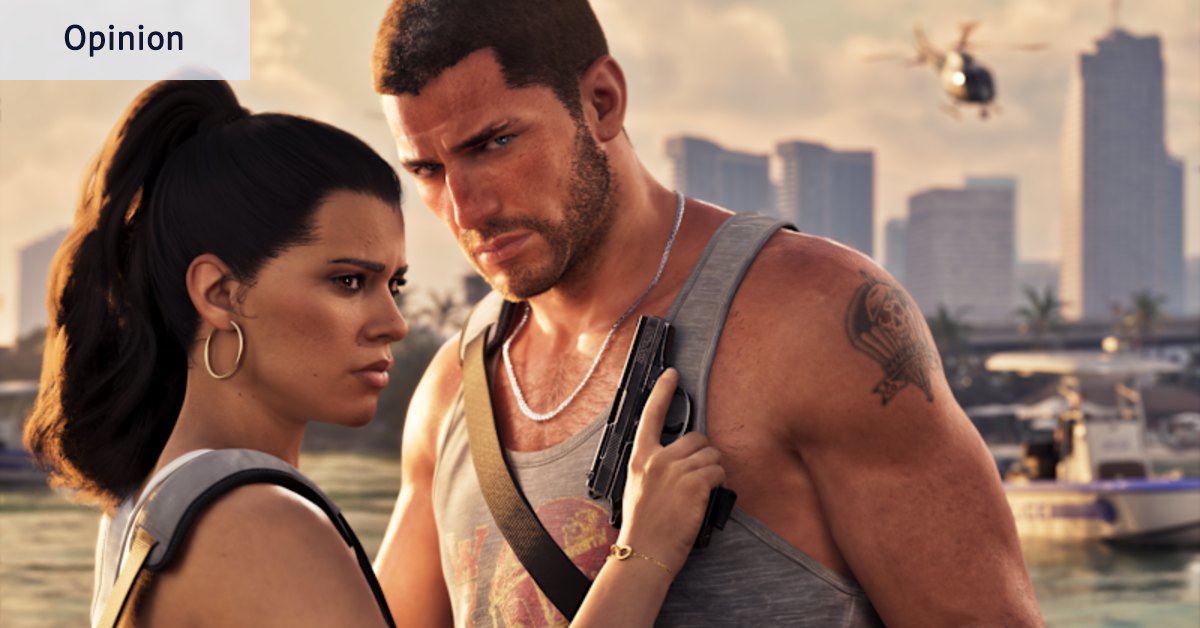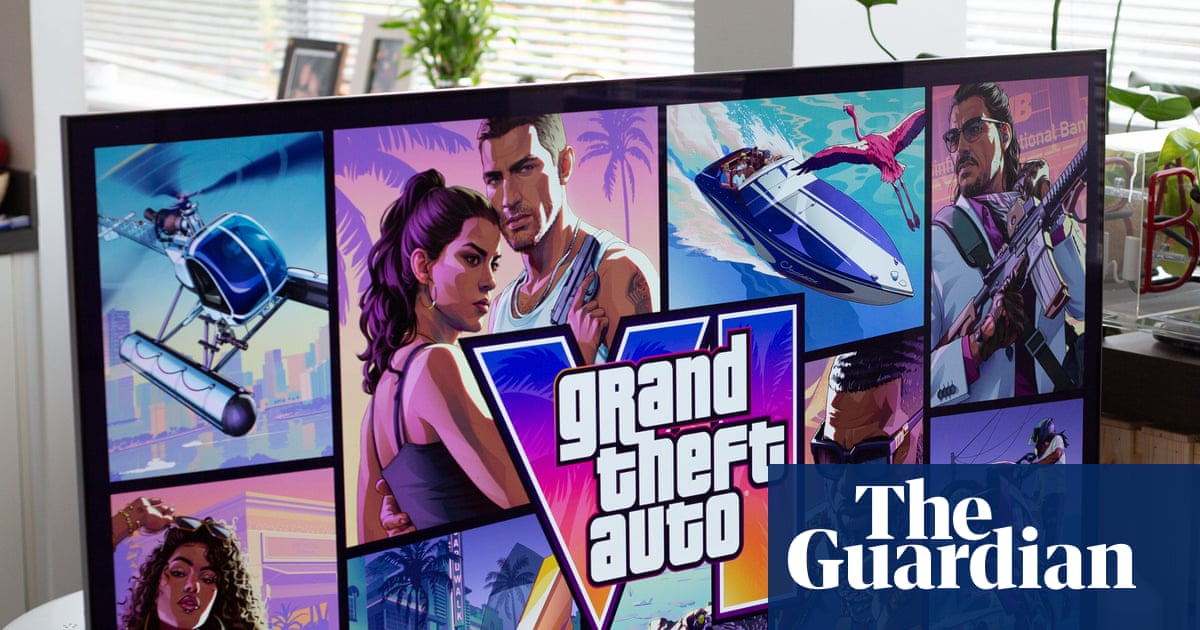


Y ou probably aren’t going to see a Grand Theft Auto TV show anytime soon. Speaking on a recent podcast, Strauss Zelnick, the CEO of the game’s parent company Take-Two Interactive, said that a film or television adaptation of GTA would only happen if its team thought that it would “somehow engage and delight our consumers. It’s a high bar to do that. And, of course, there’s always a risk of failure. So we don’t rule it out, but we’re very, very selective.”
And, well, good. There are a billion reasons why a small screen version would be a terrible idea. Creatively, the thrill of a GTA game is that no two players have the exact same experience. While you might spend your days mowing down civilians and bazookaing police helicopters out of the skies, someone else might take that time to go hiking or explore the waterways. The game is so open-ended, and so moulded to a player’s sensibility, that trying to reduce it to a scripted linear narrative would make it feel uncomfortably thin.
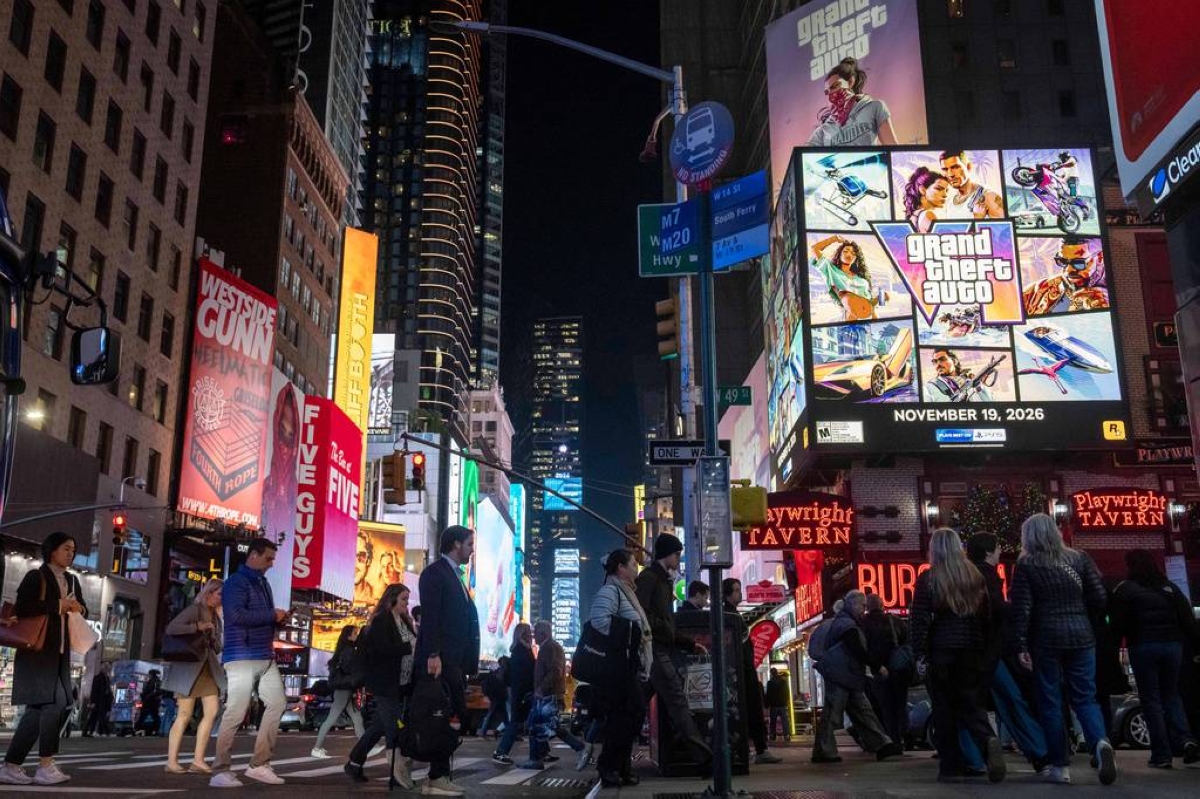
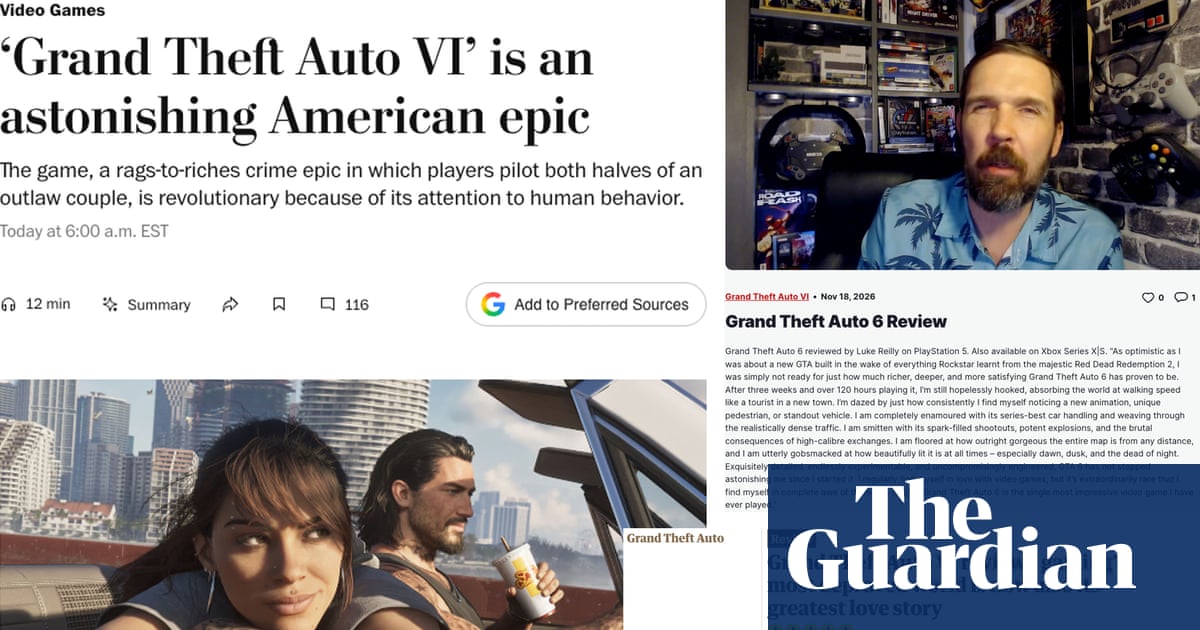
It is also enormous. I am writing this on GTA VI’s launch day, and I am especially sour that I didn’t take the day off to play it . This is because it’s the sort of thing you need to make headway into fast. The main story of the game is 70 hours long, which is like every episode of Game of Thrones ever made dropping at once.
Besides, Take-Two definitely does not need the money. Since its launch in 2013, GTA V is estimated to have made almost $11bn, which is roughly the combined theatrical worldwide gross for every Star Wars film ever made. GTA VI made about $1.6bn in presales alone. If you had full control of the world’s attention like this, you’d be reluctant to risk diluting it with a weak television programme as well.
So it is undoubtedly good news that Grand Theft Auto will only remain a game for ever, joining the ranks of other popular properties that will never make it to screen. Here are its new bedfellows.
Lin-Manuel Miranda has ruled out turning his record-breaking musical into a movie. However, this isn’t because he is married to the sanctity of the live-theatre experience. Instead, he just thinks that his version is as good as it will get. “I have trouble visualising anyone topping what (director) Thomas Kail has done with this live capture,” Miranda told USA Today at a screening of the version currently available on Disney+. “If someone can prove to me that they can top it, I’m open to it. But I haven’t seen it yet.”
In 1992, Art Spiegelman’s Maus became the first graphic novel to ever win a Pulitzer prize. This is for good reason. A memoir about his father who survived Auschwitz, Maus cuts between an account of life in Poland before and during the Holocaust and Art’s visits to his father in New York decades later. Its big conceit is that people are presented as mask-wearing animals. Studios begged to adapt it, but he turned them down. “I like movies, but Maus is better served as a book,” he said in 2022. “[It’s a] more intimate form and comics adhere to the brain better.”
You would imagine that, in a world where a picture book like The Cat in the Hat can be padded out into two different feature-length movies, Bill Watterson’s phone must constantly be ringing. After all, over the years Calvin and Hobbes became home to a vast, rich universe of storytelling. And yet it will never happen. In 2013 Watterson told Mental Floss:“I have zero interest in animating Calvin and Hobbes. If you’ve ever compared a film to a novel it’s based on, you know the novel gets bludgeoned … As a comic strip, Calvin and Hobbes works exactly the way I intended it to. There’s no upside for me in adapting it.”
The pioneering first-person shooter was such a hit on its release in 1998 that Gabe Newell, the co-founder of its studio, Valve, reports receiving endless pitches for film and television adaptations. “And their stories were just so bad,” he told PC Gamer in 2010. “I mean, brutally, the worst. Not understanding what made the game a good game, or what made the property an interesting thing for people to be a fan or enthusiast of.”
Of course, it’s all well and good to draw a line in the sand like this, but few people can hold out for all eternity. For example, Gabriel García Márquez spent years refusing to allow anyone to try to compress his 1967 masterpiece One Hundred Years of Solitude into an unsatisfying screen adaptation. But Márquez died in 2014, and just five years later Netflix had announced that it was turning it into a show. We gave it three stars. So if you really must have a GTA series, just hold tight. Sooner or later everyone involved will be dead and you might get your chance.