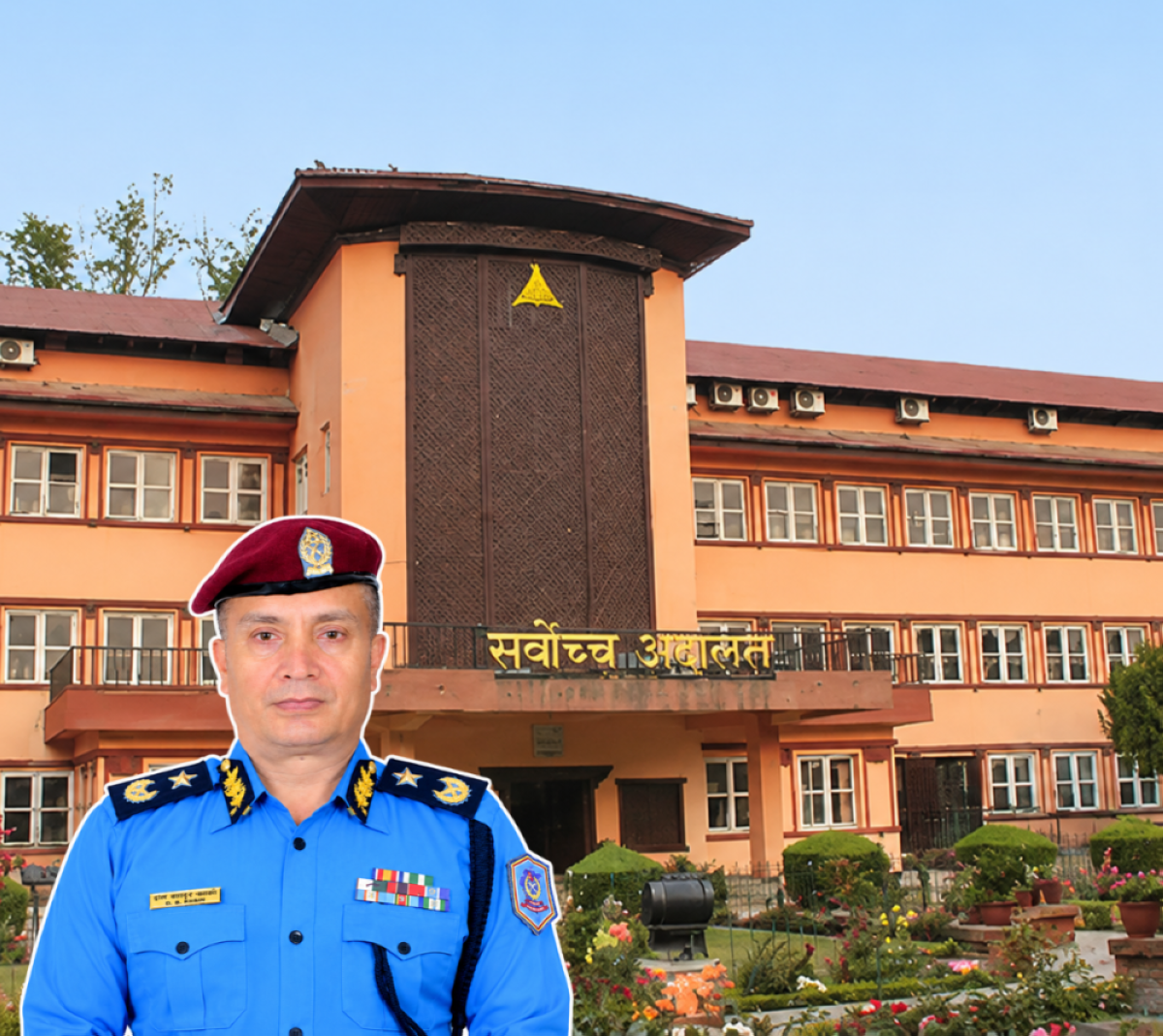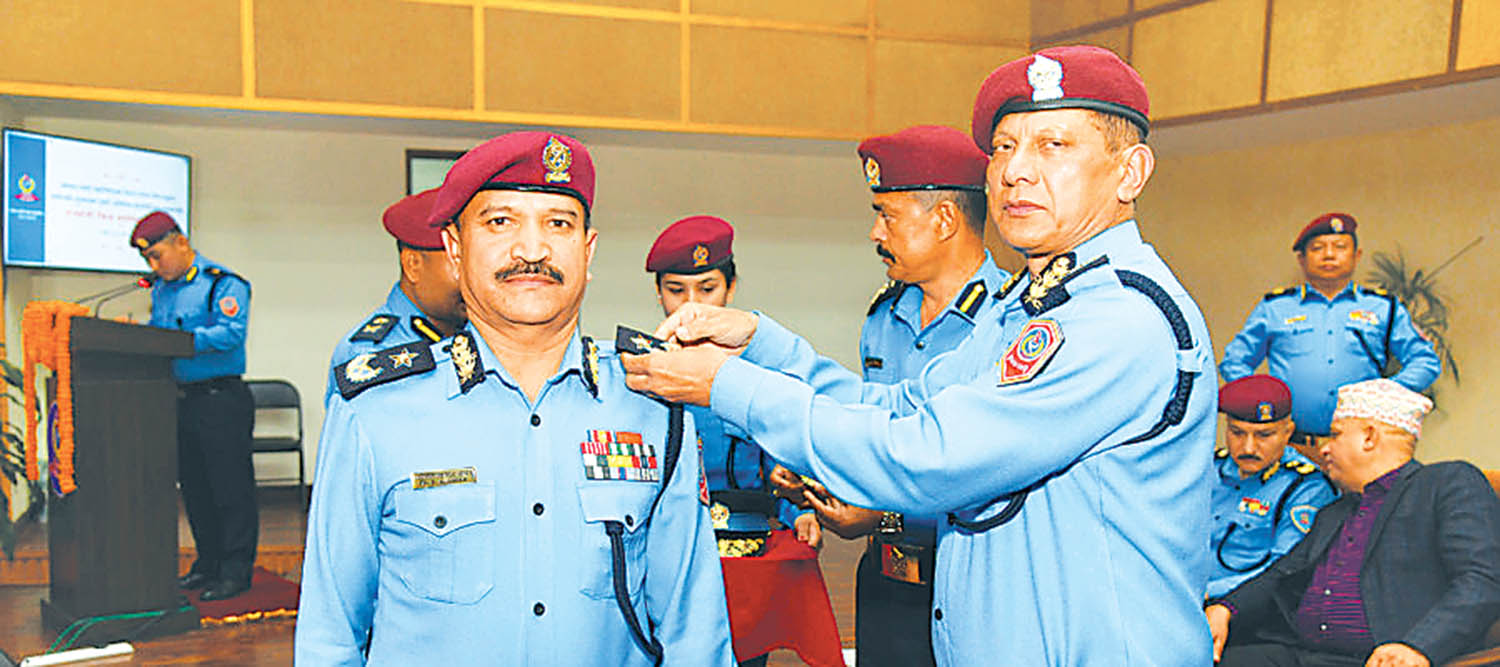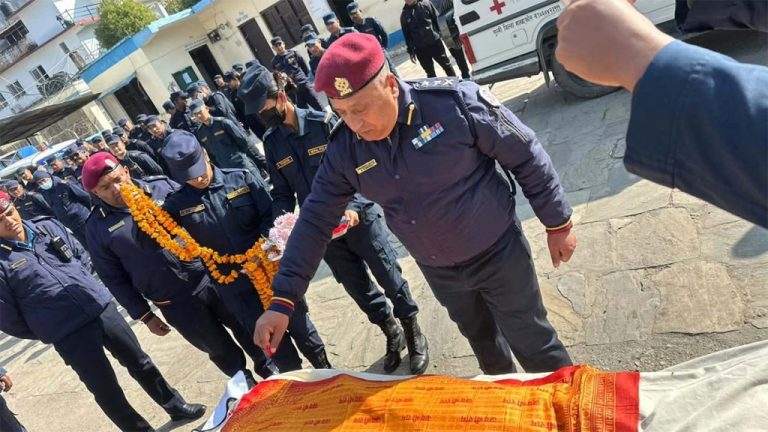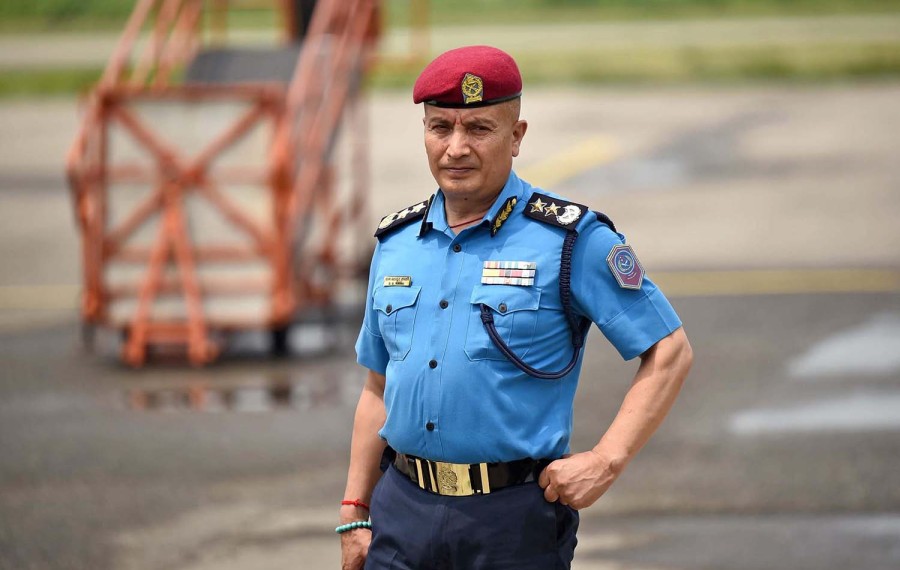
The government’s decision to remove Inspector General Dan Bahadur Karki before the end of his tenure, without publicly stating the reasons, is the latest example of political interference in Nepal Police. The appointment of a special security adviser to the prime minister for Karki and the promotion of Additional Inspector General Manoj Kumar KC to lead the force have raised concerns that the government is reshaping police leadership at its discretion. Karki’s challenge in the Supreme Court presents an opportunity to settle not just the legality of his removal but also the larger question of how governments should exercise authority over the police.
The politicisation of police leadership is hardly new. Since the restoration of multiparty democracy in 1990, successive governments have used appointments, transfers and changes to service rules to influence the force. These interventions have triggered litigation, resentment among senior officers and divisions within the organisation, undermining discipline, the chain of command and the police’s ability to perform their duties impartially.
The history of Nepal Police is replete with examples. The introduction of a 30-year service limit in 1992 forced then-Inspector General Ratna Shumsher Rana to retire, paving the way for Motilal Bohora. The transfer of Achyut Krishna Kharel in 1996 and the appointment of Dhruba Bahadur Pradhan led to a legal battle and deep divisions. The appointment of Jaya Bahadur Chand in 2017 was overturned by the Supreme Court, while the 2022 appointment of Dhiraj Pratap Singh, contested by senior officers, led to another court battle and the resignation of AIG Bishwa Raj Pokharel.
Such disputes reveal the absence of a predictable system that protects the institution from political influence. When promotions and tenure depend more on political connections than merit and performance, officers have incentives to cultivate political patrons. Governments can then exploit divisions within the force.
But institutional independence cannot mean immunity from accountability. The convictions of former chiefs Om Bikram Rana, Hem Bahadur Gurung and Ramesh Chand in the procurement scandal involving equipment for the UN peacekeeping mission demonstrate that senior police officials must be held accountable. If an inspector general is found to have abused authority, failed in duty or violated the law, action must be taken. However, it must be based on evidence, follow established procedures and provide the officer a fair opportunity to respond. Accountability cannot become a pretext for political retaliation.
The security failures during the Gen Z protests of September 8 and 9, last year, also demand scrutiny. The deaths of 19 young people on the first day and the inquiry commission’s findings on weaknesses in police leadership and the security apparatus warrant serious investigation. Those responsible for negligence, excessive force or other violations must face appropriate consequences.
Nepal Police also needs structural reforms to address recurring disputes over appointments and succession. The proliferation of senior officers competing for leadership has contributed to factionalism. The government should review the organisation’s structure, promotion criteria and service rules. Clear criteria for appointing the inspector general, based on seniority, performance and professional competence, would reduce political discretion. The chief’s tenure should be protected, with removal permitted only on legally defined grounds and through a transparent process.
Political leaders have legitimate authority to set security priorities and hold the force accountable, but they should not interfere in investigations, operational decisions or personnel matters for partisan interests. The inspector general, meanwhile, must maintain discipline and ensure that the organisation serves citizens rather than political parties.
The Supreme Court’s decision in Karki’s case will be important. But Nepal needs more than judicial intervention every time a government changes the police chief. Parliament and the government must establish a system that makes such disputes less likely.
A professional police force is essential to the rule of law. Its leadership must be accountable but secure enough to resist political pressure. If there are grounds for action against a police chief, the law must be followed. Arbitrary removal only perpetuates the instability and politicisation that have long weakened Nepal Police.