Nasa sent the Voyager 1 and 2 probes into space almost 50 years ago to explore the outer reaches of our solar system. Now Voyager 1, the farthest human-made object from Earth, is about to reach a distance of one light-day away from our planet. To find out more about its astonishing journey, Madeleine Finlay hears from Jim Bell, a planetary scientist and professor at Arizona State University’s school of Earth and space exploration. He explains the seismic impact the mission has had on our understanding of the solar system, and where Voyager 1 could be heading now it has left the heliosphere
Prev Story
Next Story
Nasa’s Voyager 1 just reached a massive milestone in space - video
2 reads
0 reactions
Nasa sent the Voyager 1 and 2 probes into space almost 50 years ago to explore the outer reaches of our solar system. Now Voyager 1, the farthest human-made object from Earth, is about to reach a distance of one light-day away from our planet. To find out more about its astonishing journey, Madeleine Finlay hears from Jim Bell, a planetary scientist and professor at Arizona State University’s school of Earth and space exploration. He explains the seismic impact the mission has had on our understanding of the solar system, and where Voyager 1 could be heading now it has left the heliosphere

This story is currently in the Upcoming News queue because it received more dislikes than likes. Vote thumbs up to help promote it back to the Published homepage!
Browse Upcoming Feed
Same Story from Other Publications
Compare how 6 other independent news outlets reported on this story.
NASA's Voyager 1 probe to reach historic light-day milestone today
Later today, Voyager 1 will have travelled more than 26 billion kilometres, one light-day away from Earth. It is the first human-made object to achieve such a milestone.
#nasa
#voyager
#earth
Compare →
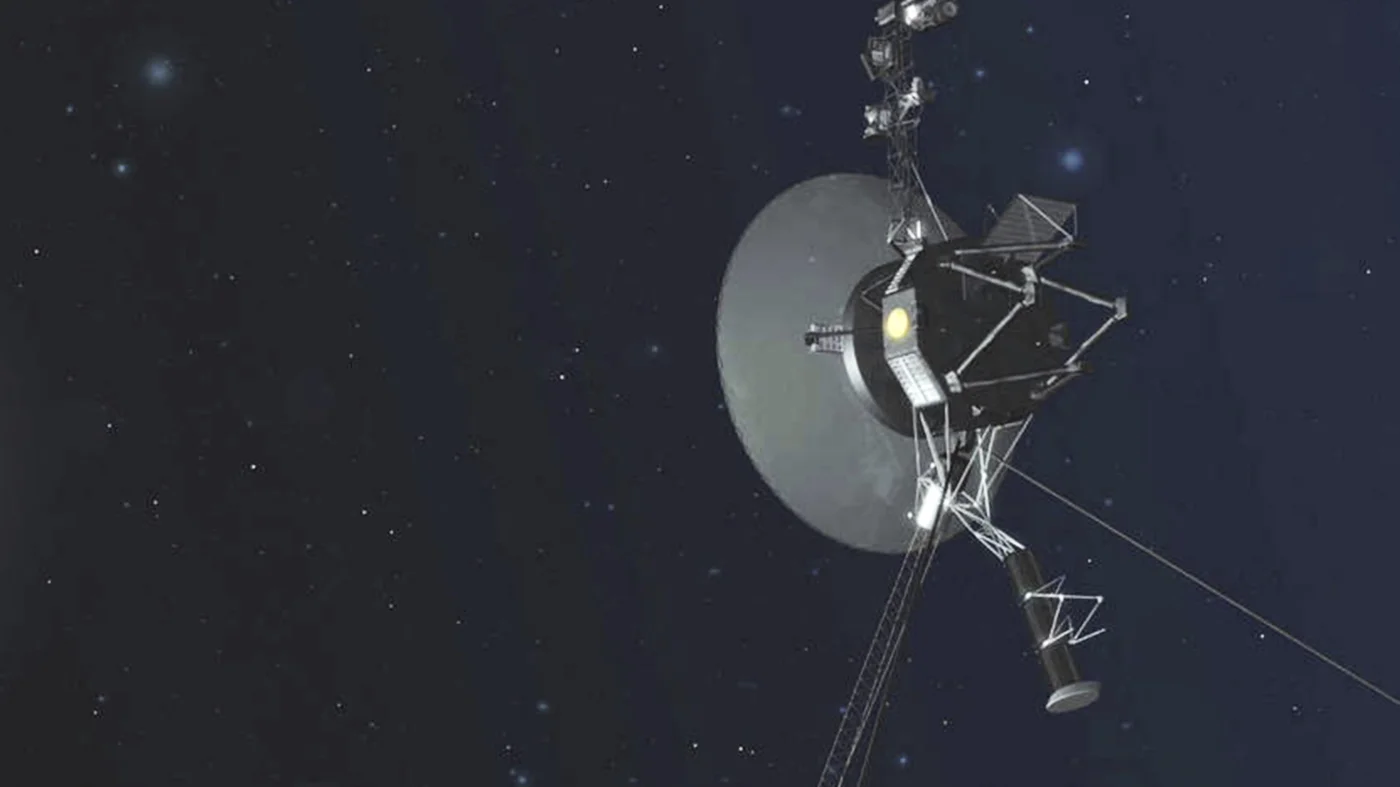
Far from home. Voyager 1 is now farther than anything man has sent into space
NASA's Voyager 1, which is the furthest man-made object from Earth, is set to reach a new milestone this week. On Wednesday, the probe will be roughly 16 billion miles from Earth.
#nasa
#voyager
#earth
Compare →

NASA’s Voyager 1 to hit new space distance record of one light-day
The probe was launched in 1977 but it continues to relay space-related data back to a team of NASA scientists daily.
#nasa
#voyager
#space
Compare →

Voyager 1 is now one light-day from Earth | CNN
The deep-space probe launched in 1977 has reached one light-day from Earth — a historic milestone that no other human-made object has achieved.
#nasa
#voyager
#earth
Compare →

The Hubble Space Telescope Is Sinking. NASA Is Looking for Ways to Keep It Afloat
With Hubble expected to reenter the atmosphere by 2034 and several malfunctions on board, NASA is asking commercial space companies for proposals on how to extend the telescope’s lifespan.
#nasa
#earth
#space
Compare →

European Spacecraft Hera Observes Asteroid After NASA Impact
London. Four years ago, a European spacecraft has started observing from close range the asteroid that the American space agency NASA had hit during Earth's defense test. As announced by the Europ...
#nasa
#space
Compare →
Related Stories
Science & Climate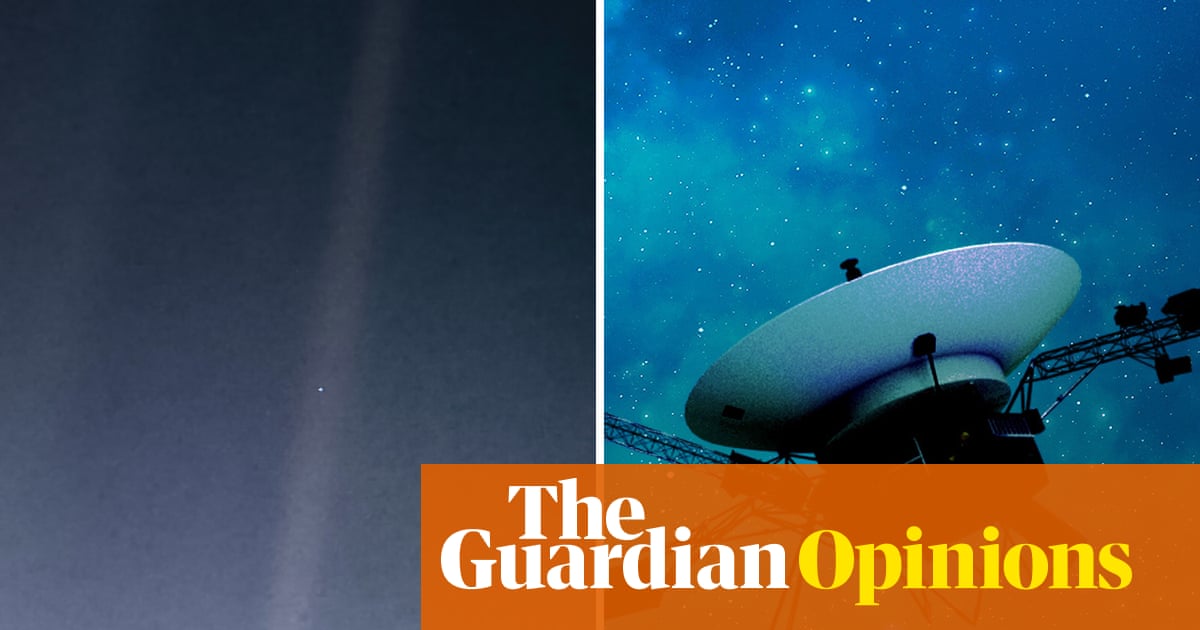
#nasa
After 49 years, Nasa’s Voyager 1 is one light-day away from us. Can we save this ‘pale blue dot’? |
The Guardian
•
45m ago

Wired
•
31m ago

BBC News
•
10h ago

Sydney Morning Herald (SMH)
•
17h ago
1 / 1