You have reached your maximum number of saved items.
Remove items from your saved list to add more.
You've used all of your gift articles. 3 more will become available on the 1st of every month.
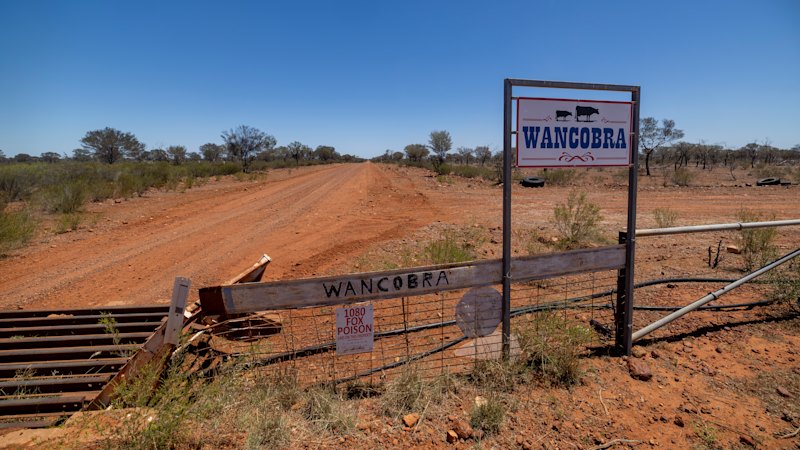
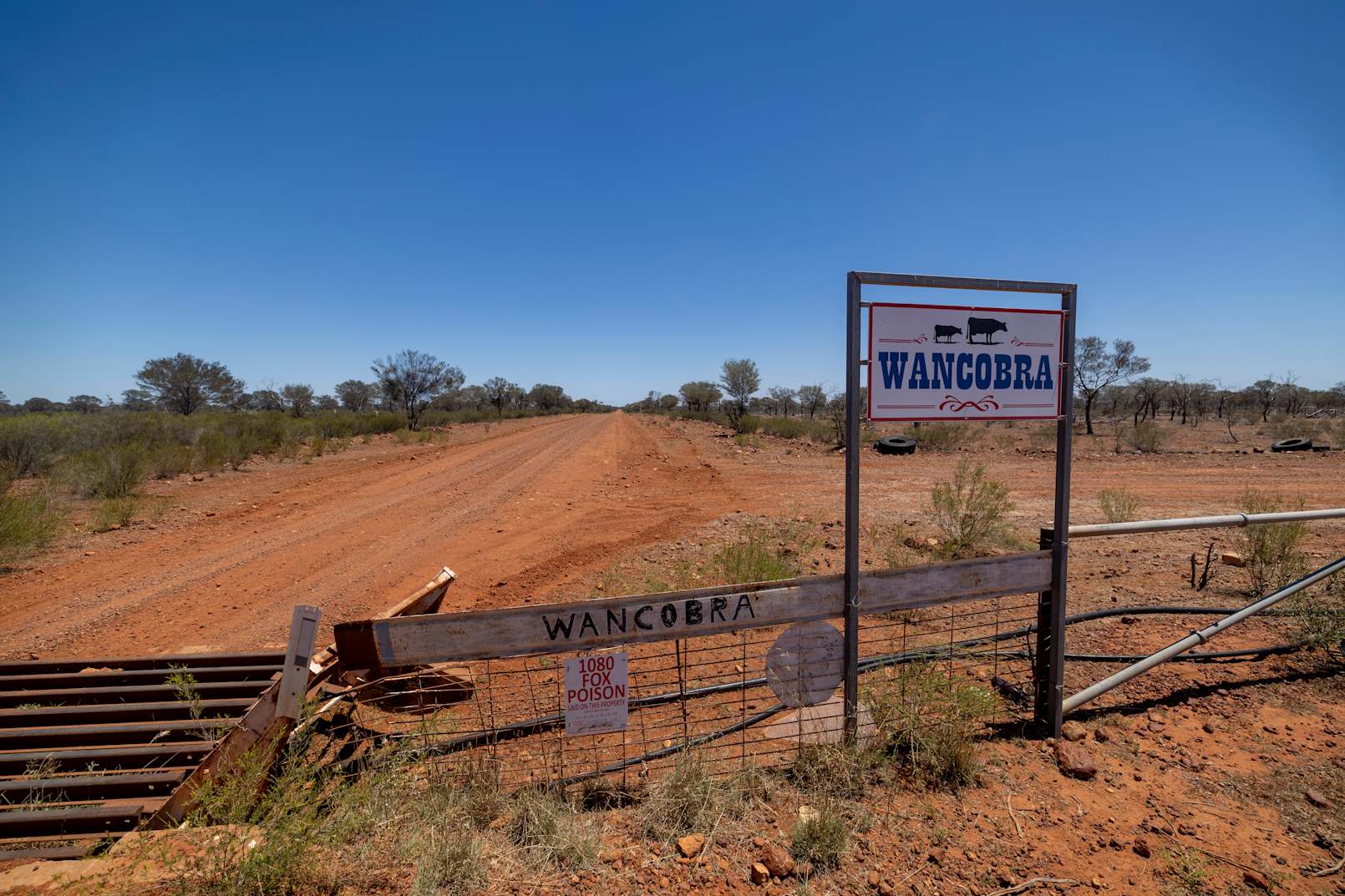
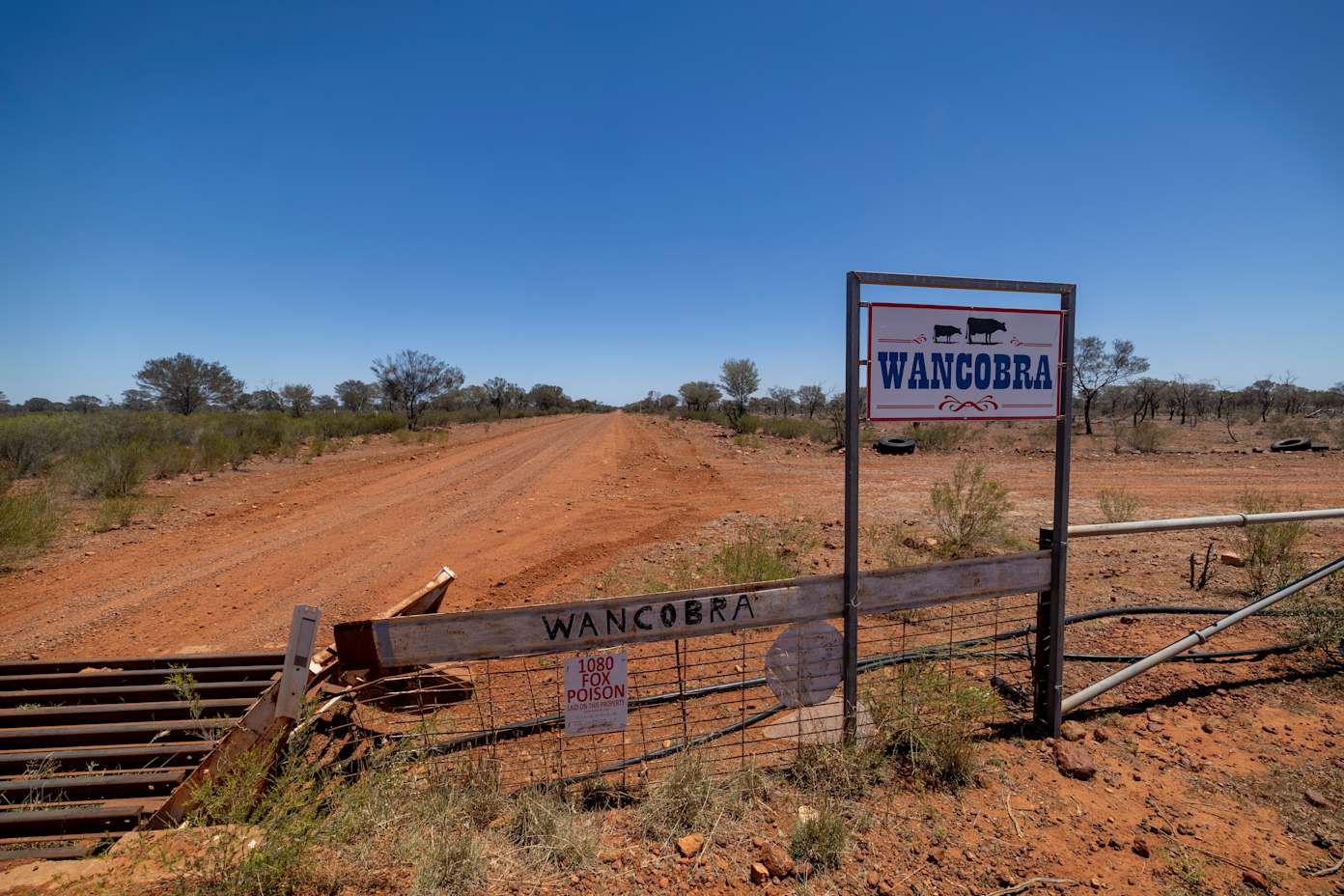
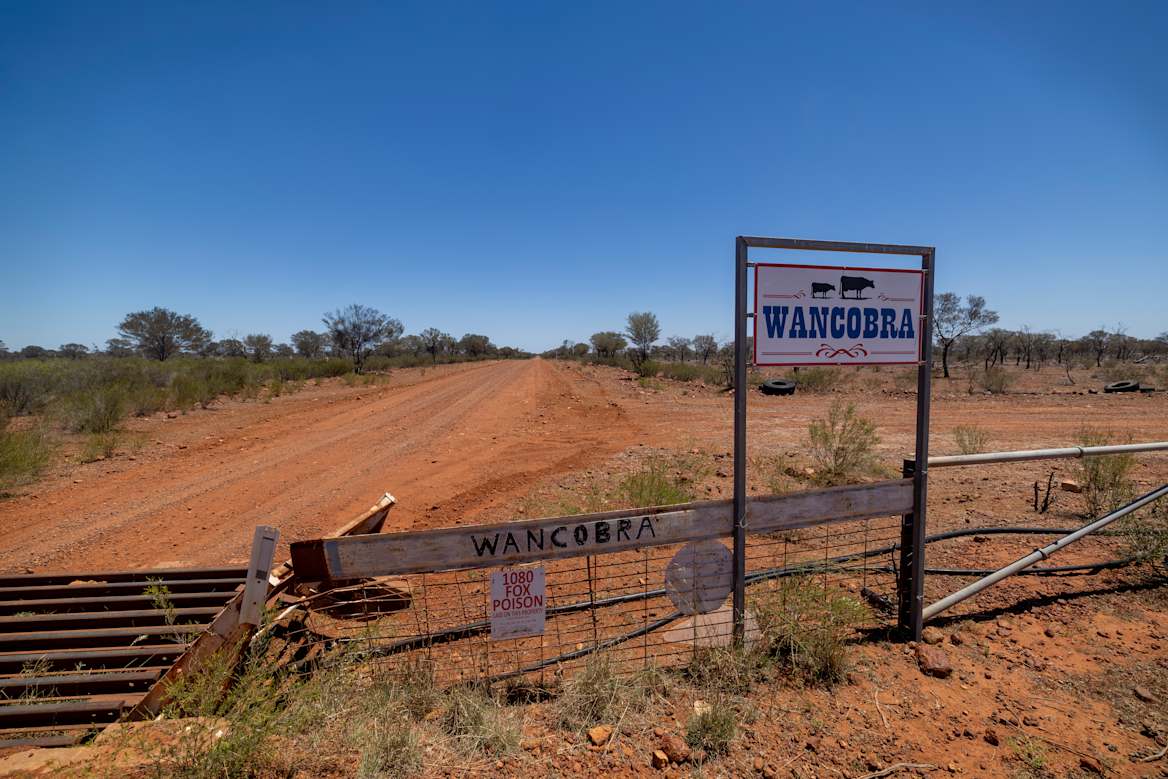
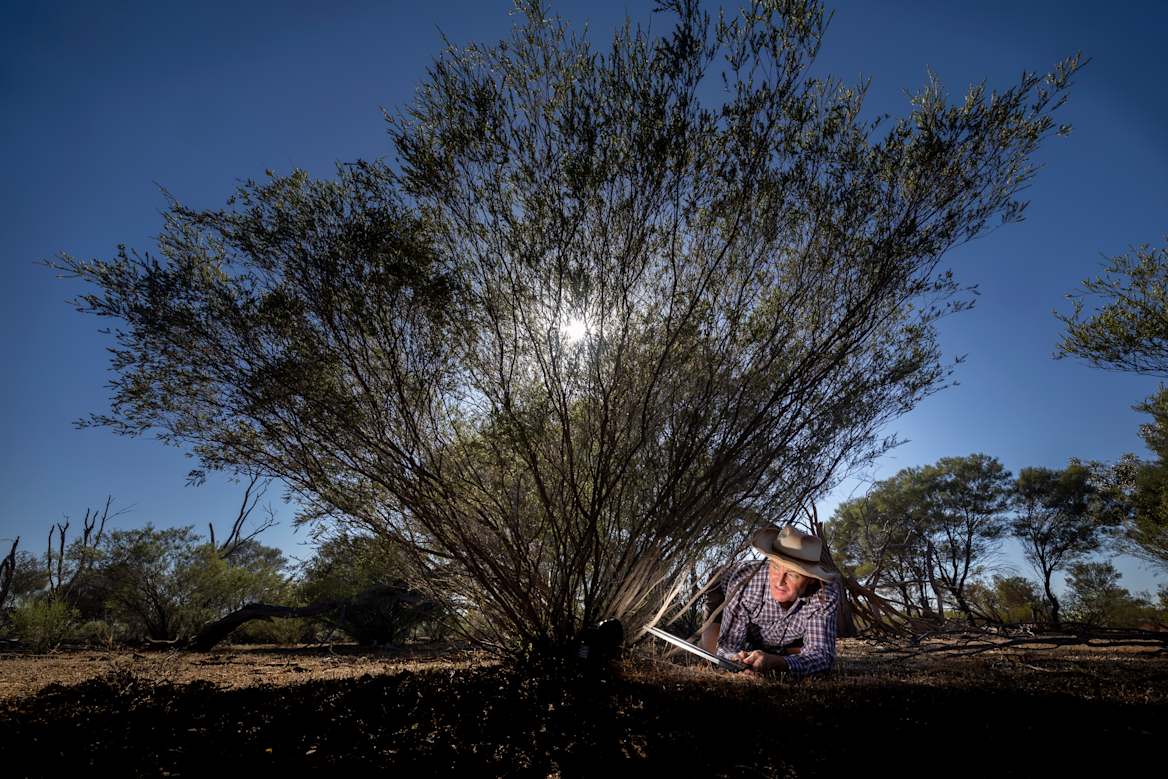
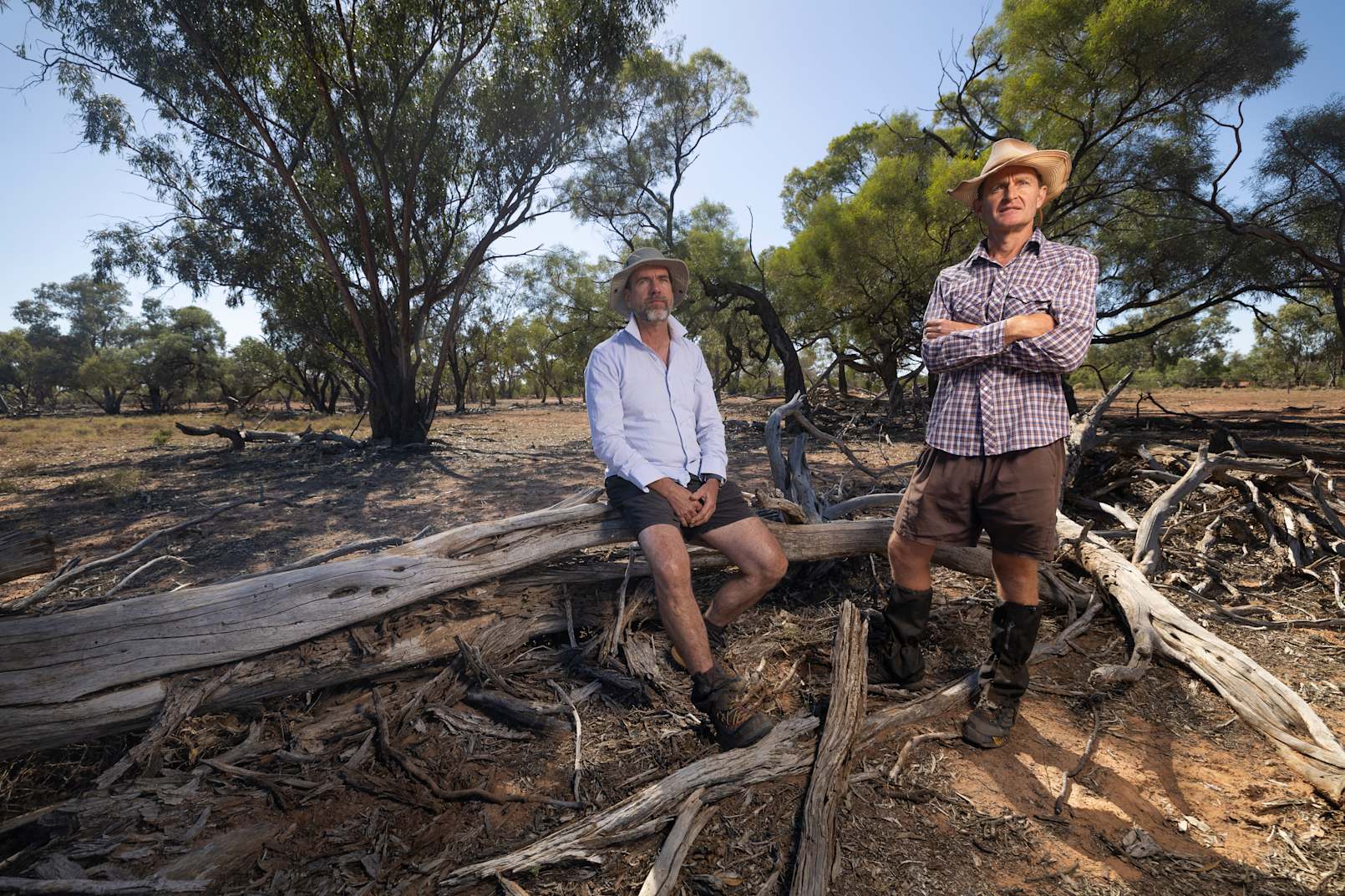
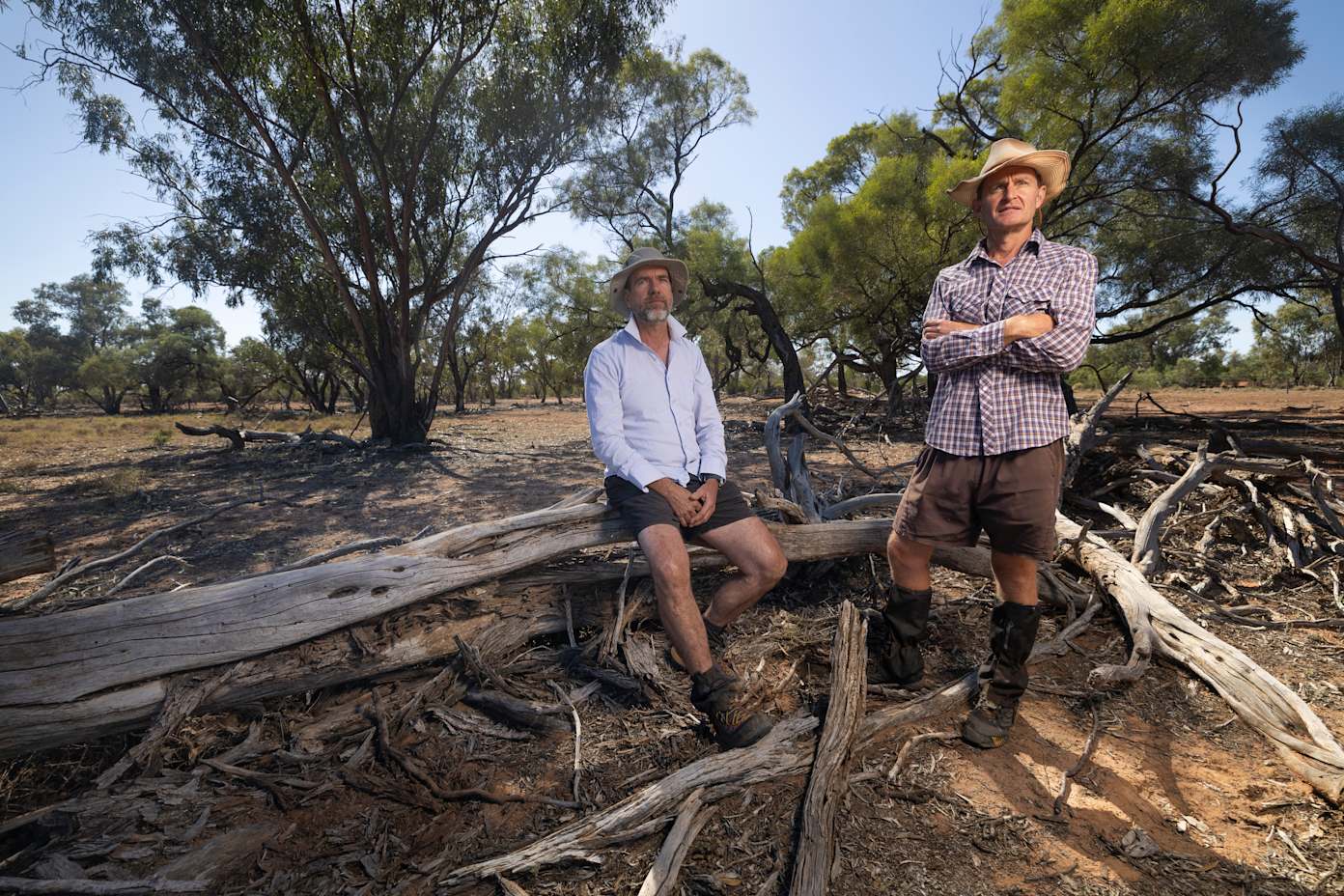
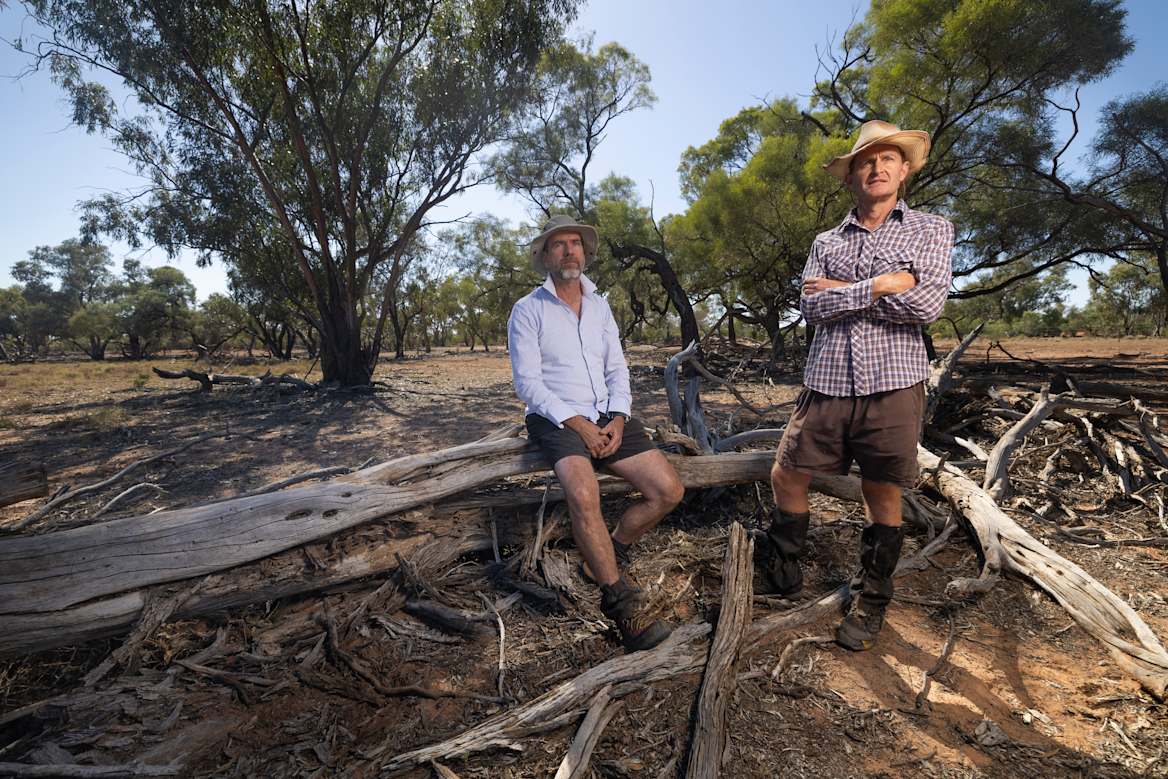
Professor Andrew Macintosh adjusts his hat and stalks up a red-dirt track 160 kilometres north of Bourke. He’s skirting a big bush property that became a carbon farm under former owner, ex-cricketer Glenn McGrath.
“I didn’t know about [carbon farming] until my brother called me about it,” McGrath told the Australian Financial Review in 2015.
“We will set aside parts of the property to grow [mulga trees] and those trees will take carbon out of the atmosphere and [we’ll] still be able to run our stock … We are always looking for ways to get a different income stream.”
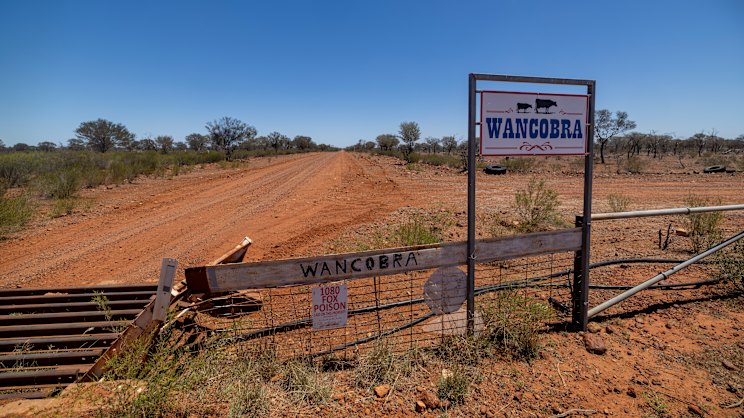
McGrath sold the farm, Wancobra, to his brother, Dale, shortly after giving that interview. Under Australia’s biggest carbon farming method, known as Human Induced Regeneration, or HIR, it reaps a good income from those mulga trees.
HIR encourages landowners to control grazing pressure in the belief that native forests will regenerate on degraded farmland, locking up carbon from the atmosphere for between 25 and 100 years .
The vast majority of Australia’s 429 HIR properties – comprising an area larger than Japan – are on Australia’s marginal rangelands, and HIR generates so many carbon credits at such a low cost that it’s become the backbone of Australia’s carbon offset market.
It provides one-third of the credits bought by big emitters to help them meet their emissions reduction targets under the government’s Safeguard Mechanism.
Macintosh – the man scanning the bush surrounding the road at Wancobra – is the biggest burr under this industry’s saddle.
For almost a decade, he’s been saying the forests it’s supposed to be creating simply will not appear.
What he sees around him at Wancobra seems to confirm it.
“We’re meant to be standing in a 16-year-old forest,” he says with incredulity, pointing out stands of craggy eucalypts and decades-old mulga.
“Look at it! It’s an ancient woodland, for Christ’s sake. And there’s nothing, nothing at all that could possibly be attributed to the [carbon] project.”
HIR, he says, is a “$1.5 billion to $2 billion scam”.
The latest research article by Macintosh and his team, produced for the Australian Conservation Foundation, seems to prove it. This masthead is not suggesting participants in the system have done anything wrong, only that critics such as Macintosh argue it is not well designed or functioning as intended.
Macintosh and his team have examined 50 projects, including the McGrath family spread, using new, sharper, satellite imagery. Most claim they have been regenerating native forests on their land for approximately 16 years so they should be relatively mature and clearly visible in satellite imagery, the paper says.
Instead, Macintosh says the satellite images show the tree cover on these properties has barely changed despite a recent historically wet triple-dip La Nina period.
The images also show little difference between HIR projects and the non-project control areas that surround them.
Based on the study, issued this week, ACF chief executive Adam Bandt says large emitters, particularly oil and gas companies, were left relying on “phantom forests” and “invisible trees” that “greenwash new mines” rather than paying for measures that actually reduced their emissions.
“Coal and gas love these scam offsets because it allows them to keep expanding and making the climate crisis worse,” Bandt says.
The freshened debate comes at a crucial time for the government, which is flashing its climate credentials on the world stage at COP31 and attempting to credibly move towards net zero.
The government is also formulating a new method of carbon farming that critics fear might perpetuate the worst elements of HIR in future decades.
Climate change minister Chris Bowen has previously described offsets as “a critical part of the ‘net’ in net zero”.
Critics of Macintosh and his team – and there are many in government and industry – say they are simply wrong. They take issue with his methods and his conclusions. The new biomass is there, they insist; it’s just accumulating in ways that are not always evident in the tree canopy, and early regeneration cannot be seen by satellites.
They argue the science about forest growth and the technology to measure it have evolved well beyond the data sets Macintosh uses and multiple studies and audits prove the offsets from HIR are genuine.
Cath Waters, the head scientist at carbon company GreenCollar and an expert in rangelands, says, “we just don’t get issued credits unless we can prove with evidence that these things are happening”.
“It’s frustrating when people can’t see that because they are using the wrong metrics and the wrong tools.”
Wancobra is seeing a bumper year. When this masthead visited this month, the Cuttaburra Creek, which runs through the property, was flooded with water flowing south from the stormy spring weather in Queensland. The ground underfoot, though, remains dry.
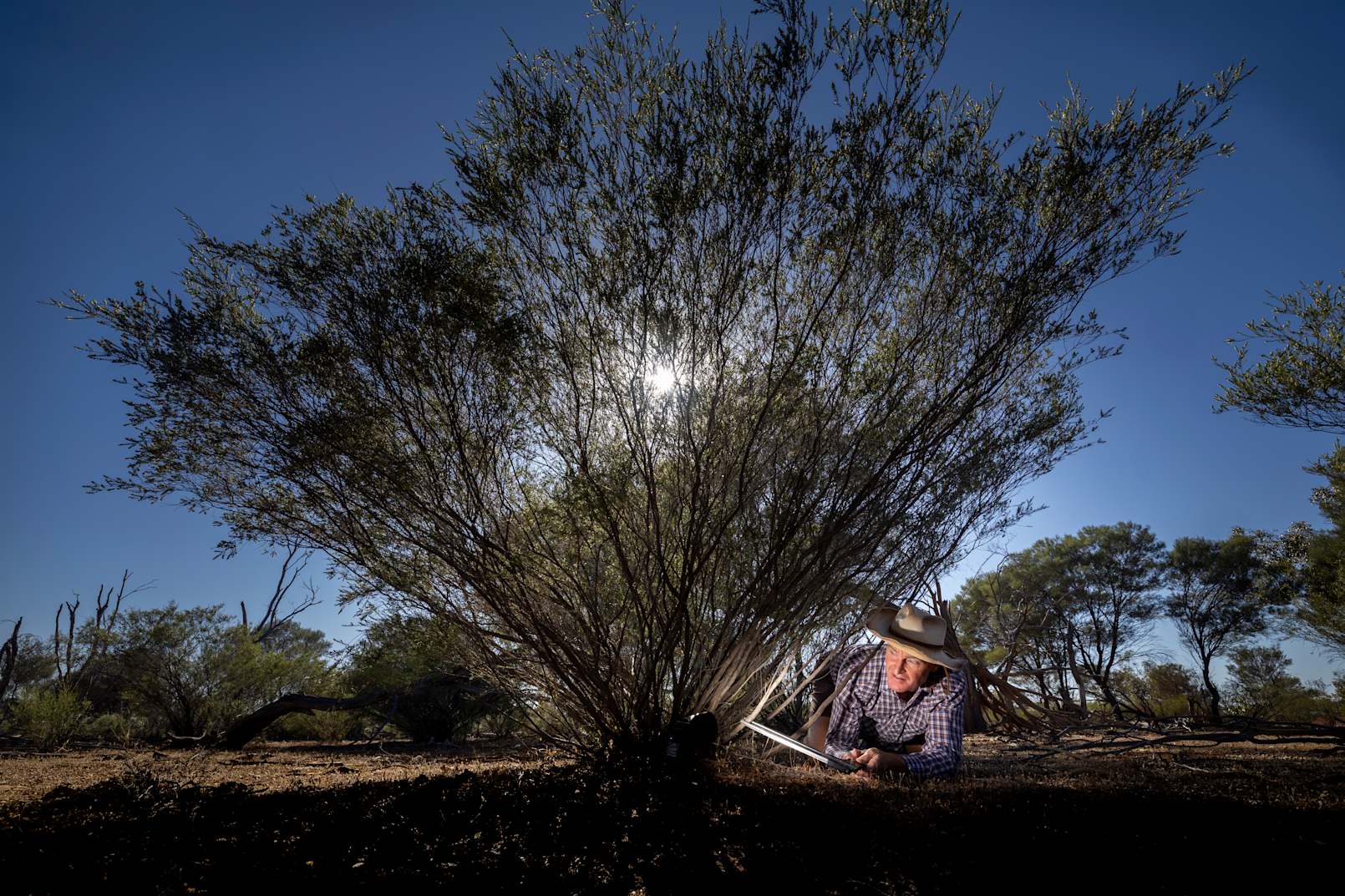
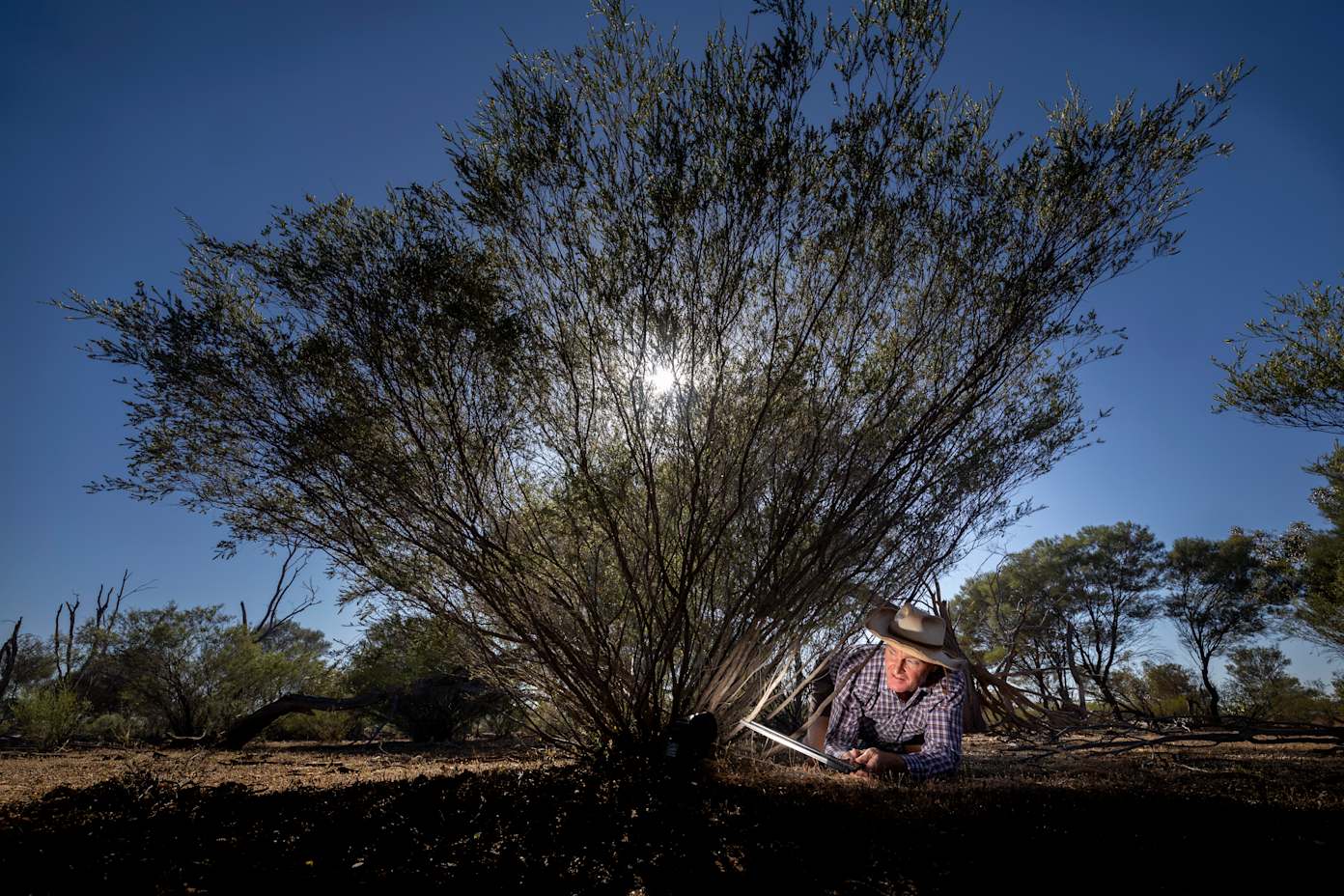
Forest does exist here – but don’t think of it like the Daintree. It’s a sparse, rangeland scrub, made up of chewed mulga trees (a hardy acacia), a variety of eucalypts, some smaller shrubs, and dust and woody debris in between.
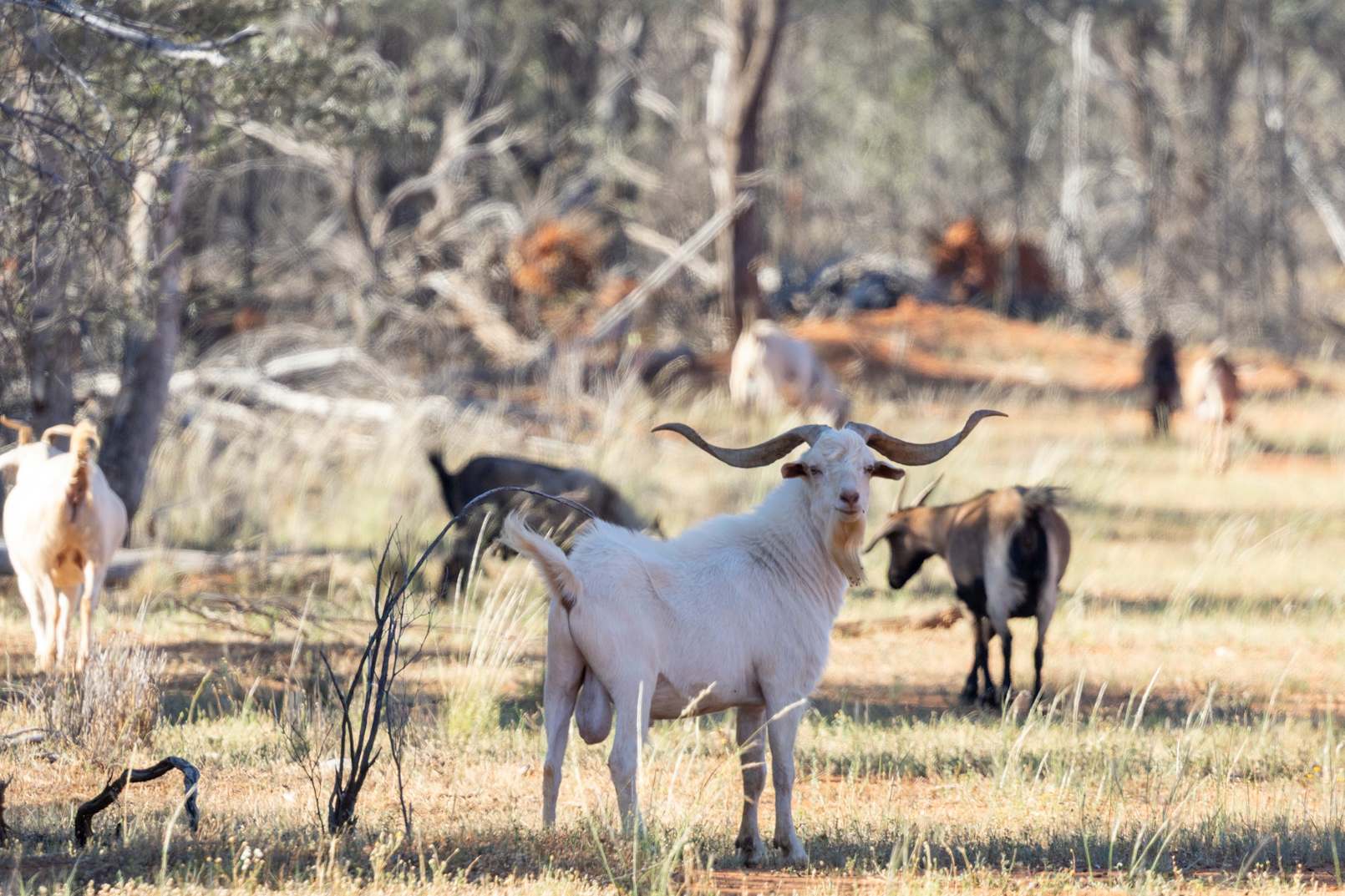
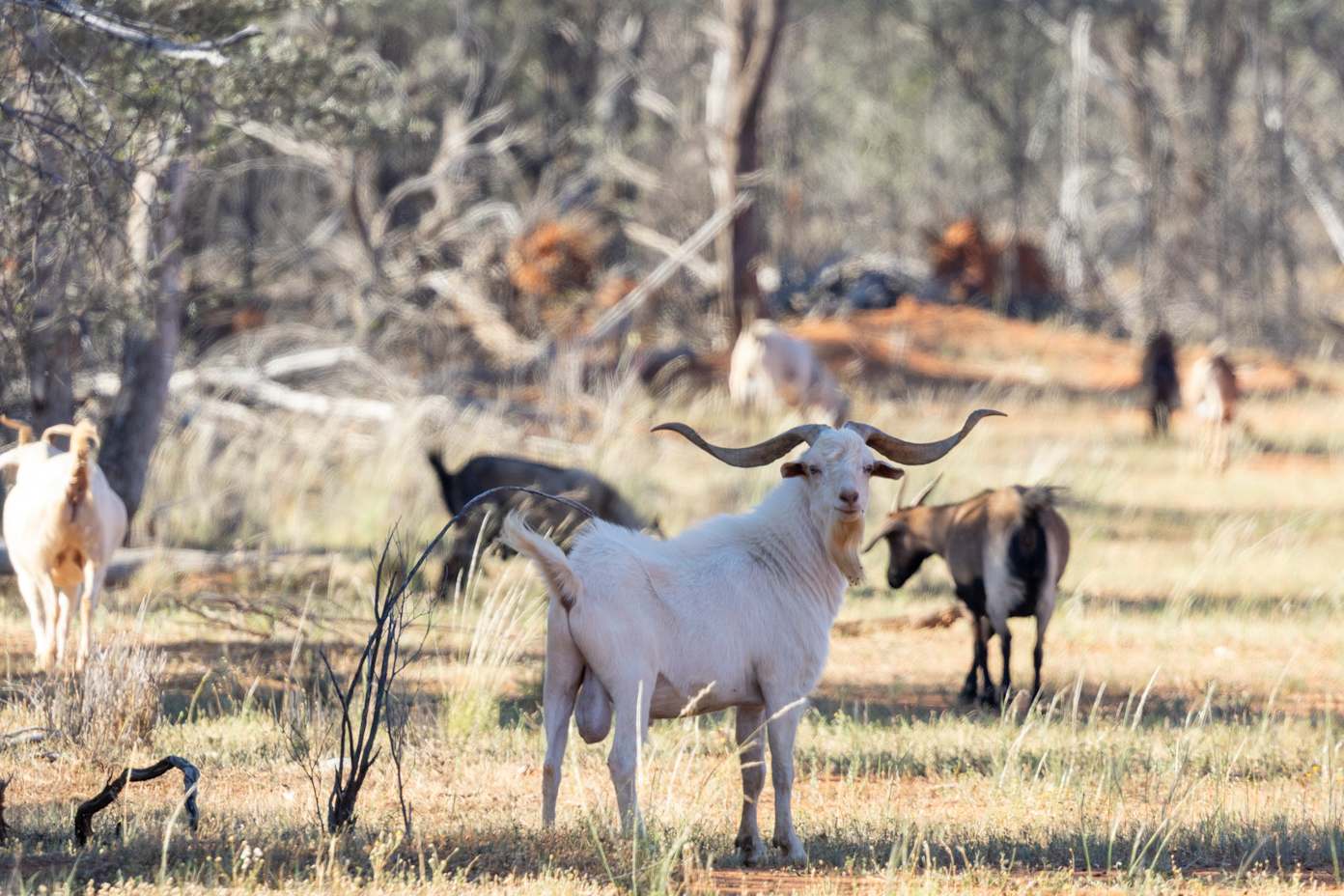
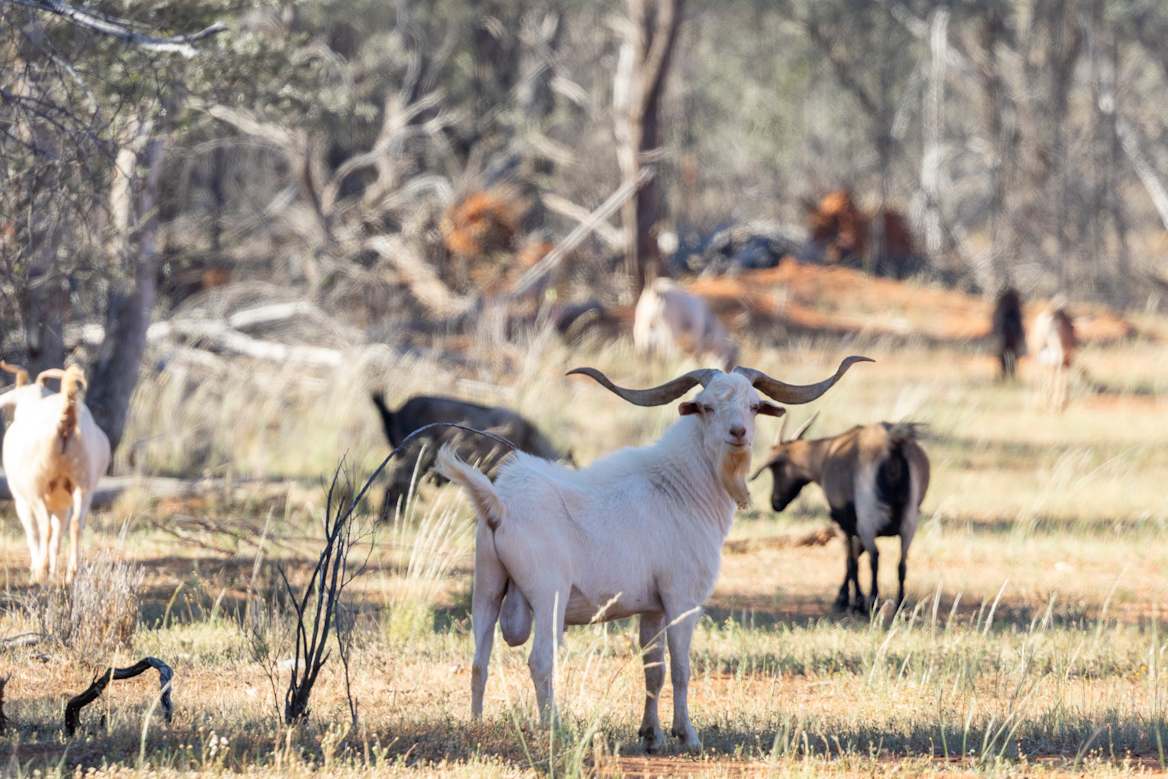
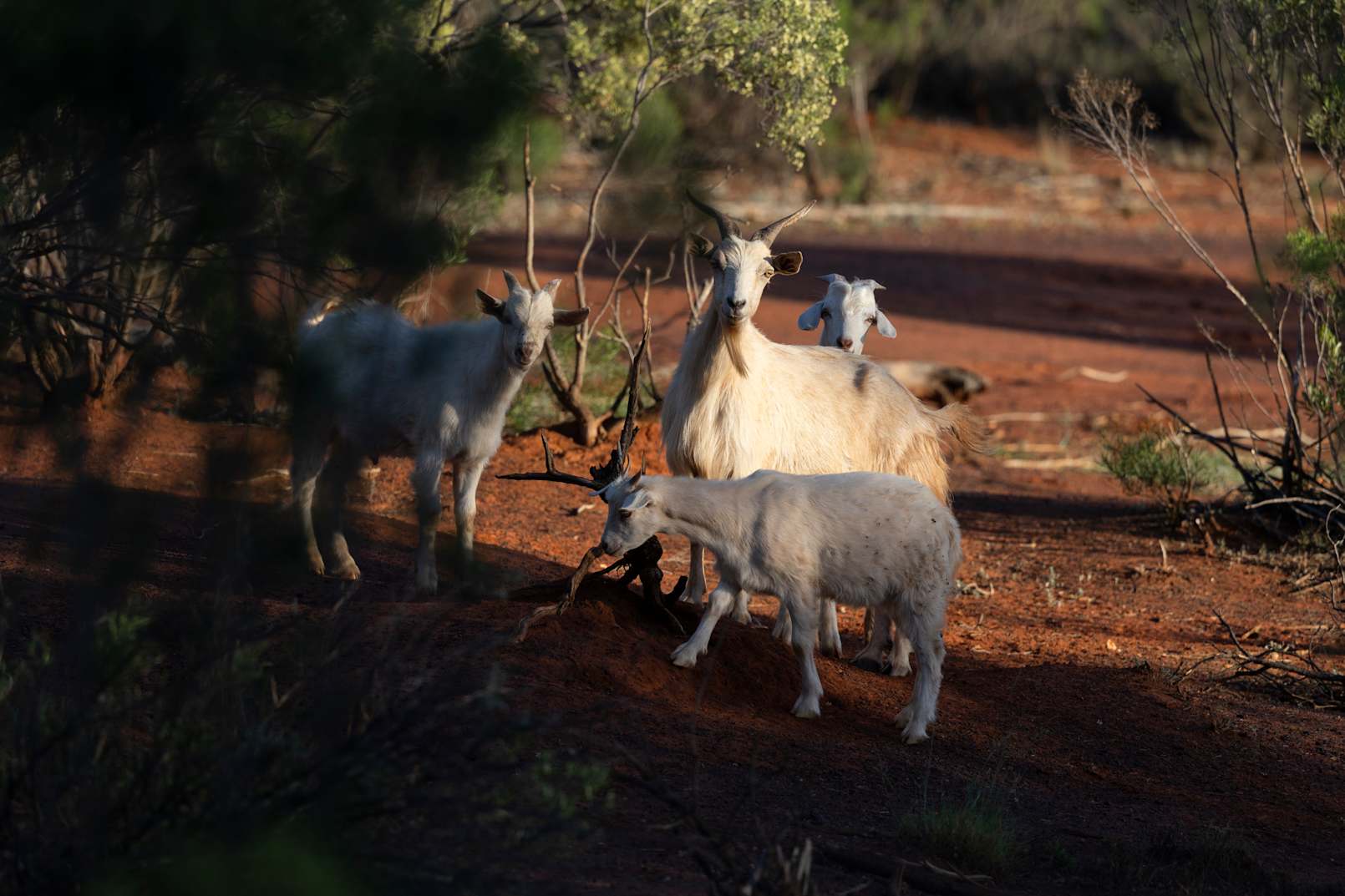
Under the HIR method, nobody needs to plant a tree to store carbon. The method is based on the idea that grazing animals suppress and kill potential trees, so that when farmers reduce (but don’t eliminate) the sheep and cattle, and control feral animals like goats, a new, “permanent, even-aged” forest naturally regenerates from existing root material.
Each tonne of carbon these new trees suck from the atmosphere is “additional” abatement and can be converted into an Australian Carbon Credit Unit (ACCU) – a financial instrument that companies buy to offset an equivalent tonne of their industrial emissions.
Wancobra’s proponents have already been paid for locking away 157,000 tonnes of carbon dioxide, with more in the pipeline. Dale McGrath’s company, along with his carbon service provider, Climate Friendly, have been paid perhaps $4.2 million (an estimate based on prices at the time of various sales – exact figures are not publicly reported).
Neither Dale nor his brother, Glenn McGrath, responded to requests through intermediaries for comment, and there’s no suggestion they have done anything wrong.
Like hundreds of farmers who have established HIR projects on mostly rangeland properties across 38 million hectares of Australia, they have acted under rules proposed, administered and regulated by government agencies.
Ecologist and bio-geographer Professor Don Butler, one of the group of scientists helping inform Macintosh’s view in this debate, says those rules are misconceived.
He has come with Macintosh to Wancobra and inspected a number of other properties in the carbon belt of northern NSW and southern Queensland, to see for himself.
Near the edge of the road, Butler points out three mulga trees of different sizes. Each has been substantially chewed by some of the sheep or cattle ranging the property. Mulga is not their preferred diet, he says, but when there’s no grass they eat its leaves.
The trees, says Butler, will survive, and with good rains the animals shift their attention to grass. This allows the trees to “get away”, growing larger and becoming canopy trees. In bad times some will die – all part of a natural cycle in a landscape that’s thousands of years old.
On Wancobra, says Butler, the mulga trees are decades old, and the eucalypts older. So if this happens anyway, he finds it hard to see any “additional, permanent” forest that’s grown in the past 15 years that could credibly lock up tonnes of carbon.
“Grazers aren’t the main control of woody biomass in these landscapes. It’s rainfall,” Butler says. “I’d expect this place to look very much like this, whether the [carbon] project occurred or not.”
“There are some signs of management but very, very few signs of additional carbon being stored.”
Macintosh says this trip past Bourke confirms the satellite evidence in a report released on Wednesday for the Australian Conservation Foundation.
The study looked at 50 projects, most of which were supposed to have fulfilled their forest potential. Despite the historically wet triple-dip La Nina period, the study found average crown cover across the areas credited for carbon storage showed negligible change over eight years. It was 29 per cent cover in 2017 and 30 per cent in 2025.
Based on the carbon credits issued the figure should have been between 50 per cent and 58 per cent.
Surrounding comparison areas outside the projects were virtually indistinguishable, the report says, suggesting to Macintosh and his team that grazing changes made little to no difference to forest cover.
The results were verified through the visual assessment of thousands of very high-resolution satellite images by two members of the Macintosh-Butler research team and three assessors from an independent organisation, who had no information on the context.
“It’s a total affront to ecology to think you can grow forest here,” Macintosh says, pointing at the Wancobra bush, “and it’s an affront to the law that they’re issuing carbon credits for growing forest in places where it just can’t happen.”
The Safeguard Mechanism puts no limits on the number of offsets companies can buy and the conservation foundation’s Adam Bandt says almost half the carbon credits generated by HIR are sold to oil, gas and coal giants.
Meanwhile, the former Greens leader says, their actual emissions fell by just 0.4 per cent in the mechanism’s first year of operation.
“Coal and gas corporations are gaming the system and they should be banned from buying offsets. They should be forced to stop expanding and actually cut their pollution,” Bandt says.
The Greens’ forests spokesman Nick McKim agrees.
“It’s fertile ground for rentseekers to make a quick and easy dollar, and that’s what appears to be happening,” he says.
McKim holds a share in the balance of power in the Senate, and is set to challenge new legislation proposed by the government to regulate the “integrity and transparency” of carbon credits.
The government is also now proposing a new carbon farming method after new entrants to HIR were cut off in 2023.
McKim fears the new law provides a “disastrous” pathway for HIR projects to be “rolled over into a new, potentially weaker, methodology”.
Macintosh’s critique has been loud and persistent, and now the carbon industry is hitting back hard.
In background provided to this masthead, carbon services company GreenCollar accuses the ANU academic of cherry-picking information, using immoderate language, and a conflict of interest because he’s the non-executive director of a pastoral company which has (non-HIR) offset projects. Macintosh said his external roles had no impact on his research.
The government agencies that administer the market, the carbon companies that promote it and the big emitters who buy ACCUs are adamant the science of forest regeneration is sound.
They say satellites are an outdated measuring technology and they rely on modern laser tools called LiDAR to build 3D images of forests in detail. These images, which are proprietary and not available for external scrutiny, can count new carbon-storing biomass with unprecedented precision and prove it’s accumulating, they say.
James Schultz, the chief executive of GreenCollar, which is the agent for the Inverness project pictured above, says the company’s measurements show “actual change” and looking at the canopies of trees from space is a poor proxy for measuring biomass.
“Biomass is below the ground, it’s shrubs, juvenile tree species, and the composition changes. What it looks like now and what it looks like in 20 years will be different,” Schultz says.
His company’s head scientist, Cath Waters, says satellites do not see “small juvenile growth below two metres in height”.
A rangeland expert and PhD in molecular ecology, she insists “total grazing pressure” from livestock and particularly feral goats can kill tree seedlings, and managing this pressure according to the season and rainfall promotes tree growth.
“By putting up fencing, managing water points so you’re trapping background populations of feral animals like goats, you can allow paddocks to rest and recover,” Waters says.
On Inverness and neighbouring carbon farm Culgoa Downs, 21,000 goats had been removed to promote new forest.
Macintosh’s satellite study found Inverness had exactly the same average crown cover in 2017 as in 2025. At the same time it was paid for 368,000 ACCUs, receiving an estimated $8.7 million.
Schultz insists the property has tripled its forest cover and is close to meeting the legal definition – 20 per cent of canopy on each 0.2 hectare segment of land on which it is expected.
As for carbon markets generally, according to Schultz, they are “an extraordinary opportunity to channel money away from polluting industry and towards landscape – a transfer of wealth from the energy sector into the land sector”.
Skye Glenday, the chief executive of Climate Friendly – a carbon company and the agent for Wancobra, Longdowns and Wapweelah projects (pictured above) – also says Macintosh’s criticisms of the scheme are “fundamentally flawed”.
“Nobody can judge whether an HIR project is regenerating by eye-balling a handful of satellite images … That is not robust evidence,” Glenday says. “The HIR method has repeatedly been found to be sound.”
Bowen referred questions to his department, which pointed to “seven independent reviews”, including the 2022 inquiry by former chief scientist Professor Ian Chubb, which found the scheme worked. The government regulator, CER, says when properties fail audits, the failing areas are removed from the project, ensuring the scheme’s overall integrity.
Another ANU academic, Associate Professor Cris Brack, is the independent reviewer on behalf of the government regulator. He cites studies that say the number of trees and their average size increases by about 30 per cent when grazing is excluded.
He is confident from his reviews that HIR is working as it should.
“I see projects that have passed their five- or 10-year gateway checks … These 100-plus projects are on schedule to regenerate forests,” Brack says.
Coal company Rio Tinto tells this masthead it verifies the carbon credits it buys with site visits and due diligence assessments.
Another coal producer, Glencore, relies on the regulator to ensure the integrity of the scheme.
ASX-listed oil business Woodside says it runs its own HIR schemes and its ACCUs “meet the registration and compliance requirements” of the government.
HIR was closed to new entrants in 2023, though the credits it still produces are the backbone of carbon compliance by big emitters in industry.
The next big argument will be about its replacement – the so-called Integrated Farm and Land Management method. The government announced this week it was sending the draft off to the official evaluation committee for review, though it’s not yet publicly available for scrutiny.
Macintosh and a group of eminent experts and scientists, including Butler, fear the new method will be a shell into which the old HIR rules and failing projects can be poured, allowing a flawed idea to be extended indefinitely.
The 18 scientists signed a joint statement last year saying if this happened, the new model would not “satisfy the offsets integrity standards”.
At the same time, they believe, new integrity and transparency legislation now before the parliament would provide the mechanism for rolling over existing bad projects.
“The bill appears to be primarily designed to ensure low integrity offset projects continue to be credited and conceal maladministration of the scheme,” Macintosh said in a submission to the inquiry.
By rights, if properties do not grow the promised forests at the end of their lifespans, the proponents should hand back what they’ve earned, and the credits bought by industry should be reversed. A rollover into a new method, Macintosh believes, is designed to prevent that.
“The government is running a protection racket for people who have made money out of HIR,” Macintosh says. “The government’s focus is on ensuring there is a healthy supply of cheap, low-quality credits to ensure the carbon price faced by big polluters remains low.”
The ultimate proof of HIR’s effectiveness, though, will be the climate itself. Macintosh says, “where there has been regeneration, most of it is not going to last through any decent drought” – a regular feature in the outback, Macintosh says.
“We’re heading for bust times and that’s the natural system here,” he said. “And that’s what we’re going to see.”
Get to the heart of what’s happening with climate change and the environment. Our fortnightly Environment newsletter brings you the news, the issues and the solutions. Sign up here .