.png)
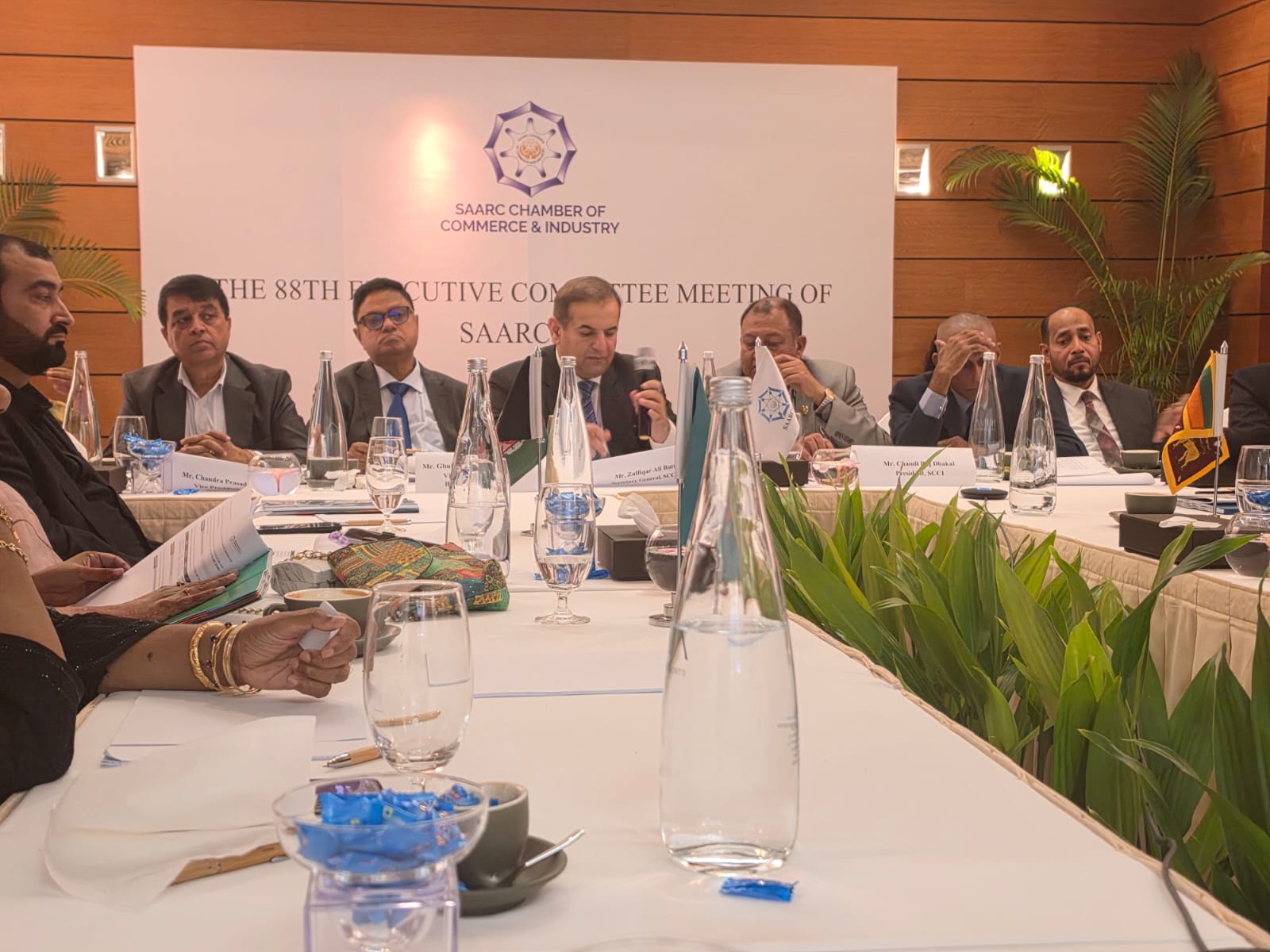
Chandra Prasad Dhakal has been appointed Chair of the Tourism Committee of the SAARC Chamber of Commerce and Industry (SAARC CCI). His appointment was made during the 88th Executive Committee meeting of SAARC CCI held in the Maldives.
Dhakal expressed gratitude to the SAARC Chamber family for entrusting him with the responsibility and said he was committed to contributing to the development of tourism across the South Asian region.
Dhakal highlighted the unique geographical and cultural diversity of South Asia, describing the region as one of the world's most promising tourism destinations. From the Himalayan range and Mount Everest to the islands of the Indian Ocean, South Asia encompasses landlocked countries, extensive coastlines, forests, deserts, and rich religious and historical heritage.
With around one-fourth of the world's population residing in the region, South Asia also represents a vast potential domestic and intra-regional tourism market.
Dhakal said realizing this potential would require greater investment in tourism infrastructure and coordinated efforts to strengthen the regional tourism ecosystem.
Dhakal emphasized the need to create an environment where established hotel and hospitality brands from South Asian countries can expand across the region. Such expansion, he said, would facilitate not only capital flows but also the exchange of knowledge, skills, technology, and expertise.
In Nepal's context, he said investors and established hotel chains from SAARC member states could be encouraged to invest in tourism infrastructure, while Nepal's hospitality experience could be integrated into the broader regional tourism network.
Dhakal called for the promotion of intra-regional tourism through a campaign based on the concept of “Travel Within SAARC.” He suggested developing common tourism circuits and packages that connect destinations across member countries.
Such initiatives could promote greater exchange in religious, cultural, ecological, and adventure tourism while encouraging travelers to explore multiple destinations within the region.
According to Dhakal, improved regional connectivity will be a fundamental requirement for achieving these objectives. Expanding direct air and land connectivity among major cities across SAARC countries could facilitate the movement of tourists, businesspeople, and investors.
He also stressed the importance of connecting Nepal's international airports directly with major destinations across the SAARC region. Improved air connectivity, he said, could significantly contribute to the promotion of regional tourism and enhance Nepal's integration into the South Asian tourism network.
Dhakal emphasized that strong cooperation between governments and the private sector across SAARC countries would be essential to achieving regional tourism goals.
He said regional platforms such as SAARC CCI could serve as a bridge for policy coordination, business partnerships, investment facilitation, and greater collaboration among tourism stakeholders.
As Chair of the Tourism Committee, Dhakal expressed his commitment to playing a results-oriented role in promoting shared tourism development, stronger regional cooperation, and prosperity across South Asia.