B ack in 2011, Chad Harbach’s debut The Art of Fielding was hailed as the next Great American Novel. Set on the campus of Westish, a fictional midwestern liberal arts college, and steeped in baseball, it grappled with the big, quintessentially American themes – ambition, failure, the pursuit of perfection – that have traditionally been the genre’s hallmark. Harbach himself winkingly invited the categorisation: The Art of Fielding communes directly with the spirit of Herman Melville, arguably the greatest Great American Novelist of them all. Westish College, the novel explains, has claimed Melville as its own since the discovery of a lecture he gave there in 1880: its baseball team is known as the Harpooners; and a Melville statue presides over the campus like the genius of the place.
Legend has it that Harbach laboured over The Art of Fielding for more than a decade. When it finally emerged, a feverish bidding war saw it sell for more than $650,000 (£431,000), a saga chronicled at length in Vanity Fair. Any follow-up to such a high-profile debut, let alone one 15 years in the making, was always going to be read against the original. The Brightness, set on the same campus and peopled by many of the same characters, all but demands direct comparison. Throw in the fact that Harbach’s first novel actually turns up inside its sequel, and we’re in metatextual heaven. In the four years of Westish time that have elapsed between the two books, Owen Dunne (baseball player in The Art of Fielding; groom-to-be here) has written and published, to great acclaim, a novel called – guess what! – The Art of Fielding.
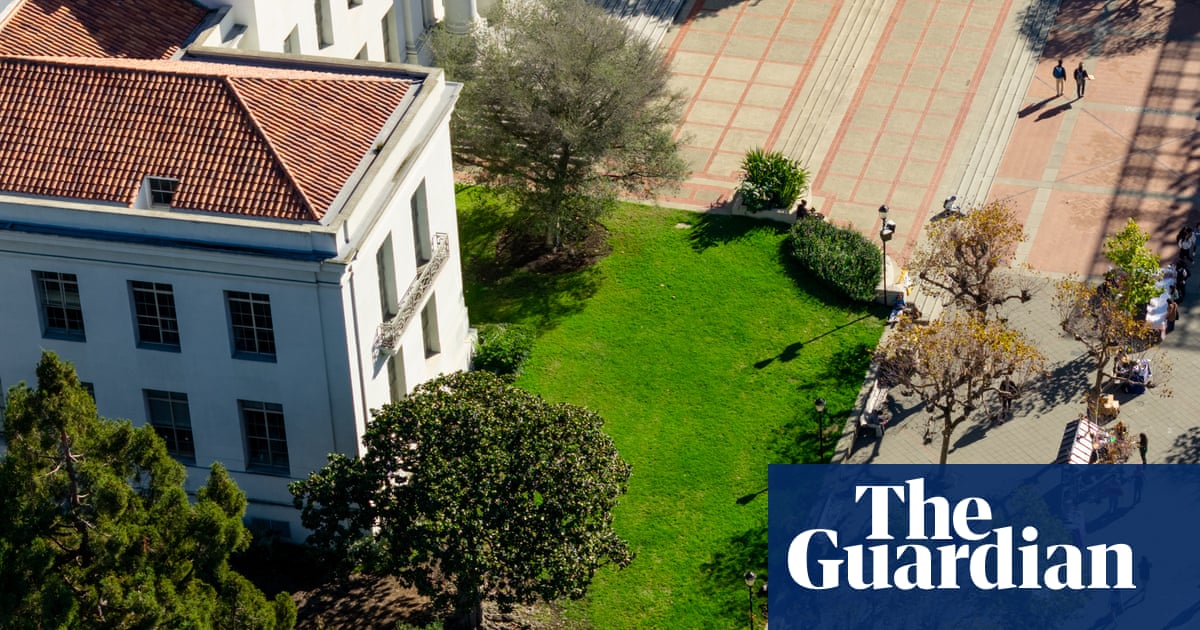
It’s a bold move – but Harbach’s gifts as a writer mean that he goes a long way towards pulling it off. The Brightness, which unspools with the same warmth and expansiveness as its predecessor, in the same generous multi-perspective realist mode, folds us in from page one. Returning to Westish after so long away offers the reader the cosiness of a college reunion: the campus, with its “maples and conifers”, its “green geometries of Small Quad and Large”, is pleasurably recognisable, and it’s a treat to check in on old friends. Harbach’s focus shifts away from star shortstop Henry Skrimshander (The Art of Fielding’s least interesting character) on to Owen, and Mike Schwartz, the Harpooners’ former captain, now assistant athletic director. And at the centre of this sequel is Pella: a complex, independent spirit in The Art of Fielding; now, at 27, possessed of all the trappings of secure adulthood, but labouring under a growing sense of restlessness.
But this isn’t purely a nostalgia tour. Alongside the old hands come a new generation of undergraduates, bounding on stage to throw everything into confusion. First among them is Irma Friske, Pella’s closest friend despite the six years between them: a “nerdy and beguiling” scholarship student, possessed of a “finicky mind”. At the novel’s opening, we see Irma turning away from the comfort of her friendship with Pella towards something knottier, but far more electrifying. Together with Pammy Chang and magnetic, troubled Dahlia Breughel, she dreams up a feminist “project” carried out at one of Westish’s notorious start-of-the-semester parties, which culminates in two football players waking up the morning after with a shocking phrase tattooed across their foreheads.
The fallout from the prank (or protest, or art project, or hate crime, depending on your perspective), and the questions it raises about power, consent, and the administration of justice, spreads beyond the campus into the national press. The novel, set in 2015 on the brink of Trump’s first presidency and the global #MeToo movement, captures how such actions might have been seen at the time: as original, as essential, even as a means to celebrity and power. The dramatic irony is that we’re reading about them in the shadow of the recent events at Cornell University – which cast the determination of the girls and their champions in a different light.
Either way the act and its fallout are propulsive: like Henry’s errant throw in The Art of Fielding, they set everything in motion. But here’s where the books diverge: reaction, in The Brightness, only carries things so far. While the first half of the book is tight, focused and plot-driven, the second sees the characters’ expected trajectories petering out. Rather than finding themselves propelled to their destination, they pause, cast around, question the paths they’re on. Where The Art of Fielding was a quest narrative of sorts, The Brightness is closer in form to a picaresque: more nebulous, more provisional; more interested in the journey than the destination.
And this is where its real ambitions lie. If Melville was the presiding genius of The Art of Fielding, in The Brightness Harbach shifts his allegiance to Shakespeare. Macbeth gets a look-in – Irma, Pammy and Dahlia are quickly dubbed “The Witches of Westish” – but the deeper conversation is with The Tempest, Shakespeare’s last solo play and his most magical. Harbach’s young women want to be Prospero, arranging the lives of everyone around them. Irma and Dahlia aren’t content to be characters in someone else’s story: they want to write their own, and to write other people into it. But a story, once loosed on the world, refuses to stay where it’s put. The campus reads it one way; the national press another. Its meaning slips out of their hands.
It is Pella who arrives at the book’s governing insight. “You couldn’t proceed from some shaping wish regarding how things should be,” she reflects, late in the novel. “You couldn’t worry about how your life might look from the outside, to some observer or reader, even if the reader was you.” Or, as another character puts it: “To be in your 20s is to not quite know what the story’s about … You can’t see any shape to it.” The Tempest ends with Prospero breaking his staff and drowning his book. In The Brightness, Harbach steps back from imposing an overarching plot, and lets his characters make their own way, as people in their 20s have to do.
It’s a lovely idea, and a brave one. The trouble is that while shapelessness may be true to life, within a novel, it risks feeling less like freedom than like a story that has lost its way. The Brightness ends on a note of ambiguity – the suggestion that it, too, may be a construct of one of its characters. If that’s the case, we may have to read the next novel to fully perceive this one’s shape and meaning. Let’s just hope we don’t have to wait for another 15 years.


