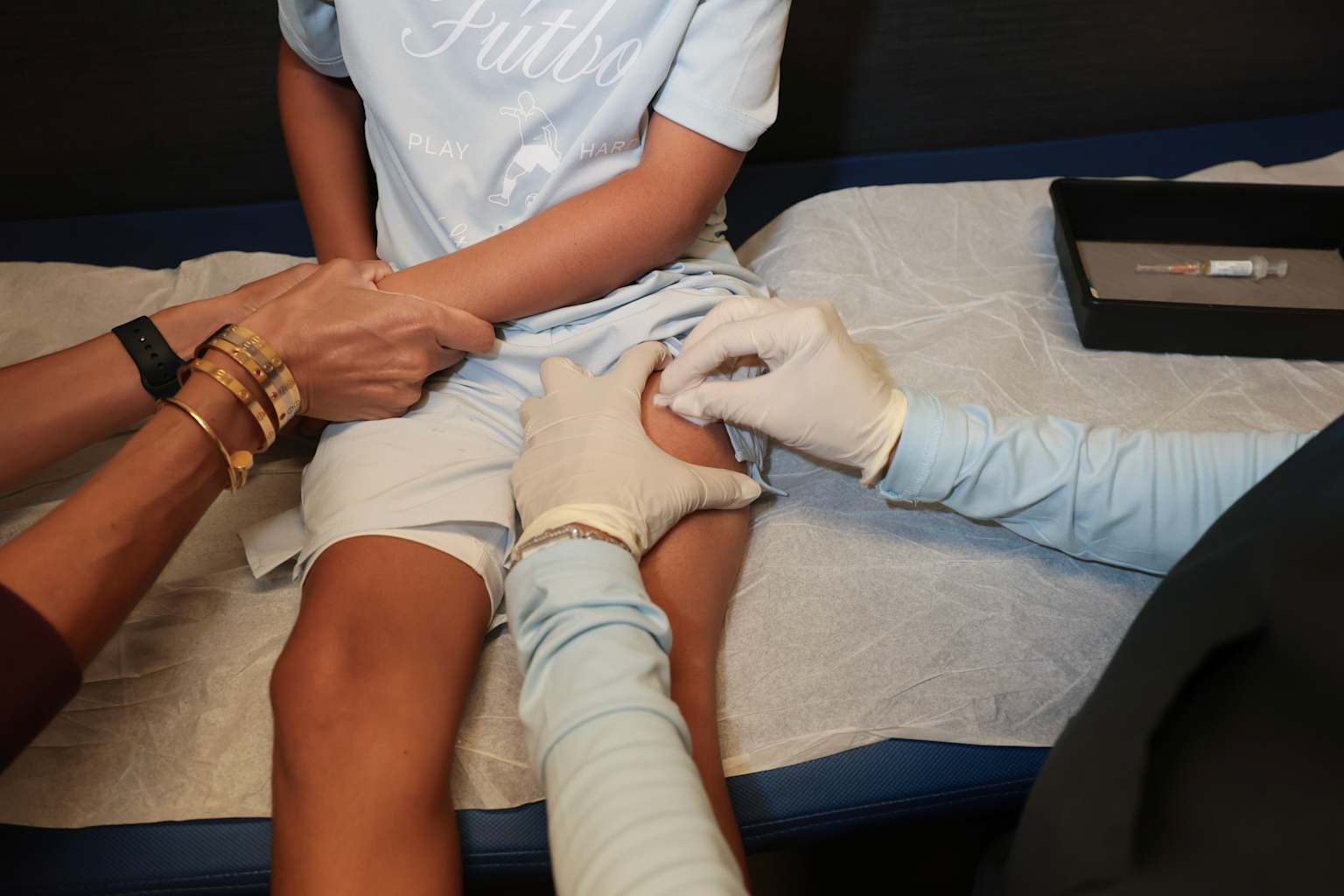
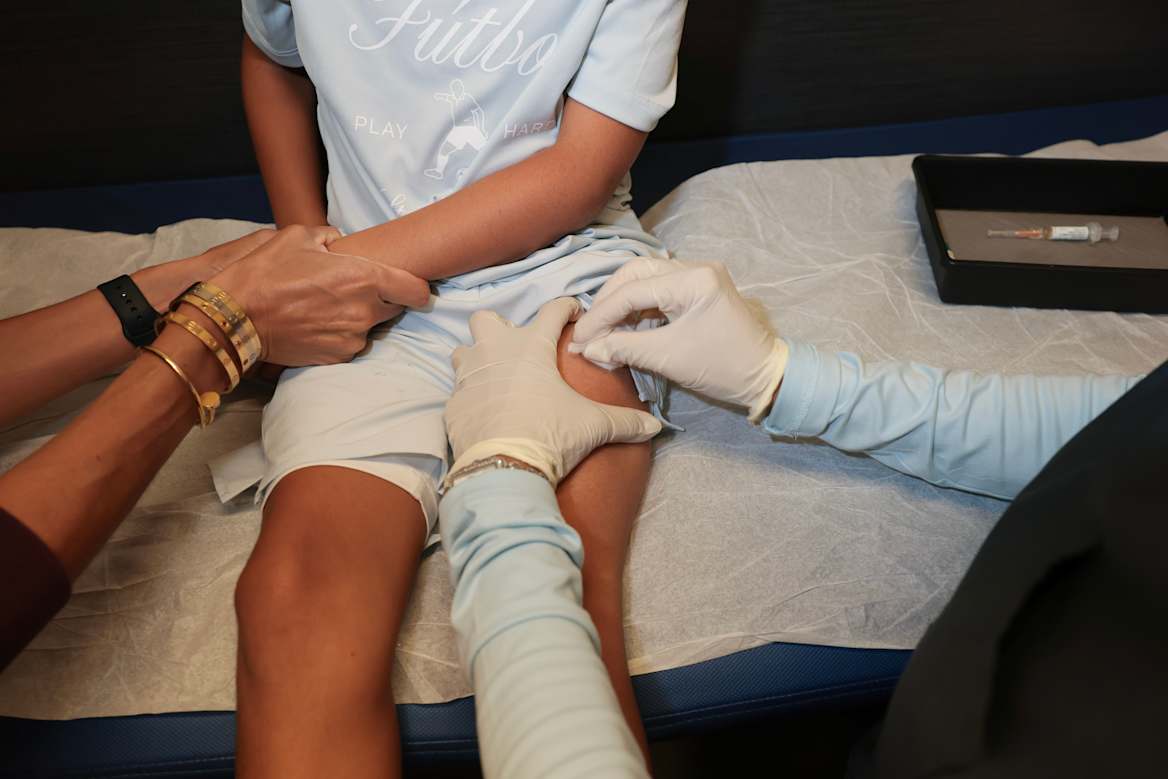
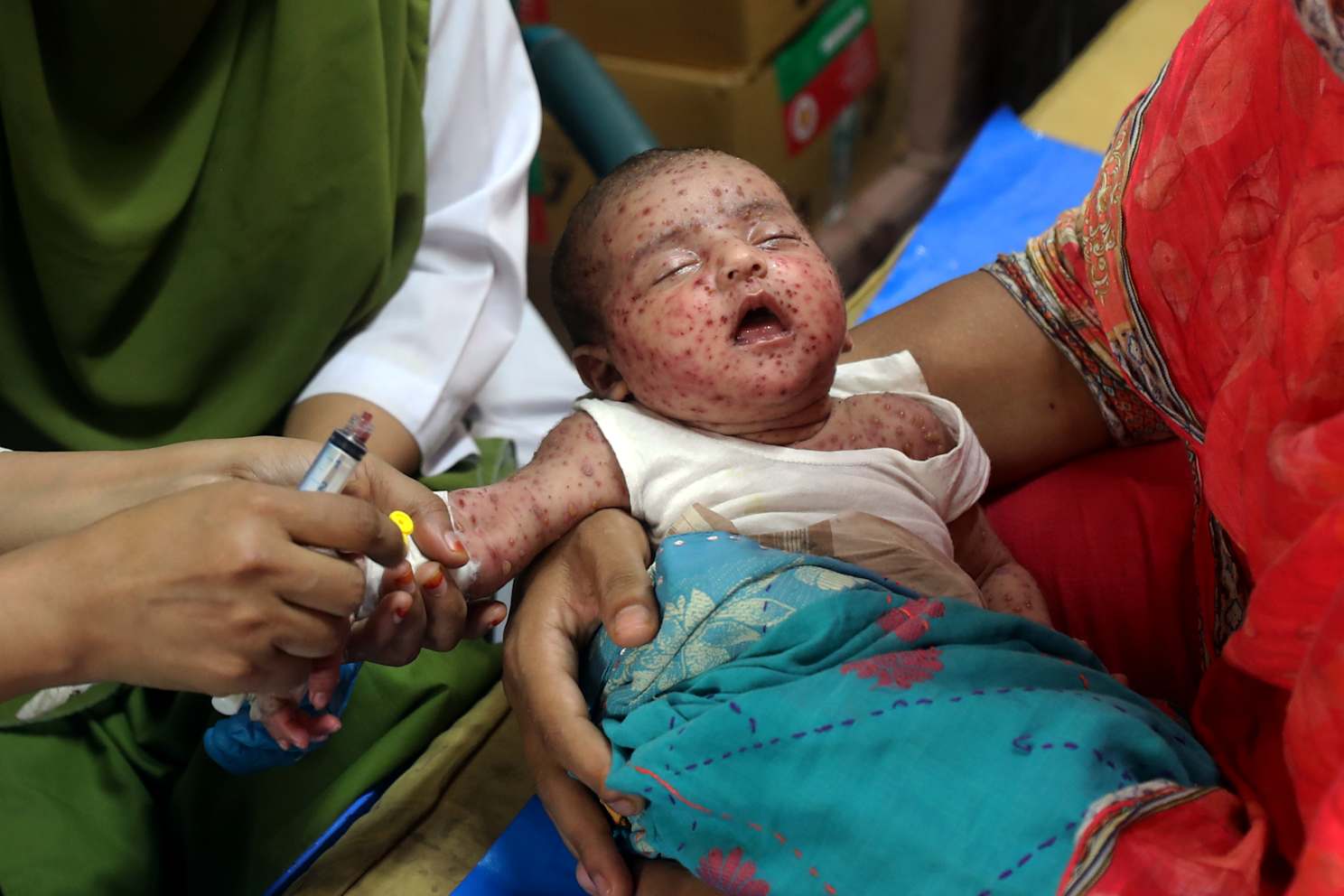
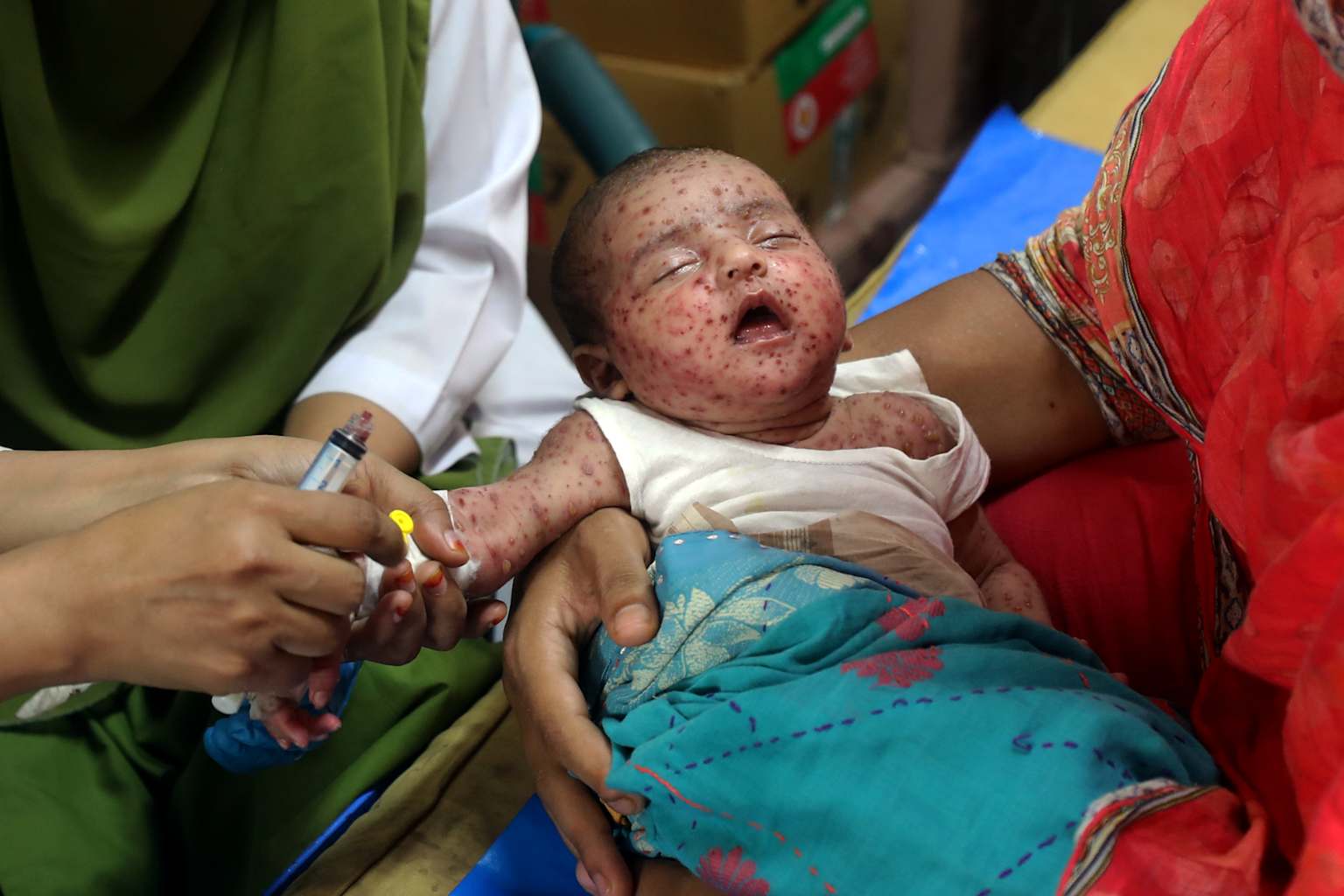
The rise of “anti-science” influencers risk globalising the United States’ politically fuelled measles outbreak and infecting Australia, a global public health expert has warned.
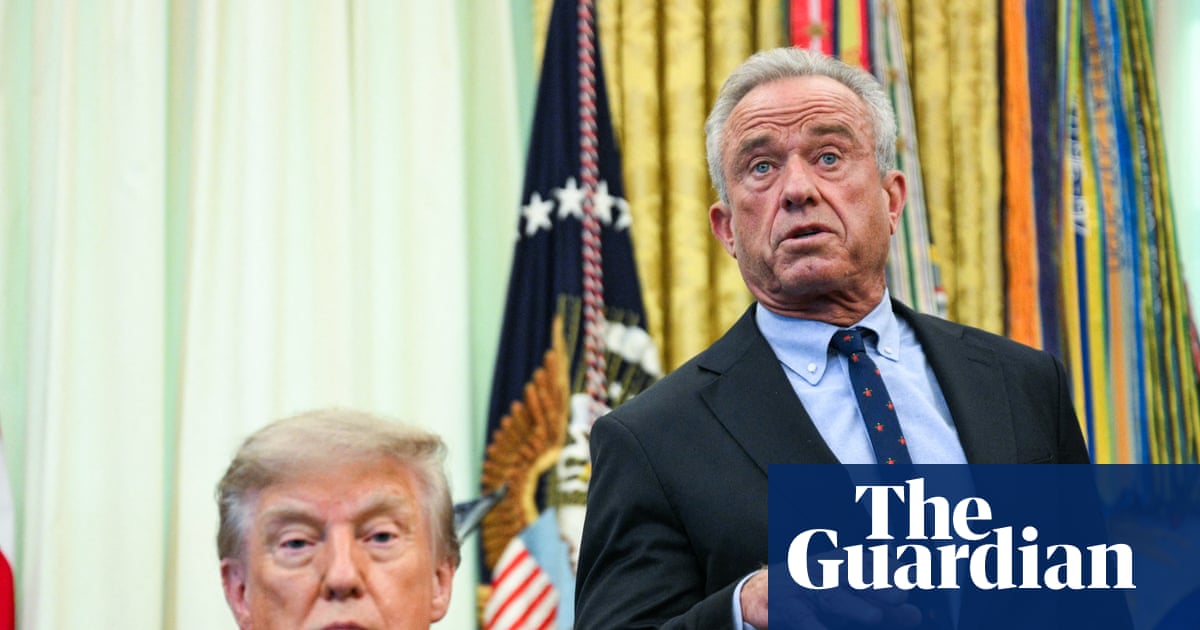
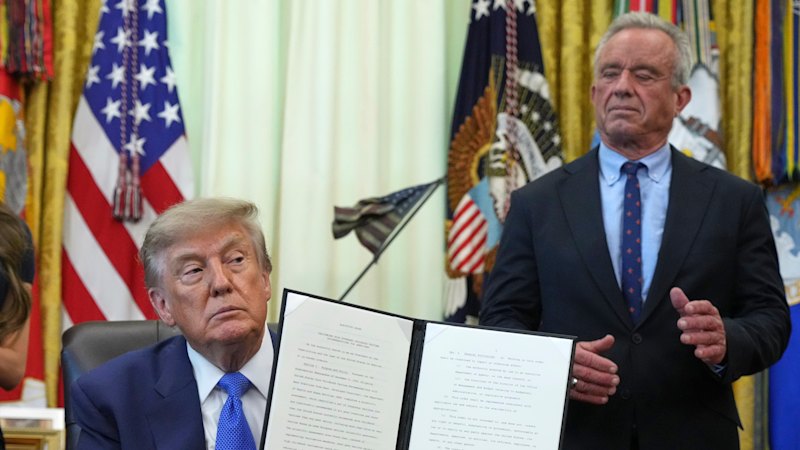
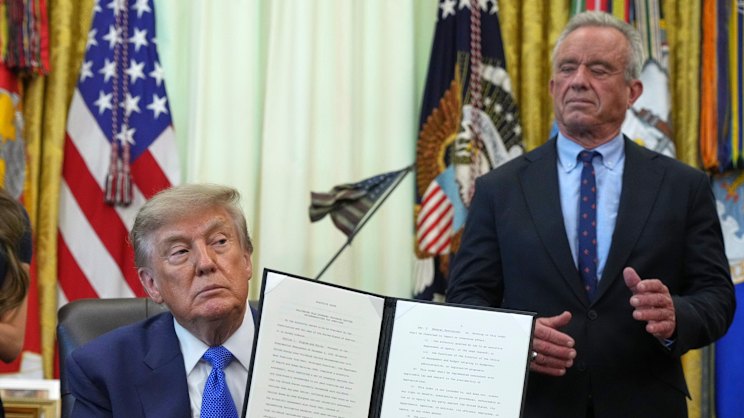
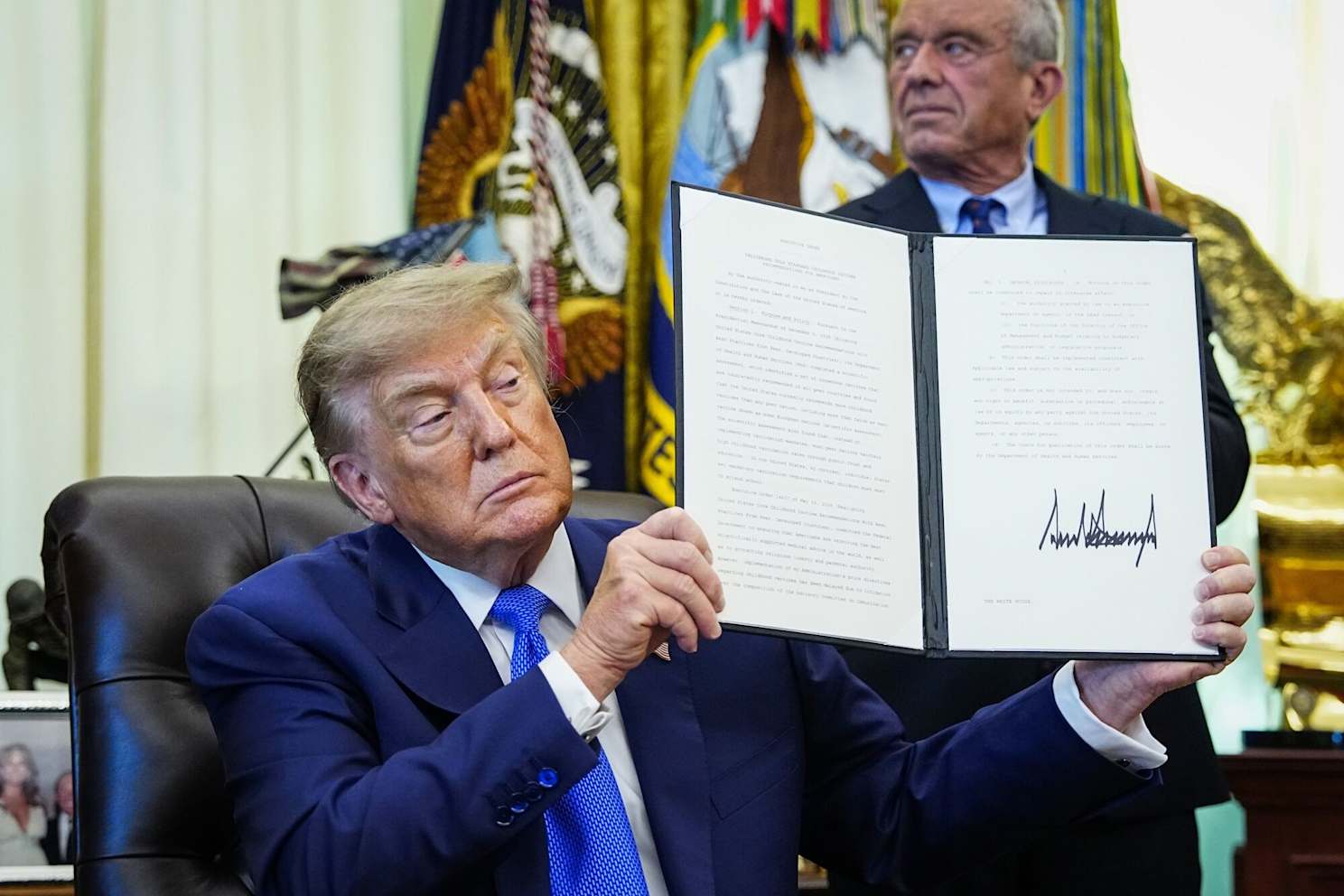
Within days, the US will lose its measles elimination status after more than a year of unchecked transmission in communities with low vaccination rates under Health Secretary Robert F. Kennedy Jr.
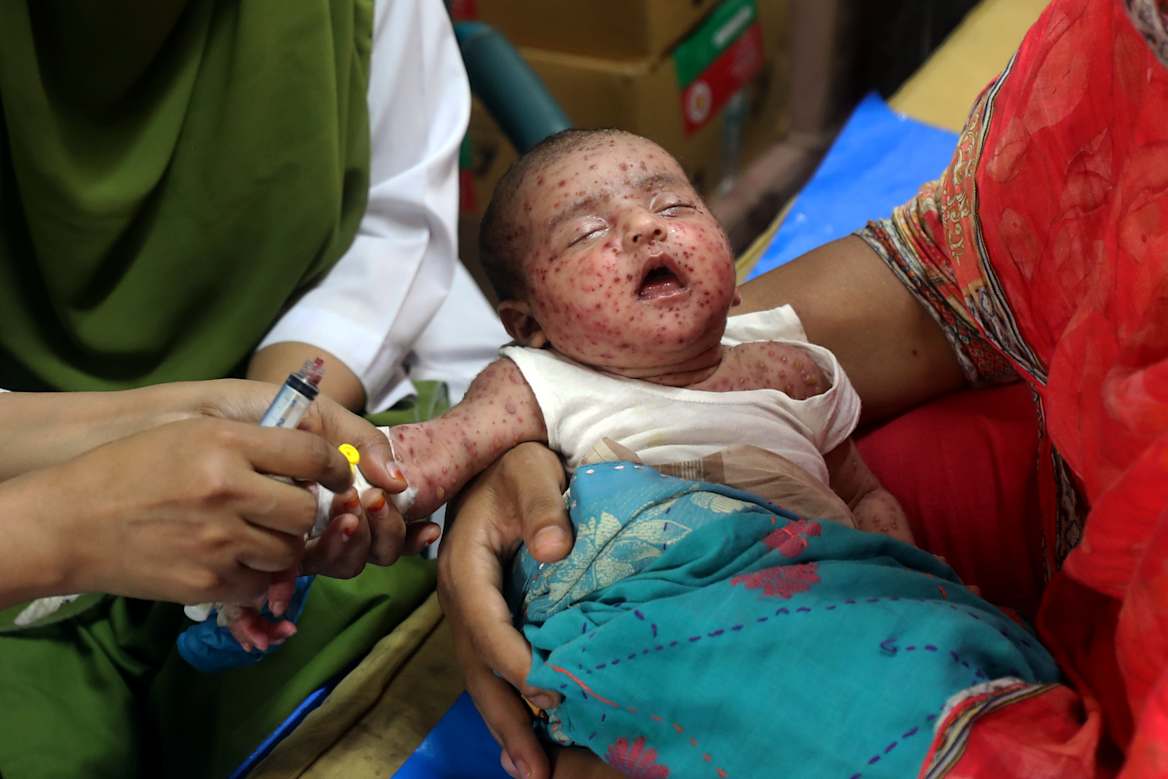
After recording 2289 measles cases in 2025, the US added more than 5412 cases in the first 10 months of 2026 as vaccination rates drop. Only 2 per cent of those infected in the US this year had been confirmed as vaccinated against the disease.
Australia has experienced a smaller resurgence of measles, due to international travel factors. In the first 10 months of 2026, there have been 125 cases in Australia after 181 in 2025. Both figures are well above the national average of 89 confirmed measles cases a year recorded over the past decade.
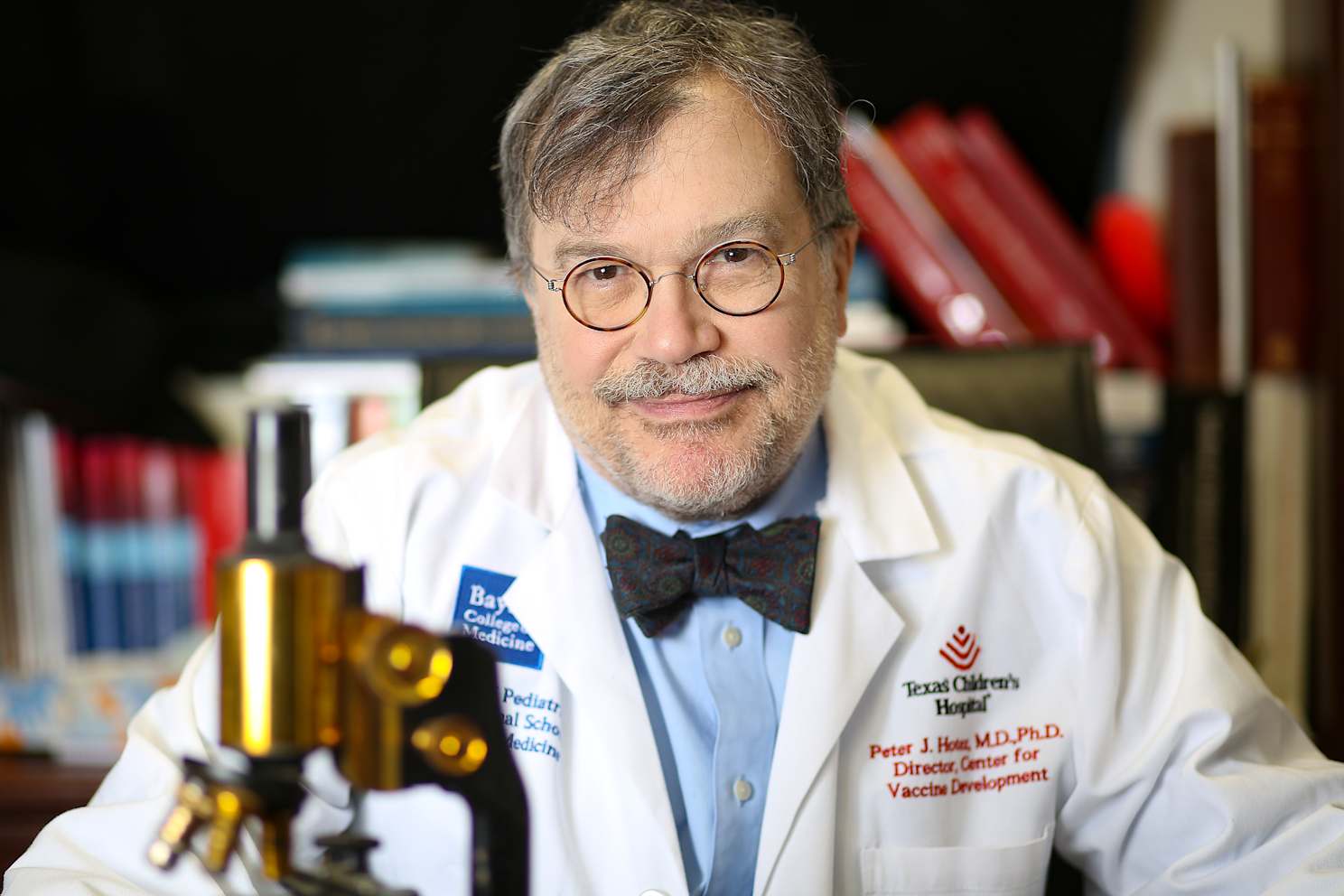
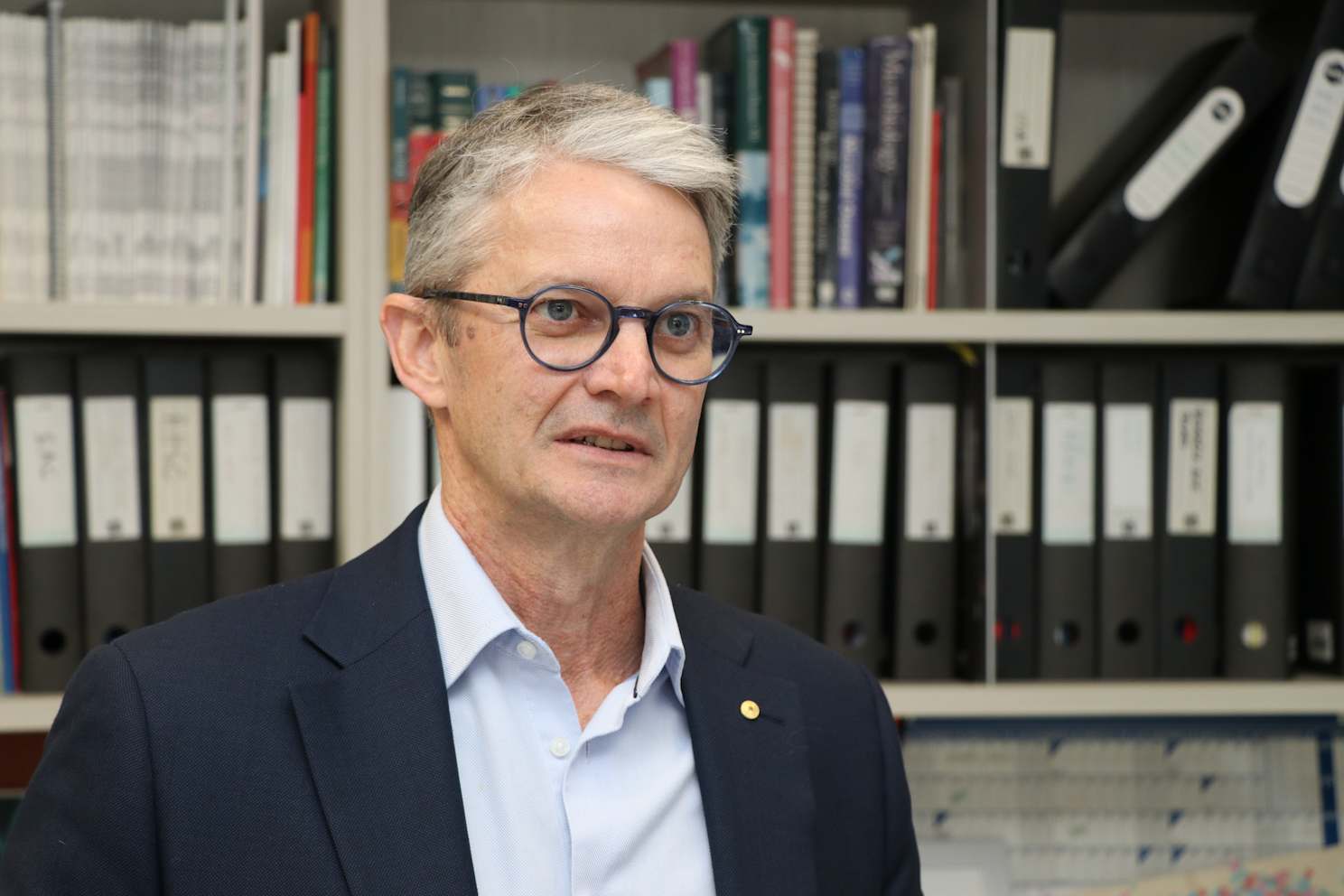
Professor Peter Hotez, a world renowned US virologist and paediatrician, is in Australia this week to deliver keynote speeches as part of the Burnet Institute’s 40th anniversary celebrations. He warned that the accelerating US anti-science movement was spreading to countries including Australia.
“This is a monster,” Hotez said. “This is an entire ecosystem, both politically motivated and financially motivated.”
“It’s organised. It’s deliberate. It’s politically motivated. It’s been adopted by a major political party in the United States, and there’s a lot of money behind it because of the wellness and influencer industry.
“The US is really good at exporting its music. We export our movies. We’re exporting this stuff. This has become like a new signature of far-right authoritarian enterprise.”
Amid rampant outbreaks across 47 states , which have claimed 10 lives in the past two years, the Pan American Health Organisation has decided to revoke the US’ measles eradicated status after 26 years, with an announcement expected on Tuesday.
The UK, Canada, Spain, Austria, Armenia, Azerbaijan and Uzbekistan have also lost measles-free status over the past year due to prolonged transmission within their borders.
By May, Australia had already passed 100 confirmed annual measles cases, although Australian Centre for Disease Control data shows infections have since slowed. There were 125 cases across the country to the start of November, including 57 in NSW, 30 in Victoria and 18 in Queensland.
The promising news is that most of those cases are among people entering Australia from overseas, and localised transmission of measles remains low.
However, a consistent drop in vaccination rates means it may only be a matter of time before those introduced cases spark local outbreaks.
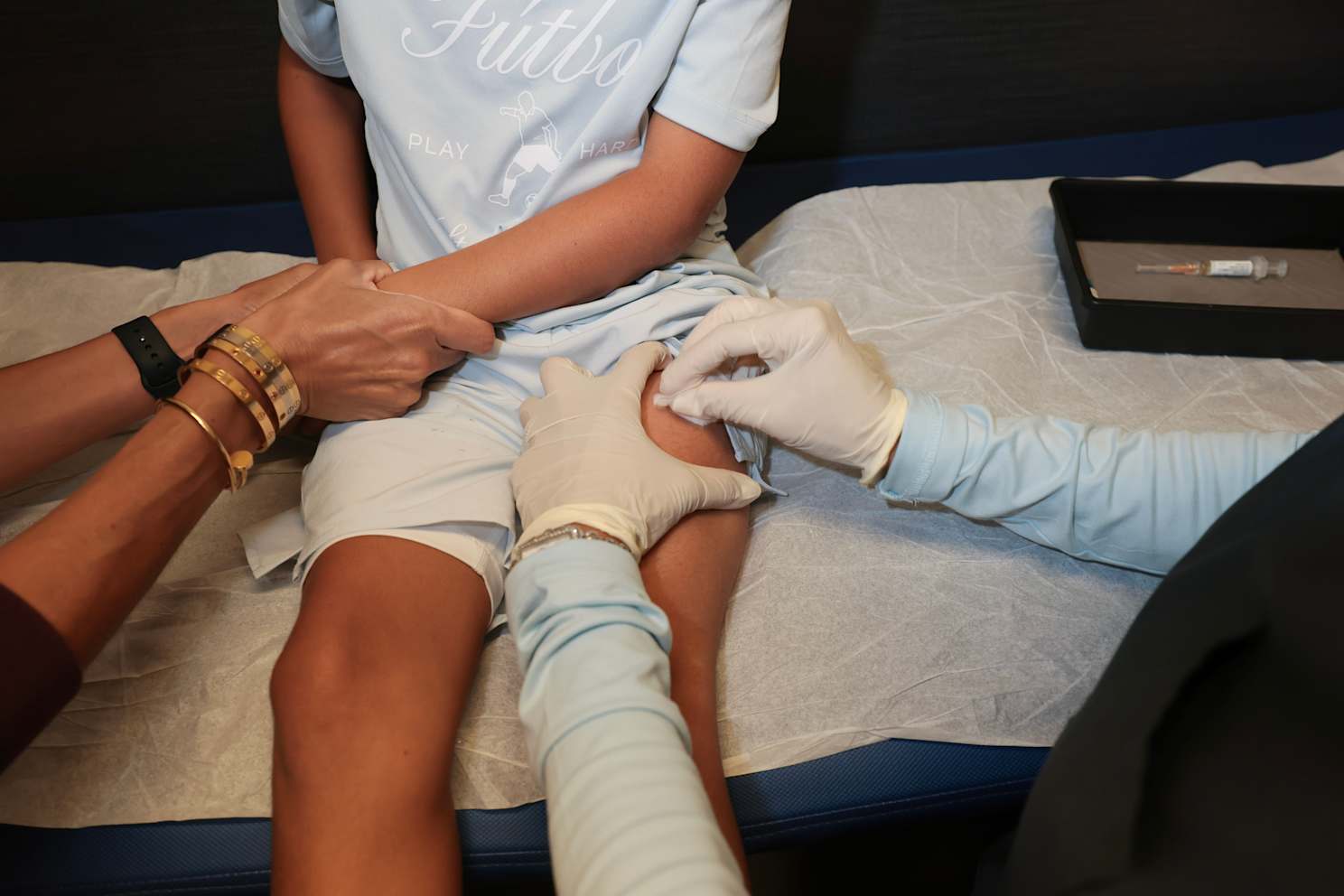
Australia’s vaccination coverage for the MMR vaccine (measles, mumps and rubella) among two-year-olds has dropped from 94 per cent in 2020, to 88.27 per cent today . The World Health Organisation and Australian public health authorities set the measles herd immunity threshold at 93-95 per cent of population-level vaccine coverage.
Hotez said the anti-vax movement had accelerated over the past 12 years after taking a political turn and being adopted by the US Republican Tea Party, now the MAGA movement, and was being globalised under the banner of “health freedom, medical freedom”.
The vaccine scientist developed a low-cost COVID-19 vaccine that reached 100 million people in India and Indonesia, and also spent a year trying to educate Kennedy about vaccines a decade before Kennedy became the Trump administration’s health secretary.
“You can tell I did not do a very good job because, you know, he’s been off,” Hotez said.
“Our anti-vaxxer in chief, Mr Kennedy, he’s not helpful. He says some of the usual stuff: that MMR is a leaky vaccine, immune protection declines 4 per cent annually – it’s 0.04 per cent annually – and says it contains aborted fetal remnants, that it causes autism .
“That’s the same nonsense he said to me 10 years ago.”
Ahead of his Monday night keynote address at the Burnet Institute, Hotez told this masthead that Kennedy’s “false narrative” was now fuelling an anti-vax movement being spread by wellness influencers who have gained notoriety since the COVID pandemic.
“This is the wellness industry, which is a half-a-trillion dollar-a-year industry now,” he said.
“The difference now is, never before had this been adopted by a major political party, never before did you have the Murdoch media monster, and never before did it get so well financed by the wellness influencers.
“The business model says you can’t just push this stuff, you have to denigrate mainstream biomedicine.
“I always point out that Australian research institutions and universities tend to punch above their weight, at least in the infectious disease immunology area.
“So that should be a source of national pride, and those are the experts you need to listen to, not those who have another agenda.”
Because measles is so highly contagious – about 12 times more so than the flu – even a small decrease in immunity coverage can have huge consequences. The Australian Centre for Disease Control is concerned at the trends it sees fuelling the growing risk.
“Since COVID‑19, misinformation and declining trust have contributed to sustained drops in vaccination coverage, with data indicating lower on‑time uptake and frequent delays in measles (MMR) vaccination,” a centre spokesperson said.
“This is concerning because vaccination coverage of about 95 per cent is required to provide community protection (herd immunity) against measles; even small declines [in vaccination] create pockets where outbreaks can spread.
“We’re seeing that risk emerge, with post‑pandemic vaccination declines coinciding with resurging measles clusters in Australia and globally.”
While measles protection has dropped across Australia, the alarm bells are loudest in three states. In Western Australia, the proportion of two-year-olds vaccinated against MMR has dropped to 86.5 per cent, while Queensland (86.7 per cent) and the Northern Territory (87.2 per cent) are also dangerously under vaccinated.
Tasmania is now the only state with more than 90 per cent of two-year-olds fully vaccinated against measles, with Victoria (89.6 per cent), NSW (88.5 per cent) and South Australia (88.4 per cent) all dipping below the line, according to the Australian Immunisation Register.
Professor Brendan Crabb, the Burnet Institute director and chief executive, said Australia needed investment in vaccination, research and public health systems to maintain progress against preventable infectious diseases.
“Diseases that once killed hundreds of thousands of children every year have been brought under control through decades of research, investment and public health programs,” Crabb said.
“But we’re now seeing some of that progress go backwards. The danger is that we’ve become so accustomed to the success of vaccination that we’ve forgotten what life was like without it.”
You have reached your maximum number of saved items.
Remove items from your saved list to add more.
You've used all of your gift articles. 3 more will become available on the 1st of every month.