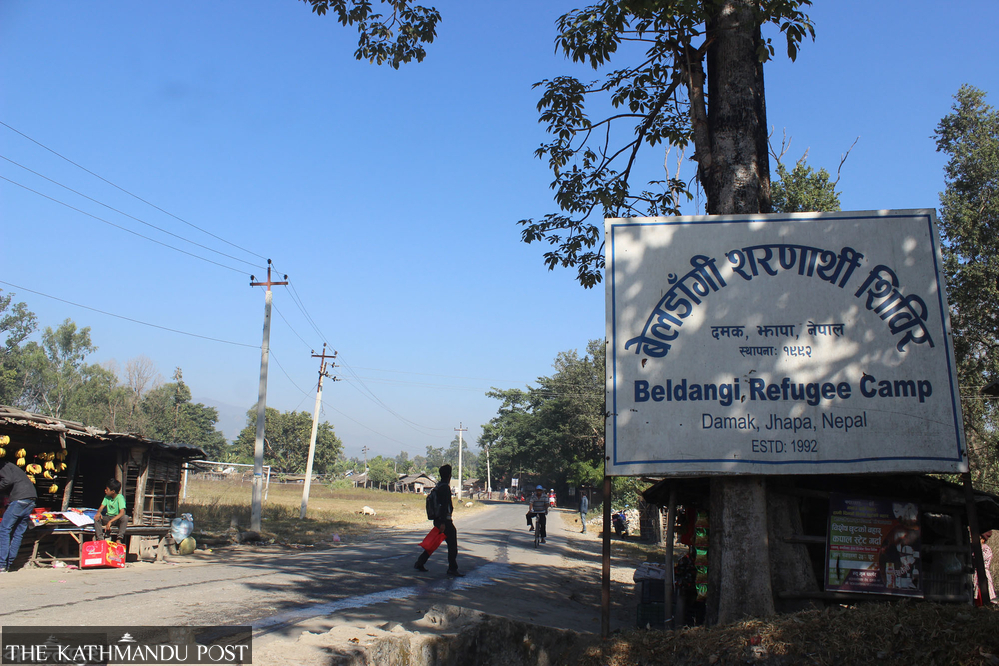
Bhutanese rights groups have urged Nepal Prime Minister Balendra Shah to take up the refugee crisis, the release of political prisoners and ongoing human rights violations in Bhutan with India.
They want Shah to raise the issues with Indian Prime Minister Narendra Modi during their meeting on his upcoming visit to India.
The appeal was made in a joint statement issued by the Global Campaign for the Release of Political Prisoners in Bhutan (GCRPPB), Bhutan Independent People’s Forum (BIPF) and National Reconciliation Committee-Bhutan.
The groups said India’s diplomatic support could help create an environment for dialogue between Nepal and Bhutan and pave the way for a lasting solution to the refugee crisis, which has remained unresolved for more than three decades.
According to the statement, more than 100,000 Nepali-speaking Bhutanese were expelled from the country in the late 1980s and early 1990s. Many of them fled to Nepal and were forced to take refuge in camps in eastern Nepal.
With support from the United Nations High Commissioner for Refugees (UNHCR), more than 113,500 refugees were resettled in eight countries between 2007 and 2016. However, thousands remain in Nepal, the groups said, calling for voluntary, safe and dignified repatriation for those wishing to return to Bhutan.
They also called for long-term alternatives for refugees who do not wish to return and meaningful participation of refugee representatives in negotiations over their future. Those seeking to return, they said, should be provided with identity documents, a process to address citizenship claims, security guarantees and support for social reintegration.
The organisations also described the continued imprisonment of political prisoners in Bhutan as a serious human rights concern. Welcoming the release of Chaturman Tamang and Hasta Bahadur Rai in June 2026, they called for the unconditional release of all remaining political prisoners.
The statement cited a September 2026 report by Human Rights Watch, which said 28 political prisoners were still behind bars in Bhutan. The groups also called for released prisoners to be provided with identity and travel documents, freedom of movement and the opportunity to reunite with their families.
They said Bhutan also needed to make progress on citizenship, equality, freedom of expression, political participation and the rights of displaced communities. Former political prisoners and displaced Bhutanese continue to face difficulties obtaining essential documents and exercising their basic rights, the statement said.
The groups believe India can play a diplomatic role in resolving the refugee crisis, given its close ties with both Nepal and Bhutan. They urged Modi to use India’s relationship with Bhutan to push for progress on the refugee issue, the release of political prisoners and human rights concerns.
The statement was signed by Ram Karki, founder and global coordinator of the Global Campaign for the Release of Political Prisoners in Bhutan; DB Subba, general secretary of the Bhutan Independent People’s Forum; and Krishnabir Tamang, coordinator of the National Reconciliation Committee-Bhutan.
Parbat Portel is the Jhapa correspondent for Kantipur Publications.