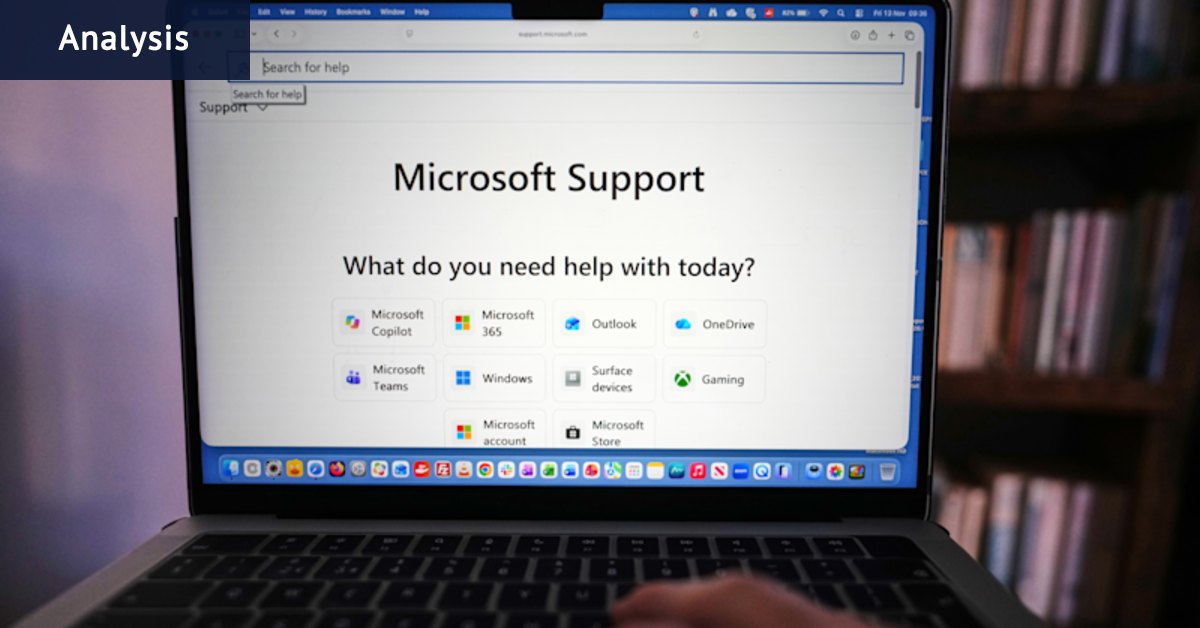
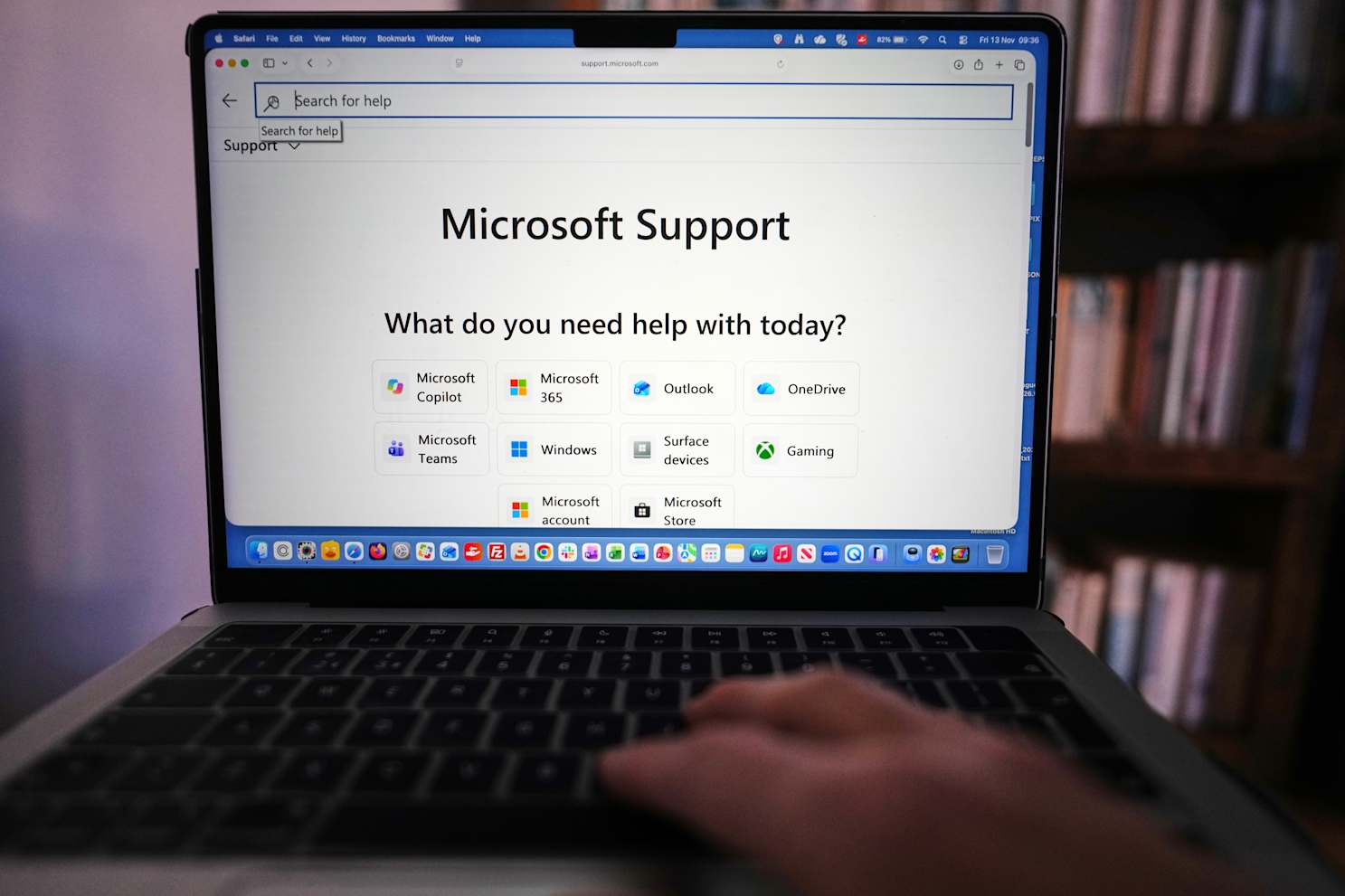
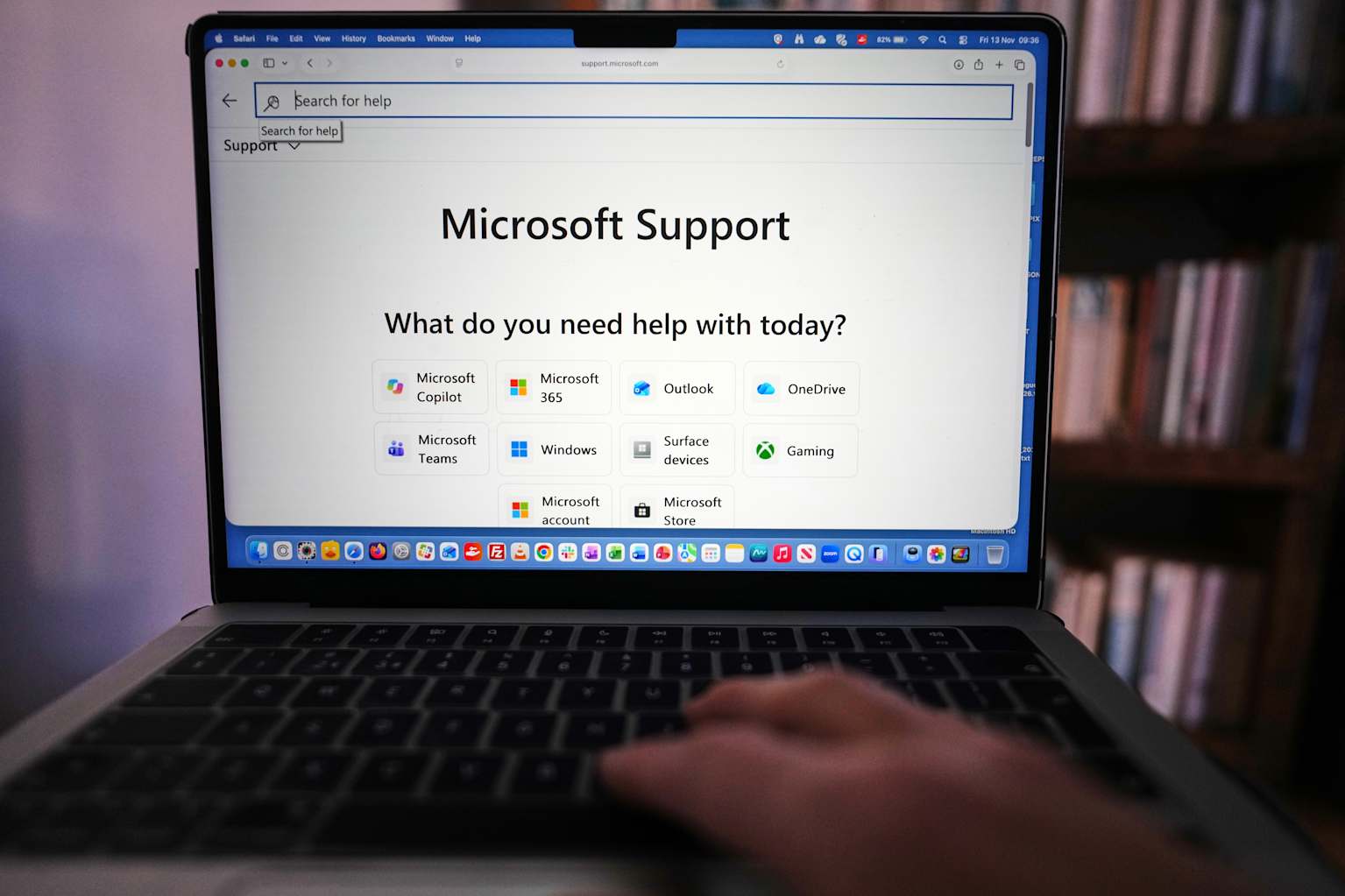

Microsoft wanted more capacity. America’s aviation regulator wanted to swap ageing copper cables for fibre. Last week, both got chaos.
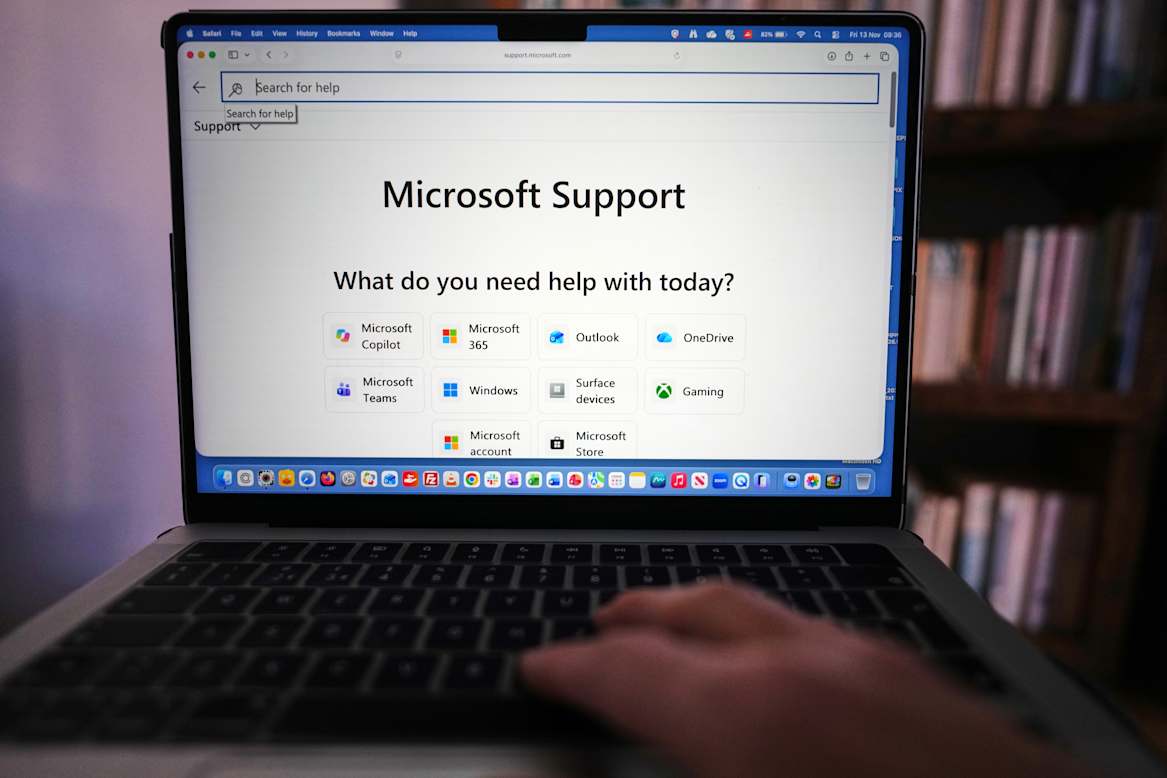
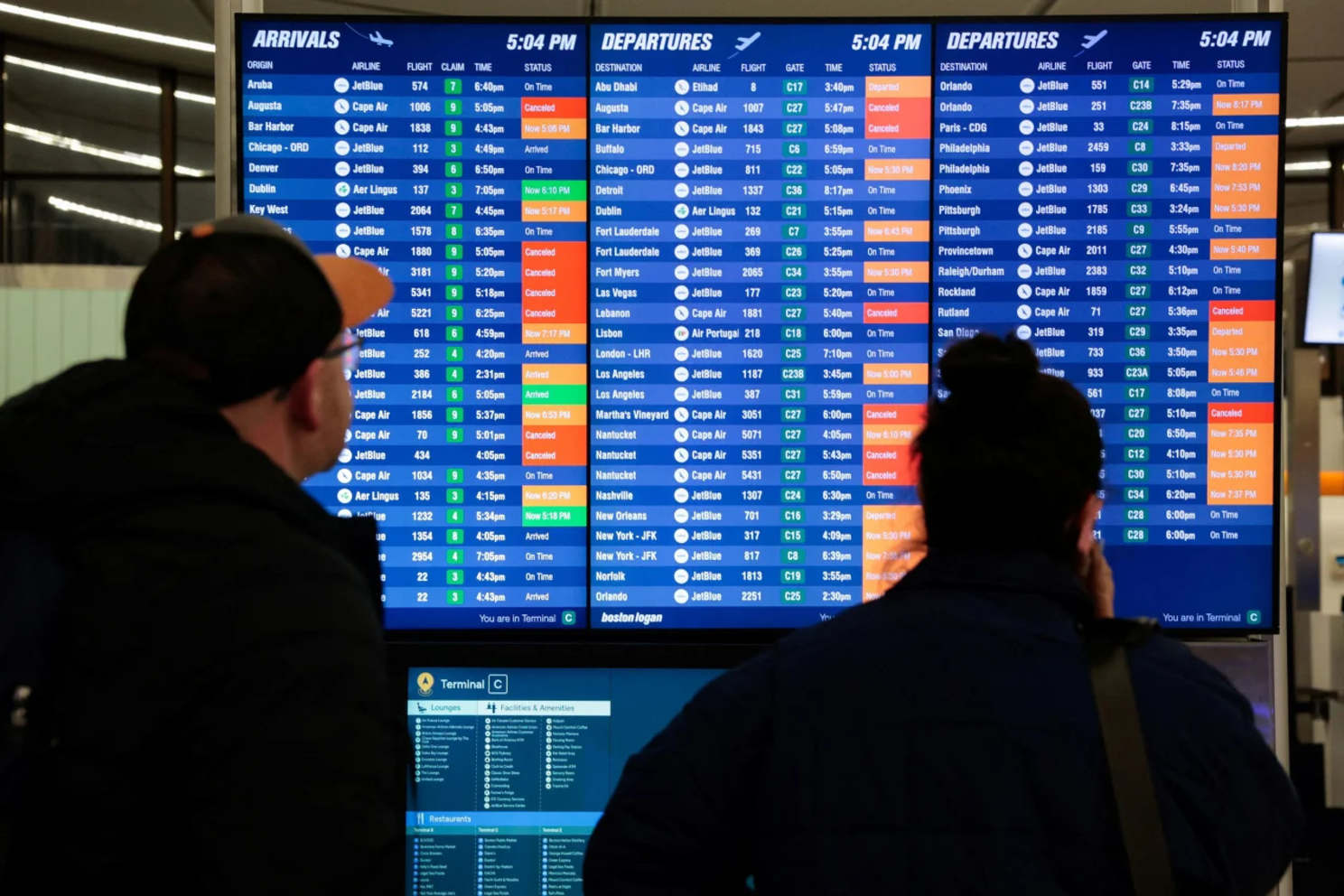
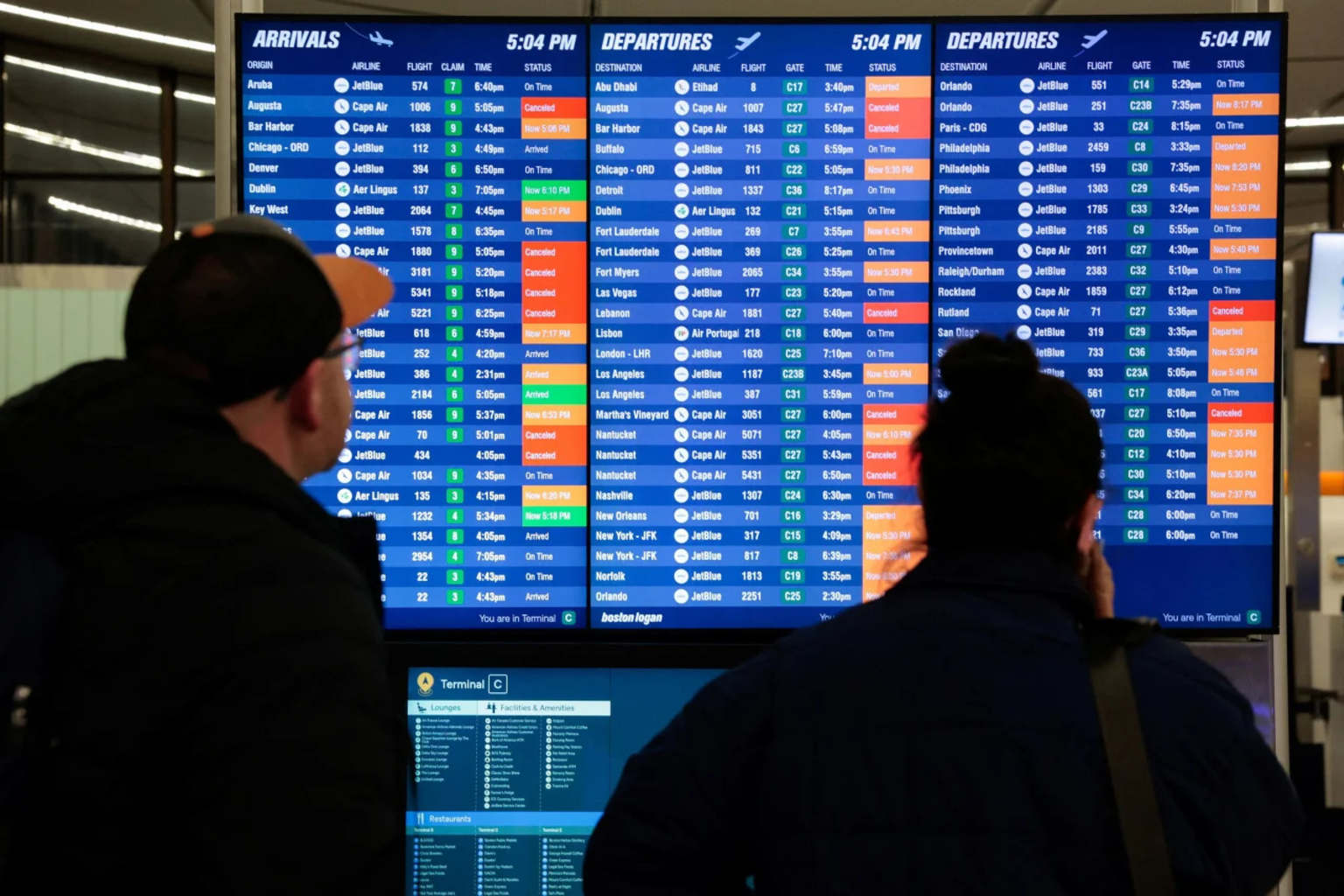
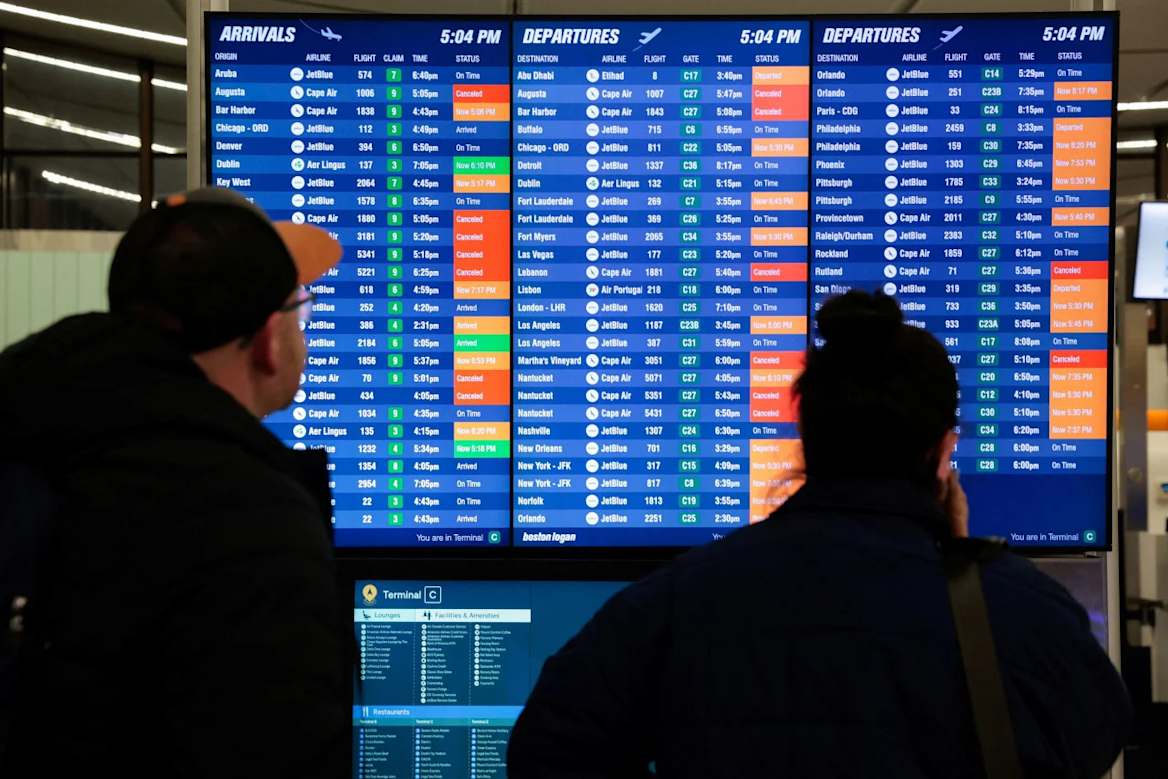
Microsoft’s email and office software went dark for millions of people from shortly before 5am AEDT on Friday, after an upgrade meant to add capacity. A day later, US authorities grounded every departing flight in the country for five hours after a contractor installed a router at a remote site in Arkansas.
The two failures were unrelated and Microsoft says it has no indication its services played any part in the grounding.
The upgrades themselves were defensible: old systems commonly have to be replaced, and software has to be patched – that’s normal. What failed was containment: one fault in one place was allowed to course through an entire network.
Australians felt it within hours. ASIO and the federal police lost email and so did councils, courts and schools. Australia Post pulled its phone payment system, while suppliers couldn’t tell supermarket distribution centres what was on the way. In Germany, 15 hotel guests were reportedly hurt by chlorine gas after a pool safety system that sent its warnings by email went silent.
A tech company like Microsoft understands the risk as well as anyone. “There are no low-risk deployments to production,” its guidance to engineers warns, meaning no change to a live system is ever truly safe. Its advice is to change things in small steps, roll them out slowly, and stop at the first wobble.
On Friday the company said the outage “was introduced by an issue during an earlier network capacity upgrade that surfaced” after a later network change. Its preliminary notices say traffic moved around during that maintenance and exposed a hidden bug in the systems that connect people to their mailboxes. Requests banked up until the servers choked.
Then the dominoes fell. Work from the broken servers spilled onto healthy ones, which buckled in turn. Even servers that engineers revived “can become unresponsive again once they begin receiving traffic”, Microsoft warned. Turning it off and on again took the best part of two days.
The flight grounding was similar: it started with a single router in El Dorado, Arkansas. Contractor L3Harris was installing it as part of a job replacing old copper communication lines with fibre. According to the Federal Aviation Administration, a flood of connection attempts then scrambled radio and radar feeds to 17 of the 22 US centres that guide planes between airports.
That’s more than three-quarters of the system, toppled from one small site.
US Transportation Secretary Sean Duffy said the routers “got overloaded with data”. Investigators haven’t yet established whether faulty equipment or a slip during installation was to blame. Flight tracker FlightAware counted about 9800 delays and more than 4700 cancellations, and US-bound flights from Sydney were held on the ground.
Dr Mohammad Goudarzi, who researches cloud computing at Monash University, said the chaos stemmed from misaligned priorities. “Investment in reliability needs to keep pace with investment in new features,” he said.
The immediate question now for Australian businesses is who pays. Microsoft customers may be able to claim service credits, the small refunds written into their contracts. Prins Ralston, chief executive of the Australian Computer Society, the technology profession’s peak body, said those credits “won’t make up for a lost morning of trade for a small business”.
A litigation funder, Victoria Peak, is already inviting affected Australian businesses to register for a possible class action, though no case has been filed.
Ralston said there was a clear difference between who coped and who didn’t.
“ASIO and the AFP had workarounds. Most small businesses and many agencies don’t,” he said.
Microsoft has promised a full post-incident report. Every Australian board should read it with one question of its own: when the next upgrade goes wrong, what still works?
The Market Recap newsletter is a wrap of the day’s trading. Get it each weekday afternoon .
You have reached your maximum number of saved items.
Remove items from your saved list to add more.
You've used all of your gift articles. 3 more will become available on the 1st of every month.