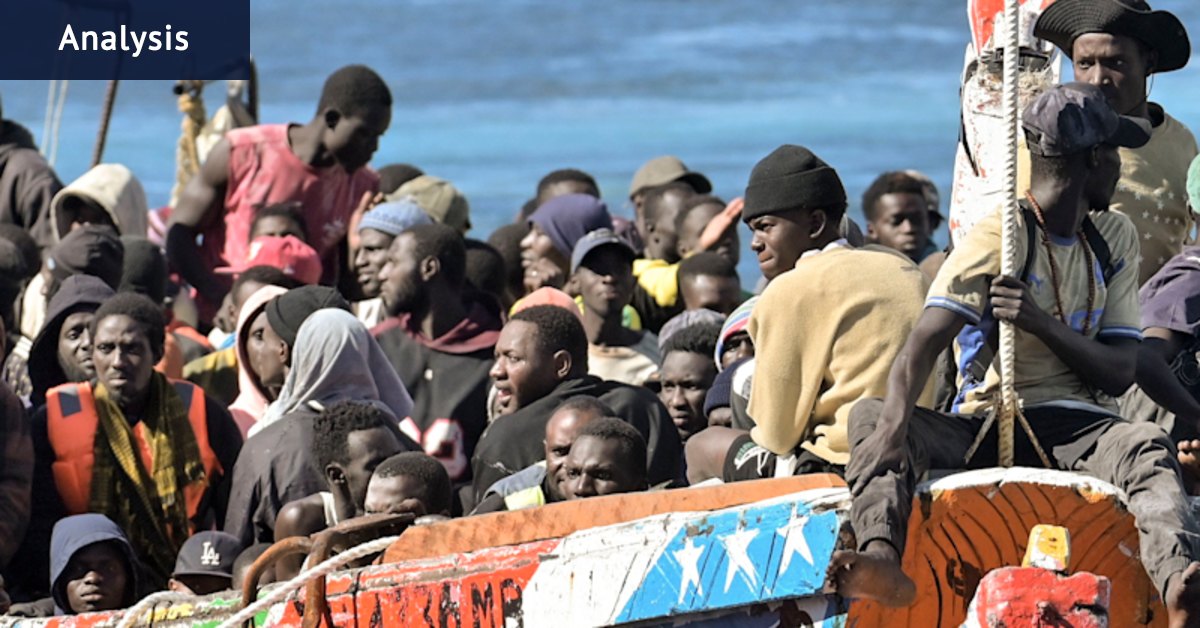
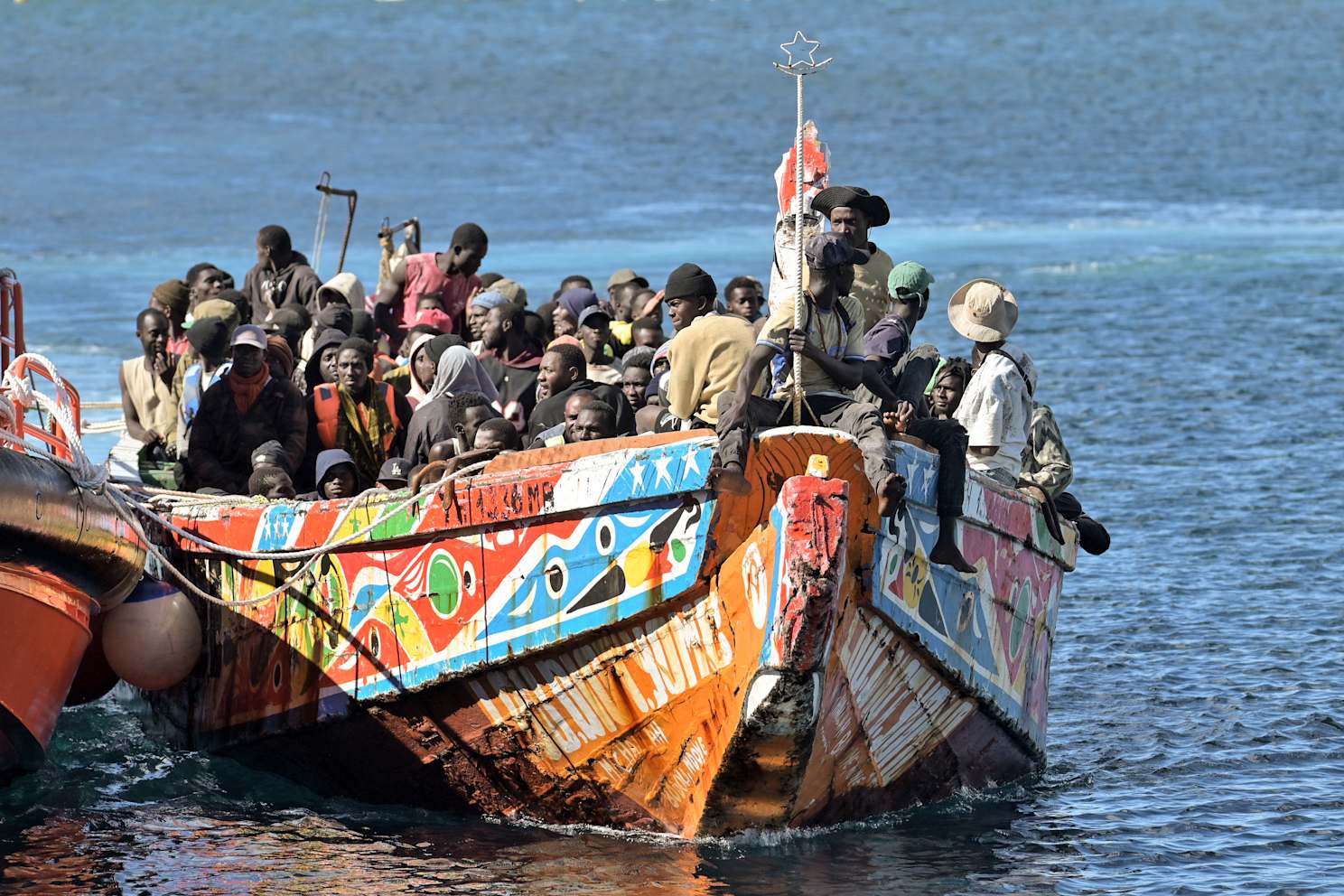
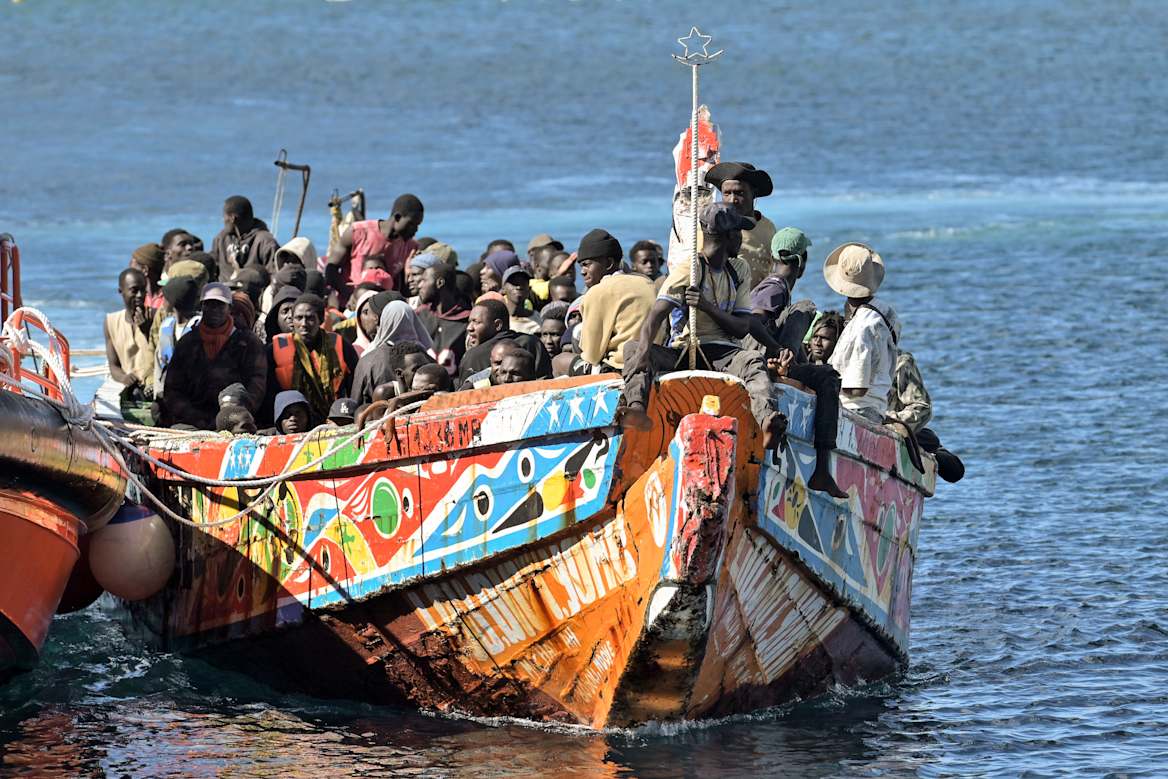



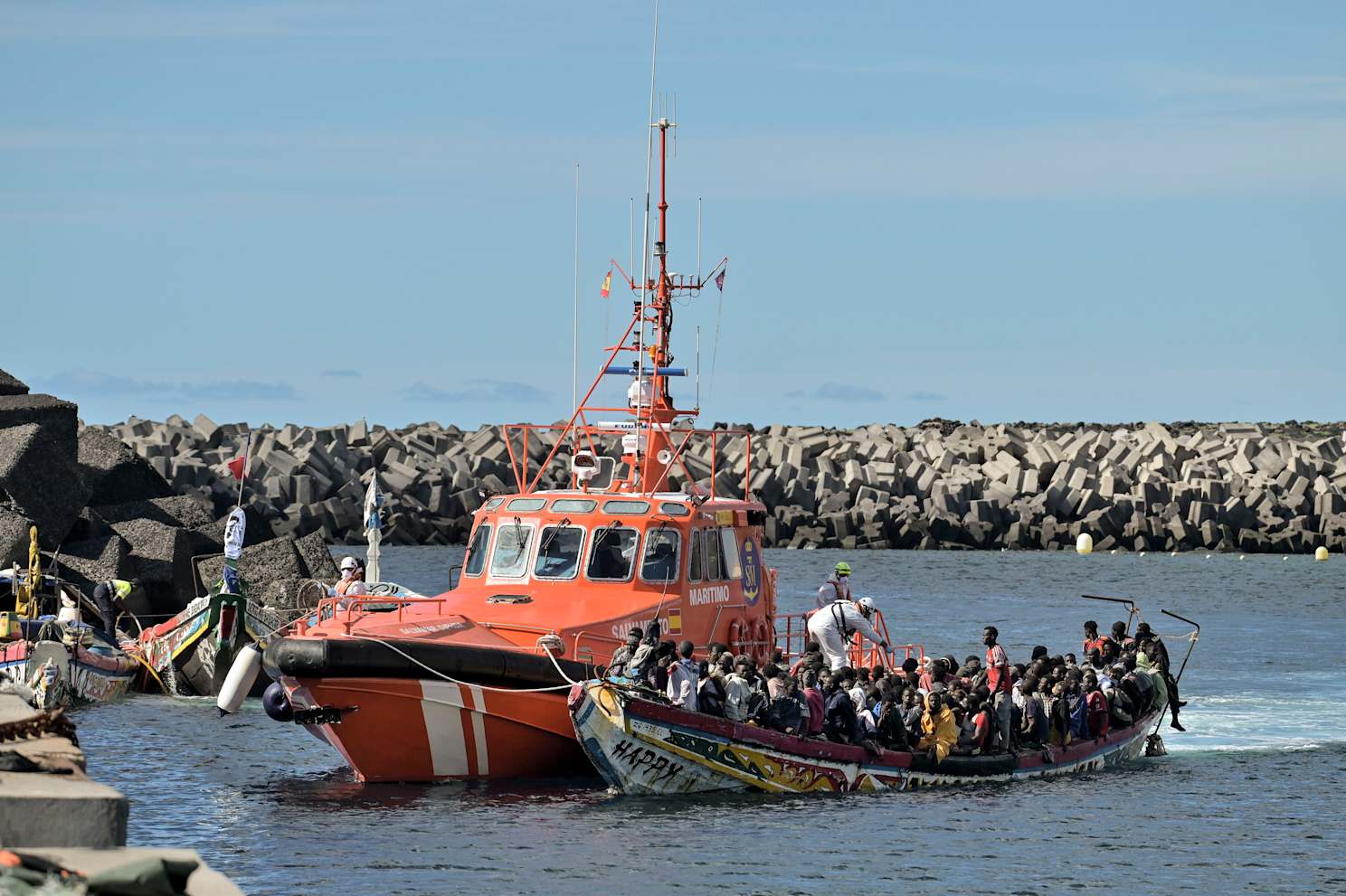
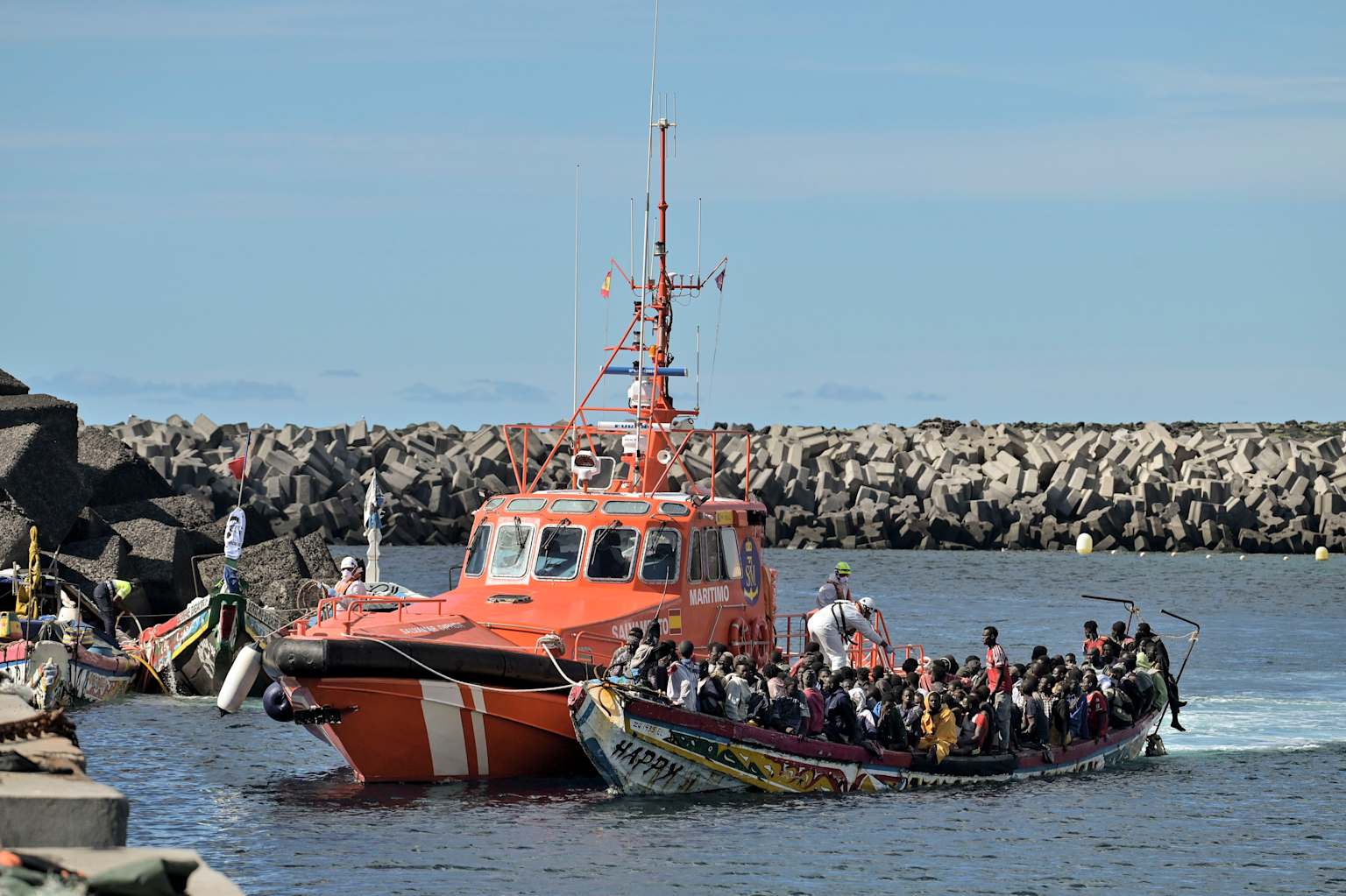
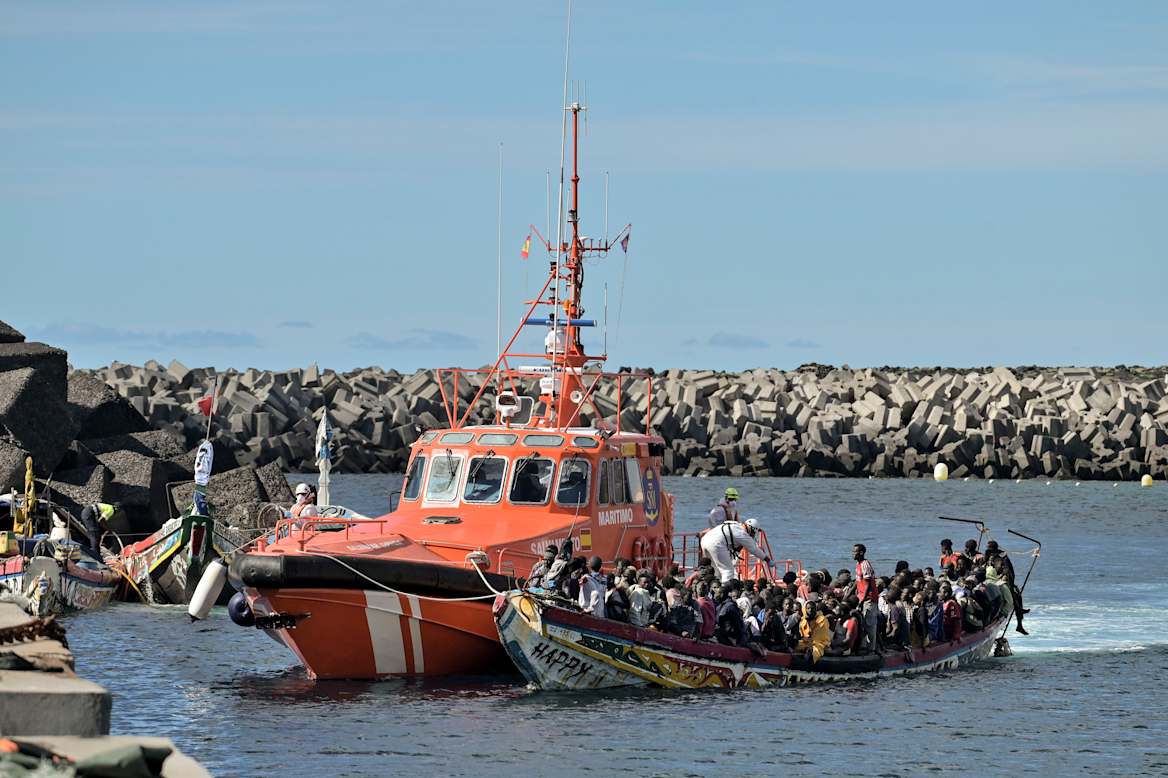
London: The Canary Islands are known across Europe as an ideal destination to escape a bleak winter. Over the past few days, however, the Spanish islands made headlines as the landing place for at least 3684 asylum seekers from Africa.
The sudden influx reminded Europe of the immense challenge in trying to deter people who are desperate to find a new life in a wealthier country. And it came just as several nations prepare to copy an old Australian policy – the “Pacific solution” – that divides opinion to this day.
The five nations – Austria, Denmark, Germany, Greece and the Netherlands – are hoping to send asylum seekers to a deportation hub in Africa if and when they are rejected as refugees.
Their plan for a processing centre in Rwanda has clear parallels with the Australian policy devised when John Howard was prime minister in 2001 and toughened when Tony Abbott took office in 2013 . Just as Australian governments chose to send asylum seekers to Manus Island and Nauru in order to stop the boats, the five European nations intend to send rejected asylum seekers to Rwanda to discourage more arrivals.
This is immensely controversial in Europe where opinions are split on whether to welcome refugees or turn them away, and it may not work.
Denmark raised the idea of sending people to Rwanda as far back as 2021 but the plan never cleared all the legal hurdles. The challenges were made clear when Britain attempted a deal with Rwanda in 2022 (under a Conservative government) and scrapped it in 2024 (under Labour).
Even so, the five governments appear determined to sign a new Rwanda deal because of the pressure from voters to toughen their borders.
One of the key proponents of the policy is Danish Prime Minister Mette Frederiksen, a Social Democrat. She held power, narrowly, after national elections in March, and leads a coalition with the Green Left, the Moderates and the Social Liberals.
The plan is backed by Dutch Prime Minister Rob Jetten, a centrist who leads a coalition with conservatives and Christian democrats. He defeated the country’s far-right firebrand, Geert Wilders, at the ballot box last year.
Also behind it are conservative governments in Austria, Germany and Greece. All are challenged by far-right parties that want to turn away migrants.
Rwanda is open to hosting the migrants, two European officials told Reuters last month . The New York Times reported further progress in recent weeks. Politico reported on the weekend that the deal could be struck in talks in Vienna this week.
Asylum seeker advocates warn that these deals put lives in danger. Groups such as Amnesty International opposed an Italian operation to send asylum seekers to Albania in 2024 and 2025, which stopped only when courts ruled against the government.
But political leaders are responding to electoral reality. While attitudes vary, a YouGov survey in December found majority support for cuts to migration in five big countries.
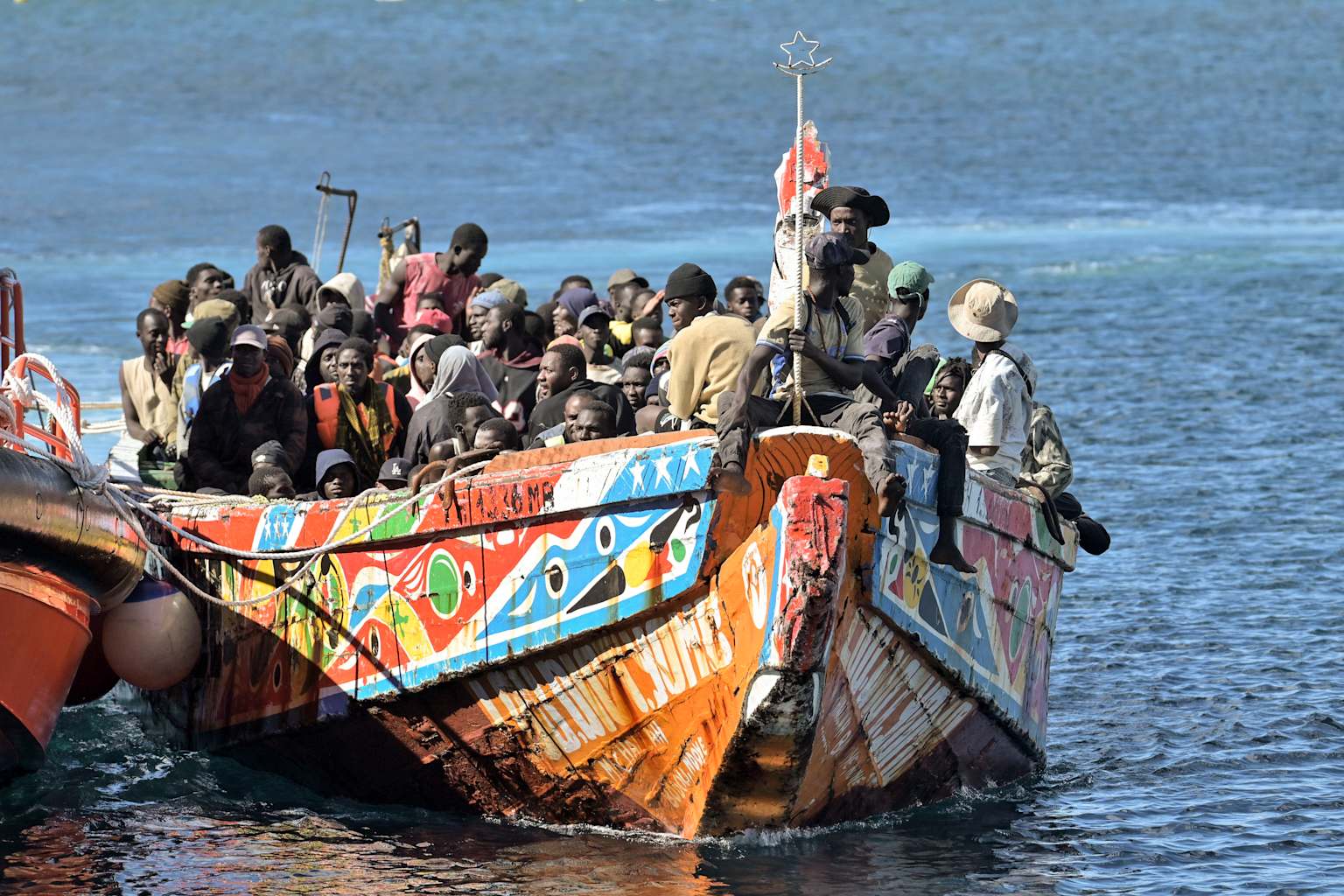
The arrivals in the Canary Islands highlighted the fact that no government has found a way to deter asylum seekers. Many of the small boats landed on El Hierro, an island with a population of just 11,000. Authorities were so overwhelmed they had trouble keeping up with the arrivals. Associated Press said 2200 arrived over two days. Euronews put the number at 2300.
Spanish newspaper El País said late on Sunday (Monday, AEDT) that 3684 had arrived since Friday. This means 17,000 have come to El Hierro so far this year.
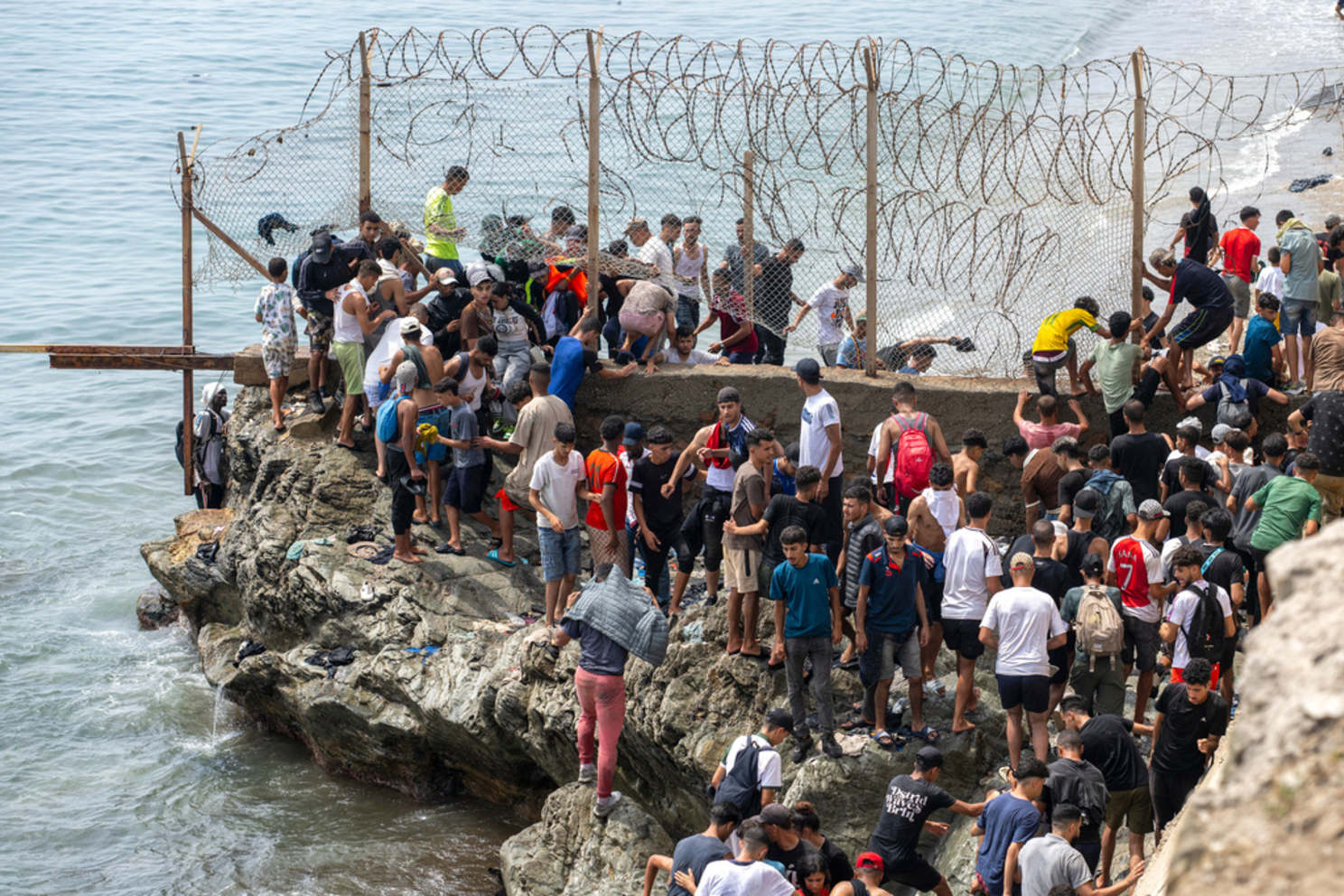
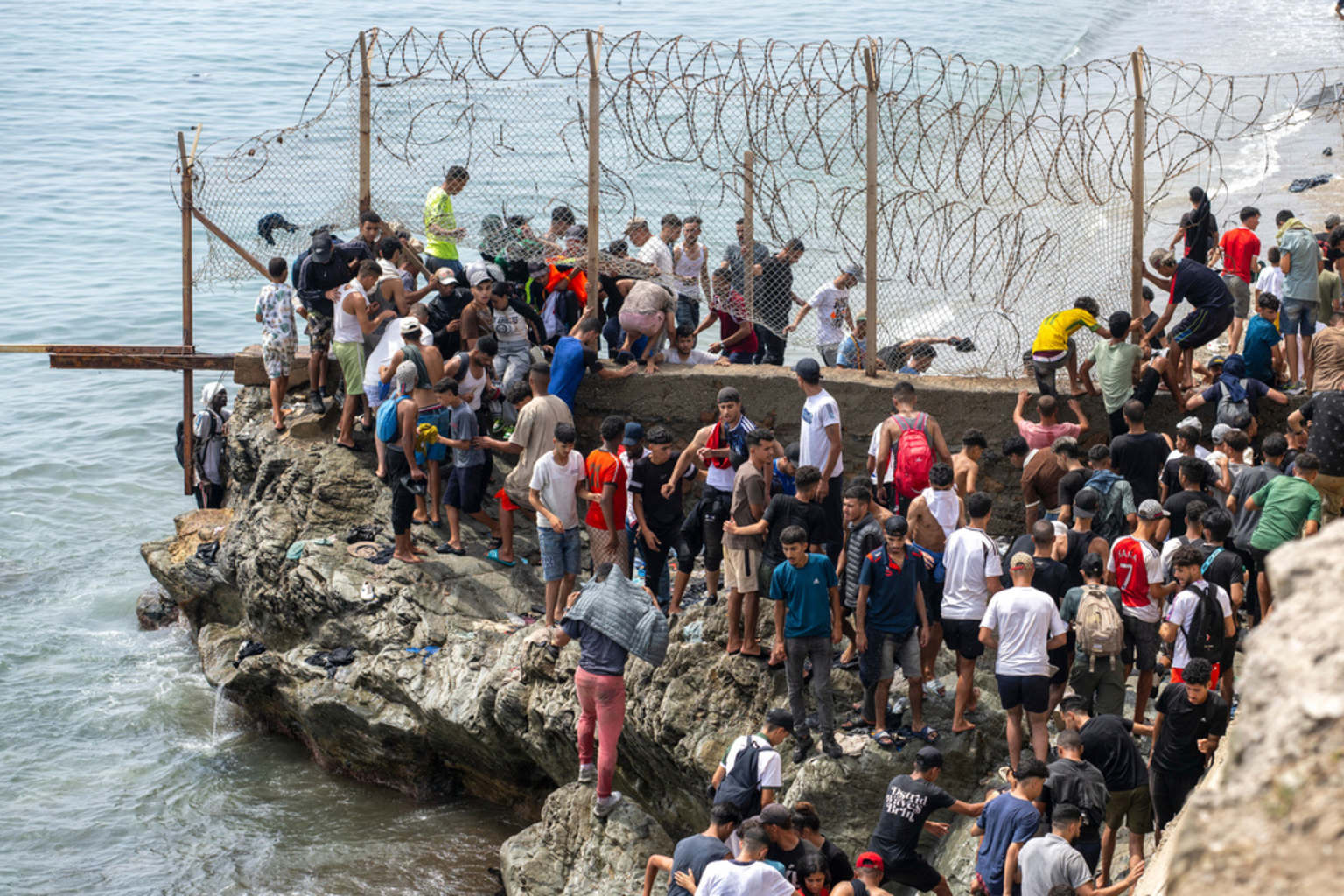
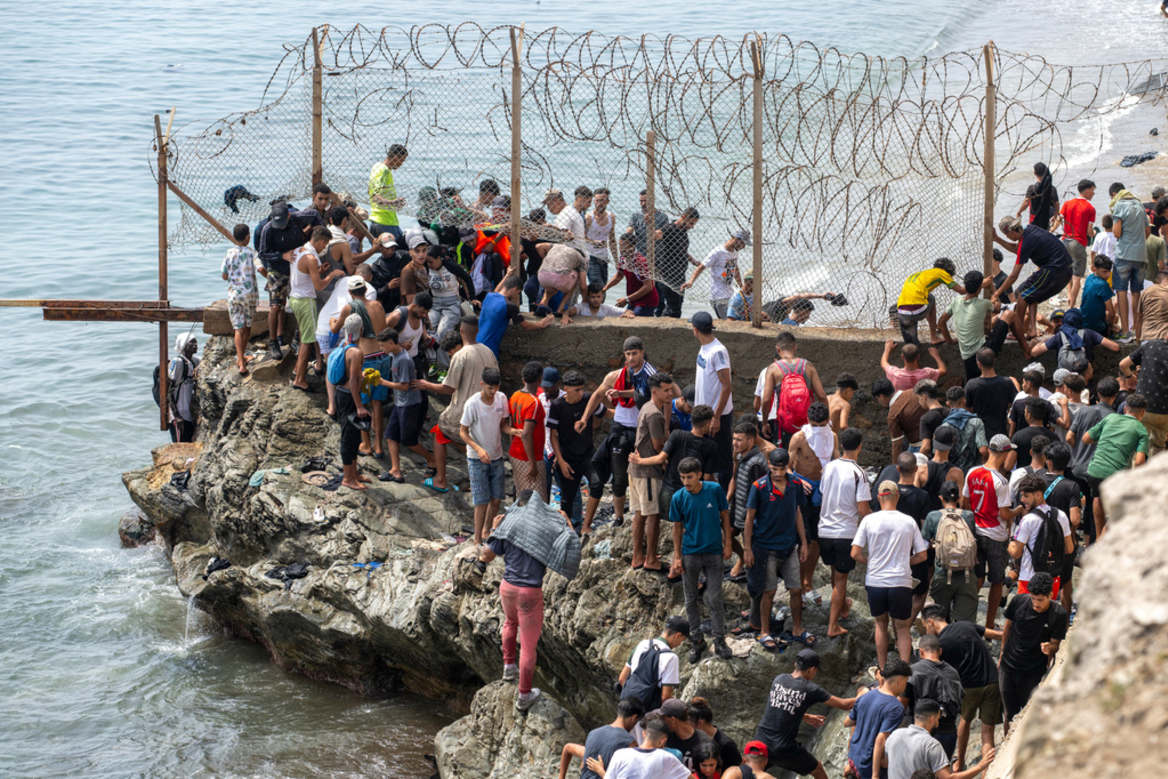
The surge was smaller than the emergency in another Spanish territory, Ceuta, three months ago. About 100,000 people crossed by land and sea from Morocco at the end of July, according to police estimates, in part because they read social media posts saying they could hop to mainland Spain.
Most have returned to Morocco, but the local government estimates 15,000 remain.
The number of people applying for asylum in the European Union fell by 27 per cent to 669,365 last year, suggesting there are ways to control the flow. Only some of these came by sea, but the footage from the Canary Islands and Ceuta suggested that border controls were at breaking point.
Whatever its rhetoric, no European government has found a way to stop the boats. Whether the asylum seekers cross the Mediterranean, the Atlantic or the English Channel , they find a porous border when they arrive. Another 454 entered Britain on Saturday.
Spain is yet to resolve this challenge. Prime Minister Pedro Sánchez has welcomed migrants. His main conservative opponent at the coming election, Alberto Núñez Feijóo, wants tougher borders. Voters will have their say on November 29.
In the meantime, the Rwanda proposal will highlight a risky new path for Europe. The five countries behind the plan may find, like Britain, that they spend a lot of money without fixing their problems. They may also be roundly condemned by human rights groups.
But the five governments are acting on orders from impatient voters. Their other measures have not worked. They will borrow some of the Australian model instead.
You have reached your maximum number of saved items.
Remove items from your saved list to add more.
You've used all of your gift articles. 3 more will become available on the 1st of every month.