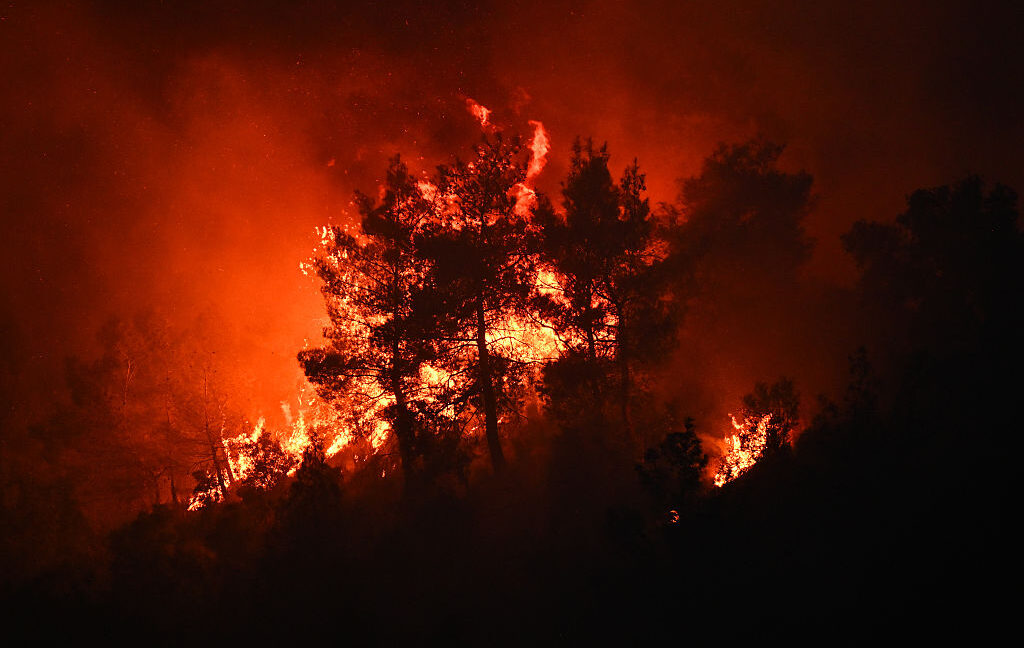
Wildfires occur worldwide, and they can sometimes become serious threats to people’s lives. A series of massive bushfires from 2019 to 2020 swept across southeastern Australia and destroyed thousands of homes. Recently, the 2025 Los Angeles wildfires spread widely across the city, resulting in massive damage to local communities.
Many things can cause wildfires, but humans are the only factor that can also make preventative efforts. Measuring people’s impact on fire is difficult because of the mix of human and natural influences.
A team led by Jianghao Wang, a professor at the Chinese Academy of Sciences, recently published a study in Cell Reports Sustainability comparing the COVID-19 era with other years. Data from the 2020 lockdowns suggest that lower human activity at this time had the net effect of lowering average fire activity.
Fire doesn’t just happen anywhere. Although plenty of flammable materials exist in natural settings, not every place experiences wildfires. Some prairies burn almost every year, while many forests go without big fires for hundreds of years. Researchers explain these differences in terms of fire regimes, which are patterns describing when, how often, and how widely and intensely fires occur.
Weather is a major factor affecting fire regimes. An abundance of rain helps grow grass and trees that can become fuel for fires. Whether they do or not, however, can depend on the moisture inside plants; plants with enough moisture do not burn easily. By contrast, dry conditions make them more likely to catch fire. When a drought lasts, vegetation becomes increasingly flammable. Strong winds also accelerate fire growth and spread enormously.
Human activity often combines with weather conditions to cause fires. Even routine outdoor recreation can accidentally start a fire. More people venture outdoors during sunny, drier times of the year, increasing the risk of accidental fires when dry vegetation is more likely to be present.