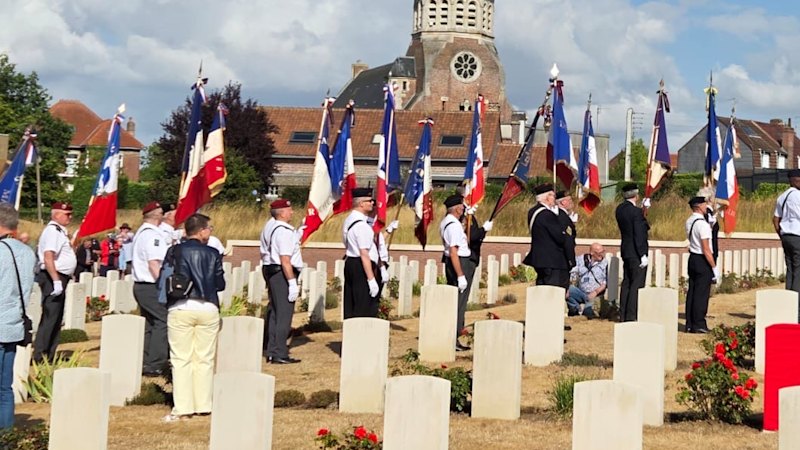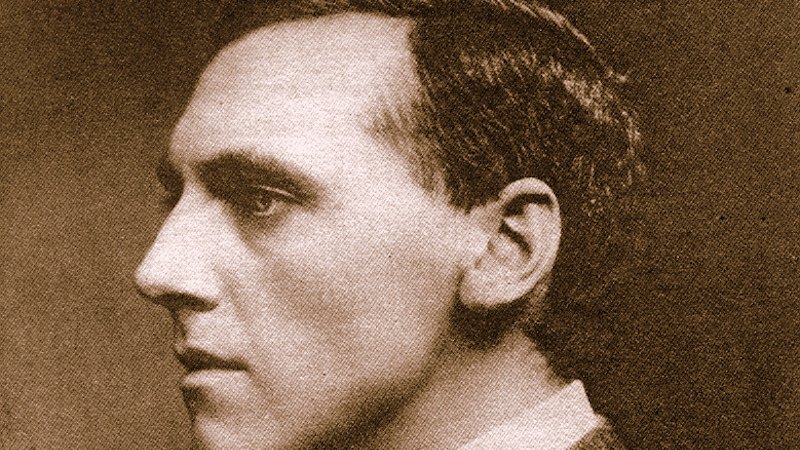
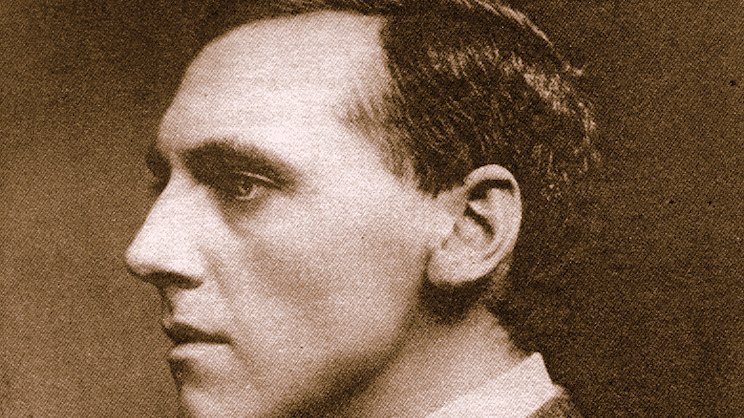
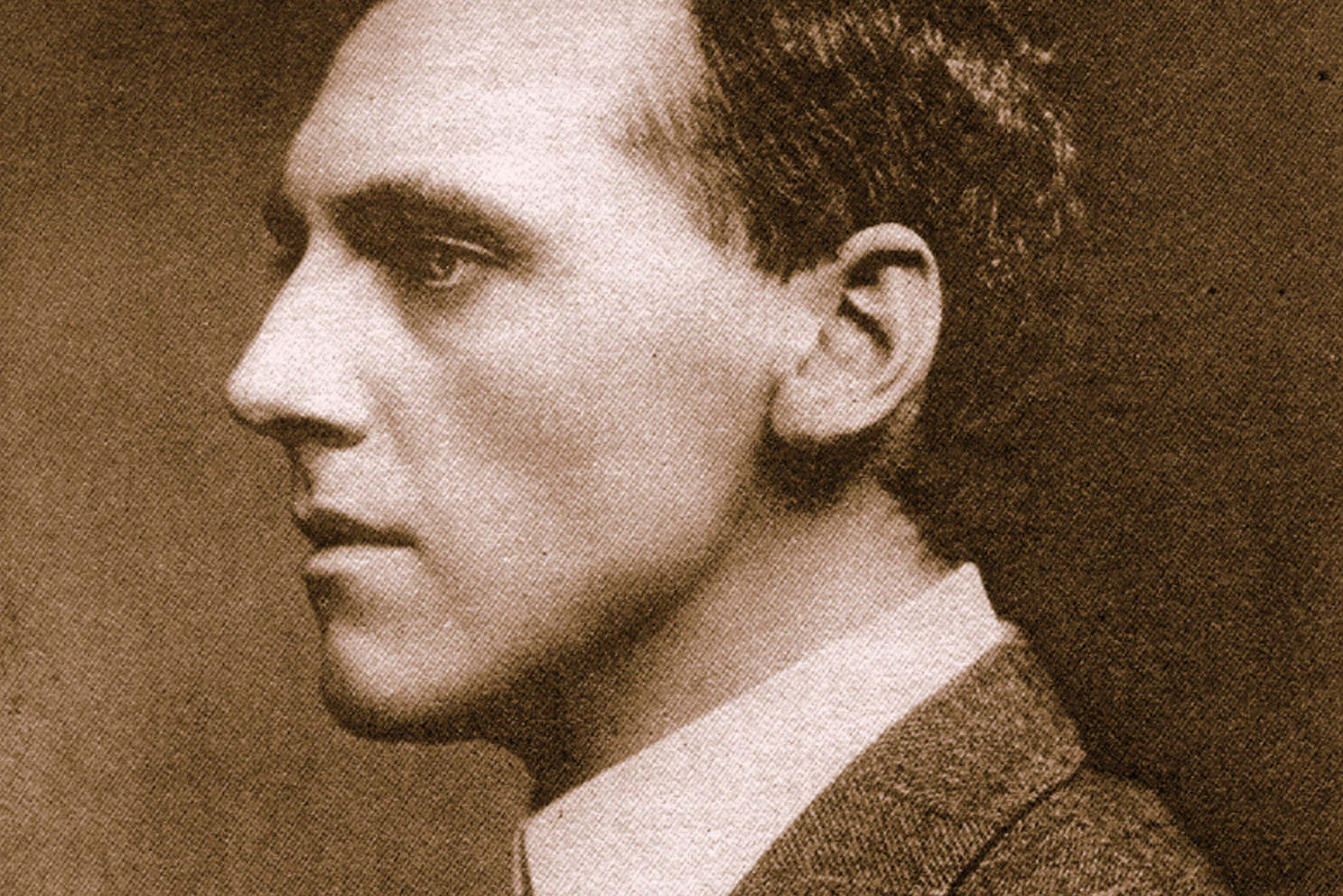
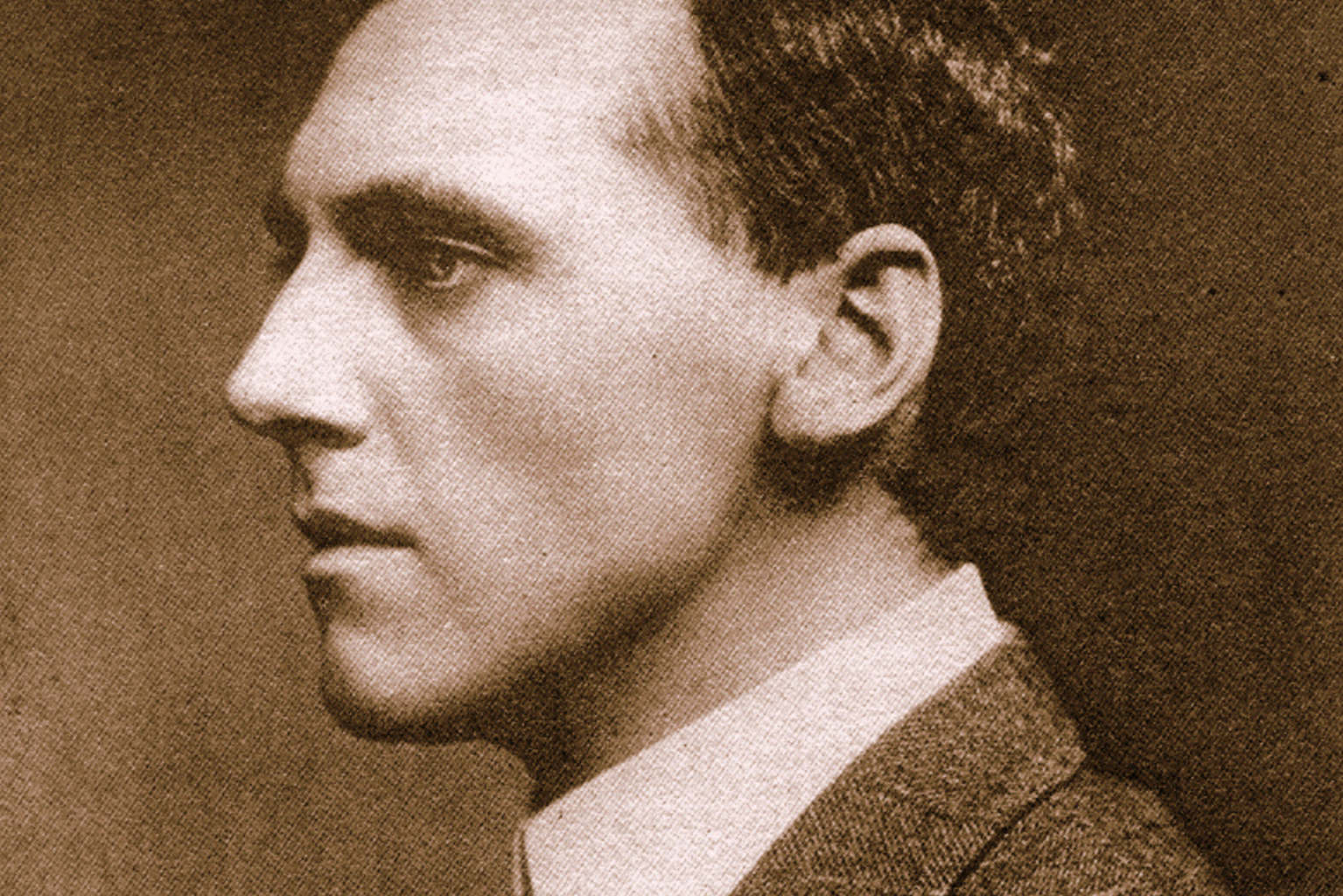
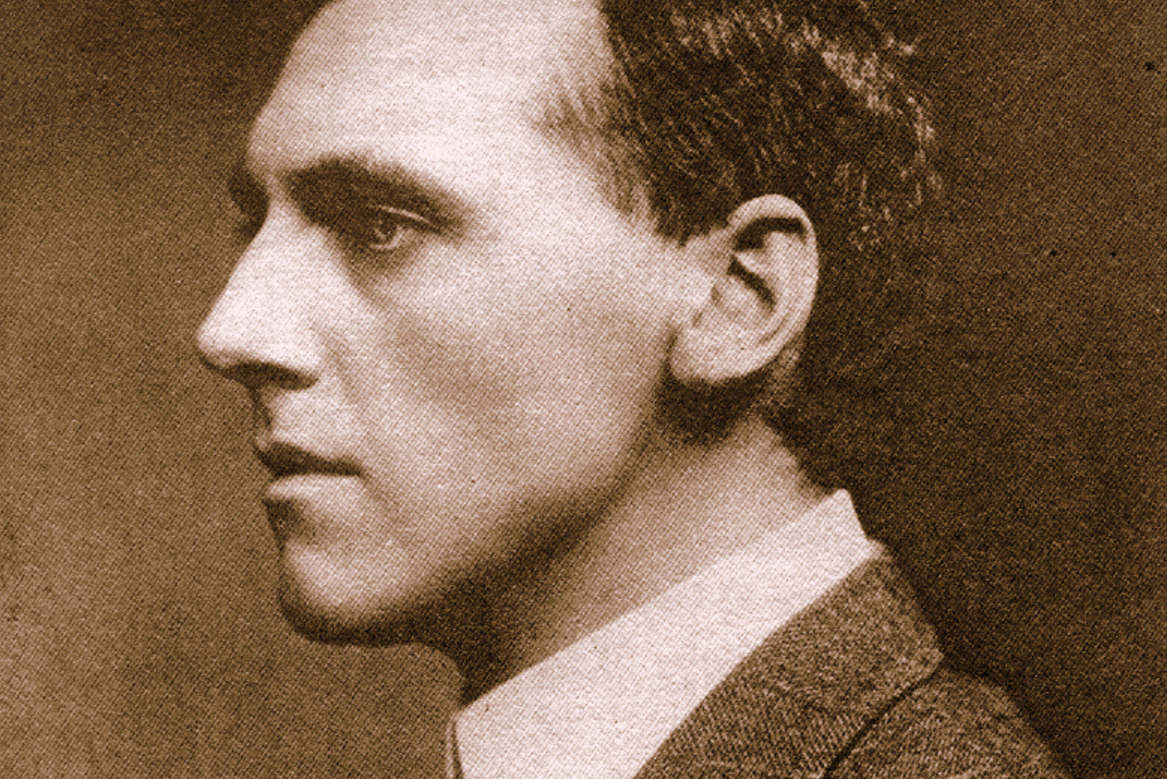
A century after his death on the battlefields of France, the lost masterpieces of one of Australia’s most gifted composers will be brought back to life at Melbourne’s Shrine of Remembrance in a major effort to reclaim a forgotten figure in the nation’s musical history.
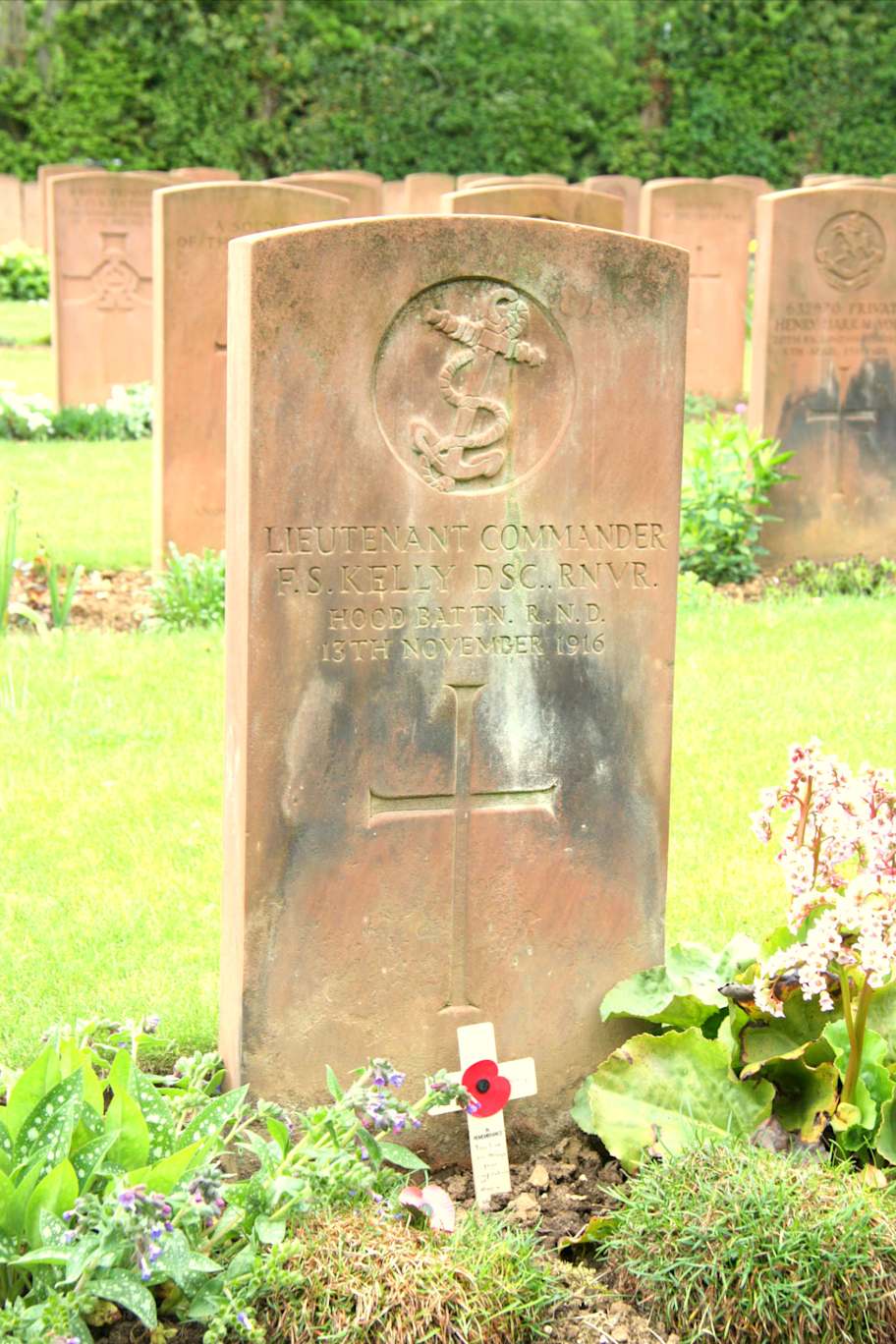
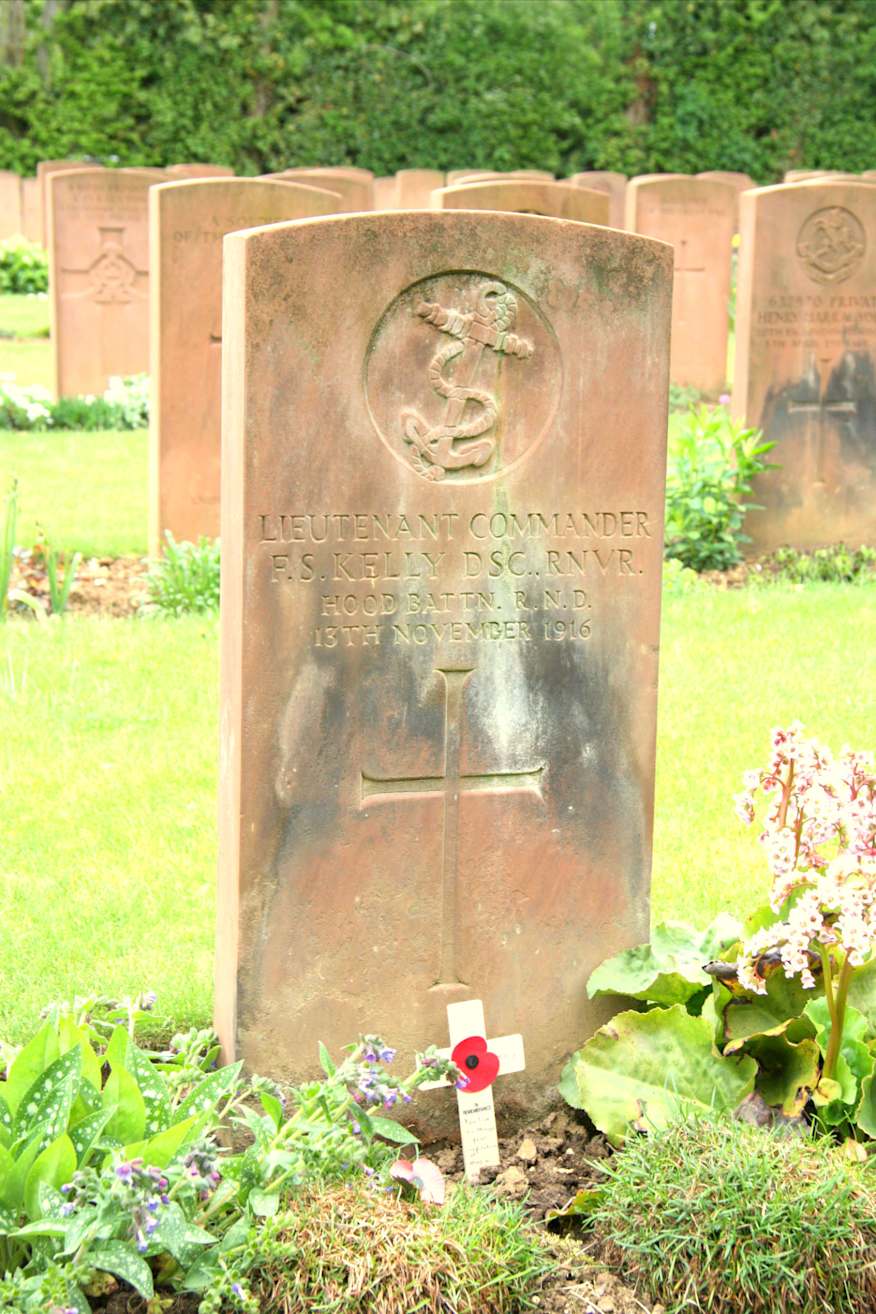
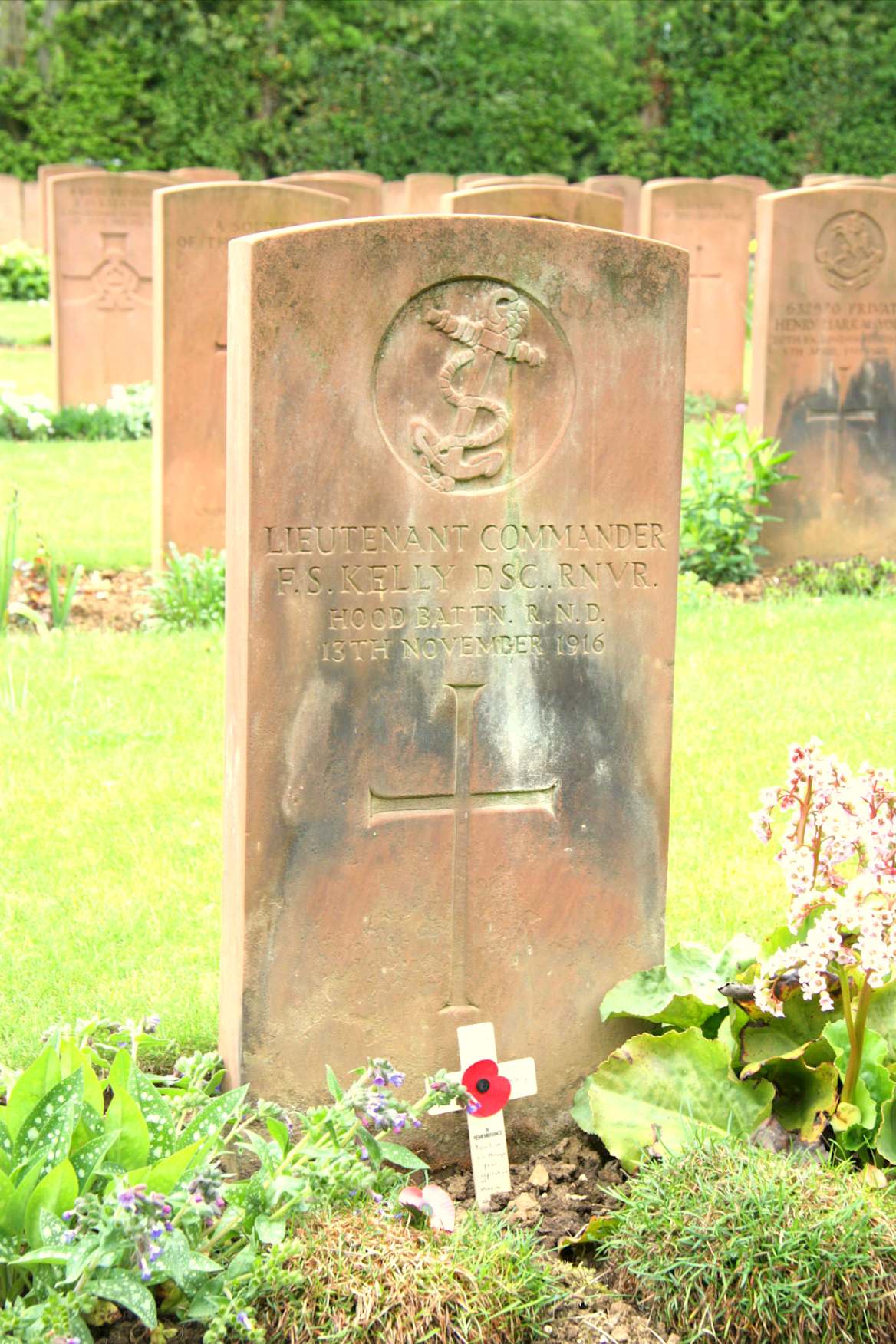
Frederick Septimus Kelly, hailed as Australia’s answer to Chopin, was killed at the Battle of the Somme in November 1916, aged just 35, leaving behind a remarkable body of compositions and ambitious unfinished works that have remained largely unknown for generations.
A new biography of the Sydney-born composer will be launched at the Shrine on Sunday, alongside performances of his long-neglected piano music and a screening of an award-winning documentary examining his extraordinary life.
The Australian War Memorial’s first musical artist-in-residence, Chris Latham, has spent almost two decades recovering Kelly’s compositions and believes his death represented one of the greatest cultural losses suffered by Australia during World War I .
“Sep, in order of his talents, was an Olympic gold medal-winning rower, a great pianist and an even greater composer,” Latham said. “It’s time for our long-lost son to come home.”
Born in Sydney in 1881, Kelly grew up in a musical household before travelling to England, where he attended Eton College and subsequently studied piano and composition in Frankfurt alongside fellow Australian musician Percy Grainger.
His talent was evident from childhood. At 14, he performed for Antoine Marmontel, one of Chopin’s last surviving pupils, who enthusiastically endorsed his musical ambitions.
Kelly went on to perform with major orchestras and collaborate with some of Europe’s most accomplished musicians, including cellist Pablo Casals and violinist Jelly d’Aranyi.
He was also an exceptional athlete, winning a rowing gold medal at the 1908 London Olympics before pursuing a professional music career that took him across Europe and Australia.
When war broke out in 1914, Kelly enlisted in Britain’s Royal Naval Division, serving alongside the celebrated English poet Rupert Brooke during the Gallipoli campaign.
Brooke’s death in 1915 inspired Kelly’s best-known composition, Elegy for Strings , which was written during the campaign and has since become the subject of an internationally award-winning documentary, Elegy .
Despite the demands of military service, Kelly continued composing, completing two substantial collections of piano works inspired by Chopin’s études and preludes.
In May 1916, while on leave before deploying to France, he delivered corrected proofs of his 12 Studies and 24 Monographs to his London publisher. Six months later, on November 13, he was killed on the Somme.
His wartime diaries reveal an artist acutely conscious that his creative ambitions might be cut short. Before leaving for the front, Kelly invoked the poet John Keats and his fear of dying before completing his work.
He listed a symphony, piano sonata, string quartet and numerous other compositions still forming in his imagination. Much of that music was never committed to paper.
Latham believes Kelly’s decision to serve in a British military unit rather than an Australian battalion contributed to his subsequent neglect, leaving his musical achievements stranded between two countries.
“One can only speculate what would have happened if Kelly had lived,” Latham said. “Had he returned to Australia, he would have likely risen to be the head of music at the ABC or perhaps at the Sydney Conservatorium. The loss of Kelly and similar talents from his generation too often are stories we don’t know.”
The new biography by Melbourne author Therese Radic and Olympic gold medallist Martin Cross forms part of a broader campaign to restore Kelly’s reputation, with his recovered compositions being made freely available to musicians and cultural institutions.
Sunday’s event will feature performances by pianists Edward and Stephanie Neeman, alongside readings from Kelly’s diaries by Melbourne arts figure Carrillo Gantner. The concert, beginning at 2pm, will conclude a commemorative tour through Sydney, Canberra and Melbourne marking the 110th anniversary of Kelly’s death.
You have reached your maximum number of saved items.
Remove items from your saved list to add more.
You've used all of your gift articles. 3 more will become available on the 1st of every month.