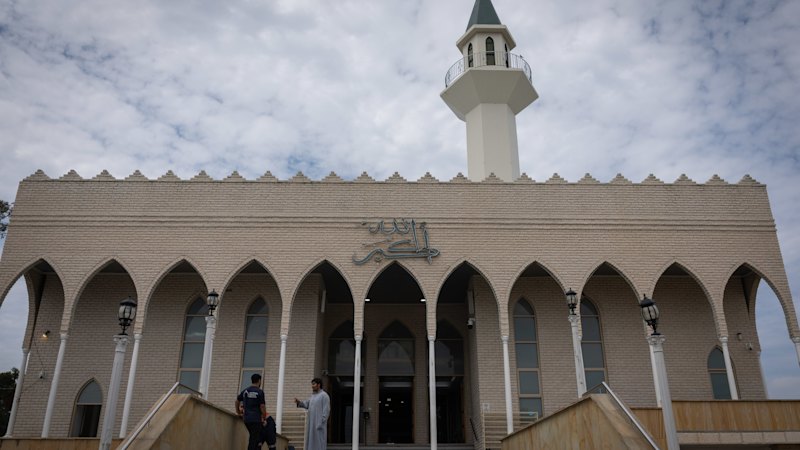
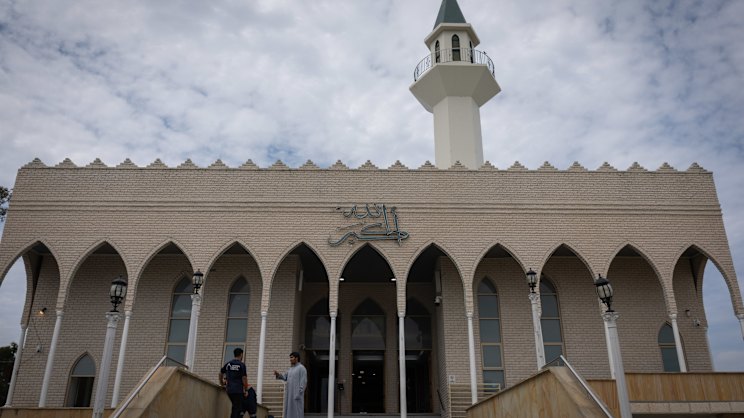
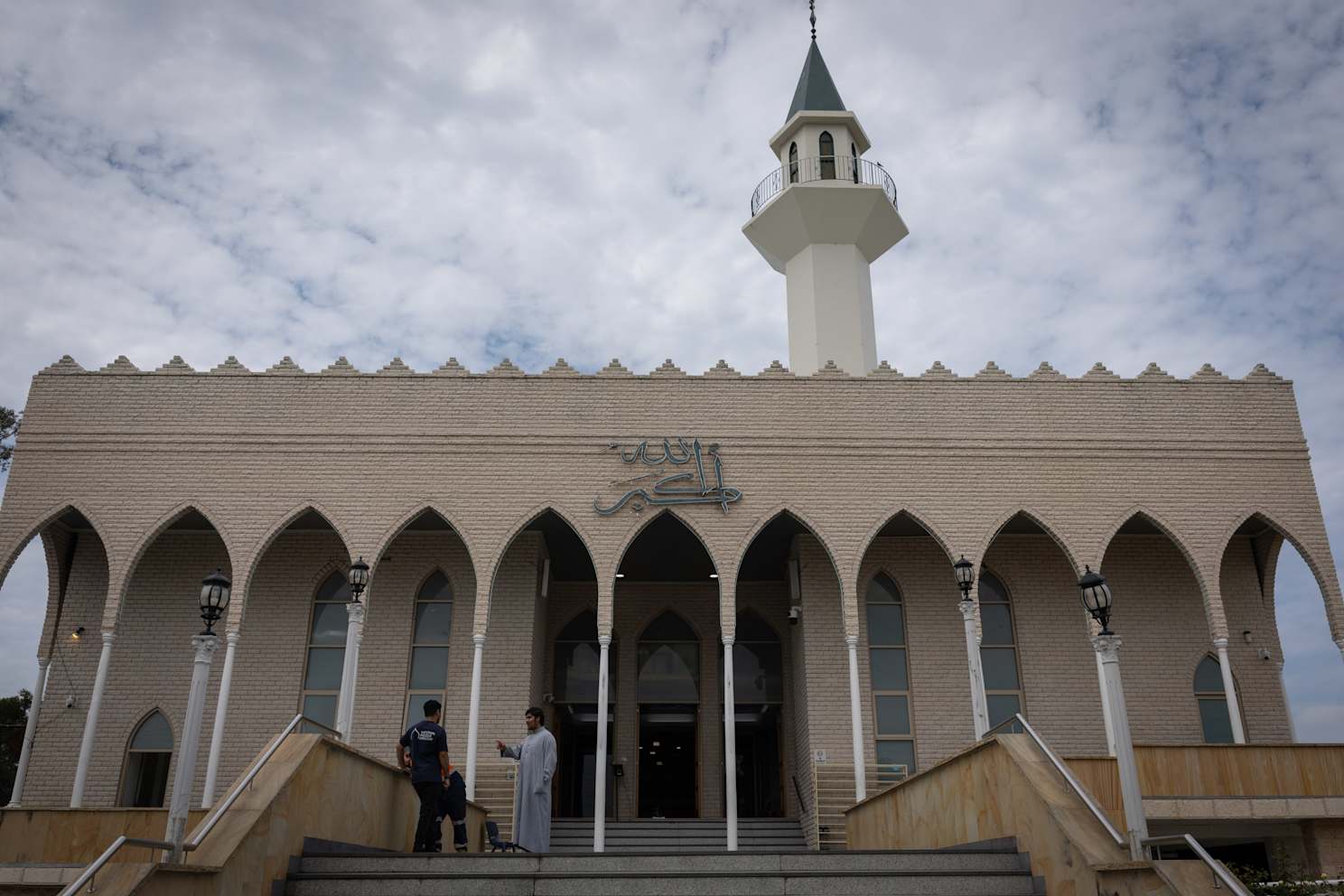
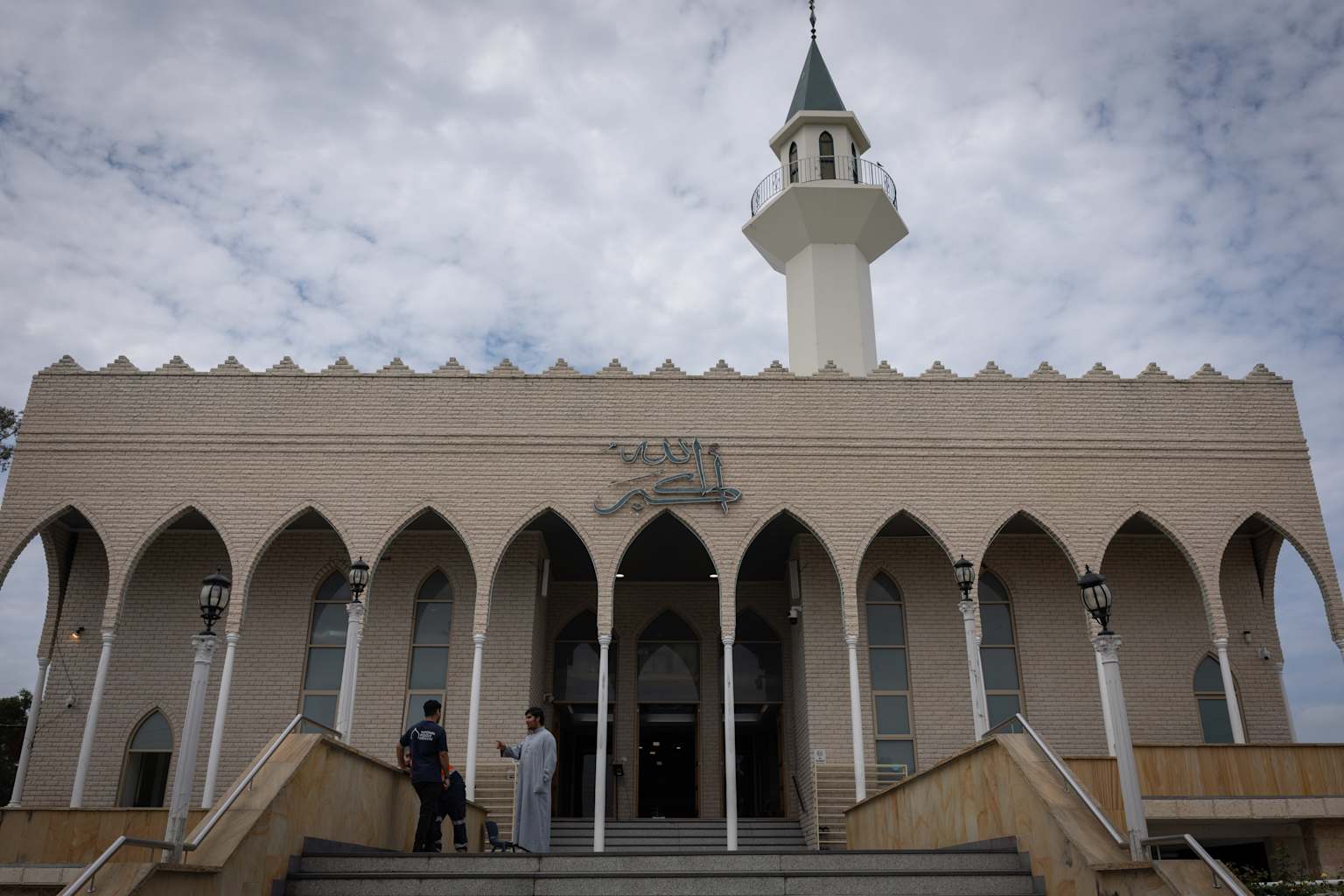
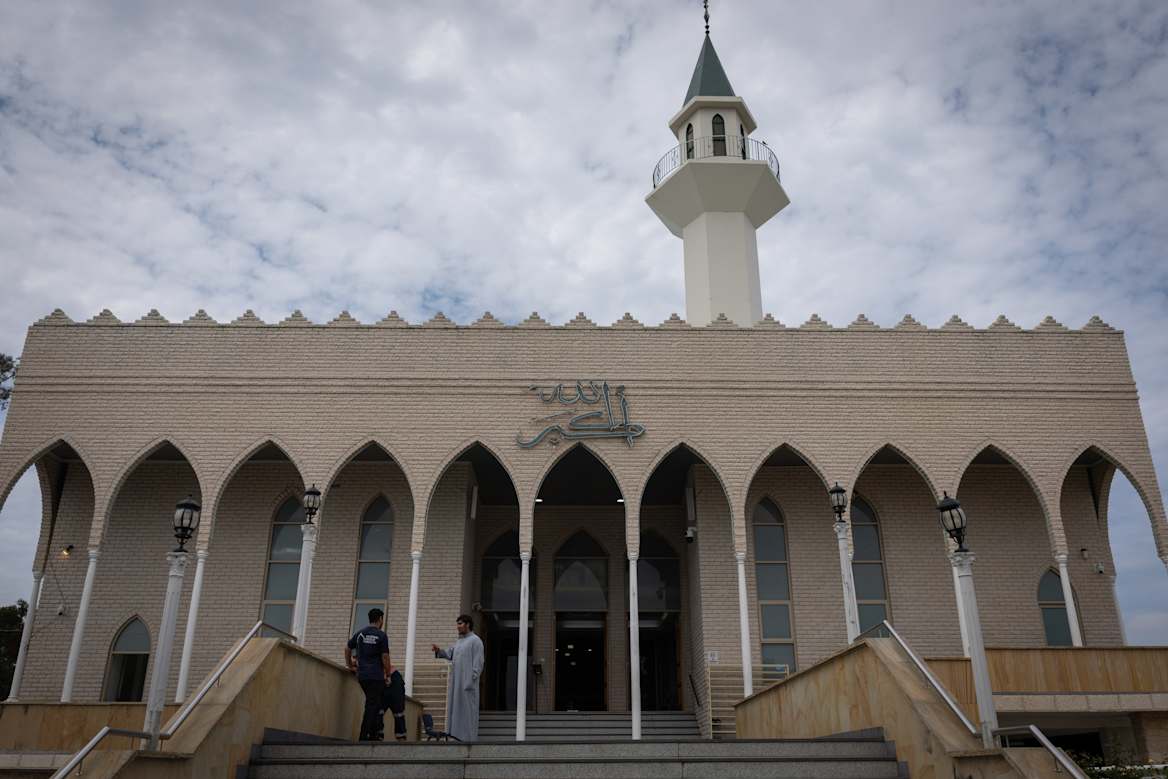
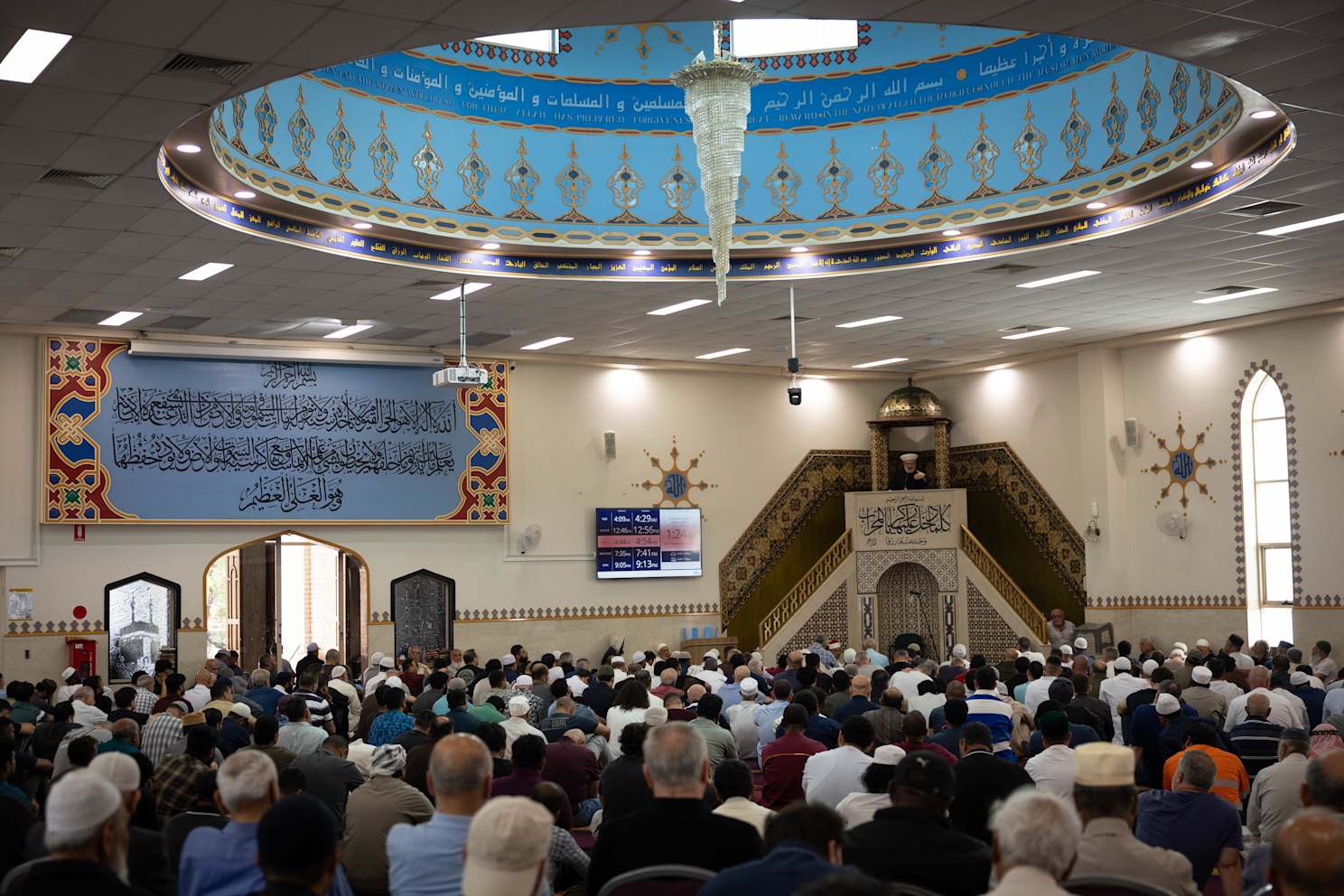
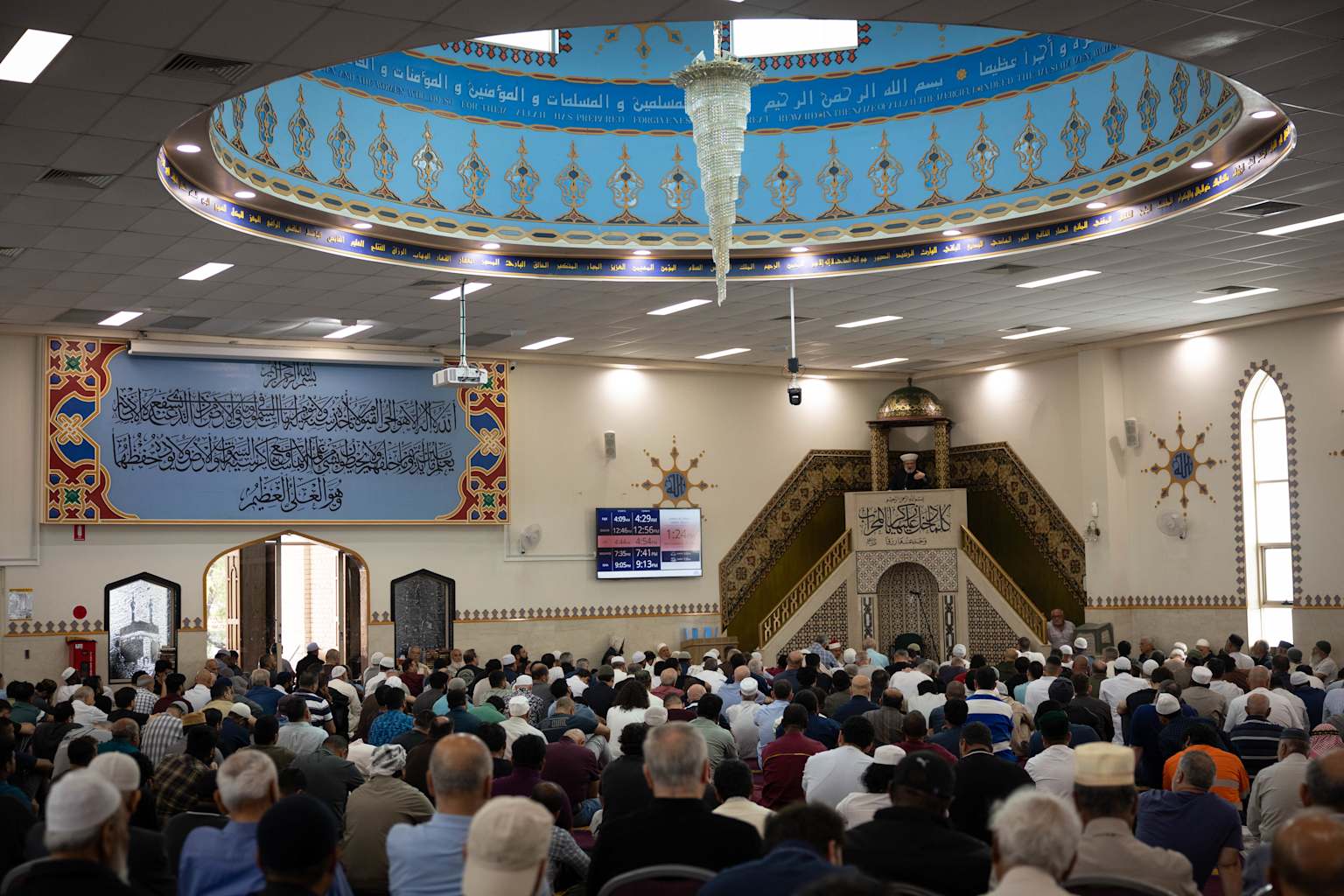
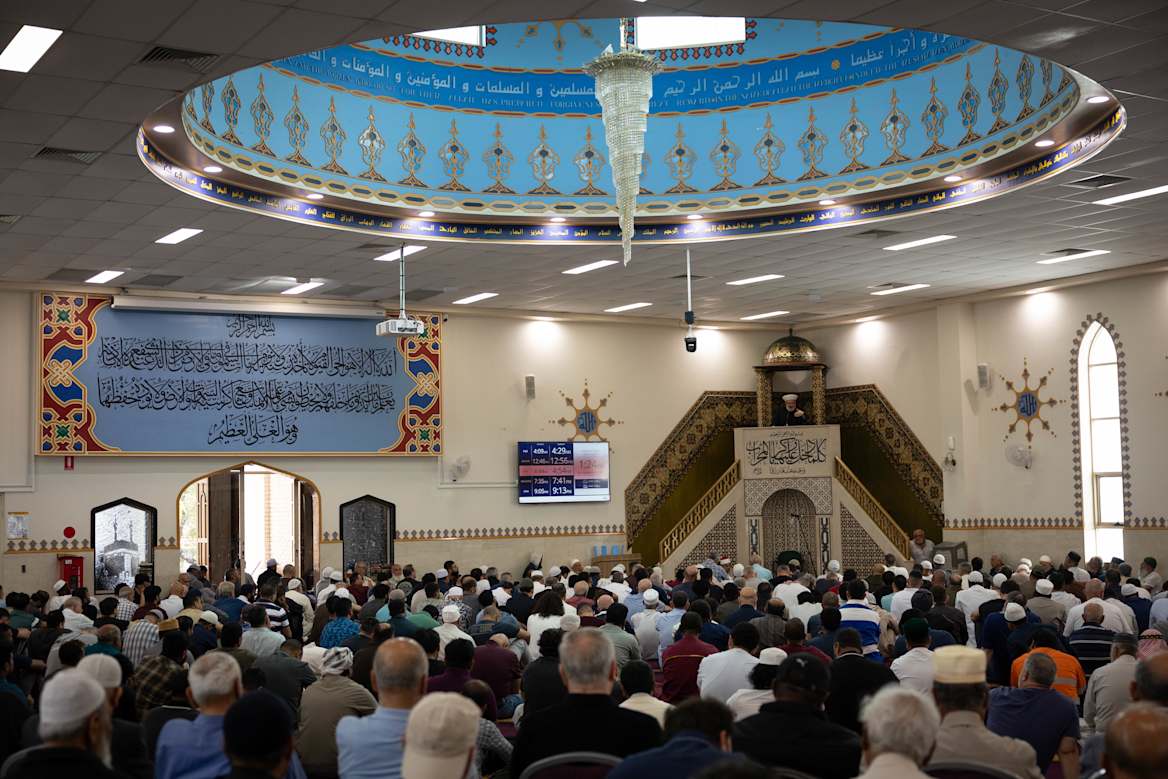
Standing prominently on a residential street in Sydney’s south-west, Lakemba Mosque has long been more than a place of prayer.
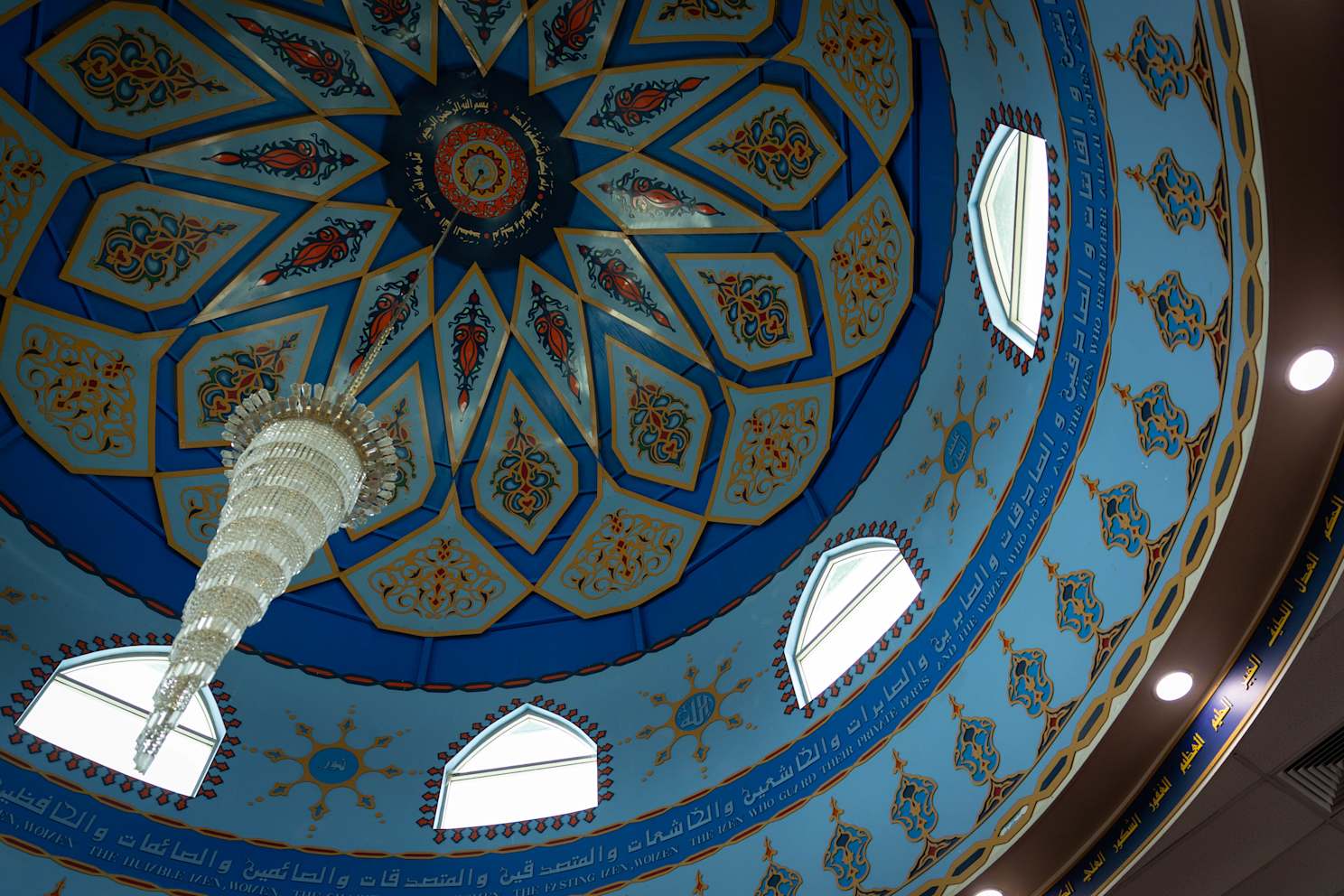
For almost half a century, its 20-metre minaret, ornate central dome and distinctive white brickwork have served as a beacon for generations of migrants, a gathering place and a source of belonging for Sydney’s Muslim community.
Now, the mosque is poised to make history as NSW heritage authorities consider adding the building to the State Heritage Register – a move that would place it alongside some of Sydney’s most prominent heritage landmarks including the Queen Victoria Building, Hyde Park Barracks, the Anzac Memorial and NSW Parliament House.
If approved, it would become the first mosque in Sydney to receive a state heritage listing and only the second in NSW, following the historic tin and iron Afghan Mosque in Broken Hill, built in 1887 by cameleers who migrated to Australia in the 19th century.
The NSW Heritage Council, at a meeting this month, determined that Lakemba Mosque may meet the threshold for state significance and will hold public consultation ahead of a final decision by NSW Heritage Minister Penny Sharpe, expected early next year.
For the Lebanese Muslim Association (LMA), which owns and manages the mosque, the listing would represent a long-awaited recognition of a place that has played a central role in the lives of generations of Muslim Australians.
Its origins date to the late 1960s, when a group of Lebanese migrant families purchased a suburban house on Wangee Road. Initially, the property provided a place to prepare deceased community members for Islamic burial and a gathering space for communal prayers.
By the early 1970s, the original house was demolished to make way for a purpose-built mosque and after five years of construction was officially opened in 1976.
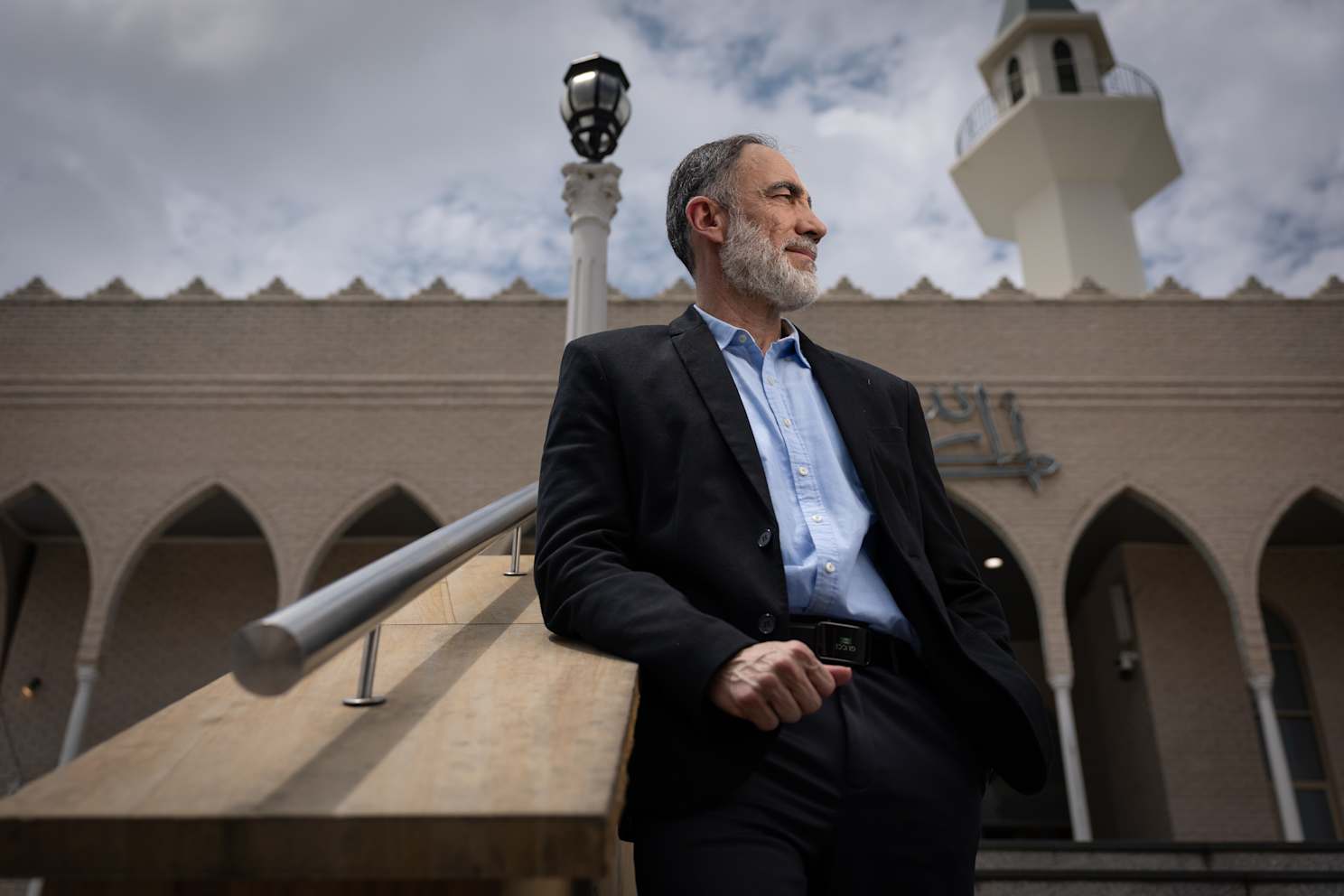
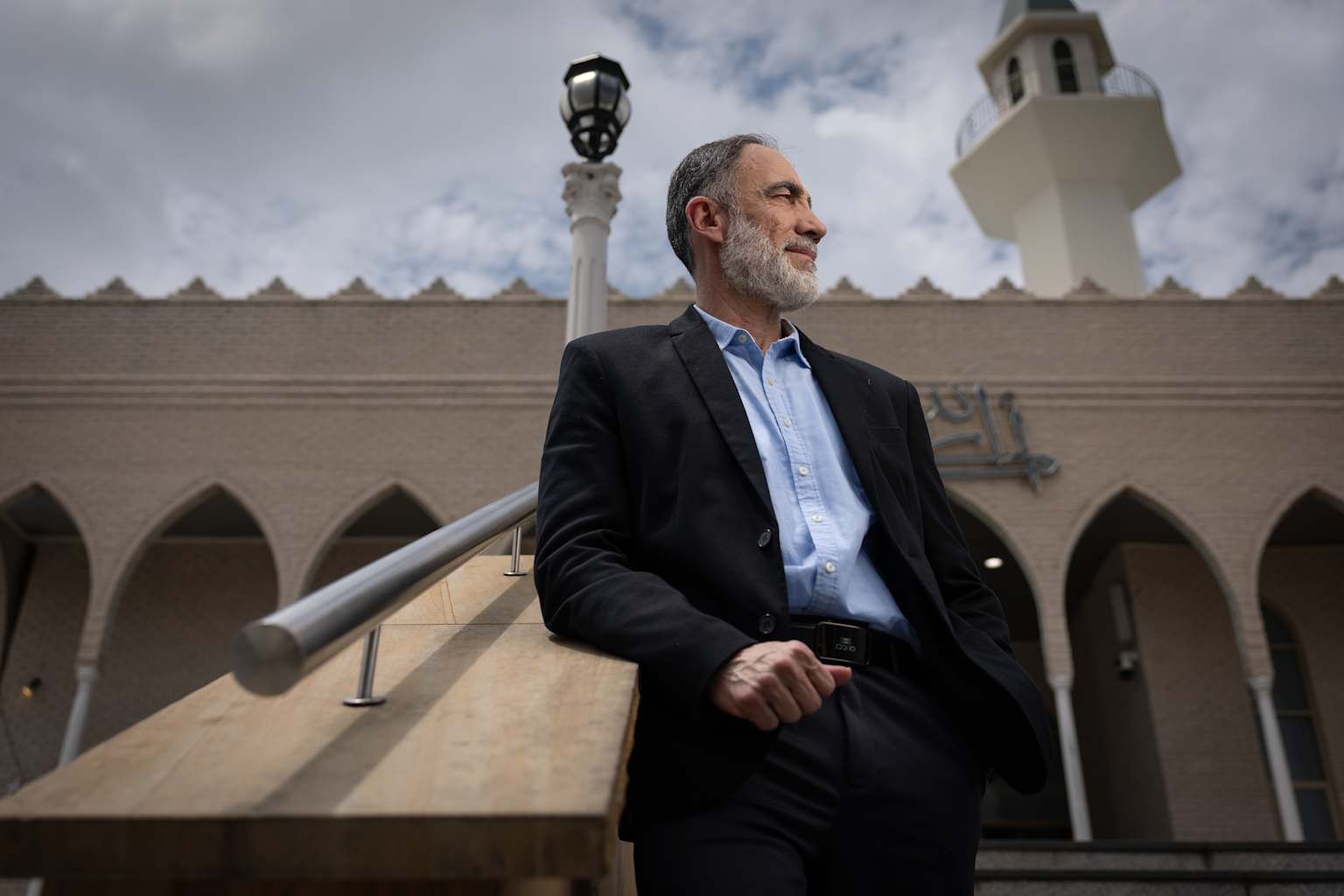
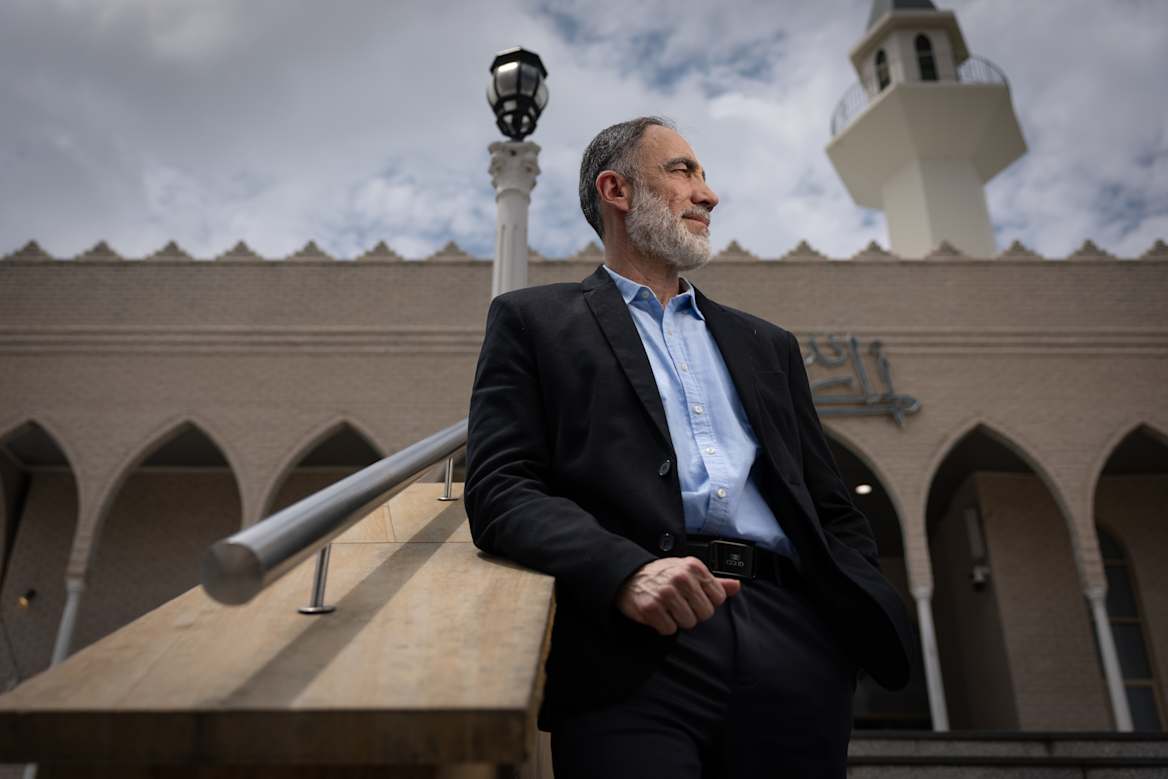
Association board member Gamel Kheir said its completion marked a defining milestone for Sydney’s growing Muslim community as the city’s first purpose-built mosque.
“It was funded through local community efforts and donations, and it’s culturally significant not only to the Muslim community but also tells part of the wider migration story of Australia,” he said.
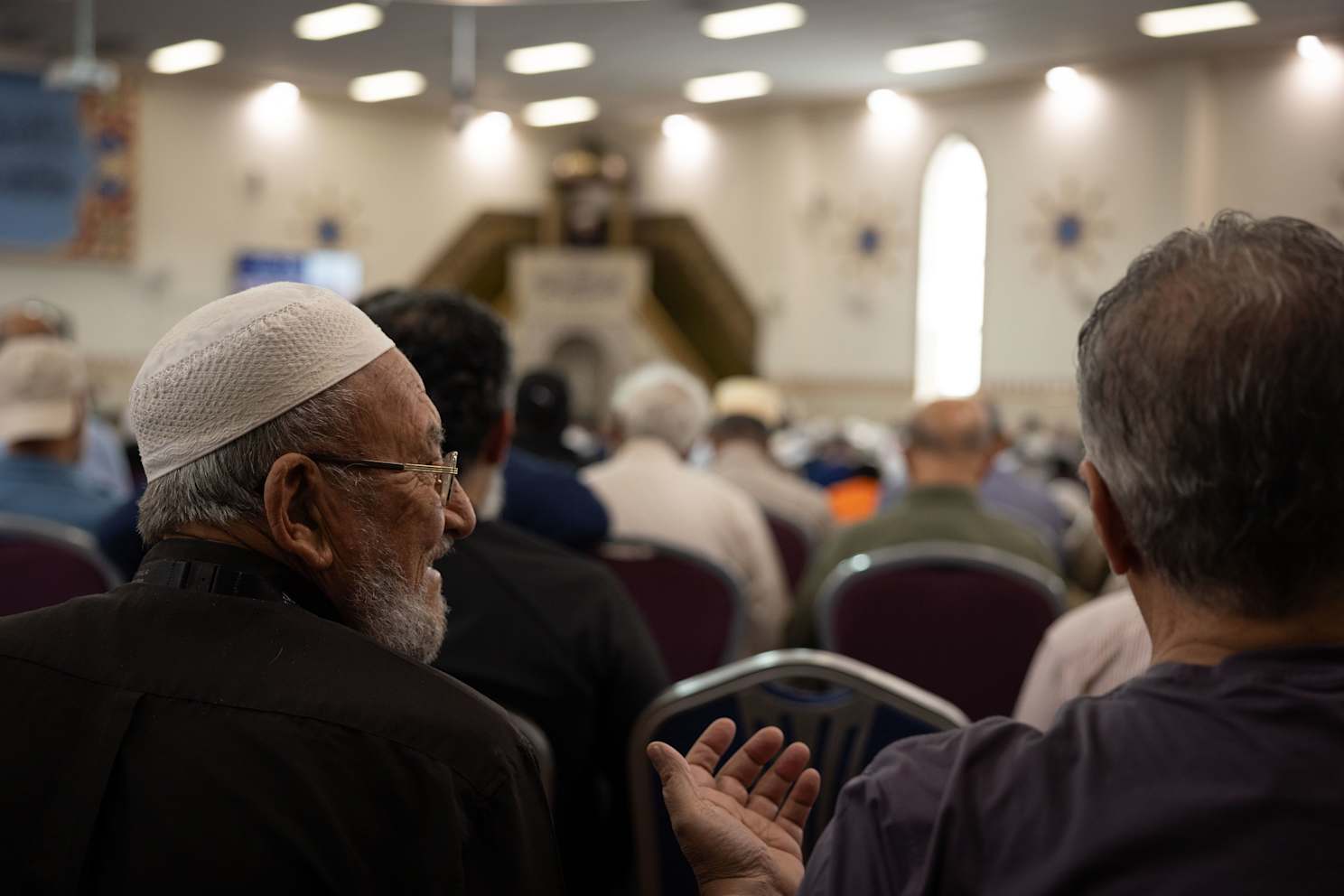
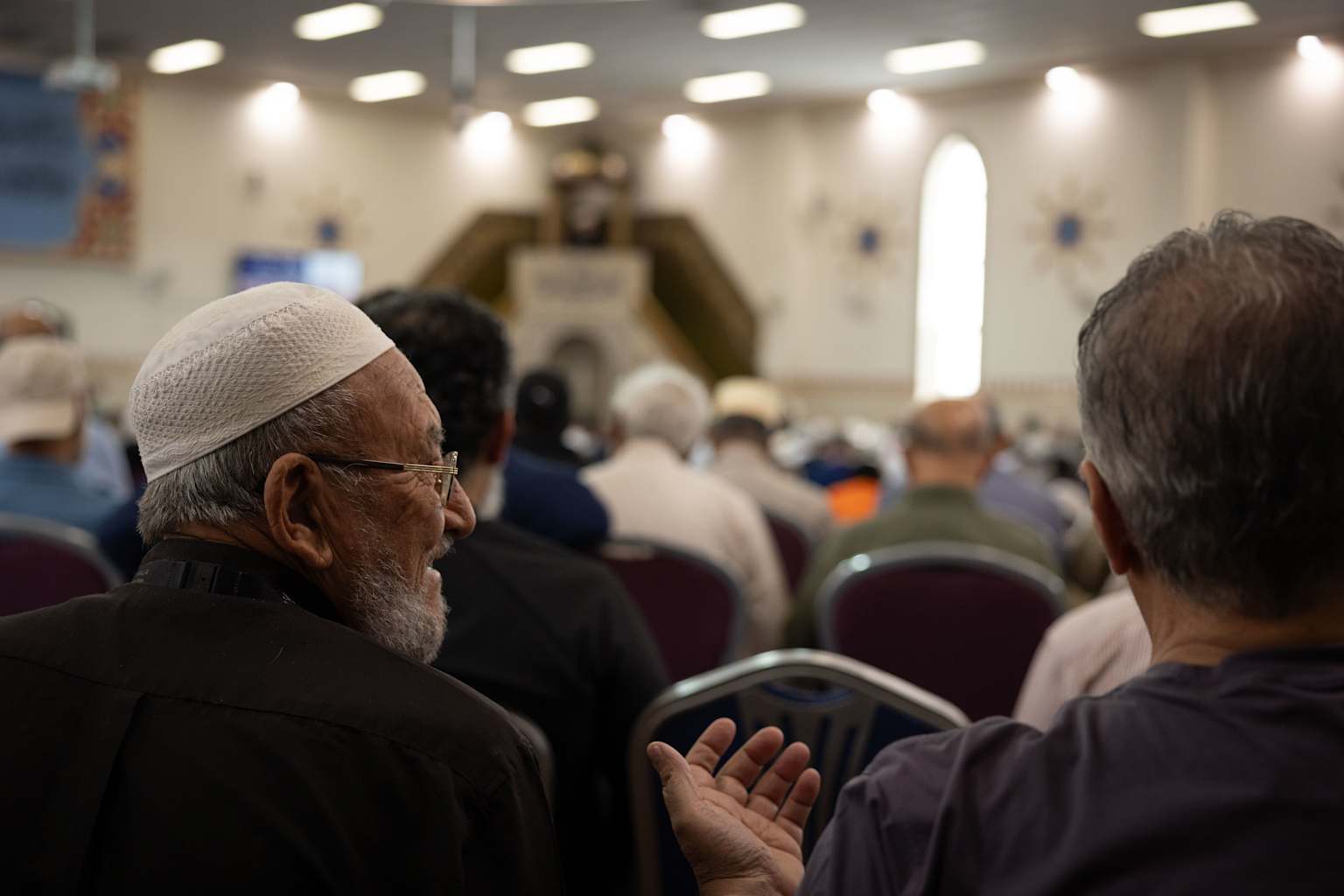
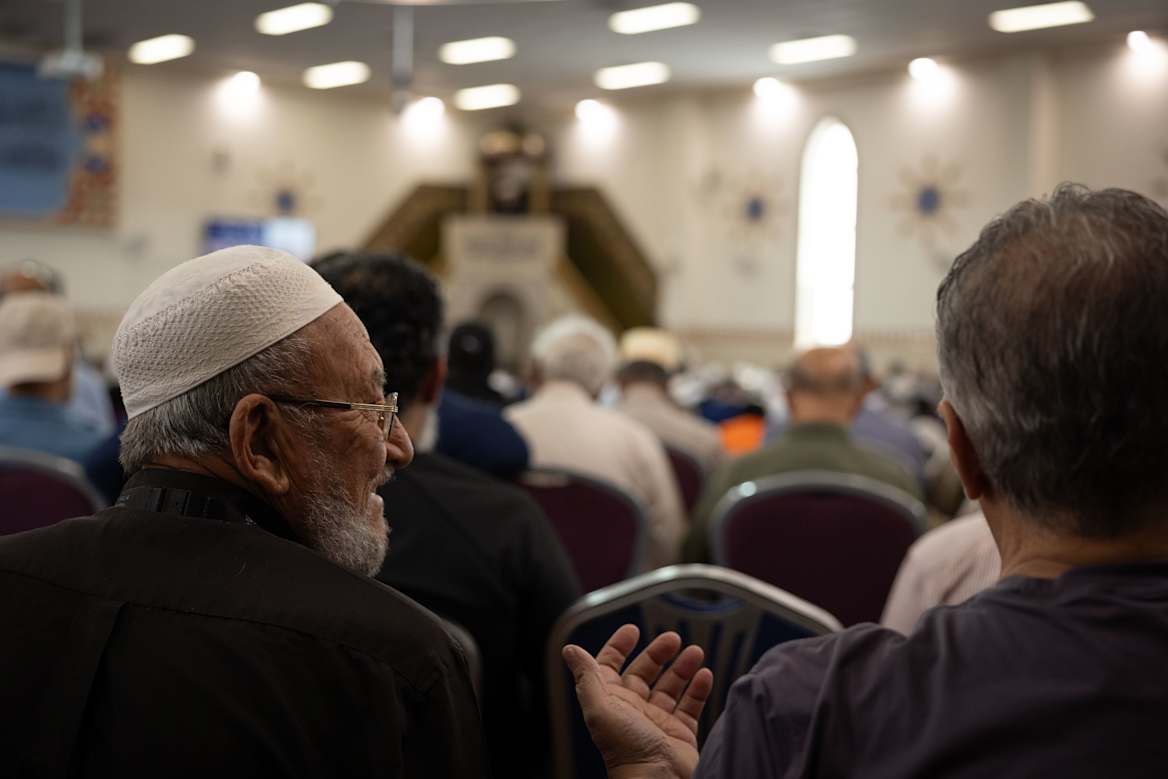
Over five decades, the congregation has expanded well beyond its original Lebanese founders. Today, thousands of worshippers fill its halls for Friday prayers, while as many as 50,000 people gather for major celebrations such as Eid al-Fitr.
“It’s bricks and mortar at the end of the day, but it signifies the growth of the Muslim community from being a small minority to being integrated within Australian society and standing proudly within multicultural Sydney,” he said.
“It doesn’t want to be an alien to Australian society, but rather an inherent part of it, and recognising that would be the significance a heritage listing would bring.”
Cameron Logan, associate professor at the University of Sydney’s School of Architecture, Design and Planning, said the proposed listing reflected a changing understanding of heritage, with greater recognition of buildings and other spaces connected to contemporary social and cultural debates.
He pointed to the growth of the Ramadan festival Lakemba Nights , which has evolved into a major Sydney event, as an example of the mosque’s influence extending beyond its walls.
“Lakemba Mosque is the central social institution around which a whole range of other things in Lakemba, and especially Lebanese community and social life, occur,” he said.
“The entire surrounding neighbourhood owes some of its meaning and significance, in terms of its own identity, to the mosque.”
Logan said the listing would also recognise the mosque’s long association with wider public debates and discussions.
“There’s a range of controversies and debates that have been connected with the mosque, and I think actually our system of heritage is better for stepping into that space and acknowledging its centrality in negotiating some of those challenging public discussions, whether it be freedom of speech, religion or identity,” he said.
Kheir admitted he feared the publicity surrounding the listing could reignite hostility towards the mosque, which has faced a string of recent threats and protests.
However, he expressed hope that the recognition would serve as a unifying moment rather than a point of division.
“I’m worried the heritage listing will drag up that hate again, but time cannot stand still because a certain minority do not like the fact that Australia has become multicultural and multifaith,” he said.
“We need to keep moving on. Recognising Lakemba is recognising the fact that Australia has become diverse and acknowledging all its people.
“This is not a story about Lakemba Mosque per se. It’s an acknowledgement of the beauty and the diversity of Australia. Lakemba Mosque is one piece of this huge puzzle which we call Australia.”
If the listing is approved, Kheir said the association hoped to mark the occasion with a public celebration, potentially coinciding with Ramadan next year.
The LMA is also working with heritage authorities to ensure a listing would allow the community flexibility to undertake upgrades and potential future expansion of the mosque if required.
You have reached your maximum number of saved items.
Remove items from your saved list to add more.
You've used all of your gift articles. 3 more will become available on the 1st of every month.