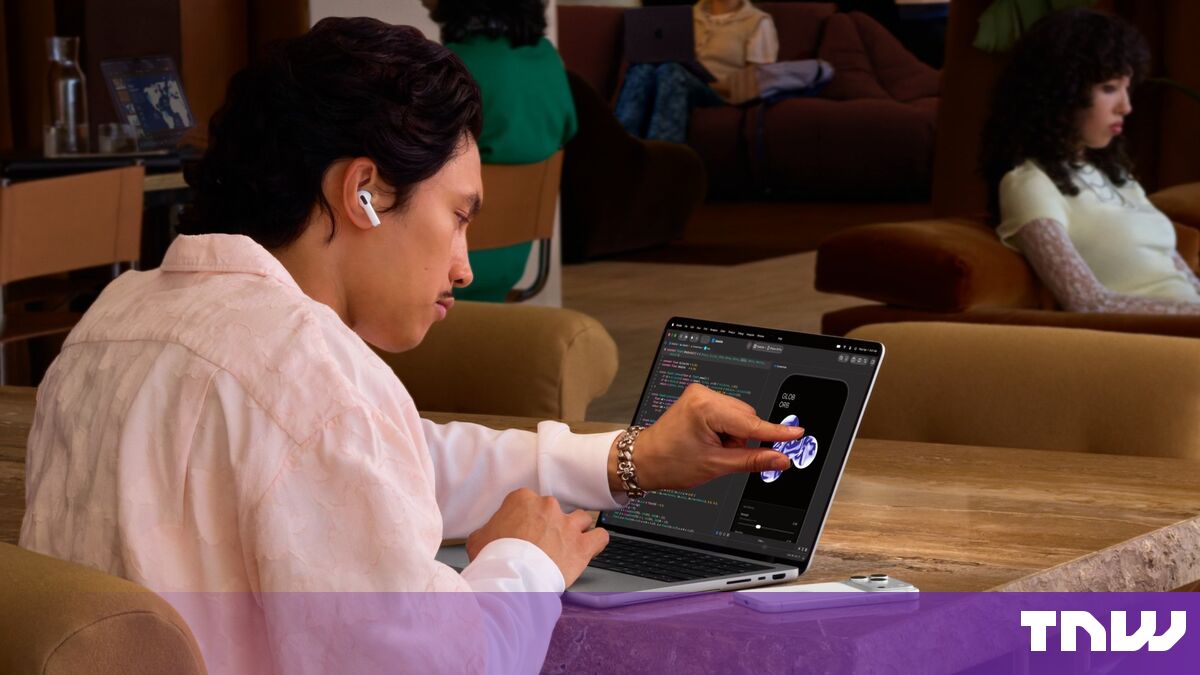
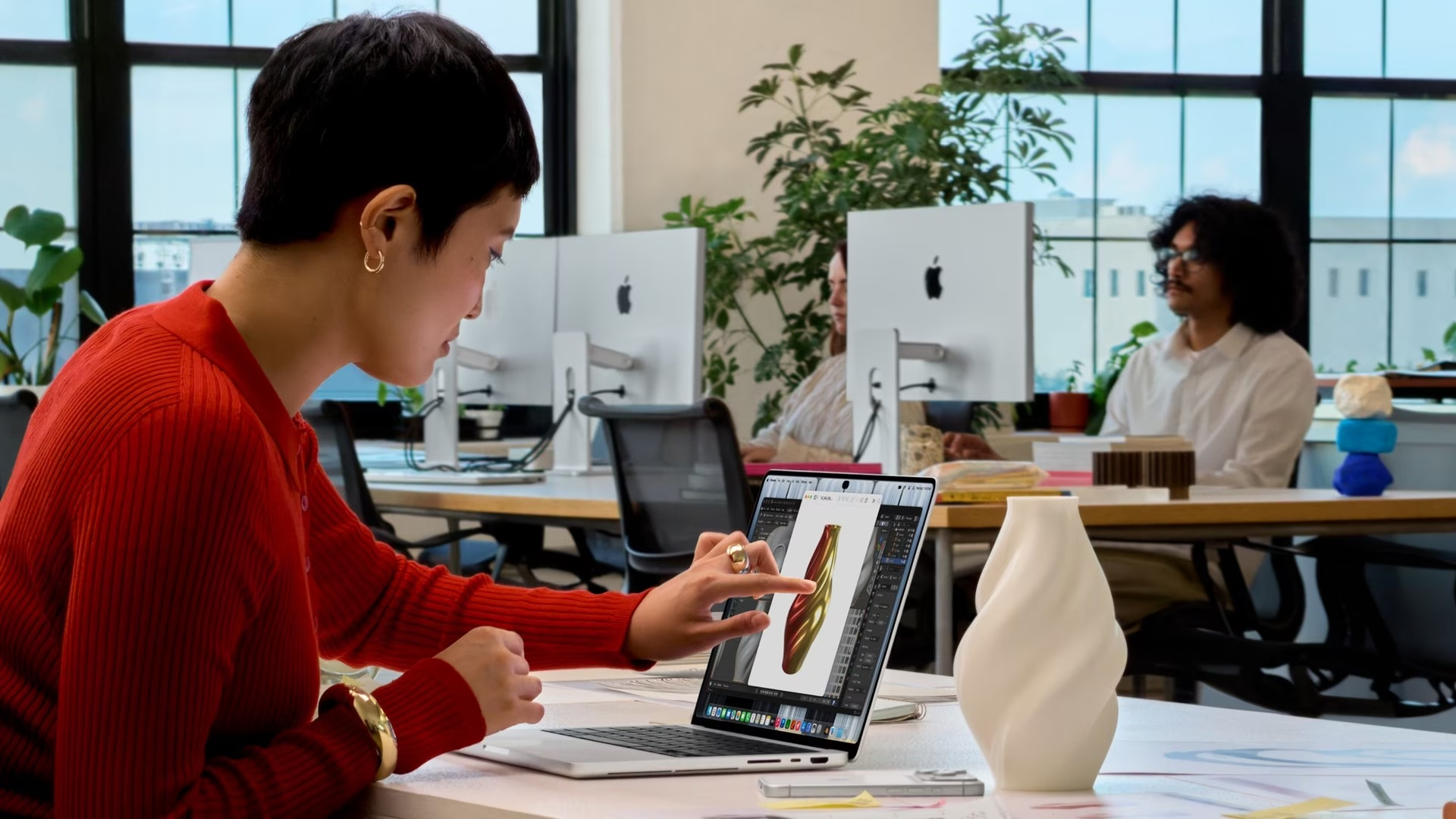

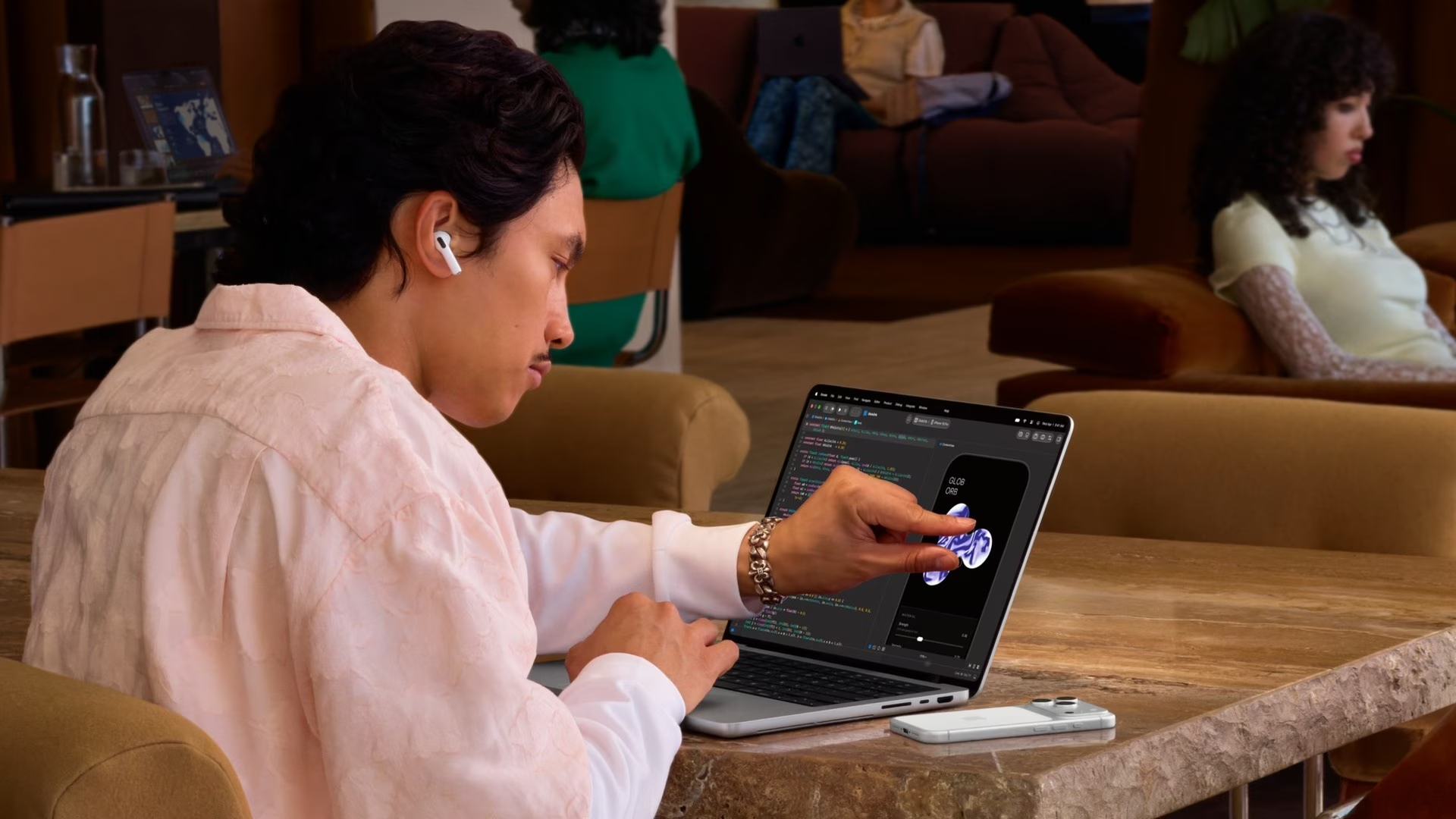
A person uses the touchscreen on Apple’s MacBook Pro with PROLED XDR Display, in a press image released on 28 October 2026.
Bloomberg’s Chris Welch tried Apple’s first touchscreen MacBook Pro and found Apple took a measured approach, adding touch without reshaping macOS. Gestures felt smooth, but the tiny window buttons are awkward to tap. The laptop ships on 6 November from $2,899.
Apple’s first touchscreen MacBook Pro does not turn the Mac into an iPad, according to a hands-on by Bloomberg ’s Chris Welch. He tried the laptop after Apple’s launch event in Los Angeles on Wednesday. It is a big shift for a company whose design chief once said a touchscreen Mac would not be useful .
The machine, which Apple unveiled on Wednesday from $2,899, ships on 6 November. Welch found that Apple took a “ measured approach ” to touch, with no oversized buttons or sweeping changes to macOS.
Pinch-to-zoom and drag and drop felt smooth and quick, he wrote. The touch sensor is built into the OLED panel itself, rather than layered on top as on touchscreen Windows laptops.
Small changes appear only when you touch the screen. Menus spread their items further apart so they are easier to tap, then look normal again when you switch to the trackpad or a mouse.
The weak spot is the three tiny window buttons in the top left corner. Apple briefly enlarges them for fingers, but Welch found the animation “ a bit sluggish ” and not very graceful. Apple’s last touch experiment on the MacBook Pro, the Touch Bar , was phased out from 2021 after years of complaints.
Touch makes iPhone Mirroring far better, since users can tap and swipe as they would on the phone. Developers can also test their iPhone and iPad apps in a way that feels closer to the real thing.
Some people on social media have accused Apple of adding touch to justify a $400 price premium. Welch argues that most of the extra cost likely comes from the dual-layer OLED screen, which reaches 2,000 nits and is calibrated panel by panel.
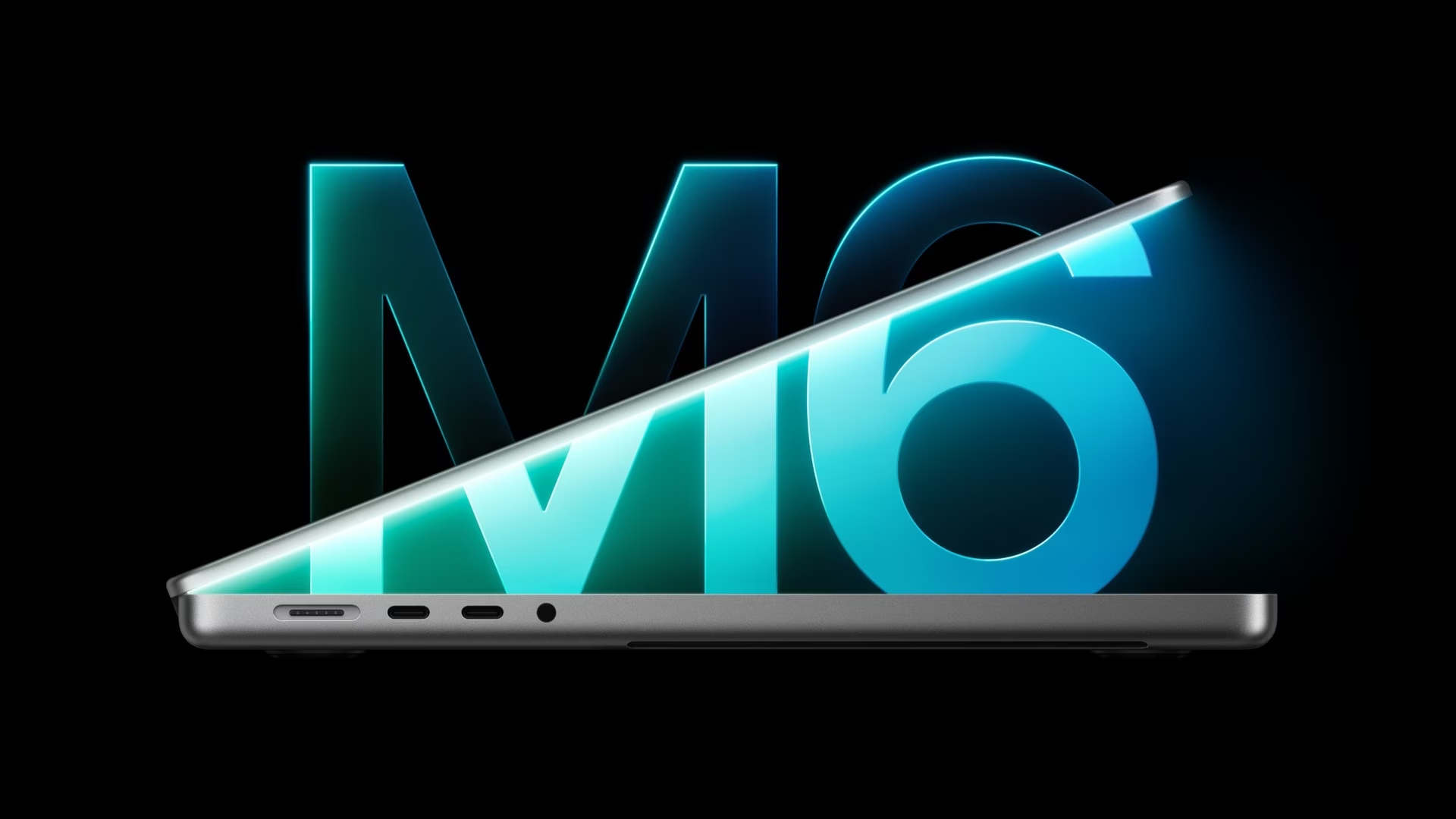
He still wishes Apple had added Face ID and mobile data. An Apple employee told reporters the company is only getting started on tuning macOS for touch. Buyers who want none of it can pick the M6 MacBook Pro , which keeps a regular screen.
Get the most important tech news in your inbox each week.